table of contents
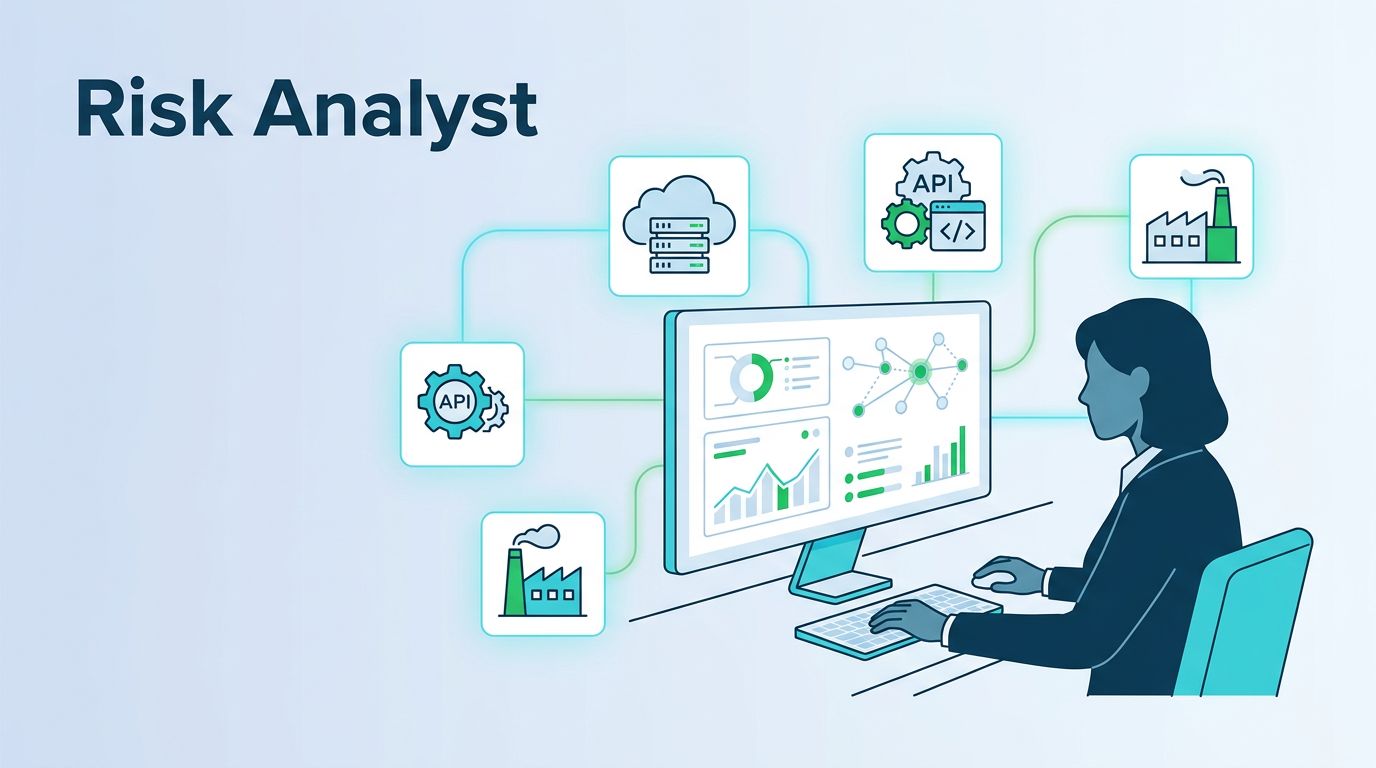
Vendor breaches cost companies millions each year. In 2026, supply chain attacks hit two-thirds of third-party incidents, especially ransomware in manufacturing. You manage a growing web of vendors for cloud services, APIs, and AI tools.
These partnerships boost operations but expose you to cyber risks, compliance gaps, and outages. Regulators like DORA in the EU and SEC rules in the US demand stronger oversight. A third-party risk analyst steps in to handle due diligence, ongoing checks, and resilience.
This guide shows you how to hire one. It covers needs, skills, team ties, and evaluation tools.
Why You Need a Third-Party Risk Analyst in 2026
Attack surfaces expand fast. Vendors add layers like subprocessors that shift quickly. Annual reviews fall short against live threats.
A third-party risk analyst builds continuous monitoring. They use AI for real-time scores from threat intel and cloud tools. This spots issues early, unlike old checklists.
Consider DORA’s full push in 2026. EU financial firms must map ICT vendor risks, craft exit plans, and limit single-vendor reliance. US rules from NYDFS and FINRA require the same for banks and brokers: assess criticality, test incidents, report events.
Without this role, procurement pushes deals while security flags gaps. Analysts tier vendors by impact, data access, and cyber posture. They blend internal data with external feeds for full views.

Boards now prioritize these risks after breaches like F5. An analyst drives operational resilience. They cut financial losses from supplier fails and meet ESG demands. For example, they track fourth-party risks in cloud misconfigs.
Hire one to turn vendor weak spots into managed strengths. Tools from UpGuard or Black Kite help, but people connect the dots.
Essential Qualifications and Experience
Look for 3+ years in risk, compliance, or vendor management. Candidates from finance or fintech often shine because they know regs like GDPR, ISO 27001, and NIST CSF.
Core skills include vendor onboarding, contract reviews, and SLAs. They must handle questionnaires like SIG or CAIQ, then validate with pen tests or SOC 2 reports.
Tech savvy matters. Proficiency in Excel, Tableau, or GRC platforms like Archer, ServiceNow, or ProcessUnity speeds assessments. Knowledge of AI-driven monitoring sets top picks apart.
Certifications boost credibility: CISA, CRISC, or CISSP. A bachelor’s in cybersecurity, business, or IT works, but hands-on beats degrees.
Soft skills count too. They explain risks to non-tech teams and negotiate fixes with stubborn vendors. For instance, strong writers document findings clearly for audits.
Check Stripe’s job listing for a real example. It stresses data analysis and fintech insight. Or see TIAA’s senior role, which calls for NIST knowledge and stakeholder talks.
Prioritize those who resolved real gaps, like unmitigated controls in high-risk deals.
Fostering Cross-Functional Collaboration
Third-party risk touches procurement, legal, security, and compliance. An analyst bridges these groups.
They join intake meetings to flag risks early. Procurement wants speed; security needs proof. The analyst tiers vendors and sets review cadences.
Legal reviews contracts for audit rights and breach notices. Compliance ties in regs like NIS2 for infrastructure. The analyst shares dashboards for aligned decisions.
Weekly huddles work well. Rotate leads by vendor type. This builds buy-in and speeds onboarding.

Follow best practices from Atlas Systems. Maintain inventories, assess by risk, monitor live, and audit fixes. Or check Venn’s lifecycle guide for event-driven alerts.
Result? Faster deals with controls intact. Everyone owns the risks.
Sample Scorecard for Third-Party Risk Analyst Candidates
Use a scorecard to compare applicants fairly. Rate on a 1-5 scale across categories. Weight technical skills higher for your needs.
Set context with a quick interview brief. Then score post-talks.
| Category | Key Criteria | Weight | Score (1-5) | Notes |
|---|---|---|---|---|
| Experience | 3+ years TPRM/vendor risk | 25% | ||
| Technical Skills | GRC tools, AI monitoring, frameworks | 25% | ||
| Reg Knowledge | DORA, SEC, ISO 27001, NIST | 20% | ||
| Soft Skills | Communication, negotiation | 15% | ||
| Certifications | CISA/CRISC or equivalent | 15% |
Total the weighted scores. Aim for 80%+ on top candidates.

Ask targeted questions. “How did you push a vendor to fix controls?” Or “Describe your risk-based assessment process.” See Vector Recruiting’s interview tips for more.
This tool streamlines picks. Adjust weights by role level.
Conclusion
A third-party risk analyst protects your vendor ecosystem amid 2026’s cyber surges and regs. They enable due diligence, live monitoring, and team alignment for true resilience.
Start with a scorecard. Screen for proven skills in AI tools and frameworks. Build cross-team habits early.
Ready to fill this gap? Book a Discovery Call with Bud Consulting to source vetted talent fast.
Your vendors stay secure. So does your business.