table of contents
A single overlooked signal from a distant conflict can cripple your operations overnight. In May 2026, geopolitical cyber threats surge as Russia aids Iran in attacks on Ukraine allies, and DDoS campaigns pressure Denmark over Ukraine aid. Executives face rising stakes because nation-states blend hacks with sanctions and disinformation to hit businesses hard.
You need skills to read these signals without drowning in alerts. This post shows how to train your team, spot real risks, and act fast. Start with the main triggers that turn global tensions into cyber hits.
Key Geopolitical Triggers for Cyber Attacks
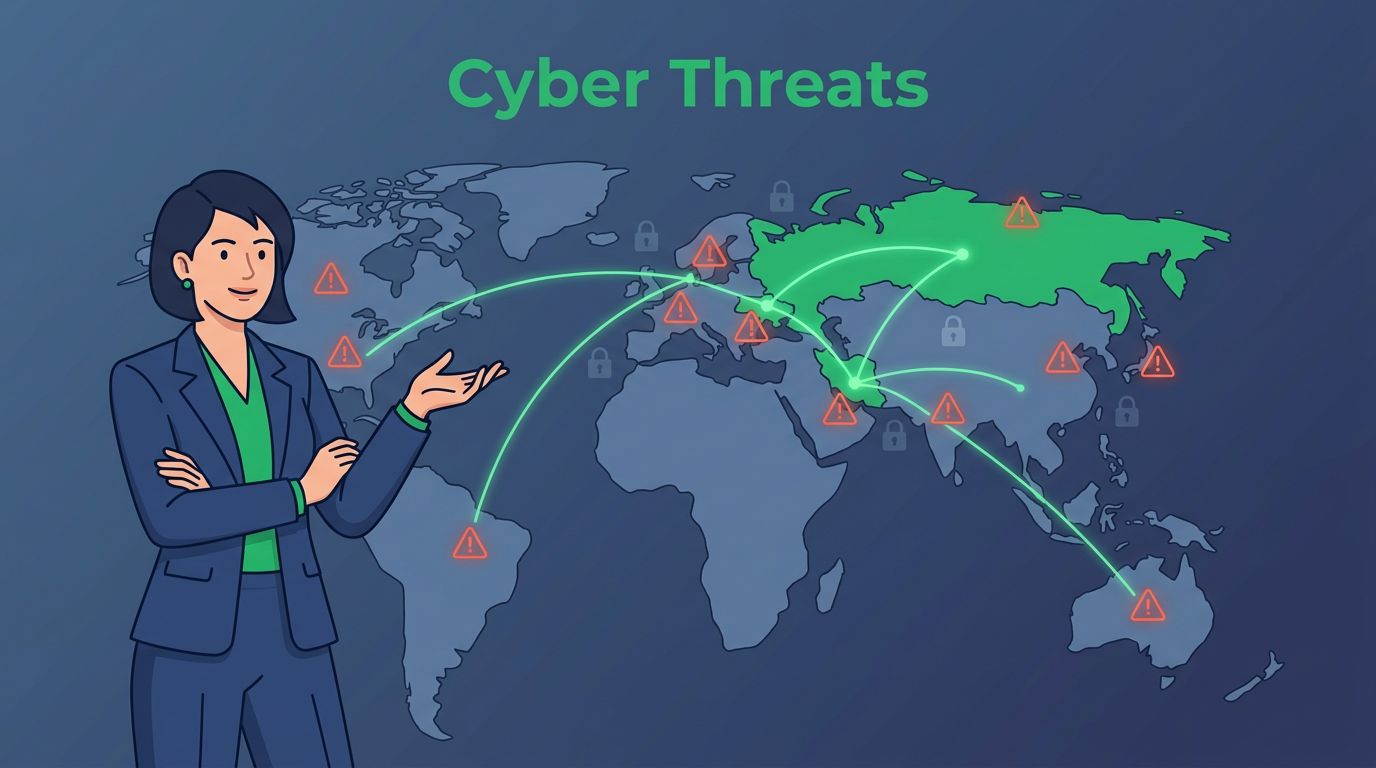
Geopolitical events often spark cyber operations. Sanctions, elections, and military moves create perfect storms. For instance, Russia’s collaboration with Iran hackers targets infrastructure in Ukraine’s supporters, as detailed in a Reuters report from April 2026. These groups share tools via Telegram for DDoS and espionage.
Military conflicts amplify risks. OpDenmark in February 2026 used DDoS to demand Denmark cut Ukraine aid. Poland’s utilities faced similar Russian probes late last year. Meanwhile, Middle East tensions drive 90,000 daily attacks on UAE systems, mostly state-sponsored.
Supply chain pressures and hacktivism add layers. North Korea steals crypto through fake jobs; influence ops target firms to sway elections. PwC notes these blend with ransomware for maximum disruption.
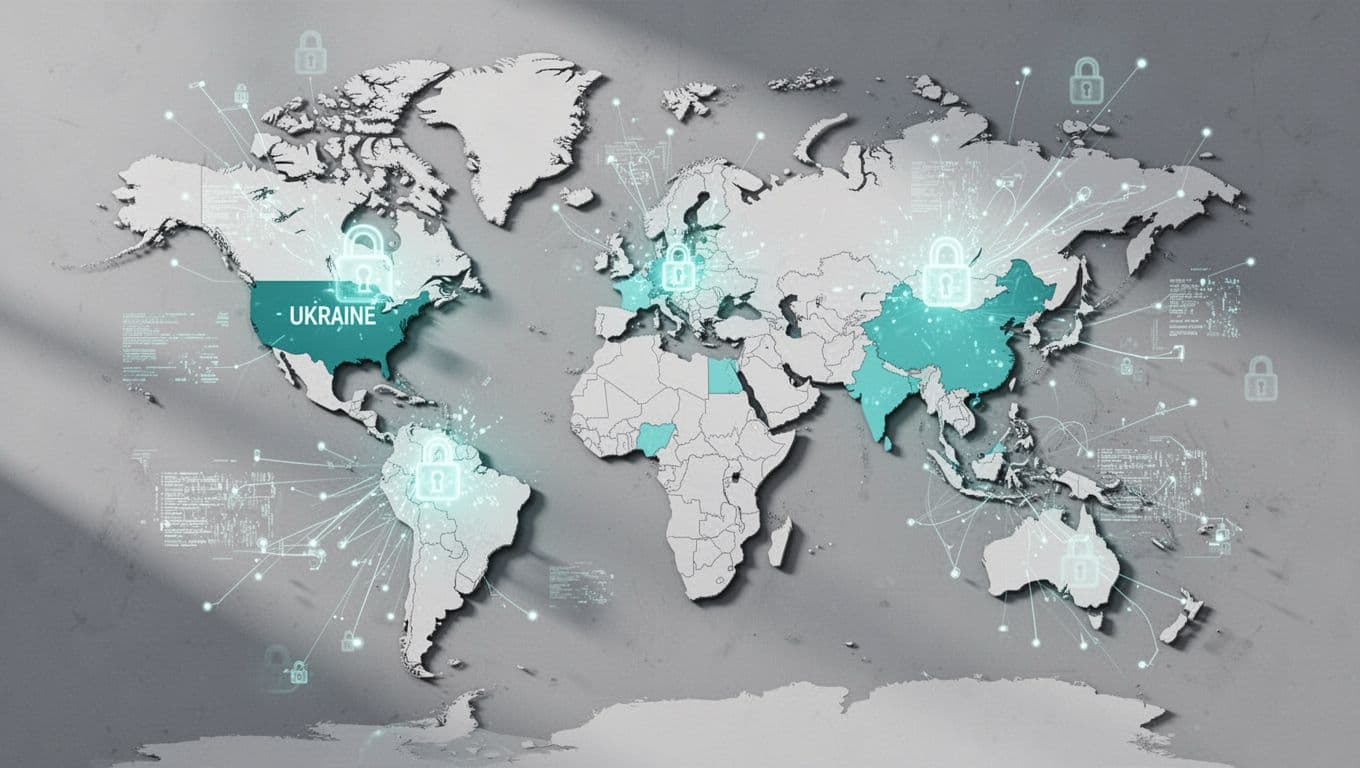
Elections heighten everything. As US midterms approach, China-linked spies probe vendors. These triggers demand vigilance because they hit critical infrastructure like power grids and ports first, then spill to enterprises.
Distinguish Threat Signals from Noise
Daily alerts overwhelm most boards. Focus on indicators tied to geopolitics instead. Look for spikes in scans from known nation-state IPs during sanctions announcements. Or sudden phishing waves after election rhetoric.
Real signals cluster. A Russian group like NoName057 ramps up before NATO meetings. Iran’s proxies hit Gulf telecoms amid Israel strikes. Contrast that with random ransomware; geopolitical ones align with news like troop movements.
Use open-source intel for context. Track state media for boasts, or forums for hacktivist calls. AI tools now automate this, but executives must interpret business ties. Does your supply chain run through affected regions?
Governance helps here. Mandate quarterly briefings linking global news to your risks. Boards that ignore this miss escalation cues, like Europe’s energy hits tied to Ukraine support.
Proven Training Methods for Executives
Short, scenario-based sessions work best. Skip tech deep dives; teach pattern recognition. Programs like Harvard Kennedy School’s leadership course on emerging tech security use cases to build non-technical skills.
Start with tabletop exercises. Simulate a Chinese supply chain hack post-Taiwan drills. Participants decide: escalate to regulators or isolate segments? PwC recommends these for CEOs to grasp defenses quickly, as in their geopolitical conflict guide.
Incorporate real 2026 examples. Discuss UK’s NCSC warnings on Russia, Iran, China attacks. Role-play responses: notify stakeholders during OpDenmark-style pressure.

Blend in guest experts from intel firms. Keep sessions under two hours, quarterly. Track progress with quizzes on signal types. This builds instinct without jargon overload.
Integrate Signals into Enterprise Risk Management
Tie cyber intel to overall risks. Update ERM frameworks with geopolitical overlays. Assign owners to monitor triggers like sanctions lists.
Communication plans matter. Pre-draft messages for disruptions. Train spokespeople on influence ops that twist facts post-breach.
Continuity demands backups beyond clouds. Test offline ops for grid-down scenarios. Escalation ladders clarify when boards step in.
Quantify impacts. A Middle East surge could delay shipments 20%. Use this to prioritize budgets.
Conclusion
Geopolitical cyber threats demand executive attention now. Train on triggers like Russia-Iran ties and Denmark pressures, spot signals amid noise, and drill responses. Your firm stays ahead by weaving this into daily governance.
Boards that act gain edge in disrupted markets. Solid plans protect revenue and reputation. For tailored advice on building these skills, Book a Discovery Call with Bud Consulting.