table of contents
Hiring a threat modeling specialist feels like a high-stakes puzzle. One weak link in your security team can expose systems to attacks that cost millions. You’ve seen general security pros handle firewalls or scans, but threat modeling demands foresight into app vulnerabilities before code ships.
These specialists spot risks in designs early. They save rework and headaches down the line. This checklist helps you separate top talent from the pack, with clear criteria and questions to use right away.
Role Essentials: Responsibilities and Fit
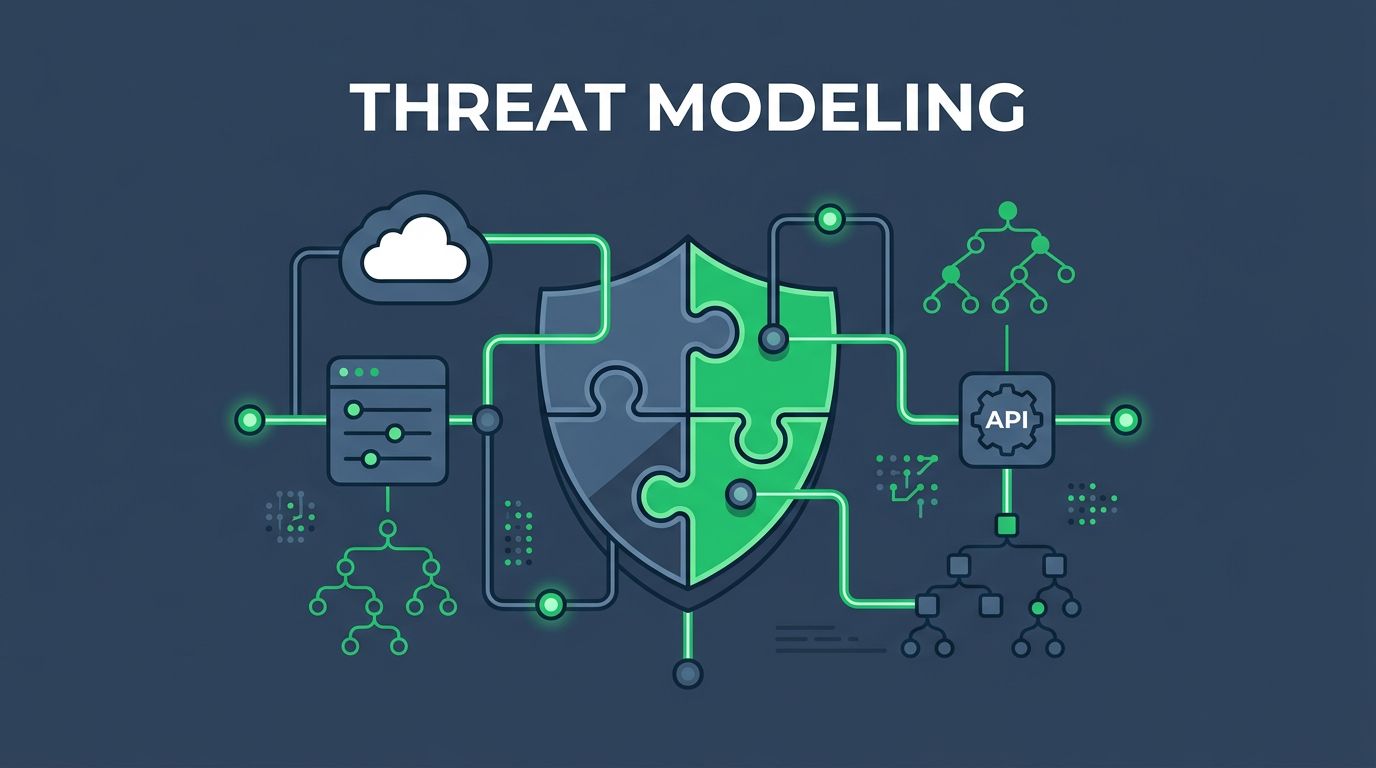
Threat modeling specialists map threats across apps, cloud setups, and APIs. They don’t just patch holes; they predict them. Expect them to lead sessions with devs and architects, turning abstract risks into fixes.
Key duties include building data flow diagrams (DFDs), attack trees, and risk reports. They integrate with secure SDLC practices, so features launch safer. A strong candidate aligns threats to business impact, not just tech specs.
Look for 5+ years in app sec or similar. They should bridge engineering and security teams. Check if they’ve scaled modeling for large projects, like microservices migrations.
Use the NIST guidance on hiring rubrics to map NICE Framework roles. It groups tasks by work roles, which fits threat modeling perfectly.
Technical Skills That Matter Most
Top specialists master specific tools and methods. Probe for hands-on use of STRIDE, which categorizes threats like spoofing or tampering. They should explain it quickly: Spoofing (S), Tampering (T), Repudiation (R), Information Disclosure (I), Denial of Service (D), Elevation of Privilege (E). Microsoft’s STRIDE overview details these categories well.
They also know PASTA for risk-focused analysis. This seven-step process simulates attacks tied to business goals. For example, VerSprite’s PASTA breakdown shows how it prioritizes threats by impact.
Test familiarity with MITRE ATT&CK for real-world tactics. They draw DFDs to visualize data paths and attack trees for exploit paths. Tools like Microsoft Threat Modeling Tool or draw.io come up often.

Distinguish them from generalists: A pentester finds bugs post-build. Your specialist prevents them in design. Ask for examples where their models blocked exploits.
Experience Markers and Red Flags
Resume scans miss depth. Dig into past roles. Did they run threat models in Agile sprints? Look for secure SDLC integration, like shift-left practices.
Verify outputs: threat reports, mitigated risks quantified (e.g., “cut high-severity findings by 40%”). Experience with cloud (AWS, Azure) or APIs sets them apart.
Soft skills count too. They communicate risks without jargon, influencing skeptical devs. Red flags include no cross-team work or vague examples.
Reference checks reveal collaboration. Peers confirm if models drove real changes.
Interview Tactics and Key Questions
Structure interviews in stages: screen, technical deep-dive, live modeling. Start with behavioral: “Walk me through a threat model you led.”
Sample questions:
- How do you decompose a system for DFDs? Expect trust boundaries and data flows.
- Using STRIDE, model a login API. Good answers hit tampering and elevation.
- Explain MITRE ATT&CK in a cloud breach scenario.
- What’s your take-home for validating a model? Suggest peer reviews or attack simulations.
For assessments, give a simple app spec. Have them build a DFD and list top threats in 90 minutes. Or live-code an attack tree.
See 55 threat modeling questions for more ideas. They cover basics to advanced.
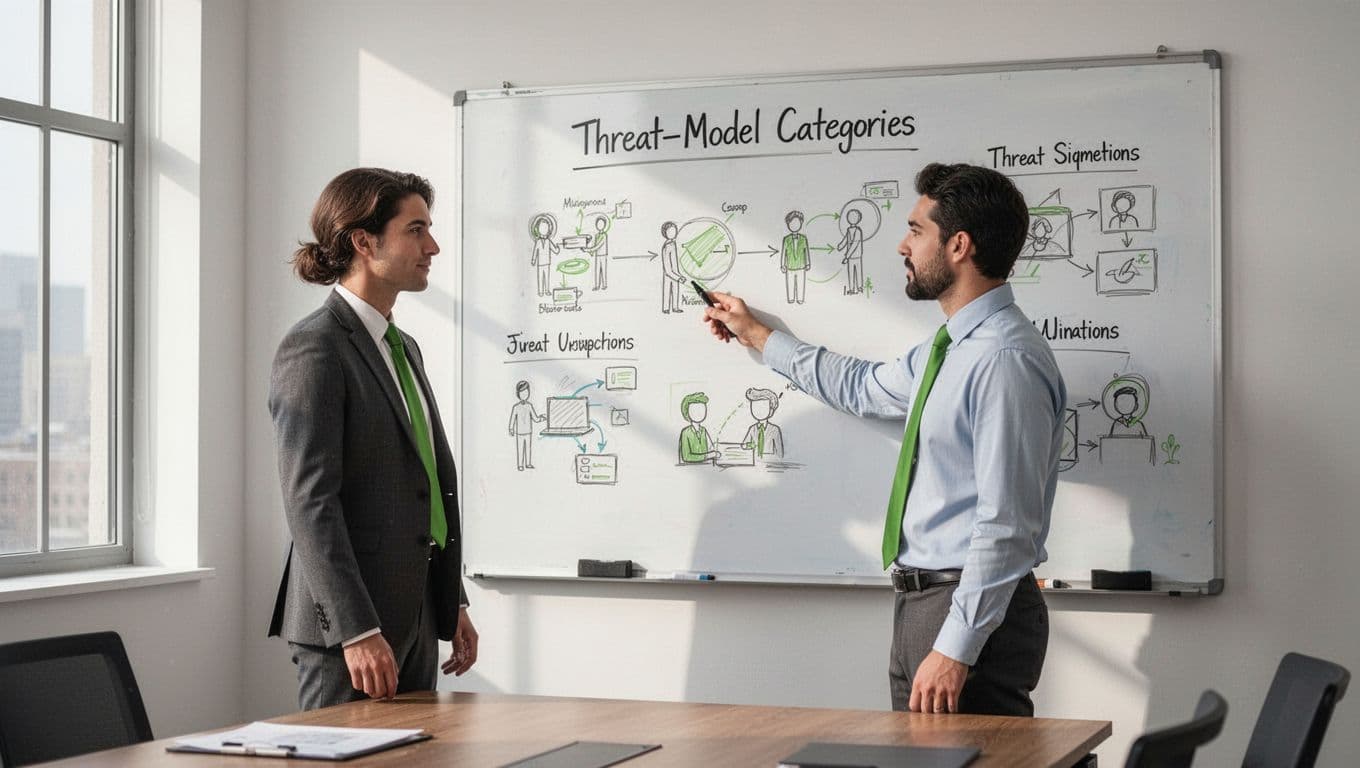
Score consistently. Use rubrics to cut bias.
Final Hiring Checklist
Run this before offers. It covers must-haves.
| Criterion | Yes/No | Notes |
|---|---|---|
| 5+ years app sec/threat modeling | ||
| Hands-on STRIDE/PASTA/DFDs | ||
| MITRE ATT&CK examples | ||
| Secure SDLC integration | ||
| Quantified impact stories | ||
| Cross-team influence proof | ||
| Live assessment passed | ||
| References verified |
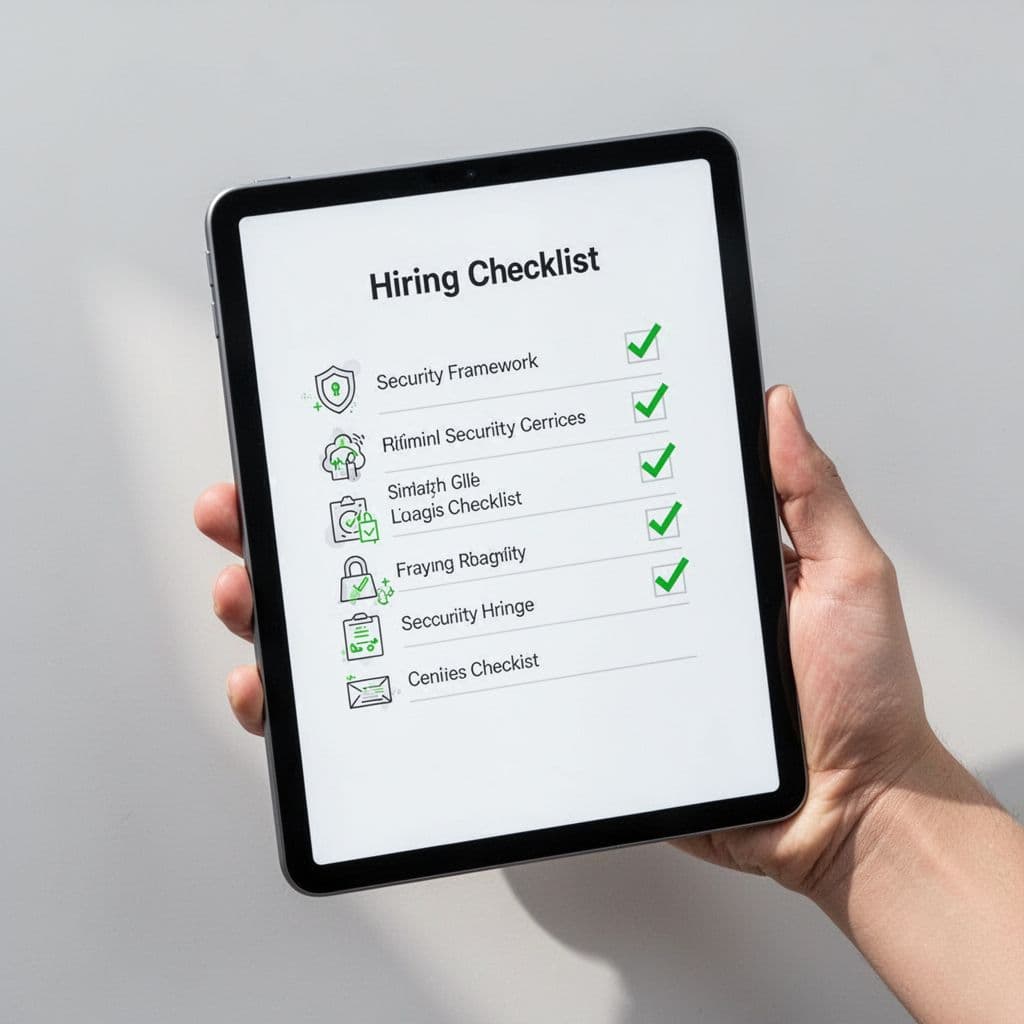
Green across the board? Proceed. This table ensures no gaps.
Secure Your Team with Confidence
Threat modeling specialists transform reactive security into proactive defense. Focus on proven modelers who quantify risks and collaborate. You’ll build resilient systems that scale.
Struggling to source them? Book a Discovery Call with Bud Consulting. They vet senior app sec talent fast.
Your next hire strengthens the whole stack. Start checking today.