table of contents
A fake software engineer fooled KnowBe4 through four video interviews and background checks. That North Korean operative nearly loaded malware on day one. Deepfakes now threaten your hiring process too.
Remote work makes it easy for imposters to slip in. They use AI videos and voices to mimic candidates. You risk data breaches and compliance issues if they gain access.
These tactics help you stop them. Start with layered checks during onboarding.
Spot the Deepfake Risk in Onboarding
Imposters target remote hires. They steal identities and craft AI videos that pass basic screens. FBI reports show over 300 US firms hired North Korean spies this way.
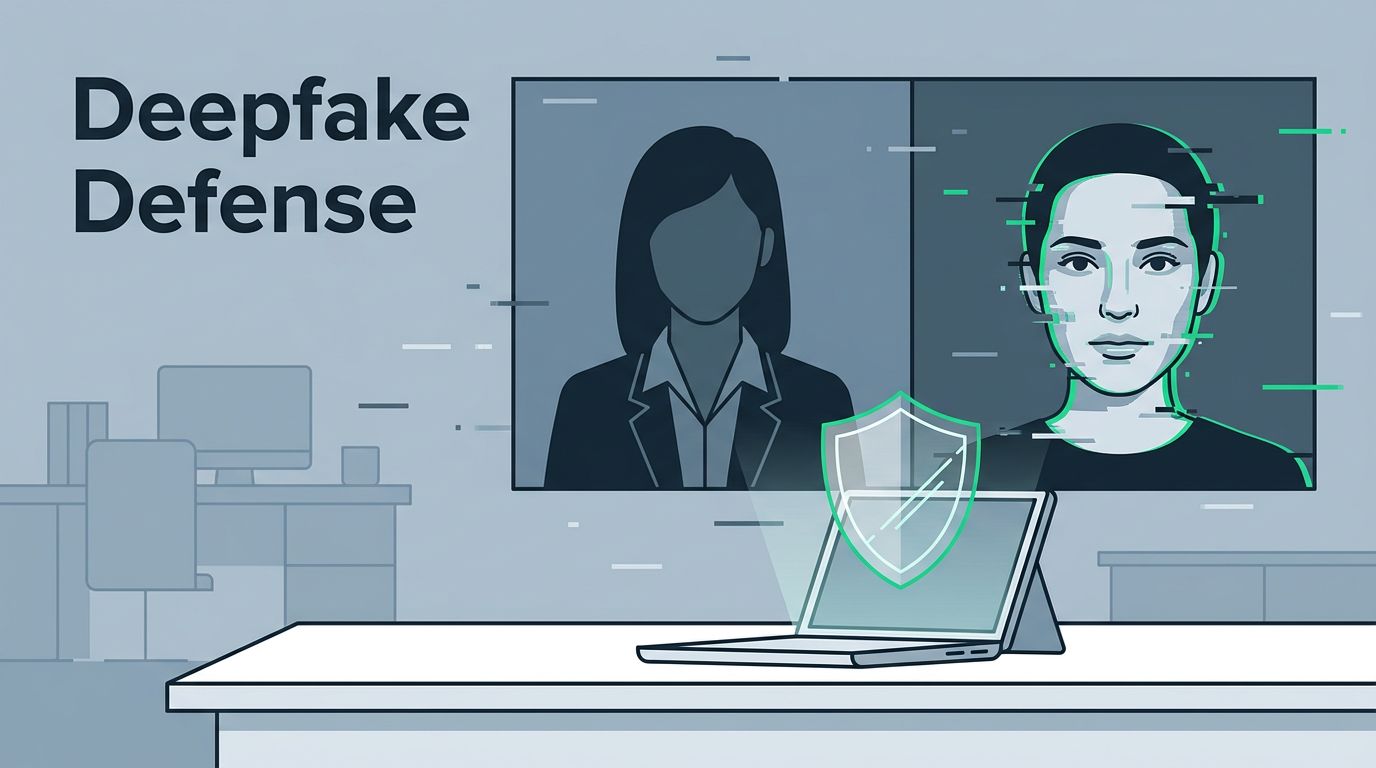
Watch for warning signs in videos. Look for unnatural blinks or lighting glitches. Voices might lag or sound off during live talks.
HR and security teams must team up. Flag candidates with thin histories or rushed timelines. One firm caught a fake after spotting mismatched eye reflections.

Gartner’s forecast warns one in four profiles could be fake by 2028. Act now to protect your systems. Simple habits catch most threats early.
Build Strong Verification Layers
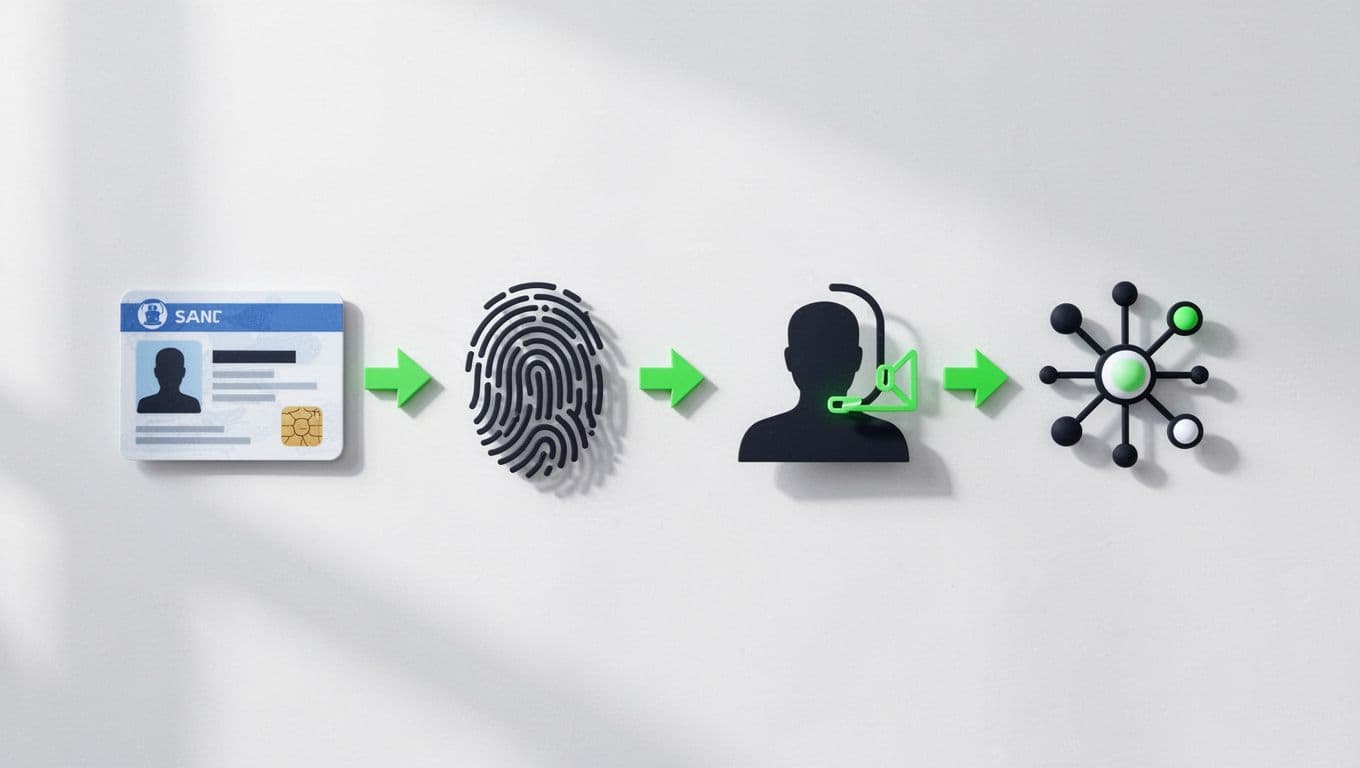
Layer checks to verify real people. Start with government ID scans. Match photos to live faces.
Add biometrics for extra proof. Tools compare facial features against documents. Cross-check with databases for stolen IDs.
For deeper info on identity proofing in hiring, check Nametag’s secure onboarding platform.
Here’s a quick comparison of verification steps:
| Step | Action | Benefit |
|---|---|---|
| ID Scan | Upload passport or license | Spots forged docs |
| Biometric Match | Face scan to ID photo | Blocks photo swaps |
| Database Check | Search public records | Flags stolen identities |
| Knowledge Quiz | Ask personal details | Confirms true owner |
These layers reduce fraud without slowing hires. Balance privacy by using compliant tools. Candidates expect secure processes anyway.
Test vendors for deepfake defense. Pick ones with real-time analysis. This keeps your pipeline safe.
Add Liveness Checks to Video Calls
Static selfies won’t cut it. Deepfakes fool them easily. Require live actions instead.
Ask candidates to blink twice or turn their head. Tools detect if it’s a video replay. Lip sync checks match words to mouth moves.
One platform uses this in onboarding flows. See Incode’s guide to hiring fraud prevention for examples.

Integrate into your ATS. It adds seconds but stops big risks. Train recruiters to spot failures right away.
Privacy matters here. Inform candidates upfront. Most appreciate the security.
Secure Video Interviews and Onboarding
Shift from single video chats. Use multiple platforms for calls. Switch apps mid-process to block pre-recorded fakes.
Assign team verifies. Have a second person join late. They ask random questions only the real candidate knows.
Ship devices to verified addresses only. Delay credentials until in-person proof. For remote roles, require office visits early.
North Korean schemes often fail at this stage. FBI laptop farm raids highlight the need. Build escalation paths too.
If something feels off, pause and report. IT can run device scans before access. This protects without alienating talent.
Train Teams and Vet Vendors
Everyone spots deepfakes. Run simulations for HR and IT. Show fake videos and quiz on glitches.
Update training quarterly. Cover new AI tricks from 2026 reports. Make reporting simple with one-click alerts.
Vet vendors carefully. Check their deepfake detection rates. Ask for compliance proofs like SOC 2.
Tools like those from Cloudflare and Nametag integrate well. They enforce checks at login.
Candidate experience stays smooth. Quick verifications build trust. You avoid negligent hiring claims.
Your Onboarding Checklist
Use this list for every hire. It covers key steps.
- Scan and validate ID documents.
- Run liveness detection on video.
- Match biometrics to records.
- Conduct multi-platform interviews.
- Cross-check references and digital footprints.
- Ship assets to confirmed addresses.
- Train on fraud signs before day one.
Print it or add to your workflow. Review after each cycle. Adjust based on threats.
Key Takeaways for Secure Onboarding
Layered checks stop most deepfakes. Combine tech like liveness with human smarts. Training turns your team into spotters.
You protect data and comply with rules. Candidates get a fair, fast process. Risks drop fast.
North Korean cases prove the stakes. But these steps work now. Book a Discovery Call with Bud Consulting to tailor them for your firm.
Start today. Your next hire depends on it.