table of contents
Mergers promise growth. But they often expose security gaps that attackers exploit. You’ve seen it: teams from different companies clash over policies, tools, and habits right after the deal closes.
Post-merger chaos hits security hard. Conflicting rules lead to blind spots. People revert to old ways, and risks pile up. These checklists help you align teams fast. They cover people and processes to build a shared security mindset.
Start with the friction points. Then use checklists to fix them.
Post-Merger Security Friction Points
Teams bring their own security habits into a merger. One side runs tight phishing drills weekly. The other skips them for “business speed.” Shadow IT pops up because tools don’t match. Duplicated software creates confusion over who owns what.
Unclear incident ownership slows responses. Say Company A logs alerts in Jira. Company B uses Slack. An alert slips through. No one acts because roles blur.
These issues aren’t just technical. They stem from culture. Leaders must own security, or it fails. For example, security due diligence in M&A shows clashing cultures drive most integration failures. People feel the tension first.

Picture two teams at a table. One side looks secure. The other seems lost. That’s your merger without quick fixes.
Address these early. Map policies side by side. Spot duplicates. Assign owners now. This cuts risks before they grow.
Core Security Culture Checklists
Checklists make alignment simple. They guide teams through human and operational steps. Use them in kickoff meetings. Assign tasks with deadlines.
Here’s a policy alignment checklist:
- List all security policies from both companies.
- Compare access rules, data handling, and encryption standards.
- Pick the stricter rule or merge them.
- Get leadership sign-off within two weeks.
- Train everyone on the new set.
Next, tackle training unification:
- Review phishing and awareness programs.
- Schedule joint sessions for all staff.
- Track completion rates weekly.
- Quiz users on basics like password rules.
For tool consolidation:
- Inventory software like email filters and SIEM tools.
- Test one unified stack.
- Migrate data in phases.
- Document access for the new setup.
Finally, incident response ownership:
- Define roles: who detects, who responds, who reports.
- Run a tabletop exercise together.
- Update playbooks with both teams’ input.
These steps build habits. They turn “us versus them” into “we.”

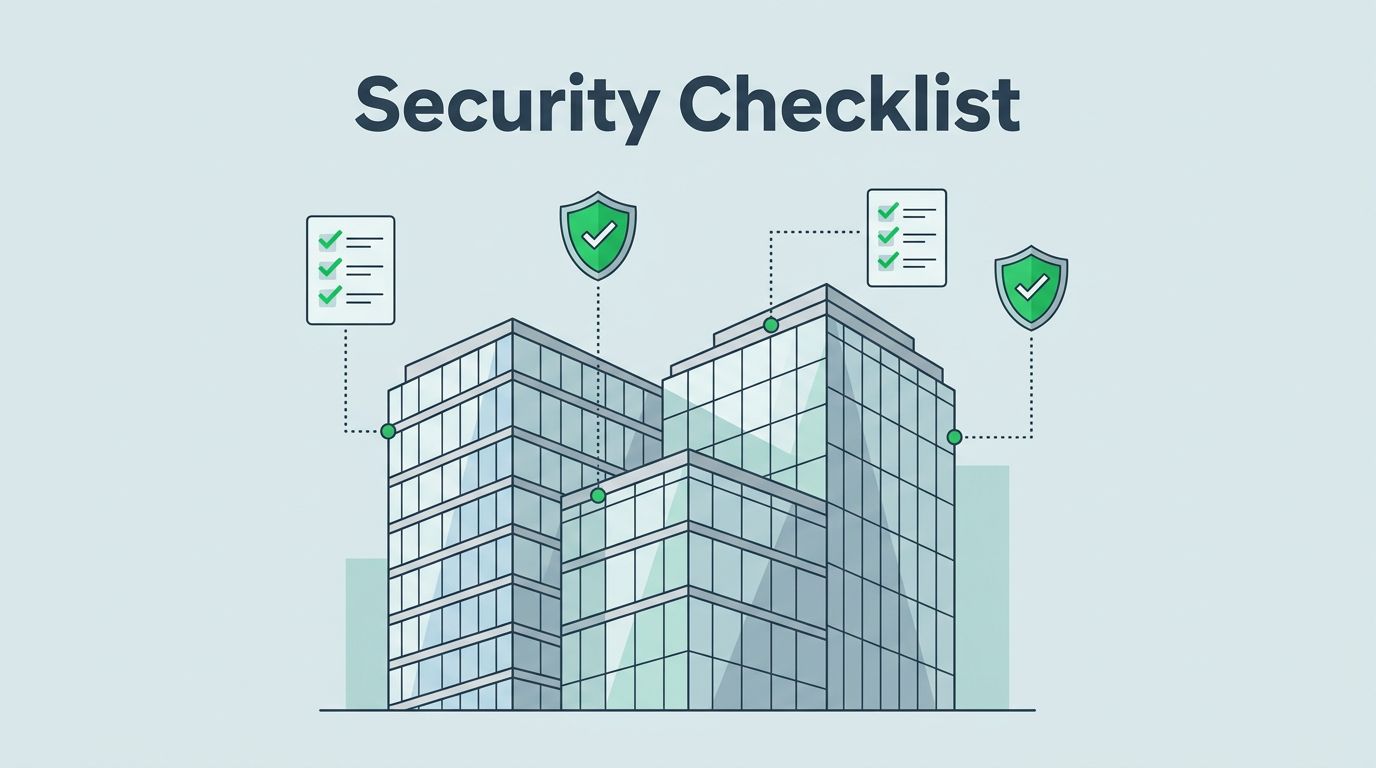
A checklist like this on the table keeps talks focused. Teams check off wins as they go.
Roll them out in workshops. Repeat quarterly. This embeds security into daily work.
Step-by-Step Guide to Rollout
Start with a cross-team workshop. Invite CISOs, IT leads, and reps from both sides. Day one: share friction points.
Step 1: Audit current states. Use surveys to gauge awareness. Ask: “Who handles alerts here?”
Step 2: Prioritize checklists. Fix shadow IT first if it’s rampant. Policies next.
Step 3: Assign buddies. Pair old and new team members. They co-own one checklist item.
Step 4: Communicate wins. Share progress in all-hands. Celebrate unified training completions.
Step 5: Integrate into onboarding. New hires get the merged checklists from day one.
Test with a mock incident. See if ownership holds. Adjust based on feedback.
This process works because it involves people. It shows security as a team effort, not a chore.
Common Mistakes to Avoid
Rushing integration tops the list. Skip audits, and gaps hide. One firm merged without tool checks. Shadow IT doubled attacks.
Another error: ignoring human side. Technical fixes fail if teams resist. Force policies without buy-in, and compliance drops.
Don’t duplicate efforts. Two SIEMs waste time. Pick one fast.
Overlook executives. If leaders skip training, staff follows. Mandate their participation.
Skip measurement. Checklists alone don’t prove change. Track metrics or assume success.
Microsoft’s M&A security tips warn against poor visibility early. Act on these pitfalls now.
Measuring Security Culture Success
Numbers show if checklists stick. Set baselines pre-merger. Track changes monthly.
Key metrics include:
- Training completion: Aim for 95% within 30 days.
- Phishing click rates: Drop by 50%.
- Incident response time: Under four hours.
- Survey scores: “Security is my job” at 80% agreement.
Use dashboards for visibility.

Dashboards like this spotlight trends. Green bars mean progress.
Run anonymous pulse surveys. Ask about policy clarity. Low scores trigger reviews.
If metrics lag, revisit checklists. Tie bonuses to culture goals. This drives adoption.
Need help with metrics or rollout? Book a Discovery Call with Bud Consulting.
Key Takeaways
Security culture checklists unify post-merger teams. They fix frictions like policy clashes and tool chaos. Focus on people first.
Measure with clear metrics. Training rates and response times tell the real story.
Act now. Strong culture cuts risks and builds trust. Your merged team will thank you.
(Word count: 982)