table of contents
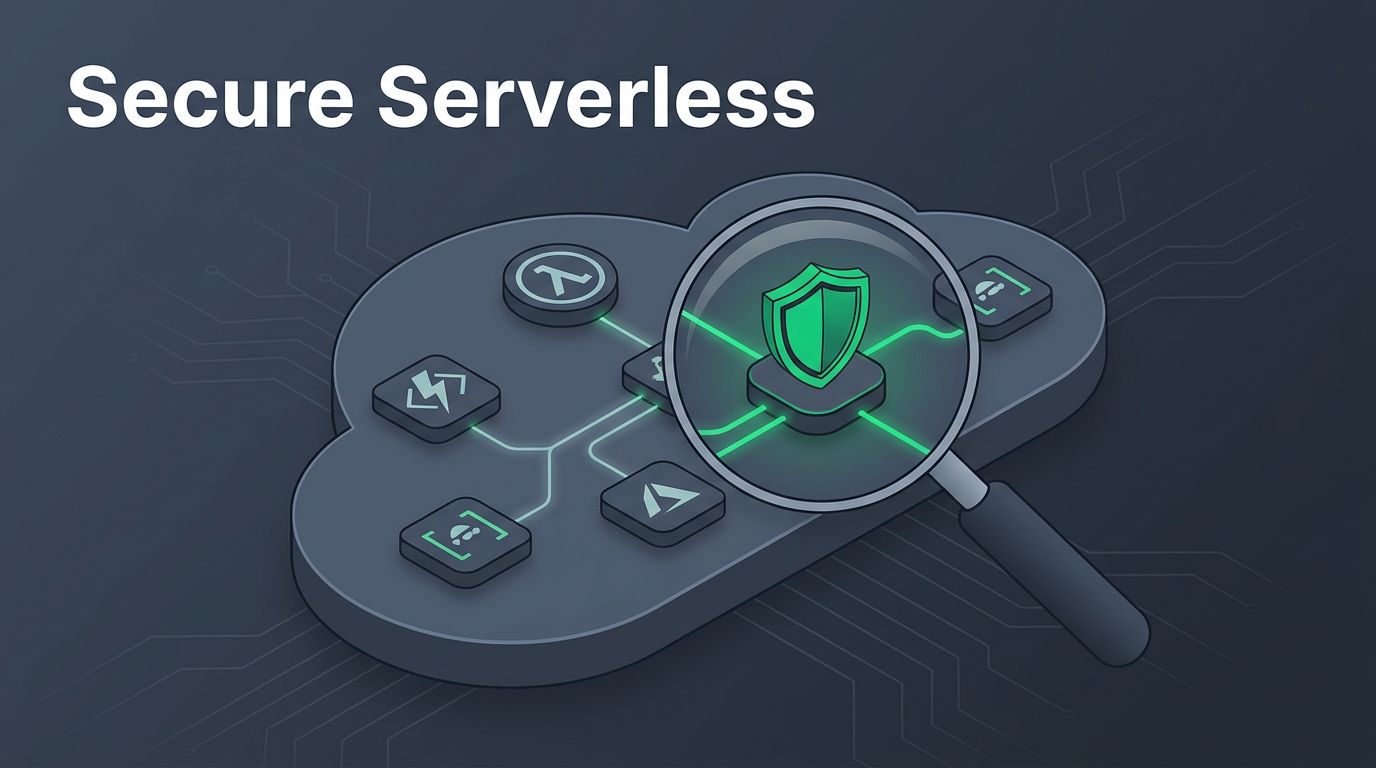
Serverless compute scales fast. You deploy code that runs on demand, like AWS Lambda or Azure Functions. But ephemeral functions create blind spots. Attackers exploit them because traditional scans miss short-lived assets.
Security teams struggle here. Functions spin up, process events, and vanish. Risks hide in IAM roles or event triggers. Serverless CTEM fixes this. It maps exposures continuously and prioritizes real threats.
These playbooks show you how. Follow them to build workflows that match serverless speed.
Core Workflow for Serverless CTEM
Serverless CTEM cycles through five steps: scope, discover, prioritize, validate, and mobilize. In practice, you run it hourly. Tools pull from cloud APIs, no agents needed.
Start with scoping. List critical functions tied to revenue apps. For example, a payment processor on Lambda handles spikes. Ignore dev sandboxes first.
Discovery grabs everything. Lambda lists functions via AWS CLI. Azure queries Functions endpoints. Google Cloud scans Cloud Functions. Combine with EASM tools for exposed APIs.
Prioritization scores by exploitability. A weak IAM role beats a patched CVE.
Validation tests attacks safely. Simulate SSRF on a function to check controls.
Mobilize assigns fixes. Auto-revoke perms or patch code.
Teams using this cut breaches by three times, per Gartner data from 2026. It shifts from scans to proof.
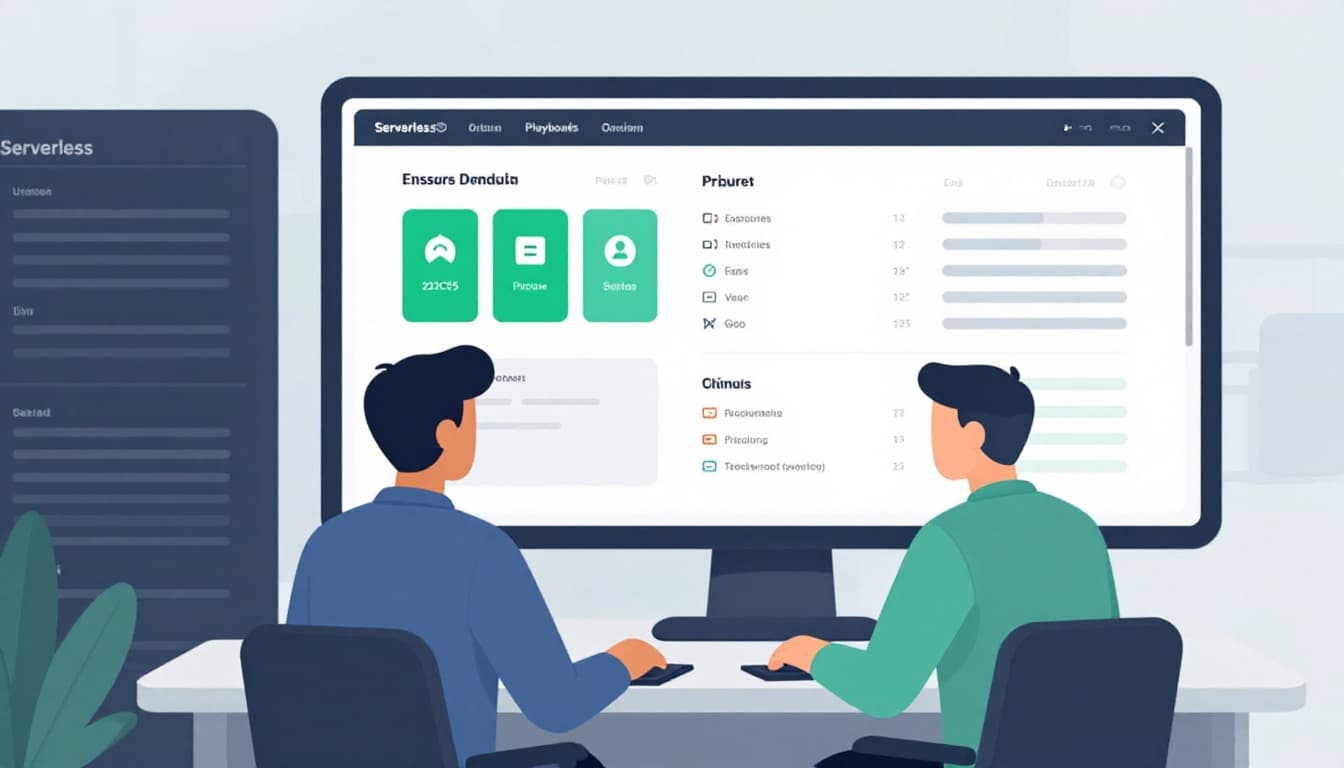
This dashboard view helps. It shows functions, risks, and next actions at a glance.
Recent Lambda issues highlight needs. CVE-2026-40175 hit Docker images. Attackers stole creds via SSRF. CTEM caught these early in pilots.
Asset Inventory Playbook
Build inventory first. Serverless assets flicker. Daily scans fail. Go hourly.
Use cloud APIs. AWS: aws lambda list-functions. Filter by tags like “prod”. Azure: PowerShell queries Functions. GCP: gcloud functions list.
Tag everything. Add owner, env, criticality. Lambda supports key-value tags. Script it in CI/CD.
Integrate tools. IONIX or CyCognito discover shadow functions. They hit APIs and map IAM paths.
Handle ephemerals. Track EventBridge rules or API Gateway ties. These trigger functions indirectly.
Decision criteria: Alert on untagged assets over 24 hours. Block deploys without tags via SCPs.
Example workflow:
- Cron job runs API pulls every hour.
- Normalize data: Function name, runtime, last invoke, perms.
- Feed to CMDB like ServiceNow.
- Dashboard flags drifts, like new functions without owners.
OWASP’s serverless security cheat sheet lists common misses, like over-perms.
Outcomes: Full view in minutes. One team found 40% rogue Lambdas this way.
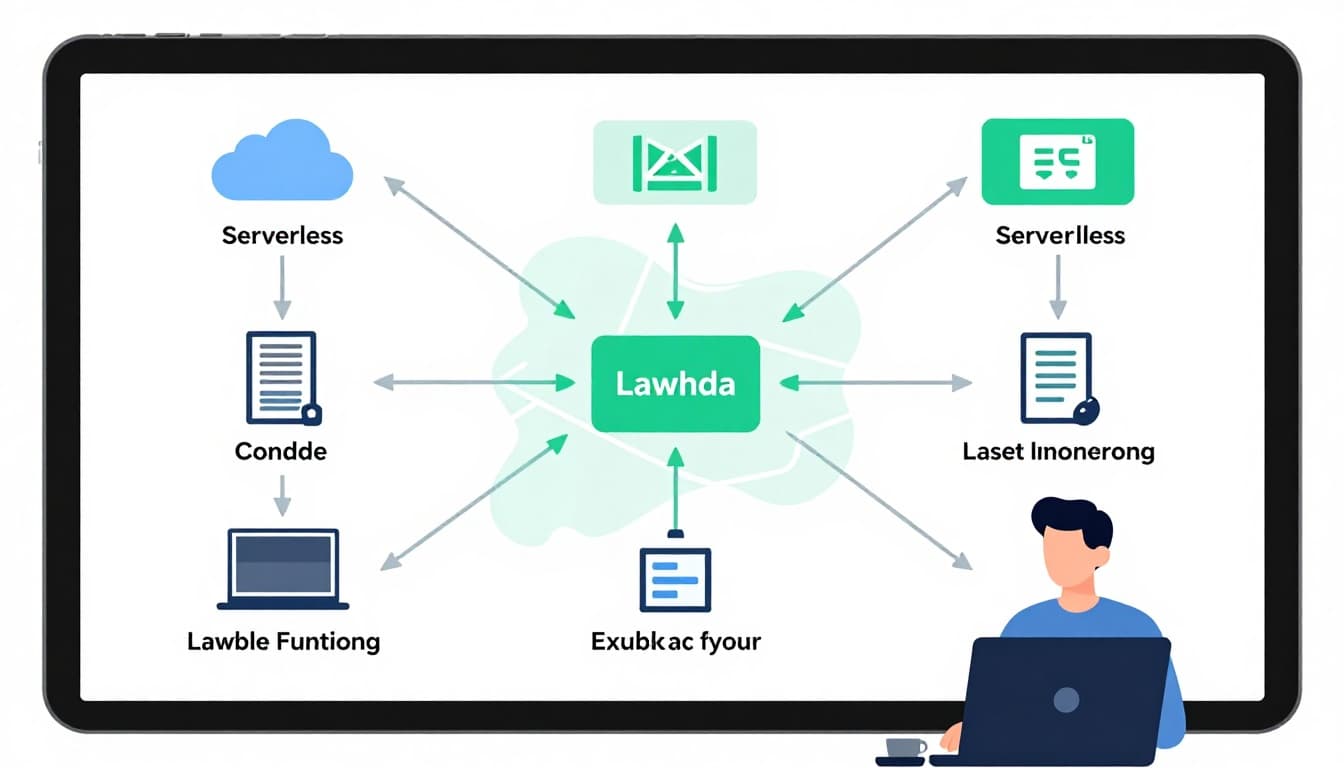
This flow maps Lambda icons to a central inventory.
Compare to VMs: VMs stay put. List via agents. Serverless needs API pulls because no persistent hosts.
Serverless vs Traditional Compute Security
Serverless differs from VMs or containers. VMs run steady. You patch OS weekly. Containers last hours but cluster-based.
Serverless functions last seconds. No OS access. Provider handles patching, but code and perms are yours.
Key differences:
| Aspect | VMs | Containers | Serverless |
|---|---|---|---|
| Lifecycle | Days/weeks | Hours | Seconds |
| Discovery | Agent scans | Orchestrator APIs | Cloud APIs |
| Patching | Manual OS | Image builds | Code deploys |
| Monitoring | Host metrics | Pod logs | Invoke traces |
| Common Risk | Unpatched kernel | Image vulns | IAM over-perms |
VMs need runtime agents. Containers use eBPF like Sysdig. Serverless relies on CloudTrail logs and X-Ray traces.
In 2026, Lambda SSRF stole creds because functions fetched internal metadata. VMs block this with firewalls.
Serverless wins on scale. No idle costs. But exposures grow with functions. One team had 5,000 Lambdas; half exposed.
Adapt CTEM: VMs prioritize CVEs. Serverless eyes identity first. Weak roles pivot to S3 buckets.
Qualys notes serverless risks shift to identity. Fix with least-priv IAM.
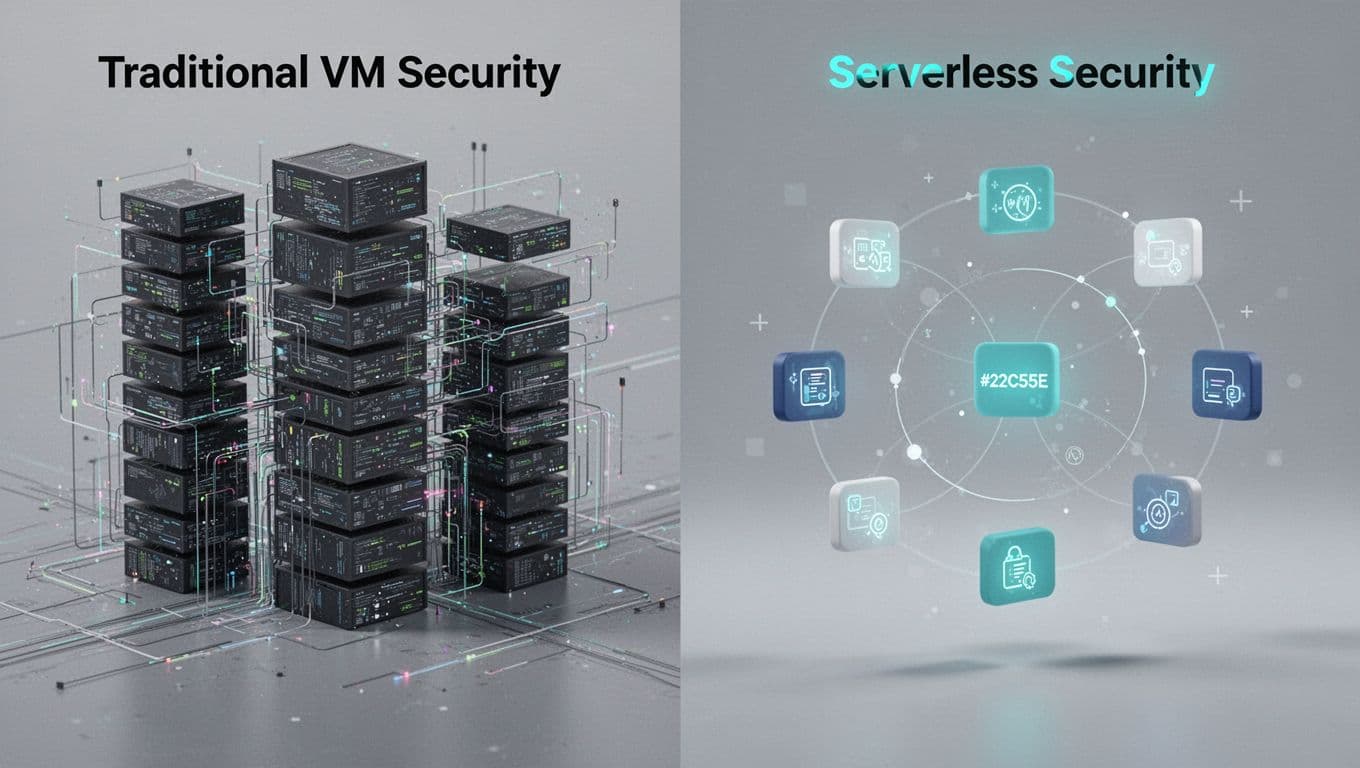
VMs pack heavy monitoring. Serverless stays light and event-driven.
Prioritizing Exposures in Serverless
Not all risks equal. Score by business impact and exploit path.
Build a matrix. Axes: Exploitability (high if public API) and impact (ties to customer data).
Decision criteria:
- High: Public function with admin IAM, recent invokes.
- Medium: Internal trigger, broad perms.
- Low: Read-only, no net access.
Use MITRE ATT&CK for serverless. Map to Execution or Privilege Escalation.
Tools like Wiz correlate runtime data. Hourly scans flag drifts.
Example: Lambda with S3 write-all. Prioritize if invoked daily.
Workflow:
- Inventory feeds matrix.
- Score: CVSS + perms breadth + business tag.
- Top 10% get validated same day.
AttackIQ’s CTEM maturity playbook scores programs this way.
Measurable: Reduce high risks 50% quarterly.
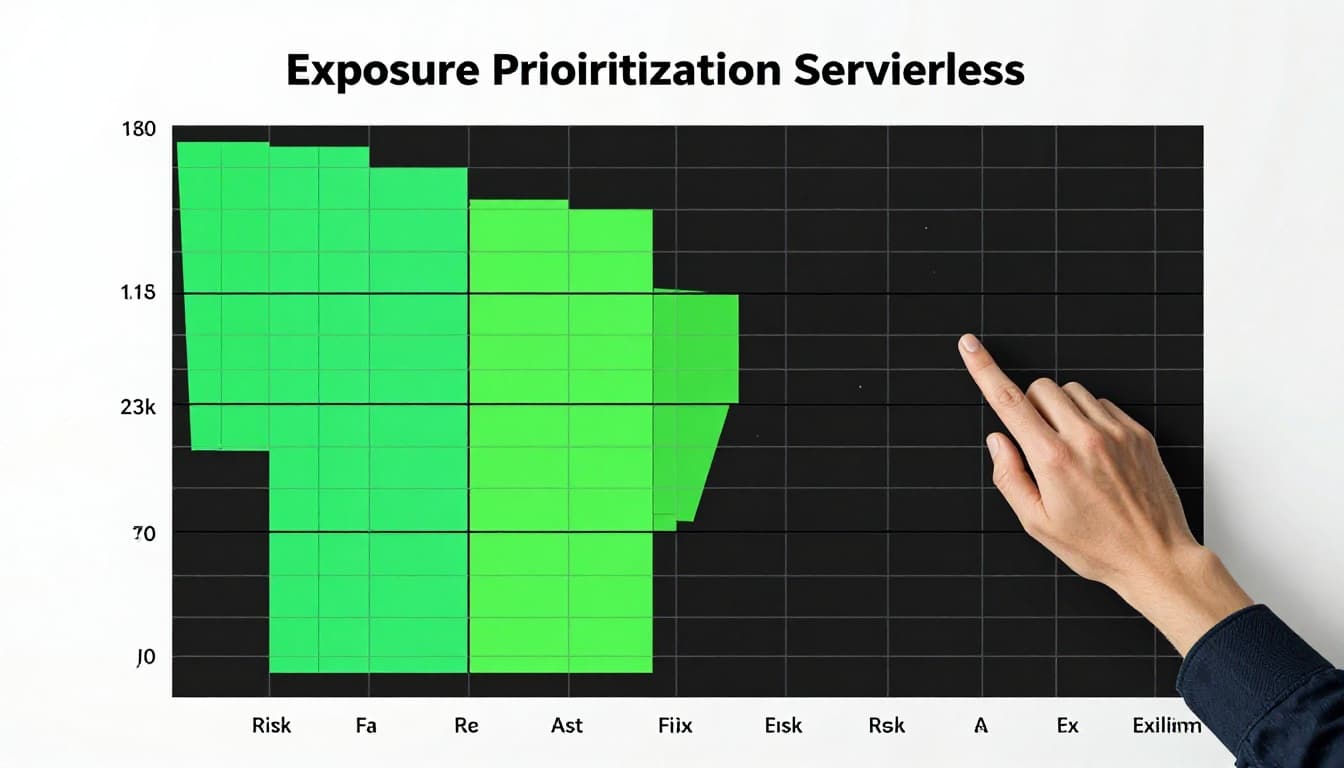
Point to high-risk zones first.
Containers prioritize images. Serverless adds event chains.
Validation Methods for Serverless
Test if exposures work. Simulate attacks without harm.
Agentless BAS tools like CyCognito hit functions. Send crafted events via API Gateway.
Methods:
- SSRF sim: Curl internal metadata from function.
- IAM abuse: Invoke chained functions.
- Code injection: Test unvalidated inputs.
Run post-deploy. CI/CD gates pass only if clean.
Logs prove it. CloudTrail shows attempts.
For Azure Functions, use Durable Functions tests. GCP: Eventarc triggers.
2026 Lambda flaws needed this. Docker CVEs validated via sims.
Outcomes: False positives drop 70%. Focus fixes.
Integrate with SOAR. Validated risk tickets Jira.
Telemetry and Ownership Mapping
Collect signals. Enable Lambda Insights, Azure Monitor, Cloud Logging.
Key metrics: Errors, duration, cold starts. Alert on spikes.
Map ownership. Tags link to teams. AWS: resource tags propagate.
Slack notifies owners. “Your Lambda XYZ has broad S3 access.”
Workflow: Discovery tags owners. Prioritize by team SLA.
SLAs: Critical fixes in 24 hours. Medium 72.
Compare VMs: Ownership via CMDB. Serverless tags enforce it.
Remediation SLAs and Playbooks
Fix fast. Auto where possible.
Playbooks:
- Revoke IAM: Lambda console or CLI.
- Code patch: PR with validation.
- Rotate secrets: Secrets Manager.
Event-driven: GuardDuty alert triggers Lambda fixer.
Ownership tags route tickets.
SLAs by risk:
| Risk | SLA | Owner Action |
|---|---|---|
| Critical | 24h | Revoke + validate |
| High | 72h | Patch code |
| Medium | 7d | Review perms |
C3M’s playbooks for cloud inspire custom Lambdas.
Track MTTR. Aim under 48 hours average.
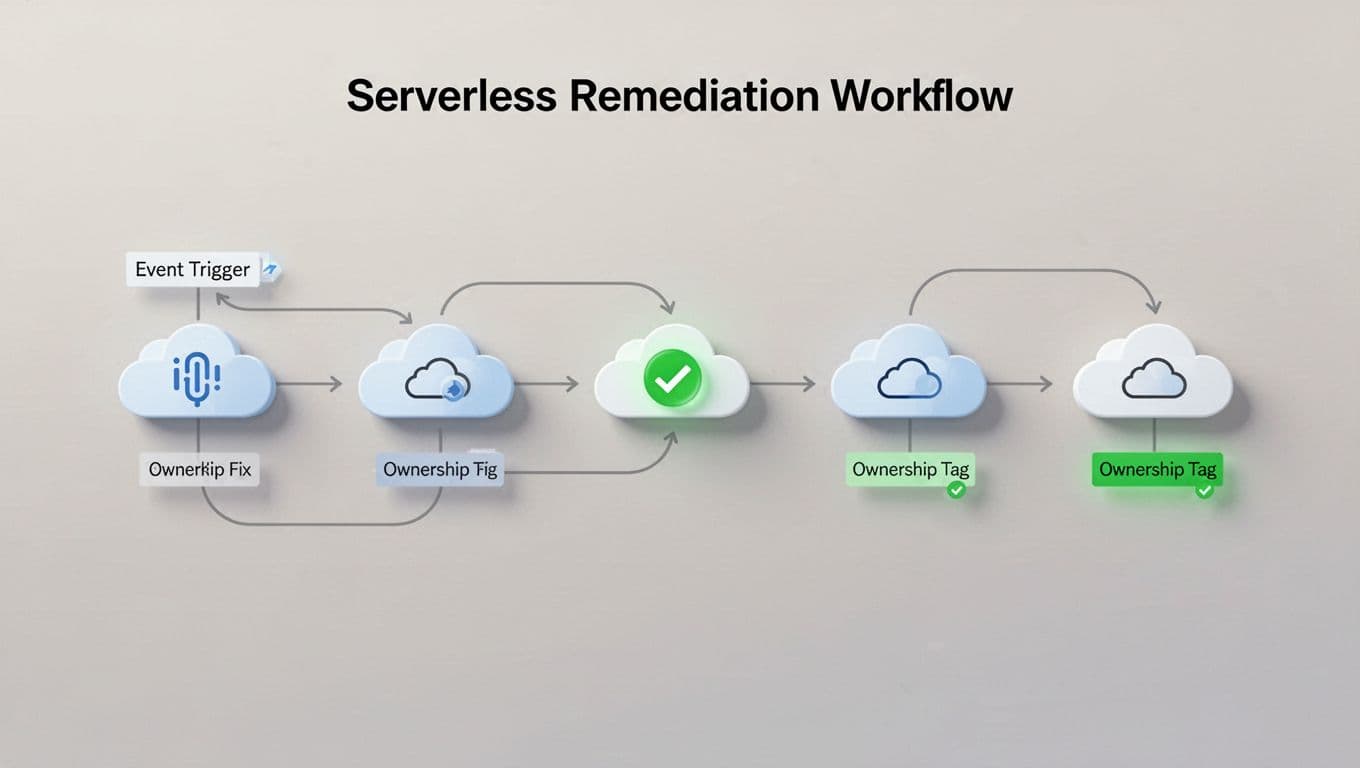
Triggers lead to tagged fixes.
Conclusion
Serverless CTEM playbooks match compute speed. Inventory APIs, prioritize IAM, validate sims, and SLA fixes.
You cut real risks now. Teams see three times fewer breaches.
Scale secure. If gaps persist, book a discovery call with Bud Consulting for tailored advice.
Your functions run safer. Start one playbook today.