table of contents
Quantum computers loom closer each year. They threaten to break the encryption that protects your data today. As a CTO or hiring leader, you face pressure to act before “harvest now, decrypt later” attacks hit.
In 2026, demand surges for engineers who build quantum-resistant systems. These pros safeguard finance records, government secrets, and health data from future threats. This guide shows you how to spot, hire, and integrate them without wasting time or budget.
You will find practical steps on skills, interviews, and team fit. Let’s get into what makes these hires essential right now.
Why Your Organization Needs Quantum Cryptography Engineers in 2026
Threats from quantum computers grow real. Current systems like RSA and ECC fall to algorithms such as Shor’s. Attackers grab encrypted data now and crack it later with quantum power expected by the 2030s.
Hiring stays urgent because governments push hard. The US National Quantum Initiative pours $1.2 billion into defenses. NIST finalized post-quantum standards like CRYSTALS-Kyber and CRYSTALS-Dilithium. Companies must migrate fast or risk breaches.
Job market data backs this. Demand rises 35% yearly through 2035. Over 10,000 quantum roles open each year, with cryptography spots hottest in defense, finance, and telecom. Remote options climb 25% since 2023, but defense work clusters in DC, San Francisco, and Boston.
Salaries reflect scarcity. Entry-level pays $85,000 to $120,000. Seniors in finance hit $150,000 to $200,000 plus. Government caps lower at $90,000 to $120,000, yet private firms offer 20-30% more.
Major players hire aggressively. Defense contractors lead PQC teams. Banks prioritize quantum-safe ledgers. Tech giants and pharma build secure networks. Check Quantum Jobs List for cryptography careers to see live postings.
Delay costs more than salaries. A breach from weak crypto dwarfs hiring expenses. Start now to beat the rush.
What Quantum Cryptography Engineers Do Day to Day
These engineers focus on practical security. They implement algorithms that resist quantum attacks on classical hardware. No need for quantum labs in most roles.
Daily tasks include auditing systems for vulnerabilities. They swap RSA keys for Kyber in TLS protocols. Or they test Dilithium signatures against simulated quantum foes.
They also build hybrid setups. Current crypto pairs with post-quantum methods during transitions. This keeps services running while upgrading.
In teams, they advise on compliance. Regulations like GDPR or FedRAMP demand quantum readiness plans. Engineers document migrations and run risk assessments.
Research plays a smaller part. Most jobs center on deployment, not theory. They code libraries, integrate with cloud services, and monitor for side-channel leaks.

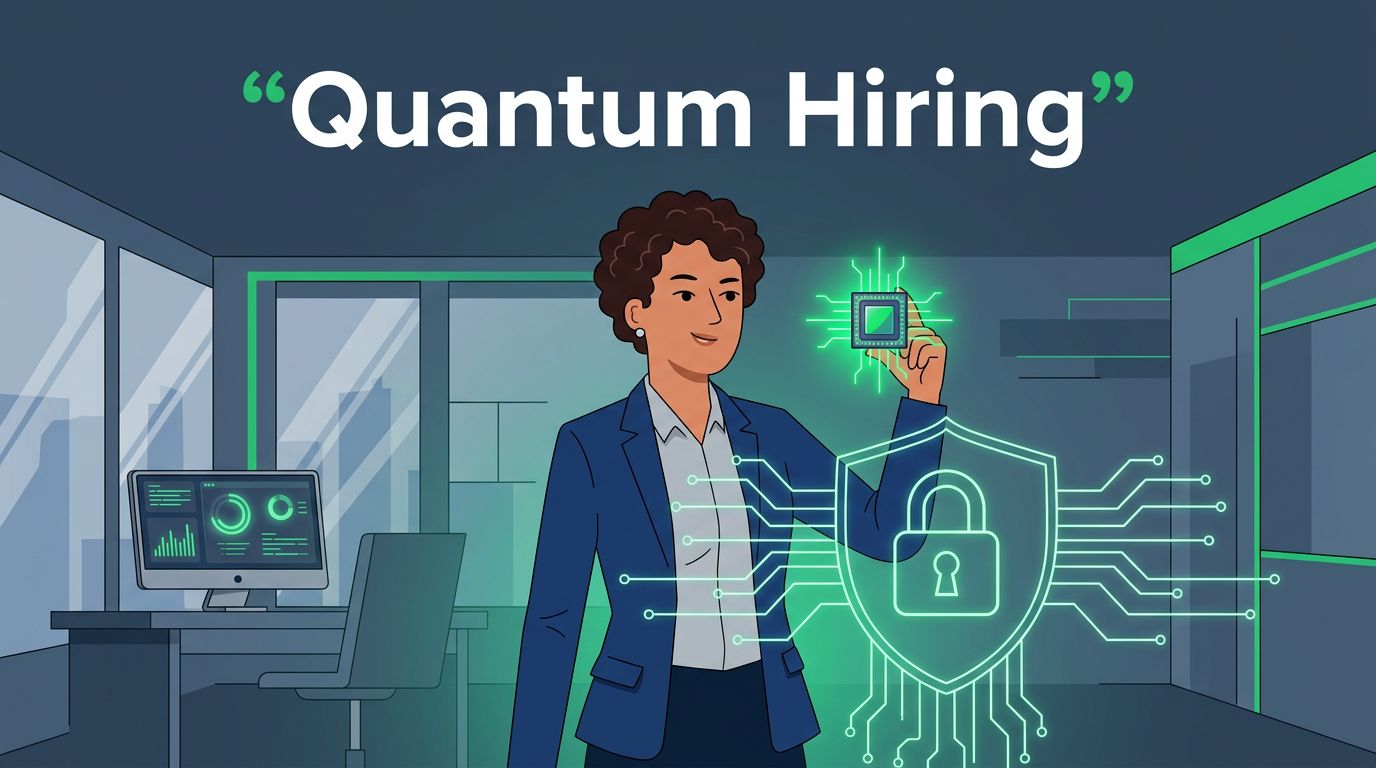
Picture a typical setup. An engineer reviews code for PQC integration. They simulate attacks and patch flaws before launch.
Outcomes matter most. Strong hires cut breach risks and speed compliance. They turn abstract threats into concrete defenses.
Post-Quantum Cryptography Engineers vs. Quantum Cryptography Engineers
Terms confuse hires. Post-quantum cryptography (PQC) engineers dominate 2026 jobs. They craft math-based algorithms safe on regular computers. Think Kyber for keys, Dilithium for signatures. No quantum hardware required.
Quantum cryptography engineers handle physics-based tools. Quantum key distribution (QKD) uses photons for unbreakable keys. But QKD needs special fiber networks or satellites. It’s rare outside labs.
You likely need a PQC engineer for broad upgrades. They fit software stacks now. QKD suits niche secure comms, like military links.
Hybrids exist too. Some roles blend both. But postings split clear. PQC fights “harvest now” risks. QKD eyes perfect secrecy later.
For details, see Synopsys on quantum vs. post-quantum differences. PQC wins for practicality.
Hire PQC first. Quantum specialists follow if you build networks. Match role to your timeline and tech.
Must-Have Skills for Quantum Cryptography Engineers
Core skills split into must-haves and nice-to-haves. Prioritize implementation over theory.
Must-haves include solid cryptography basics. Know AES, RSA, ECC, and hash functions. Understand lattice-based math for PQC. NIST standards top the list.
Programming leads. Python handles simulations and prototypes. C++ or Rust builds high-performance libraries. Expect OpenSSL, libsodium, or PQCRYPTO tools.
Security practices matter. Experience with side-channel attacks, key management, and protocol design. Familiarity with TLS 1.3 or PKI helps.
Backgrounds vary. Bachelor’s in computer science, math, or cybersecurity suffices. Master’s boost chances. PhDs suit research, not most engineering spots. Cyber pros transition easy with PQC training.
Nice-to-haves add edge. Quantum basics via Qiskit. Cloud crypto like AWS KMS. Clearance for gov work.

Tools like these fill desks. Code editors show Kyber tests. Papers outline proofs.
Screen for hands-on proof. GitHub repos with PQC forks signal strength. Avoid pure theorists.
| Skill Category | Must-Have Examples | Nice-to-Have Examples |
|---|---|---|
| Crypto Knowledge | Lattice math, NIST PQC (Kyber, Dilithium) | QKD protocols |
| Programming | Python, C++/Rust | Qiskit, MATLAB |
| Security | Side-channels, PKI | Quantum simulators |
| Soft Skills | Problem-solving | Explaining to non-tech |
This table guides reviews. Must-haves ensure baseline fit.
Ideal Backgrounds and Portfolio Signals
Look for applied experience first. Industry vets from cybersecurity firms shine. They know real-world deployments.
Academic paths work too. Math or physics grads with crypto electives adapt fast. Bootcamps fill gaps for switches.
Portfolios reveal truth. Seek open-source PQC contributions. Forks of liboqs or OQS-OpenSSH count big.
Red flags include no code samples. Or focus on quantum hardware over software crypto.
For career paths, review Quantum Computing Jobs on becoming a quantum cryptography engineer.
Clearance helps in defense. But private sector cares less.
Strong candidates mix crypto depth with engineering grit.
Team Placement and Compliance Considerations
Fit these engineers thoughtfully. In security teams, they lead crypto migrations. Report to CISO or app sec head.
Research groups suit algorithm tweaks. Infrastructure teams handle network-wide rollouts.
Startups embed one in engineering. Enterprises form PQC pods across dev, ops, sec.
Compliance drives placement. PCI-DSS, HIPAA demand audits. Engineers map exposures and certify fixes.
Security clearances matter for fed contracts. Vet backgrounds early.
They collaborate wide. Train devs on new APIs. Align with architects on hybrids.
Right spot maximizes impact. Poor fit wastes talent.
Screening Questions, Interviews, and Red Flags
Screen resumes fast. Ask: “Implemented Kyber in production?” No code? Pass.
Phone screens probe basics. “Explain Shor’s algorithm impact on RSA.” Good answers show grasp.
Technical interviews test code. “Write a Dilithium signature verifier in Python.” Time them.
Behavioral questions reveal fit. “Handled a crypto flaw under deadline?”
Sample job description framework:
Title: Post-Quantum Cryptography Engineer
Responsibilities:
- Audit systems for quantum risks.
- Deploy NIST PQC in TLS and APIs.
- Test against quantum simulators.
Requirements:
- 3+ years crypto engineering.
- Python/C++ proficiency.
- NIST standards knowledge.
Nice-to-Haves:
- Open-source PQC work.
- Security clearance.
Budget $140,000-$180,000 base.

Interviews like this uncover depth.
Red flags: Buzzword drops without examples. Ignores side-channels. Pushes QKD over PQC.
Use Quantum Jobs List for security roles to benchmark questions.
Nail this to land top talent.
Key Takeaways for Hiring Success
Quantum threats push 2026 hires. Focus on PQC skills like Kyber and Dilithium. Demand hits 35% growth, with salaries to $200,000.
Distinguish roles clearly. PQC engineers deliver now. Build teams around must-haves: crypto math, Python, security practices.
Screen with code samples and pointed questions. Watch for red flags like theory over practice.
Strong hires protect your future. If sourcing proves tough, Book a Discovery Call with Bud Consulting to fill gaps fast.
Act today. Your data waits for no quantum delay.