table of contents
Web attacks hit record levels in early 2026. Broken access control tops the list, affecting every tested app and driving 32% of critical flaws. You face rising risks from AI-boosted threats like injection attacks and bot floods.
Hiring a WAF specialist protects your apps. These pros tune firewalls to block exploits while keeping sites fast. This guide shows you how to find, vet, and onboard one.
Start by understanding their role.
What a WAF Specialist Does
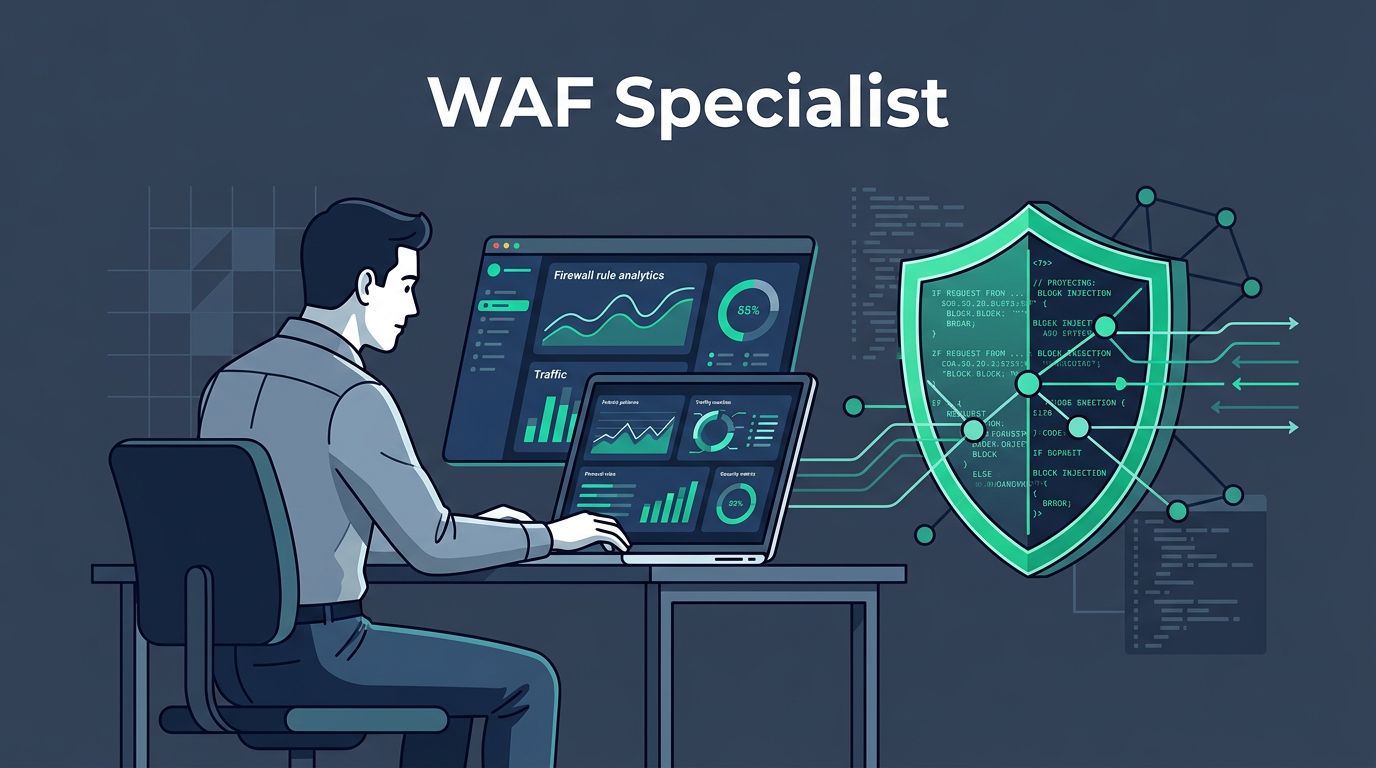
A WAF specialist manages web application firewalls. They monitor traffic in real time. They block SQL injections, XSS, and other OWASP Top 10 threats.
Daily work includes rule tuning. They analyze logs to cut false positives. This keeps legitimate users happy. They also handle bot mitigation. Bots make up 94% of login attempts now.
Specialists integrate WAFs with CDNs and cloud platforms. They work with DevOps for CI/CD pipelines. During incidents, they support SOC teams with alerts and forensics.

Expect collaboration across teams. They document policies and automate configs. In short, they turn raw WAF tools into strong defenses. Demand grows as attacks rise 18% year over year.
Why Hire a WAF Specialist Now
Attacks evolve fast. AI helps hackers spot code flaws in minutes. Ransomware jumps 13% over five years. Your web apps need dedicated protection.
Companies prioritize WAF roles in 2026. Firms hire skills-first for cybersecurity gaps. Shortages mean top talent commands premium pay. You can’t afford weak defenses.
A specialist reduces breach risks. They handle API protection and zero-day threats. Without one, your team chases alerts reactively. With expertise, you stay ahead.
Hiring fits tight budgets. Focus on high-impact roles like this. Skills in cloud WAFs match hybrid setups. Act now before talent pools shrink further.
Key Skills to Look For
Seek hands-on experience first. Candidates should know platforms like AWS WAF, Cloudflare, or F5. They tune rules to fight OWASP Top 10 risks. For details on WAF solutions against OWASP Top 10, check vendor guides.

Core skills include:
Rule tuning and false-positive reduction. They balance security and usability. Poor tuning blocks good traffic.
Bot mitigation. They spot malicious bots versus real users. This cuts noise in logs.
API protection. Modern apps rely on APIs. Specialists secure them against injection and abuse.
Look for SIEM integration. They feed WAF data to security ops. Incident response experience helps too.
Soft skills matter. They explain threats to devs and execs. Problem-solving shines in complex attacks.
Verify cloud savvy. Most WAFs run on AWS or Azure now. Automation via APIs sets pros apart.
Where to Source WAF Candidates
Post on niche boards. Sites like iSecJobs list WAF engineer roles with real duties. LinkedIn works well for security pros.
Use recruiters who know cybersecurity. They vet for rare skills. Bud Consulting specializes in this; firms like them fill gaps fast.
Check communities. OWASP chapters and Reddit’s r/netsec attract talent. Conferences like Black Hat yield leads.
Gig platforms help short-term. Test freelancers on Upwork for tuning tasks. Convert strong ones to full-time.
Target referrals. Your SOC or DevSecOps team knows people. Internal networks cut screening time.
In 2026, skills trump resumes. Ask for GitHub repos with rule examples. This weeds out posers quick.
Craft a Strong Job Description
Keep it concise. List duties like “Tune WAF policies for OWASP Top 10” and “Integrate with SIEM.”
Use this checklist:
- Hands-on WAF deployment (cloud or on-prem).
- Log analysis and false-positive tuning.
- Bot and API threat mitigation.
- CI/CD integration experience.
- Incident response collaboration.
Highlight must-haves. “3+ years tuning Cloudflare/AWS WAF preferred.” Add “OWASP knowledge required.”
Post salary ranges. Expect $150K-$220K base in the US, per trends. This draws serious applicants.
Avoid fluff. Focus on impact: “Block attacks, cut alerts 50%.” Good JDs get 3x responses.
Sample from real postings: Security WAF job description template covers monitoring and assessments well.
Vet with Sample Interview Questions
Screen resumes first. Then phone chats. Dive deep in technical rounds.

Try these questions:
How do you tune rules to reduce false positives without gaps?
Walk us through blocking an OWASP injection attack.
Describe bot mitigation in a high-traffic site.
Explain F5 or AWS WAF integration with SIEM.
Tell us about a time you troubleshot blocked legit traffic.
Probe scenarios. “A new API floods with bots. Your steps?” Good answers show process: log review, rule tests, rollout.
Use live demos. Share a sandbox WAF. Watch them tune a rule set. For more ideas, see 20 Web Application Firewall interview questions.
Reference checks seal it. Ask past bosses about real impacts.
Onboard for Quick Wins
Start with access. Give WAF console and log tools day one.
Pair with a senior. Shadow sessions build context fast.
Set 30-day goals. Tune top rules, audit policies. Measure false-positive drops.
Train on your stack. Share app docs for custom rules.
Review weekly. Adjust based on their input. This builds trust.
Full ramp-up takes 3 months. Wins come sooner with structure.
If sourcing proves tough, Book a Discovery Call with Bud Consulting. They handle vetting.
Key Takeaways for Hiring Success
Pick specialists who tune rules, cut noise, and team up well. Demand stays high amid attack surges. Use targeted questions and demos to spot fits.
You now have a clear path. Secure your apps before the next breach hits. Strong hires pay off fast.