table of contents
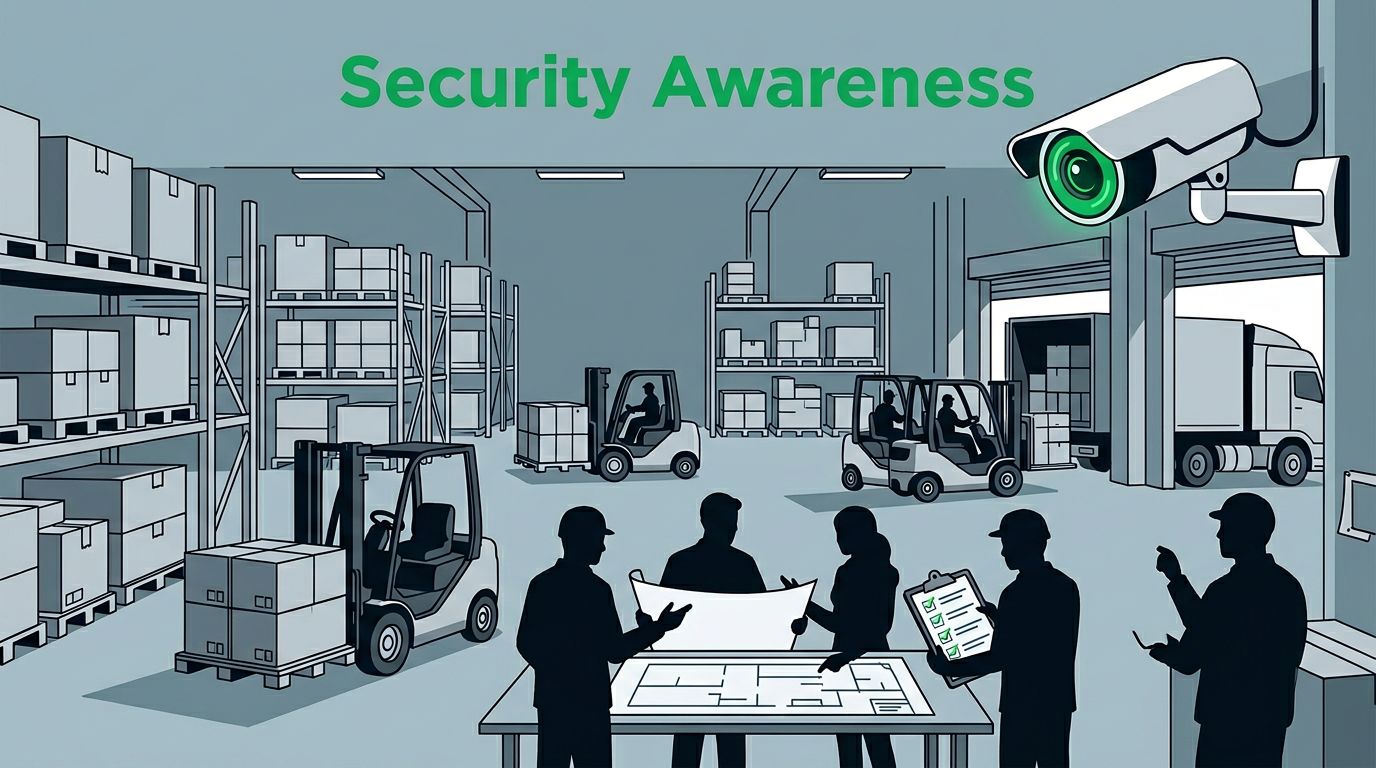
Warehouses hum with activity. Forklifts zip around. Trucks back into docks. One overlooked detail can lead to theft or worse. You manage a team that handles valuable goods daily. A weak link in security awareness puts your inventory at risk.
Staff need clear plans to spot threats. These plans cover physical checks and online habits. They build habits that protect your operation. This guide shows you how to create one step by step.

Why Warehouse Security Awareness Matters Now
Busy warehouses face real threats. Thieves target loading docks at night. Insiders might share access codes. Cyber scams hit inventory systems. In 2024, logistics losses topped $50 billion from such issues. Your team stands on the front line.
Security awareness changes that. Trained staff spot a tampered seal on a pallet. They question strangers near inventory zones. This vigilance cuts risks fast. Small operations see big gains too. One mid-sized facility reduced theft by 40% after basic training.
Start with a risk assessment. Walk your yard and docks. Note weak spots like unlit corners or shared keys. Then map threats to roles. Forklift drivers watch for tailgaters. Pickers guard high-value shelves. Awareness plans tie it all together.
For more on baseline practices, check Omnilert’s warehouse security guide. It outlines audits and employee spotting skills.
Core Elements of Your Security Awareness Plan
Build your plan around simple pillars. First, set goals. Aim to train 100% of staff yearly. Cover physical and cyber threats. Make sessions short, 30 minutes max.
Next, choose formats. Mix classroom talks with hands-on drills. Use videos for shift workers. Track who completes what. Apps make this easy for rotating teams.
Assign owners. You or a supervisor leads. HR handles records. Frontline staff give input. They know daily blind spots.
Include policies. No phones in secure zones. Report odd behavior right away. Post reminders at docks and break rooms.
Test often. Run mock intrusions. Quiz on phishing emails. Reward sharp eyes. This keeps awareness fresh.
Plans work best when realistic. A small warehouse might use free online modules. Larger ones add custom scenarios.
Tailor Training to Warehouse Roles
One-size-fits-all training fails. Customize for your team. Forklift operators focus on yard patrols. They check trailer seals before unloading.
Receiving staff verify IDs and manifests. Teach them tailgate prevention. Strangers follow legit drivers in. Quiz on fake badges.
Shipping teams lock outbound loads. They spot mismatches in bills of lading. Inventory pickers watch for shelf tampering.
Yard workers monitor handoffs. They log truck arrivals. Note driver behavior.
Supervisors learn to spot fatigue or grudges that lead to insider risks.
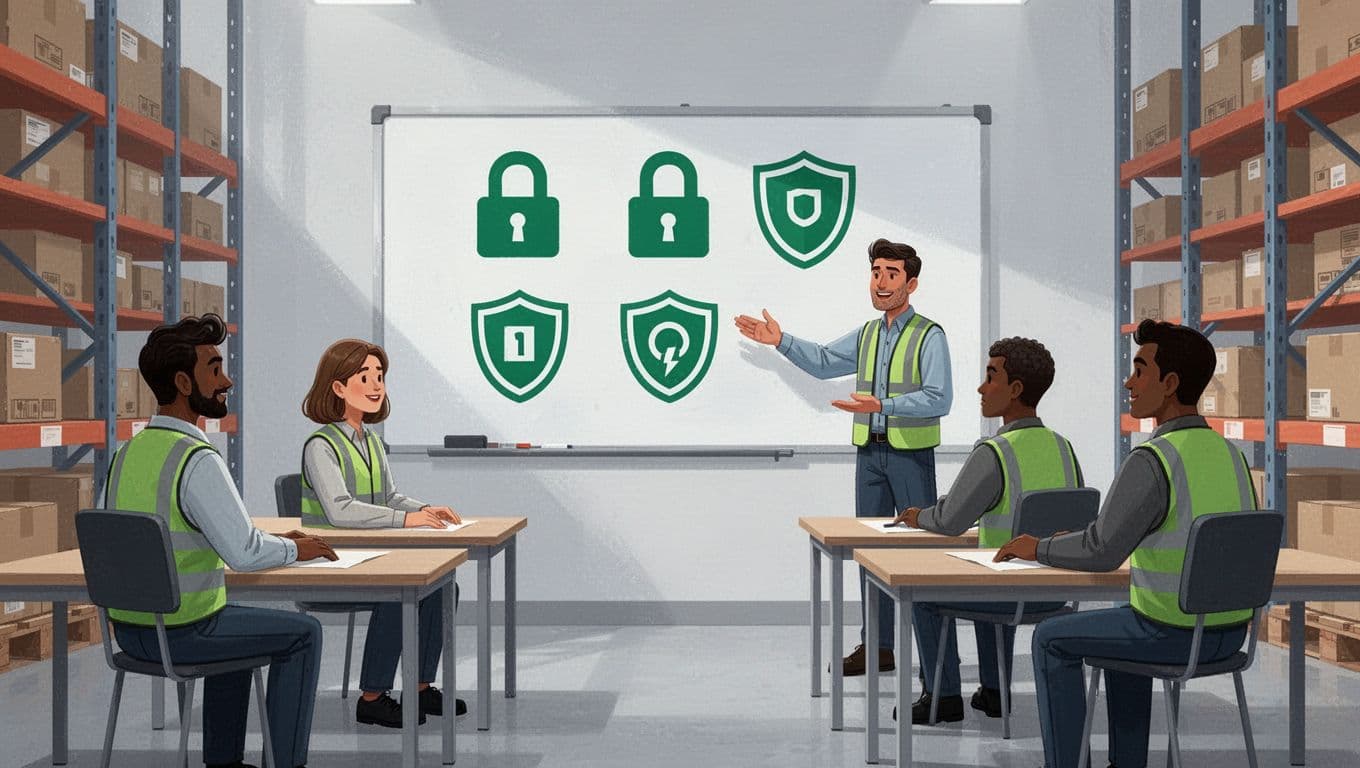
Gamify it. Use scenarios like “Spot the fake seal.” BSI offers operations edition training tailored to supply chain roles. Adapt those ideas.
Cyber fits here too. Everyone handles scanners or tablets. Train on safe Wi-Fi use.
Physical Security in Key Warehouse Zones
Focus training on hot spots. Start at receiving docks. Staff check trailer numbers against paperwork. Look for pry marks. Verify driver credentials.
Secure with dock locks. They prevent pull-aways mid-unload. Raymond West details loading dock security steps, like gates and cameras.
Shipping areas need outbound checks. Seal trailers properly. Log departures. Watch for rushed pickups.
Inventory zones get layered access. Use badge readers on high-value aisles. Train pickers to report empty boxes or shifts.
Yards demand patrols. Fence gaps invite trouble. Light paths well. Log gate entries.
Transportation handoffs close the loop. At pickup, confirm seals match. Drivers note yard conditions.
For small sites, start with daily checklists. Larger ones add CCTV reviews.
| Zone | Key Checks | Quick Tip |
|---|---|---|
| Receiving Docks | Seals, IDs, manifests | Call dispatch on mismatches |
| Shipping Areas | Outbound seals, logs | Double-check high-value loads |
| Inventory Shelves | Access badges, tampering | Report odd placements |
| Truck Yards | Fence integrity, lighting | Patrol twice per shift |
| Handoff Points | Seal matches, driver logs | Photo before release |
This table sums daily habits. Review it in huddles. It builds muscle memory.
Blend in Cybersecurity Basics
Warehouse cyber risks grow. Scanners link to networks. Phishing hits shared laptops.
Train staff to pause on urgent emails. “Update your login now” screams scam. Verify senders.
Lock devices. No USBs from strangers. Report pop-ups.
For logistics, cover supply chain hacks. Fake invoices steal data.
Aptarus provides cyber awareness for warehouse workers. It fits NIS2 rules and basics.
Keep it simple. Monthly tips via text. Simulations catch clickers.
Balance with physical. A breached tablet reveals dock schedules.
Tools and Checklists to Roll It Out
Practical aids drive adoption. Create checklists for shifts.
Receiving: Verify seal. Check ID. Scan manifest.
Shipping: Confirm count. Apply seal. Log time.
Use clipboards or apps. Post near zones.
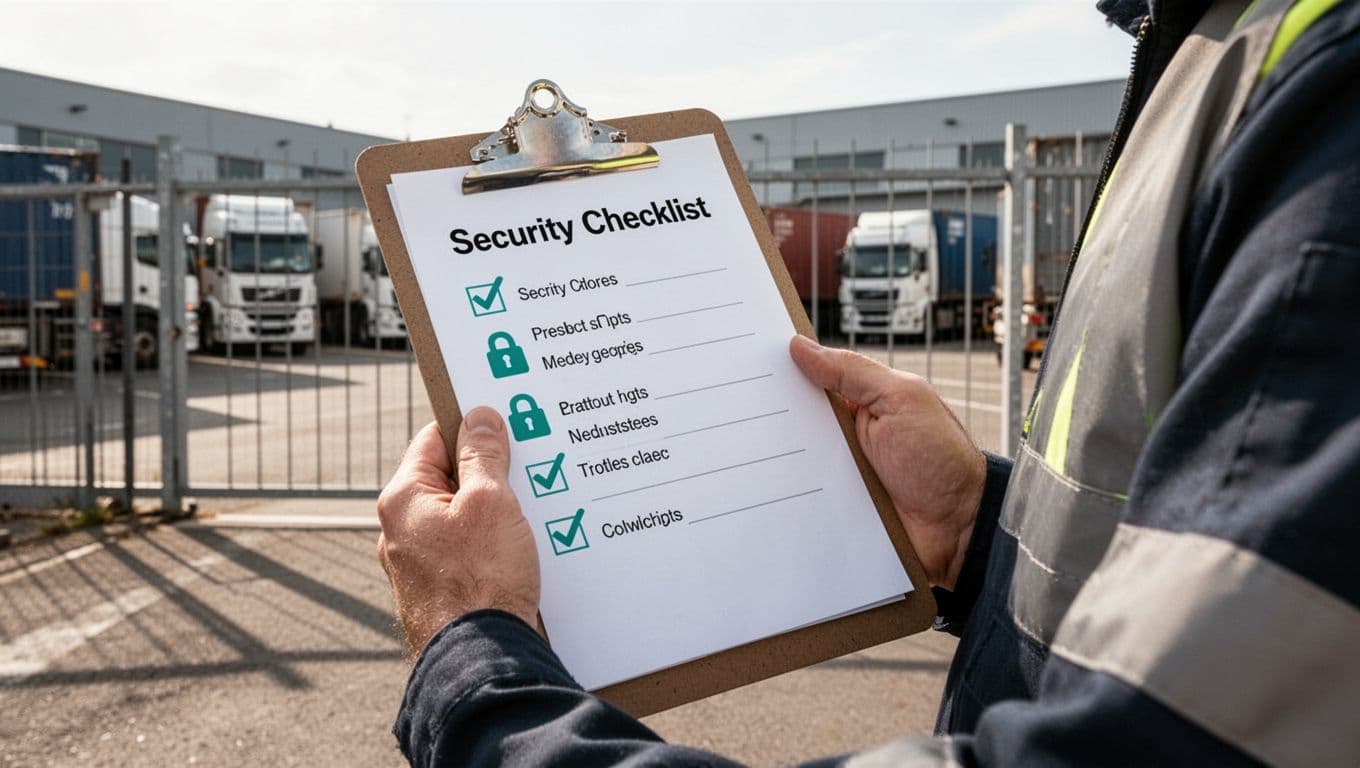
Daily Security Checklist Example:
- Perimeter walk complete?
- All docks locked?
- Badges scanned?
- Odd activity reported?
Track compliance. Weekly audits spot gaps.
Budget tools: Free posters from OSHA. Paid platforms for quizzes.
For ongoing help, book a discovery call with Bud Consulting. They strengthen security culture.
Measure Success and Keep It Going
Metrics prove value. Track incidents pre- and post-training. Aim for drops in theft reports.
Survey staff. Ask what they spot now. Quiz scores above 80%?
Refresh yearly. Add new threats like drone surveillance.
Rotate trainers. Peers share real stories.
Adjust for seasons. Holiday rushes need extra drills.
Key Takeaways for Lasting Security
Warehouse security awareness plans protect your biggest assets: people and goods. Customize training, use checklists, and measure results. Start small. Your team will spot risks you miss.
Threats evolve. Stay vigilant. Solid plans keep operations smooth.