table of contents
Factory downtime costs manufacturers millions each hour. Recent alerts from OT-ISAC in April 2026 highlighted flaws in PLCs like Horner models and legacy controllers such as BASControl20. These issues expose production lines to attacks that can’t wait for patches.
Continuous Threat Exposure Management, or CTEM, changes that. It continuously maps risks across your assets, prioritizes real threats, and drives fixes without halting operations. You get ongoing visibility into embedded systems like PLCs and sensors.
This approach fits manufacturing perfectly. It handles IT/OT convergence and legacy gear. Let’s break down how CTEM applies to your embedded systems.
What CTEM Means for Your Operations
CTEM is a five-phase cycle from Gartner. Teams scope assets, discover exposures, prioritize dangers, validate fixes, and mobilize responses. Unlike one-off scans, it runs continuously.
In manufacturing, this matters because threats evolve fast. Attackers target OT data alongside IT breaches. CTEM ties risks to business impact, like production halts or safety failures.
Consider end-of-life devices. Many PLCs and HMIs run unpatched firmware. CTEM spots these gaps and suggests network isolation instead of impossible updates. For details on Gartner’s framework, check CTEM.org’s guide to the five stages.
Tools like those from Piscium adapt CTEM for OT. They map from IT to field devices without disrupting lines. This keeps uptime at 99.9% while cutting exposure.
Embedded Systems in Manufacturing: Key Components
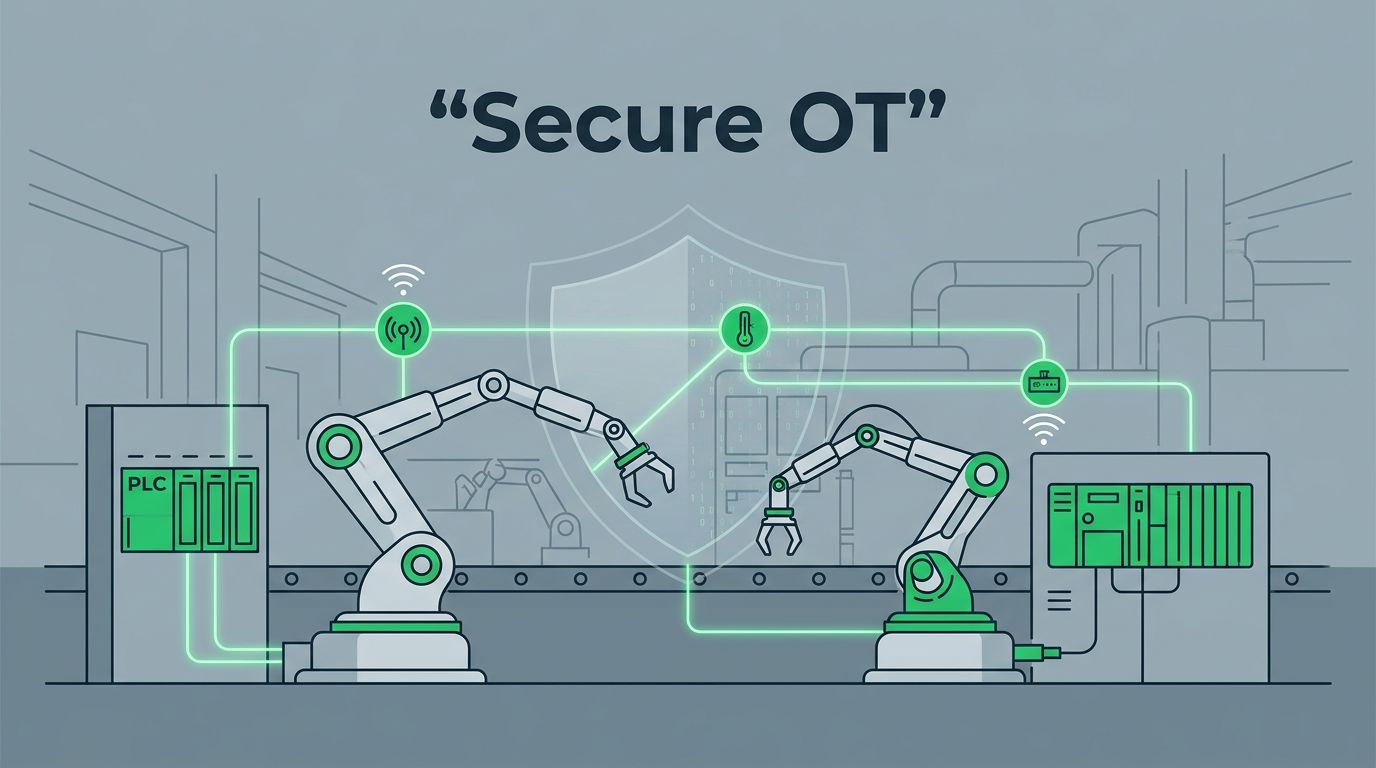
Embedded systems power your plant. PLCs control machines. HMIs display operator data. Sensors monitor temperatures and pressures. Gateways link IIoT devices to networks. Legacy controllers handle older automation.
These components form the backbone. Robotic arms rely on sensors for precision. Conveyors use PLC logic for flow. But visibility often stops at the cabinet door.

Picture a typical floor. One engineer checks a panel while devices hum. Networks connect everything, but blind spots persist. IIoT gateways bridge IT and OT, yet they introduce entry points.
Supply chains add risks. Components from third parties carry hidden flaws. Rockwell PLCs faced high-impact CVEs in March 2026. CTEM inventories these assets first.
You need full catalogs. Many plants run 10-year-old gear. Modern ones mix new sensors with legacy HMIs. CTEM starts here, building accurate maps.
Challenges of Securing Embedded Systems
Uptime rules manufacturing. A single patch cycle can stop lines for hours. Safety standards block changes during shifts. Patching limits hit hard on embedded gear.
Asset visibility lags too. IT sees servers. OT hides in silos. Engineers know PLCs, but CISOs don’t. This gap widens with IIoT sprawl.
Supply chain threats grow. Hardware backdoors appeared in 2024 pager incidents. Similar risks lurk in sensors. IT/OT convergence blurs lines, letting IT breaches reach PLCs.
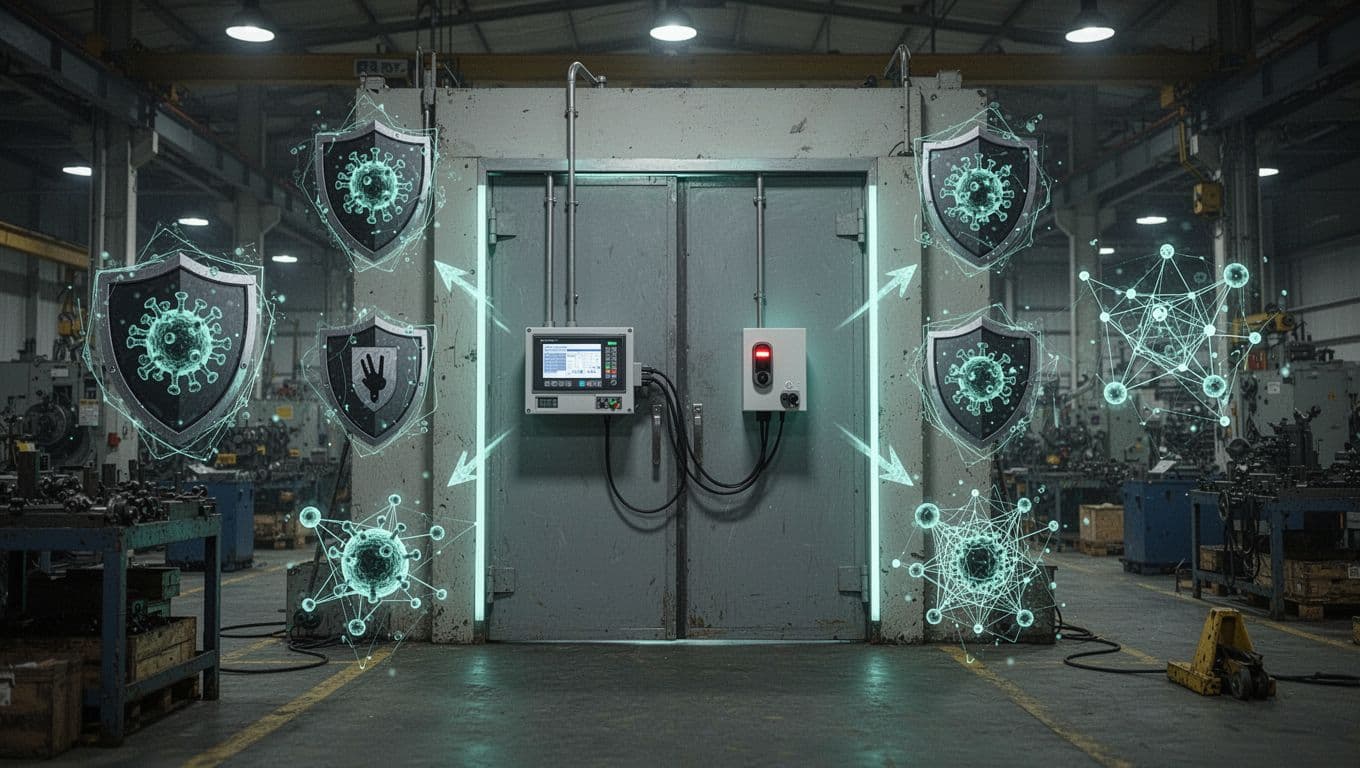
Threats circle these weak points. Ransomware hit manufacturing hardest in Q1 2026, at 72% of incidents. Attackers cascade from IT to OT for maximum downtime.
Legacy controllers amplify issues. BASControl20 lacks fixes. Siemens tools and AVEVA software show weak passwords. Regulations like IEC 62443 demand better, but execution falls short.
These constraints demand new methods. CTEM addresses them head-on.
CTEM Compared to Vulnerability Management and Exposure Management
Traditional vulnerability management scans for CVEs. It lists flaws but ignores context. Patches follow, often impractical for OT.
Broader exposure management adds misconfigs and controls. Still, it lacks validation or business ties.
CTEM covers all, plus continuous cycles. Here’s a quick comparison:
| Aspect | Vulnerability Management | Exposure Management | CTEM |
|---|---|---|---|
| Frequency | Periodic scans | Continuous monitoring | Continuous full cycle |
| Scope | CVEs only | CVEs + misconfigs | Assets, paths, impacts |
| Prioritization | CVSS scores | Risk scores | Exploitability + business |
| OT Fit | Disruptive | Limited visibility | Non-disruptive, protocol-aware |
| Remediation | Manual patches | Orchestrated fixes | Validated mobilization |
CTEM wins for manufacturing. Sevco’s overview shows it unifies IT/OT assets, including PLCs. Validation confirms fixes work without tests that halt production.
This table highlights why CTEM suits embedded systems. It prioritizes what stops lines, not just high scores.
A Phased Approach to CTEM Implementation
Gartner’s phases guide you. Start with scoping. Define critical assets: PLCs tied to safety, HMIs on main networks.
Next, discovery. Map everything passively. Tools like Forescout find IIoT without agents.
Prioritization follows. Score by reach to production. An exposed gateway outranks a lone sensor.
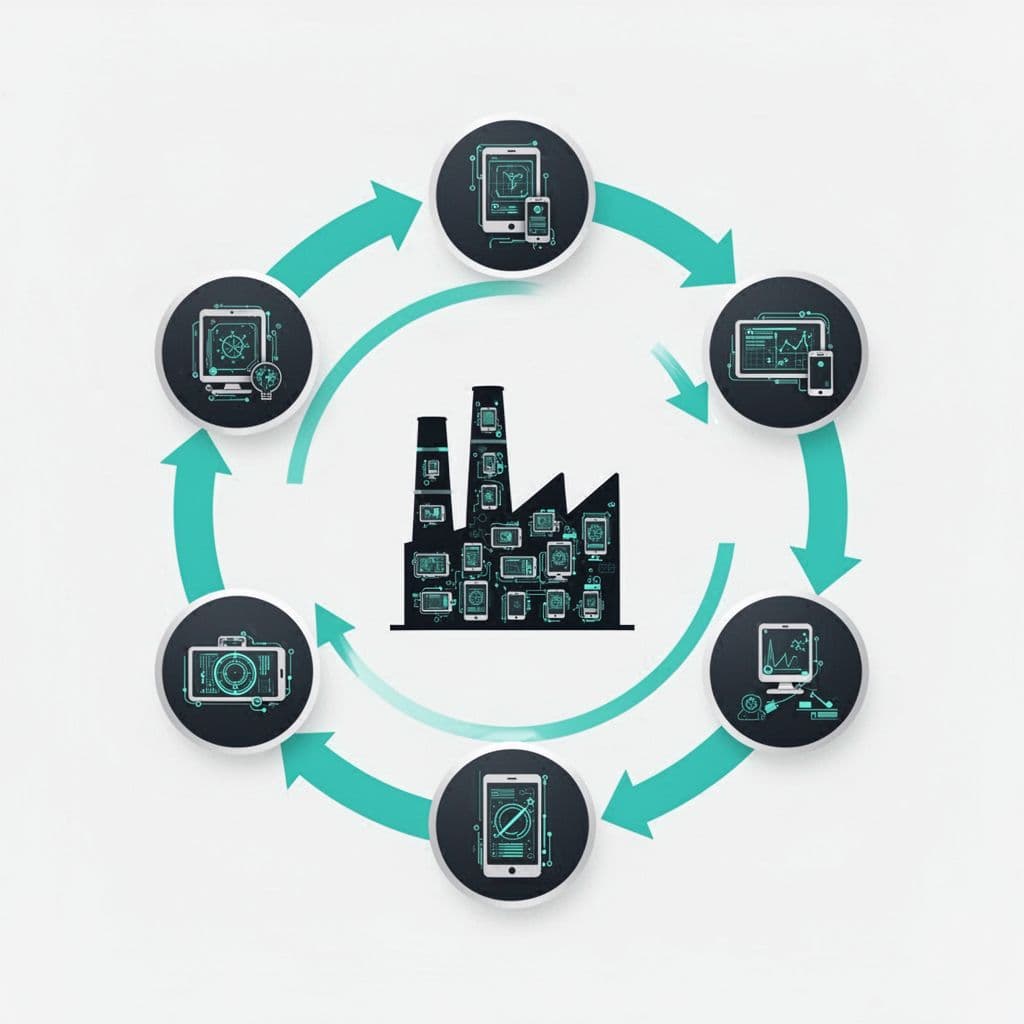
Validation tests paths safely. Simulate attacks on OT shadows. Mobilization orchestrates fixes: segment networks, update gateways.
Implement in phases. Week one: inventory PLCs and HMIs. Month one: prioritize top risks. Use passive sensors first.
Tailor to constraints. For legacy gear, isolate via firewalls. Hadrian’s SecOps post details OT blind spots and prevention.
Scale gradually. Pilot on one line. Expand as confidence builds. This minimizes disruption.
Real-World Examples from 2026 Manufacturing
OT-ISAC’s April alert hit home. Horner PLCs had weak auth. Siemens tools exposed networks. AVEVA flaws allowed remote access.
One plant used CTEM to isolate. They mapped paths from IT gateways to controllers. Remediation took days, not weeks.
EOL hardware plagues sites. Forescout notes permanent risks. CTEM flags these, suggests Purdue Model zoning.
Ransomware waves targeted supply chains. Q1 2026 saw 72% in manufacturing. Attackers hit AVEVA and Fortinet first, then OT.
A water utility via Piscium’s ROI framework caught three paths missed by pen tests. They fixed in 21 days, saving breach costs.
Process plants consolidated tools. Coverage jumped from 12% to 76%, cutting $180K in spend.
These cases show CTEM’s value. It turns alerts into action.
Actionable Recommendations for Your Plant
Start small. Inventory assets with passive discovery. Tag PLCs by criticality.
Build IT/OT maps. Use OPC UA or Modbus parsers. Prioritize gateways and HMIs.
Validate quarterly. Run safe sims on duplicates. Mobilize via tickets.
For legacy, segment aggressively. Firewalls block lateral moves. PKI certs for new IIoT.
Train teams. Engineers spot anomalies. CISOs align on impacts.

Your SecOps team reviews risks here. Dashboards show paths to PLCs. Green highlights safe zones.
Integrate with SOAR. Auto-apply micro-segmentation on alerts.
Need expertise? Book a Discovery Call with Bud Consulting to close skills gaps in OT security.
Monitor trends. AI threats rise. Frameworks like NIST 800-82 guide compliance.
Act now. CTEM reduces exposure 70-80% in pilots.
Key Takeaways
CTEM fits embedded systems perfectly. It handles uptime demands and legacy limits while mapping real risks.
Focus on phases: scope your PLCs and sensors, discover gaps, prioritize production threats.
Examples prove it works. Plants fixed OT-ISAC flaws fast, cut costs, and boosted coverage.
Your operations stay safe. Risks drop before attacks hit.