table of contents
Your compliance team handles sensitive data every day. One weak audit trail can trigger fines or failed audits. Regulators like the SEC demand clear records now more than ever.
In May 2026, the SEC’s review of the Consolidated Audit Trail (CAT) highlights gaps in tracking trades and customer data. FDA rules under 21 CFR Part 11 still require tamper-proof electronic records. You need teams that spot issues fast.
This guide shows you how to build training that sticks. Start with core practices and move to hands-on tools.
What Audit Trails Do for Compliance
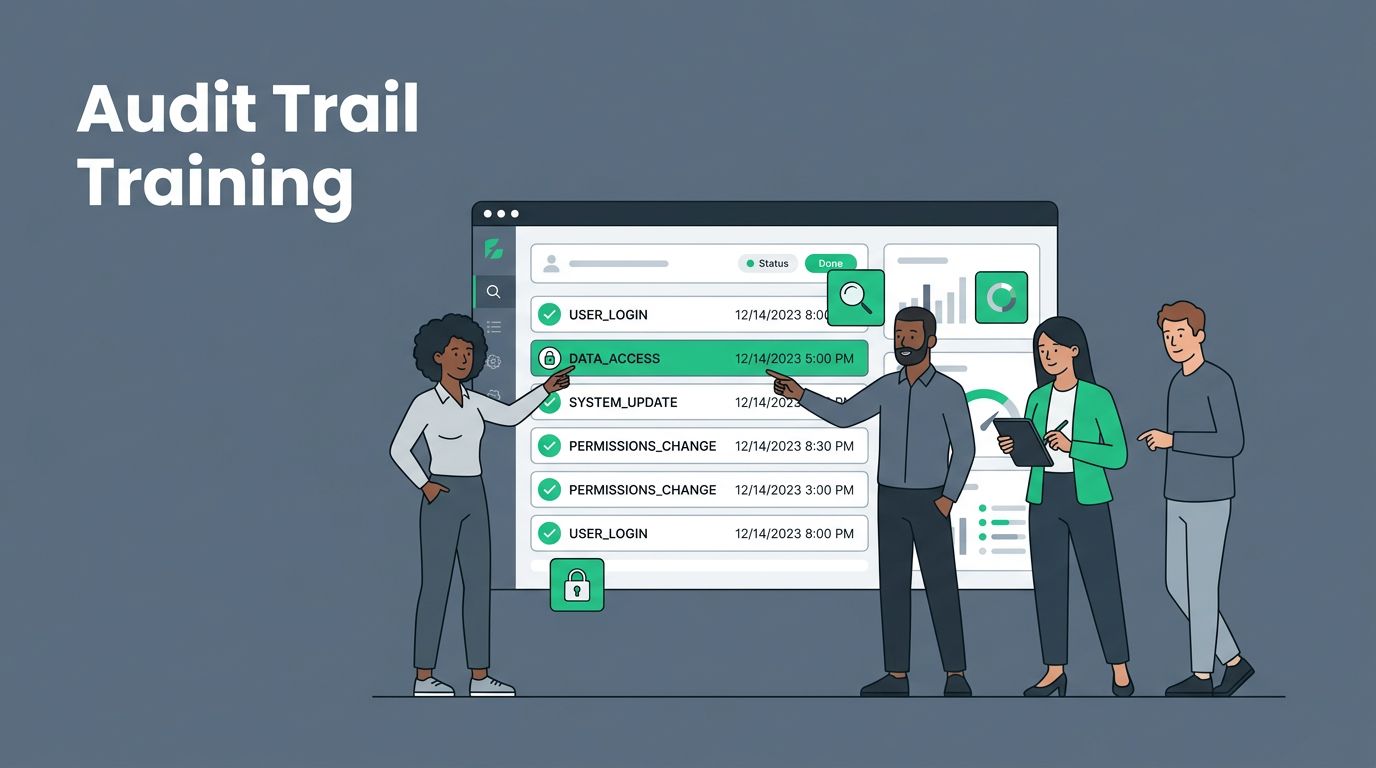
Audit trails record every change to data. They show who did what and when. Without them, you can’t prove compliance.
Teams must understand trails cover actions like edits, deletions, and logins. In financial firms, CAT tracks every stock order from start to trade. Miss a report, and fines follow.
FDA’s ALCOA+ principles make trails attributable and accurate. Data must link to a user with timestamps. This prevents fraud.
Why train? Poor trails lead to rejected submissions. A 2026 FINRA report notes late CAT fixes as a top issue. Teams fix this through regular reviews.
Start training with real examples. Show a messy log versus a clean one. Teams learn to spot risks early.
Regulators expect secure trails. NIST guidelines stress protection and timely reviews. Train teams to align with these standards.
Key Audit Trail Best Practices Your Team Needs
Focus training on practices that regulators check. First, capture all GMP-relevant data. Changes and deletions count.
Teams should review trails frequently. Do weekly checks for high-risk systems. Look for patterns like bulk deletes.
Use secure storage. Encrypt logs and limit access. Role-based controls prevent tampering.

Document reviews clearly. Note what you checked and findings. This builds a trail of your trail reviews.
For SOX compliance, track versions across reports. Auto-tools help, but teams verify outputs.
Follow GMP Compliance’s audit trail review guidelines for frequency tips. They cover event logs versus audit logs.
In practice, test trails during mock audits. Teams simulate inspector questions. This builds confidence.
Best results come from consistent habits. Assign one reviewer per system. Rotate roles quarterly.
These steps reduce errors. Teams catch issues before they escalate.
Building an Effective Training Program
Start with clear goals. What skills do teams need? Tie them to regs like CAT or Part 11.
Choose formats that fit. Mix workshops, e-learning, and simulations. Hands-on works best for logs.
Set a schedule. New hires get full training in week one. All staff refresh yearly.

Involve leaders. They model best practices. Share audit war stories.
Track progress. Use quizzes on ALCOA+. Require 90% pass rates.
Tailor to roles. Analysts learn review techniques. Managers focus on oversight.
Budget for experts. Guest speakers from FINRA add credibility.
Measure success. Pre- and post-tests show gains. Audit pass rates improve too.
For small teams, peer sessions work. Pairs review each other’s logs weekly.
This approach builds skills fast. Teams apply lessons daily.
Sample Training Topics and Modules
Cover basics first. Module one: Audit trail definitions and regs.
Explain CAT updates from the SEC’s April 2026 concept release. Public comments close June 22. Teams prep for changes.
Next, data integrity. Teach ALCOA+ with examples. Show signed records that can’t change.
Module three: Review processes. Step through frequency and what to flag.
Use this step-by-step guide to robust audit trails for hands-on modules.
Include cyber threats. SEC wants input on privacy in trails. Train on encryption and MFA.
Role-play scenarios. One user deletes data. How does the team respond?
End with tools. Demo dashboards for real-time alerts.
- Timestamps: Always include date, time, user ID.
- Immutability: No edits to past entries.
- Completeness: Log reasons for changes.
Each module lasts 90 minutes. Add homework like log reviews.
These topics prepare teams for 2026 shifts.
Leveraging Tools for Modern Audit Trails
Modern systems automate trails. Dashboards show changes in real time.
Choose tools with encryption and alerts. They flag suspicious activity.
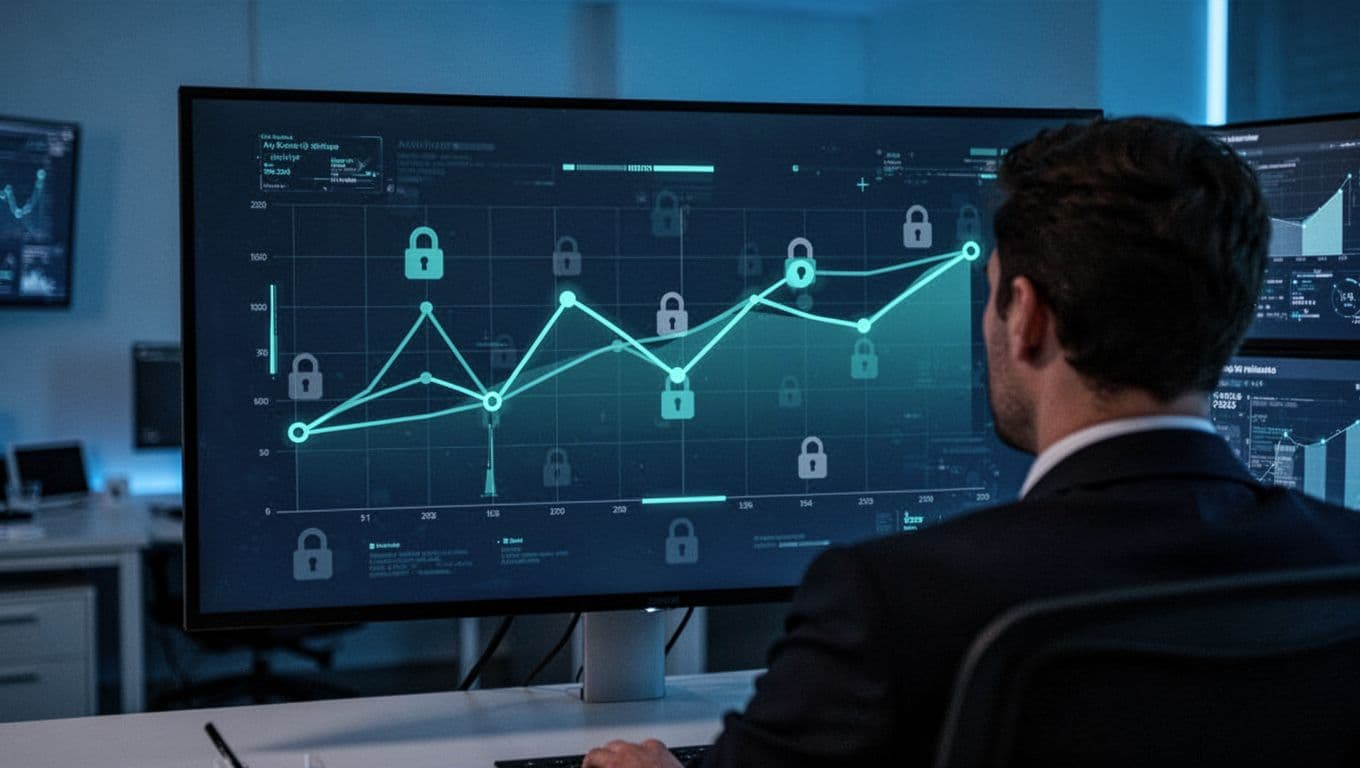
Train on integrations. Link CRM to compliance software. One change updates all logs.
For SOX, use auto-taxonomies. They handle climate rule updates.
FINRA notes CAT errors drop with good tools. Train teams to validate feeds.
Test during training. Simulate a trade and trace it.
Enterprise audit trail tips stress real-time monitoring.
Cyber focus matters. NIST SP 800-12 covers log protection. Train on reviews.
Start small. Pilot one tool per team. Expand after.
Tools save time. Teams focus on analysis, not manual checks.
If gaps persist, book a discovery call with Bud Consulting. They help close skills gaps in security.
Common Mistakes to Avoid in Training
Teams skip reviews. They assume systems work. Always verify.
Overlook user training. Staff enter wrong data. Teach proper inputs.

Ignore regs updates. CAT rules changed in 2025. Stay current.
No access controls. Anyone views logs. Lock it down.
Forget documentation. Reviews need records too.
FINRA flags late CAT corrections. Train on T+3 deadlines.
Rely on one system. Data silos hide issues. Integrate sources.
Poor frequency. Monthly reviews miss daily risks. Go weekly for critical areas.
Test for these in sessions. Use mock fails to teach.
Avoid by auditing training itself. Check if lessons stick.
Recommendations for Ongoing Refresher Training
Annual full sessions refresh skills. Add quarterly check-ins.
Use micro-learning. Five-minute videos on new regs.
Track metrics. Audit findings per team drop over time.
Peer reviews build habits. Pairs swap logs monthly.
Tie to performance. Bonus for clean trails.
Cover 2026 trends. SEC CAT feedback shapes rules. Prep now.
FDA inspectors test trails. Practice defenses.
Simulate breaches. How does the trail hold?
Tools evolve. Retrain on updates.
This keeps teams sharp. Compliance stays strong.
Quick Checklist for Your Training Rollout
Before you start:
- Define goals tied to CAT, Part 11.
- Schedule initial and refreshers.
- Pick tools with alerts.
During sessions:
- Use hands-on logs.
- Quiz on ALCOA+.
- Role-play audits.
After:
- Measure pass rates.
- Review real audits.
- Adjust based on gaps.
Follow this, and your trails hold up.
Conclusion
Strong audit trails protect your firm. Train teams on reviews, tools, and regs like CAT updates.
Focus on practices that last. Frequent checks and secure logs prevent most issues.
Your team now spots risks early. Compliance strengthens overall security.