table of contents
Your enterprise network faces threats that alerts miss every day. Attackers dwell undetected for weeks or months. You need someone who hunts them proactively. A threat hunting lead turns your security team from reactive to ahead of the curve.
In 2026, AI-powered attacks and hybrid clouds make this role critical. Breaches cost millions, and standard defenses fall short. This guide walks you through hiring the right leader. You’ll get clear steps, skills checklists, and interview questions tailored for large networks.
Ready to build a stronger defense? Start by understanding what sets this role apart.
Why Enterprise Teams Need a Threat Hunting Lead Now
Threats evolve fast. Traditional SOCs react to alerts. Hunters search for hidden dangers first. In May 2026, AI agents triage data across endpoints, networks, and clouds. Yet humans still drive the hunts.
Your lead designs these operations. They spot anomalies in logs that tools overlook. Consider living-off-the-land attacks. Hackers use your own tools against you. A skilled lead maps these with frameworks like MITRE ATT&CK Enterprise Matrix.
Expect results. Teams with dedicated hunters cut dwell time by half. They integrate threat intel to predict moves. Without one, your network stays vulnerable. CISOs report 89% more AI-boosted hits this year.
This role fits complex setups. On-prem servers mix with AWS and Azure. Leads ensure visibility everywhere. They build hypotheses, test them, and emulate adversaries. Result? Fewer surprises.
Hiring pays off. Internal promotion works, but external talent brings fresh tactics. Focus on leaders who scale hunts across teams.
Key Differences from SOC Manager, Incident Response Lead, and Detection Engineer
Many mix up these roles. A threat hunting lead focuses on proactive discovery. Others handle operations or reactions. Know the distinctions to write the right job description.
SOC managers oversee daily alerts and shifts. They manage people and processes. Hunts? That’s extra duty for analysts. Leads dedicate time to structured searches, not triage.
Incident response leads jump on confirmed breaches. They contain, eradicate, and recover. Hunters find issues before alerts fire. One hunt can feed many IR cases, as noted in comparisons of threat hunting vs. incident response.
Detection engineers build rules and signatures. They automate alerts from past threats. Leads go beyond. They hypothesize new paths and test manually first.
Here’s a quick breakdown:
| Role | Focus Area | Daily Tasks | Team Interaction |
|---|---|---|---|
| Threat Hunting Lead | Proactive discovery | Hypothesis hunts, emulation | Guides SOC, feeds IR/detection |
| SOC Manager | Operations oversight | Shift management, alert handling | Supervises analysts directly |
| IR Lead | Reactive containment | Breach response, forensics | Coordinates cross-team during crises |
| Detection Engineer | Rule creation | Signature tuning, automation | Builds tools for hunters/SOC |
This table shows why you need all, but a hunting lead bridges gaps. They turn manual finds into engineer rules. In career paths, hunters often come from SOC or IR backgrounds, per Wiz Academy insights.
Pick a lead who excels at foresight, not just firefighting.
Mastering Enterprise Network Visibility
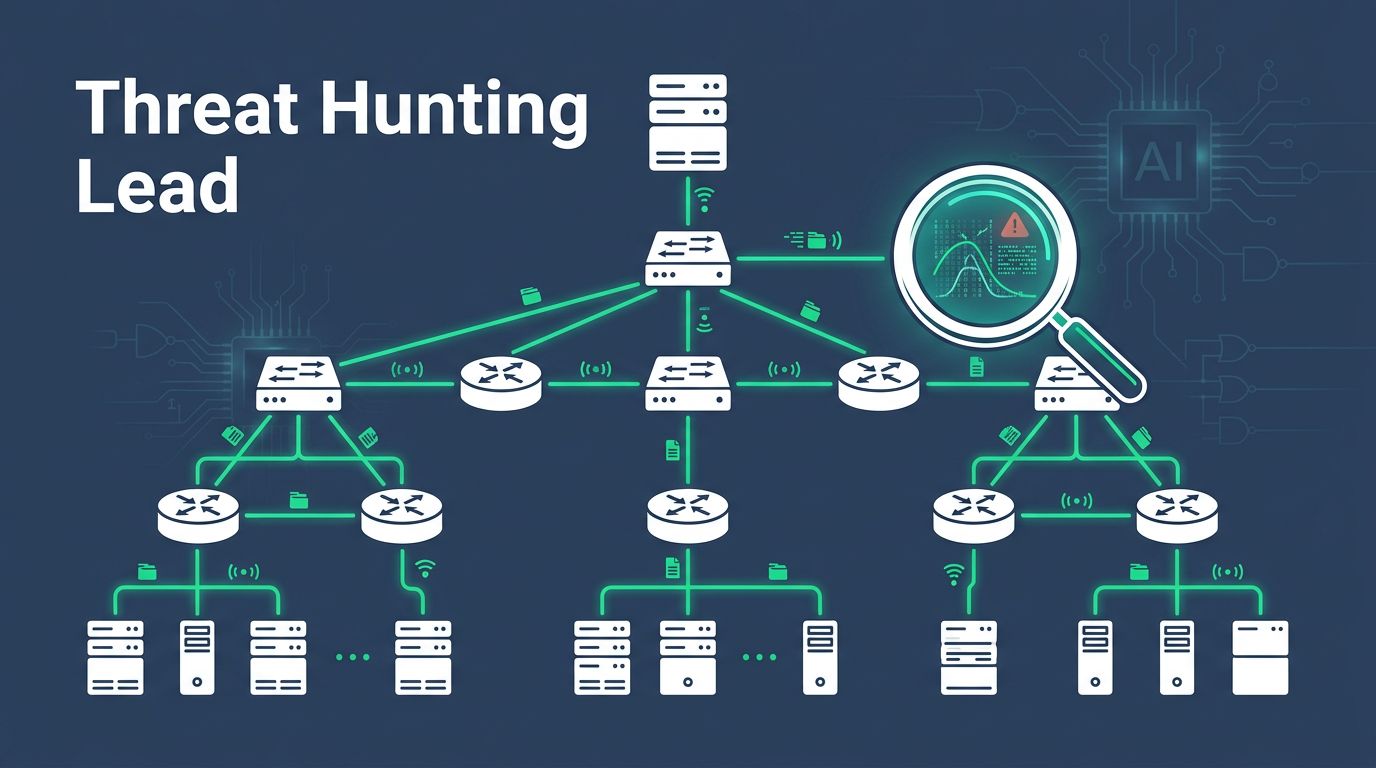
Visibility starts everything. Without it, hunts fail. Your lead must map the full terrain: endpoints, clouds, identities, networks.
Complex enterprises span hybrid environments. Logs flood in from SIEM, EDR, NDR. Leads normalize data first. Poor quality blocks progress, as SANS surveys show.
They deploy UEBA for user behavior. XDR unifies views. In 2026, continuous threat exposure management scans paths nonstop. Top risks get priority.
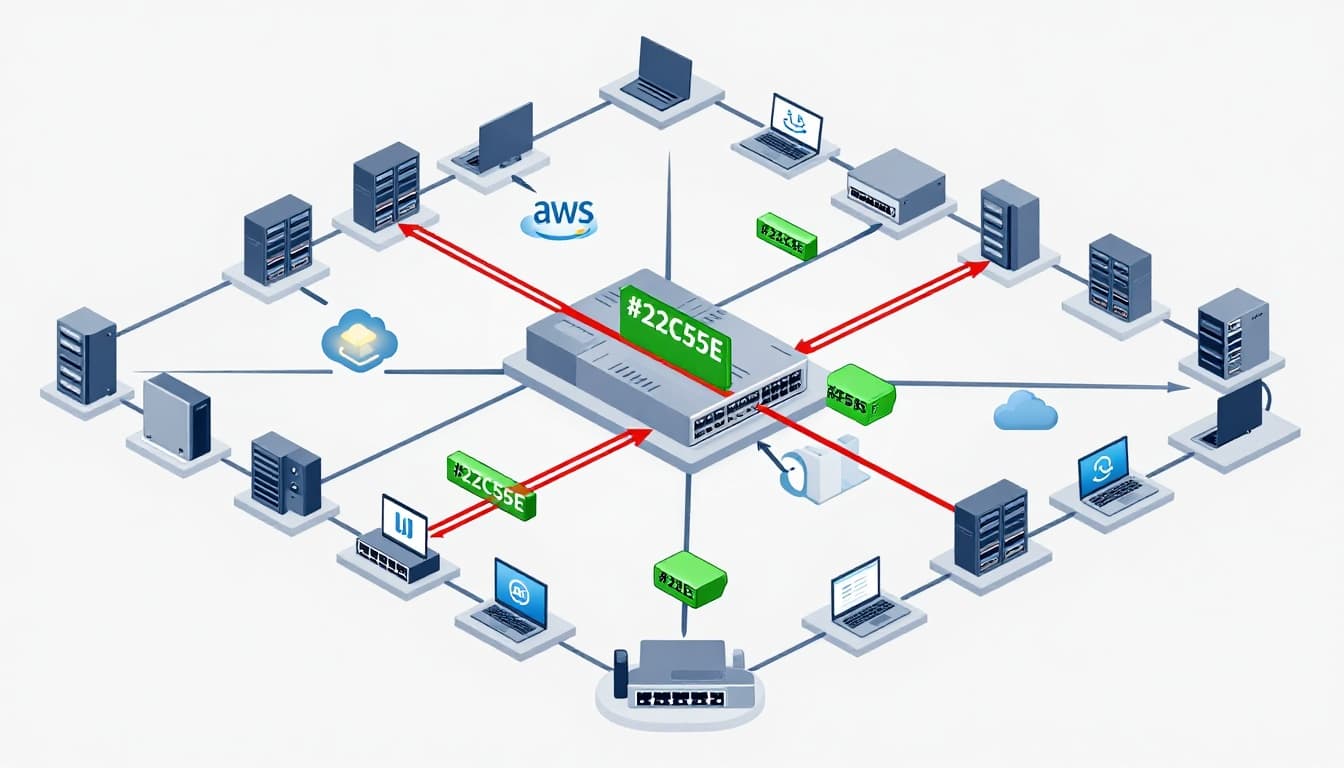
Tools matter. Splunk ES queries real-time. CrowdStrike handles endpoints. Leads integrate NDR for traffic flows. They chase lateral movement across segments.
Test candidates on this. Ask how they’d gain visibility in a zero-trust setup. Expect answers on micro-segmentation and encryption. Good leads block shadow AI tools too, which leak data.
Build this skill early. Partners like DACTA Global offer assessments if internal gaps exist.
Essential Skills Every Threat Hunting Lead Needs
Skills define success. Look for hands-on experts in hypothesis-driven hunts. They start with intel, form questions, then query data.
Adversary emulation comes next. Leads simulate attacks to test defenses. Red-vs-blue exercises build this. Map to MITRE ATT&CK tactics like T1021 remote services.
Tool mastery is key. SIEM for queries, EDR for endpoints, NDR for networks. Integrate threat intel feeds. Turn raw IOCs into hunts.

Soft skills seal it. Leads mentor juniors, pair them on rotations. They communicate risks simply. In 2026, AI aids anomaly detection. Leads oversee to avoid false positives.
Prioritize these:
- Hypothesis creation from intel.
- ATT&CK navigation for TTPs.
- Cross-tool proficiency.
- Emulation via Caldera or Atomic Red Team.
Gaps? Train with labs and certs. This mix spots AI-mutating malware fast.
Must-Have vs. Nice-to-Have Qualifications
Screen resumes with a checklist. Must-haves ensure fit. Nice-to-haves add polish.
Must-haves form the core:
| Must-Have Qualifications | Why It Matters |
|---|---|
| 7+ years in security, 3+ in hunting | Depth for enterprise scale |
| Hands-on SIEM/EDR/NDR experience | Daily hunts require fluency |
| MITRE ATT&CK proficiency | Maps real attacker behaviors |
| Hypothesis-driven hunt examples | Proves proactive mindset |
| Stakeholder briefing skills | Turns findings into action |
Nice-to-haves boost impact:
- GIAC or SANS hunting certs.
- Purple team experience.
- AI/UEBA tool exposure.
- Cloud hunting (Azure Sentinel, etc.).
Avoid over-relying on certs. Past hunts trump paper. Check GitHub repos or hunt reports. In talent shortages, develop internals alongside hires, as Abnormal AI suggests.
This split keeps searches realistic.
Key Interview Questions for Threat Hunting Leads
Interviews reveal true fit. Use scenario-based questions. Watch for structured thinking.
Start behavioral: “Describe your last hypothesis-driven hunt. What intel sparked it?”
Technical probe: “Walk us through hunting T1059 command interpreters in a hybrid network.”
Tool focus: “How do you integrate EDR telemetry with NDR for lateral movement?”
Differentiation: “How does your role differ from a detection engineer on daily hunts?”
Scenario: “Anomaly in cloud logs, no alerts. Steps to investigate?”
Follow up: “What MITRE tactics would you emulate next?” Expect ATT&CK fluency.
Leadership: “How do you mentor juniors on hunts?” Look for rotation examples.
Practical test: Give sample logs. Have them query and report. Time it.
These uncover gaps fast.
Communicating Findings to Stakeholders
Hunts mean nothing without action. Your lead translates tech into business risks.
They brief CISOs on impact: “This dwell could cost $2M.” Use visuals, not jargon.
Tailor messages. Execs want priorities. Teams need tactics.

Build dashboards. Show trends via ATT&CK coverage. Integrate intel for context.
Practice this in interviews. Role-play a CISO brief. Good leads simplify without dumbing down.
Foster culture. Share wins to gain buy-in. This drives budget for tools.
Common Hiring Mistakes and How to Avoid Them
Mistakes waste time. Don’t hire a SOC analyst expecting hunts. They lack hypothesis skills.
Skip generalists. Enterprise needs network depth. Probe hybrid experience.
Overlook culture fit. Leads join small teams. Check collaboration stories.
Rush without tests. Always run hunt sims.
Ignore 2026 trends. AI-savvy leads handle XDR. Ask about CTEM.
Finally, don’t go solo. Firms like Bud Consulting vet talent fast. Book a Discovery Call with Bud Consulting to fill gaps.
Conclusion
Hire a threat hunting lead who masters visibility, skills, and communication. Differentiate the role clearly. Use checklists and targeted questions.
Your network gets safer. Dwell times drop. Teams level up.
Act now. Proactive defense wins in 2026.