table of contents
Internet-exposed VPN gateways draw constant scans from attackers. In early 2026, flaws like CVE-2026-20103 in Cisco Secure Firewall let hackers crash services without logins. You run these gateways for remote access, but one weak spot opens your network.
Teams waste time chasing every alert. Exposed VPN gateways need focused CTEM workflows to spot real threats fast. This post walks you through playbooks that cover discovery to lessons learned.
You’ll get steps to build repeatable processes. Let’s start with finding those gateways.
Spotting Exposed VPN Gateways in Your Attack Surface
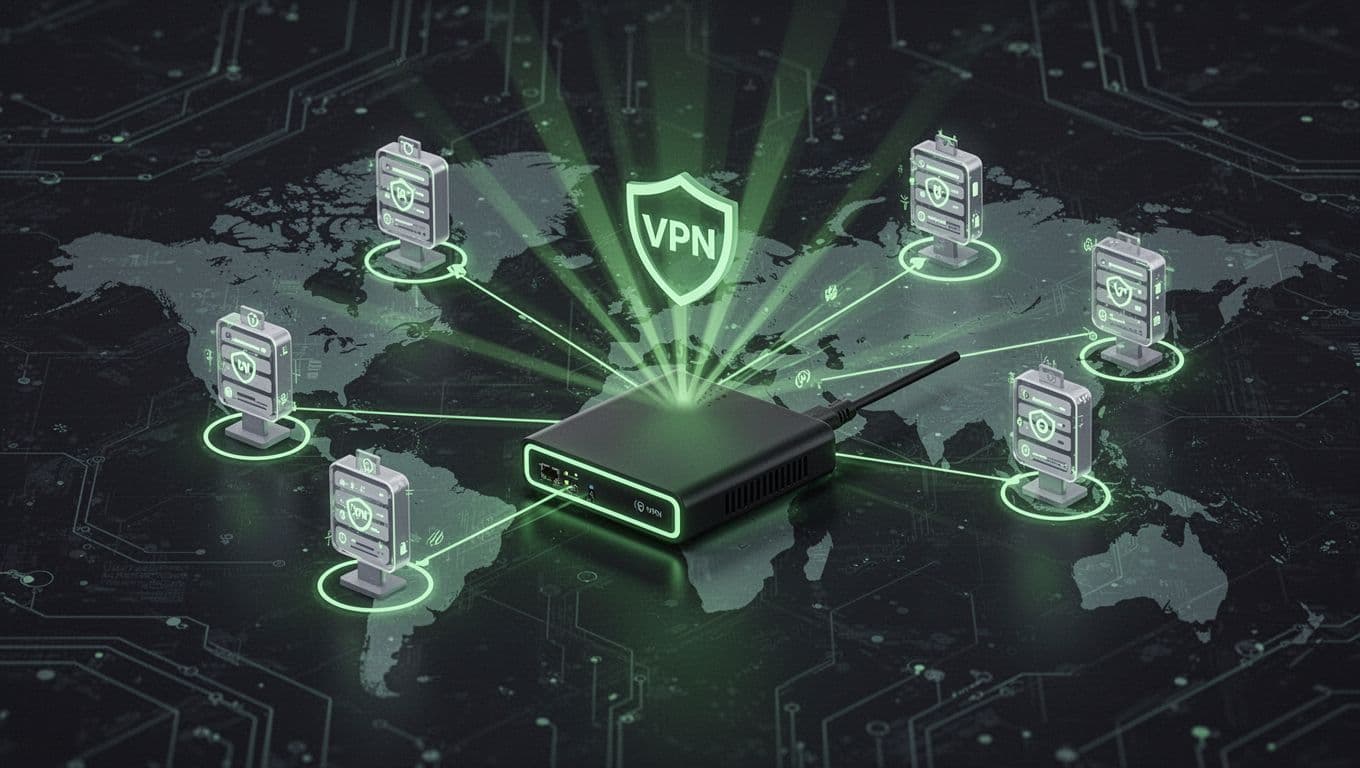
Discovery kicks off any CTEM cycle. You map what’s out there on the internet. Tools scan for open ports like 443 or 1194, common for VPNs.
Focus on your external perimeter first. Use passive recon with certificate transparency logs and DNS brute-forcing. Active scans confirm live services without alerting defenders.
Many teams miss shadow VPNs from old mergers or devs spinning up appliances. Run daily scans. Integrate with your ASM platform for full coverage.
Here’s a quick checklist to start:
- Query Shodan or Censys for your domains and IPs.
- Check for VPN fingerprints: SSL certs with “vpn” or vendor names like Fortinet, Cisco.
- Cross-reference with internal asset lists.
Expect surprises. A CyCognito guide on attack surface discovery notes VPN endpoints often hide in plain sight.
Automate this in your pipeline. Set alerts for new finds. Next, confirm if attackers can reach them.
Validating Real Exposure
Not every detected service counts as exposed. Validate reachability from the outside. Send probes mimicking attacker tools.
Test TCP connects to VPN ports. Check if the service responds with banners or negotiation handshakes. Block internal-only gateways from this step.
Look for management interfaces too. Ports like 8443 or 8080 often sit wide open. Use Nmap scripts tailored for VPNs.
Document each finding. Note IP, port, service version, and response time. This builds evidence for prioritization.
If a gateway runs Ivanti Connect Secure, probe for known paths like /dana-na/auth/welcome.htm. Recent flaws like CVE-2025-22457 demand quick checks.
Validation takes minutes per asset. Script it. False positives drop, and you feed clean data downstream.
Assessing Exploitability of VPN Flaws
Severity scores mislead. A high CVSS on a firewalled box means little. Test if exploits work against your setup.
Pull recent vulns from CISA KEV. As of May 2026, watch Cisco ASA/FTD (CVE-2026-20103) for DoS crashes and Windows RRAS (CVE-2026-25173) for code execution.
Use safe PoCs in a lab mirror of production. Check if your WAF or IPS blocks payloads. For FortiOS CVE-2026-22153, test auth bypass logic.
Rate exploitability on three factors: public exploit available, your config matches vulnerable patterns, controls in place.
| Factor | Low Risk | High Risk |
|---|---|---|
| Exploit Availability | None or theoretical | Public PoC or in wild |
| Config Match | Patched or hardened | Default or outdated |
| Control Effectiveness | Blocks payload | No interference |
This table helps teams decide fast. High across the board? Escalate now. Low? Monitor quarterly.
Evidence drives action. A CTEM.org stages overview stresses testing real-world paths.
Prioritizing Risks for Your VPN Gateways
You drown in alerts without prioritization. Score based on business impact, not just tech severity.
Map gateways to assets. Does it protect crown jewels like HR databases? Weigh reachability and exploit success.
Add threat intel. Active campaigns hit VPNs hard; 60% of high/critical CVEs from 2020-2024 targeted them.
Build a matrix. P1 for exploited + internet-facing + critical path. Target 7-day fix. P2 gets 30 days.
Tools like risk scores from CTEM.org getting started guide this. Assign owners early.

Dashboards make it visual. Review weekly. This cuts noise and speeds fixes.
Common Risks and How to Contain Them
Exposed VPNs share failure modes. Weak configs top the list, like disabled MFA or default creds.
Unpatched appliances run old code. Legacy SSL VPNs fall to path traversal or command injection.
Exposed management interfaces invite brute-force. Credential stuffing hits weak passwords.
Containment starts simple. Restrict IPs to known ranges. Enable logging to SIEM.
For immediate holds:
- Block public access to admin ports.
- Rotate all certs and keys.
- Enforce MFA everywhere.

Shift to ZTNA where possible. It cuts broad exposure. Check cybersecuritytime.com on VPN patches for urgent lists.
Contain first, then remediate. This buys time.
Remediating and Verifying VPN Fixes
Fixes follow priority. Patch first; vendors release for KEV fast.
For config gaps, harden: least privilege, auto-logoff, rate limiting.
Test in staging. Re-run validation post-fix. Confirm exploits fail.
Verification closes the loop. Scan again. Check logs for anomalies.
Track MTTR. Aim under 14 days for P1. Automate re-tests.
If a gateway stays risky, decommission it. Document changes for audits.
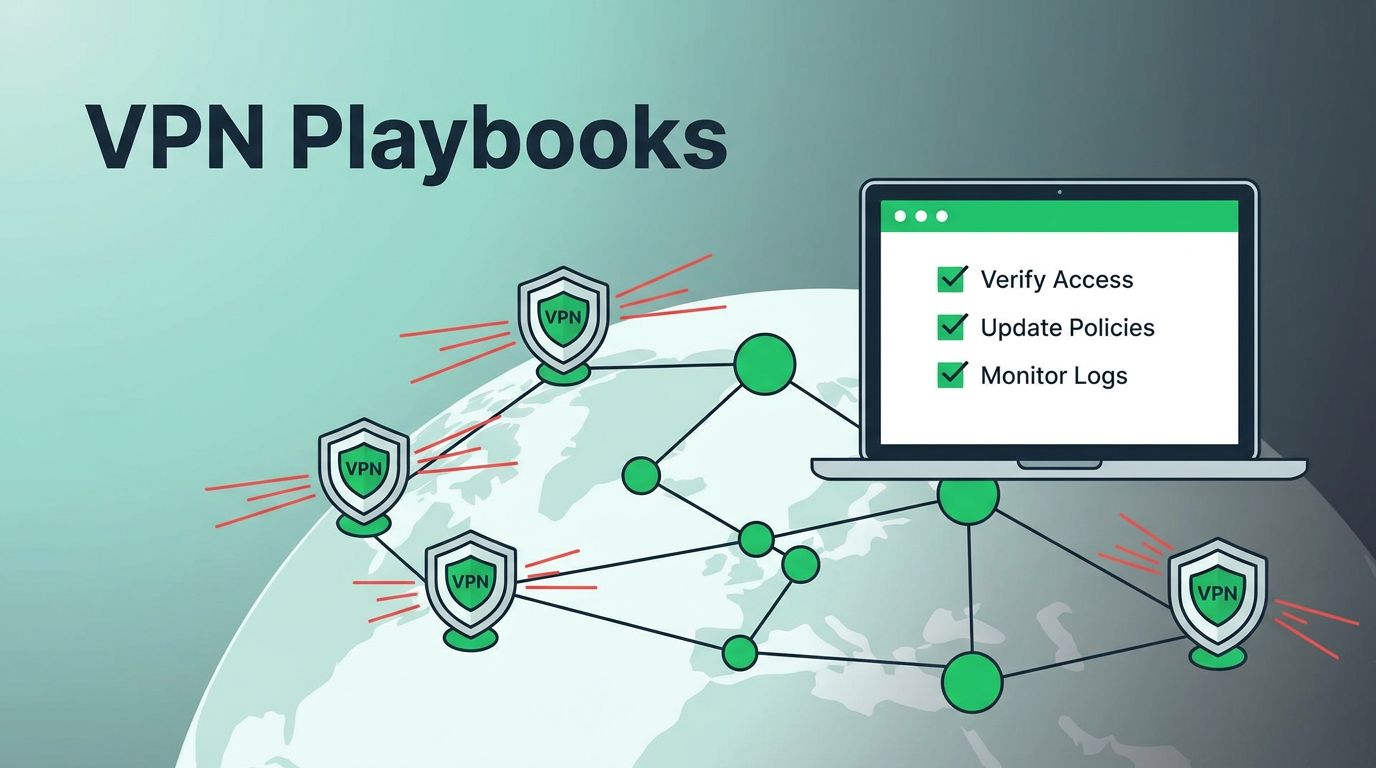
Playbooks shine here. They standardize steps across teams.
Putting It All Together: Your CTEM Playbook
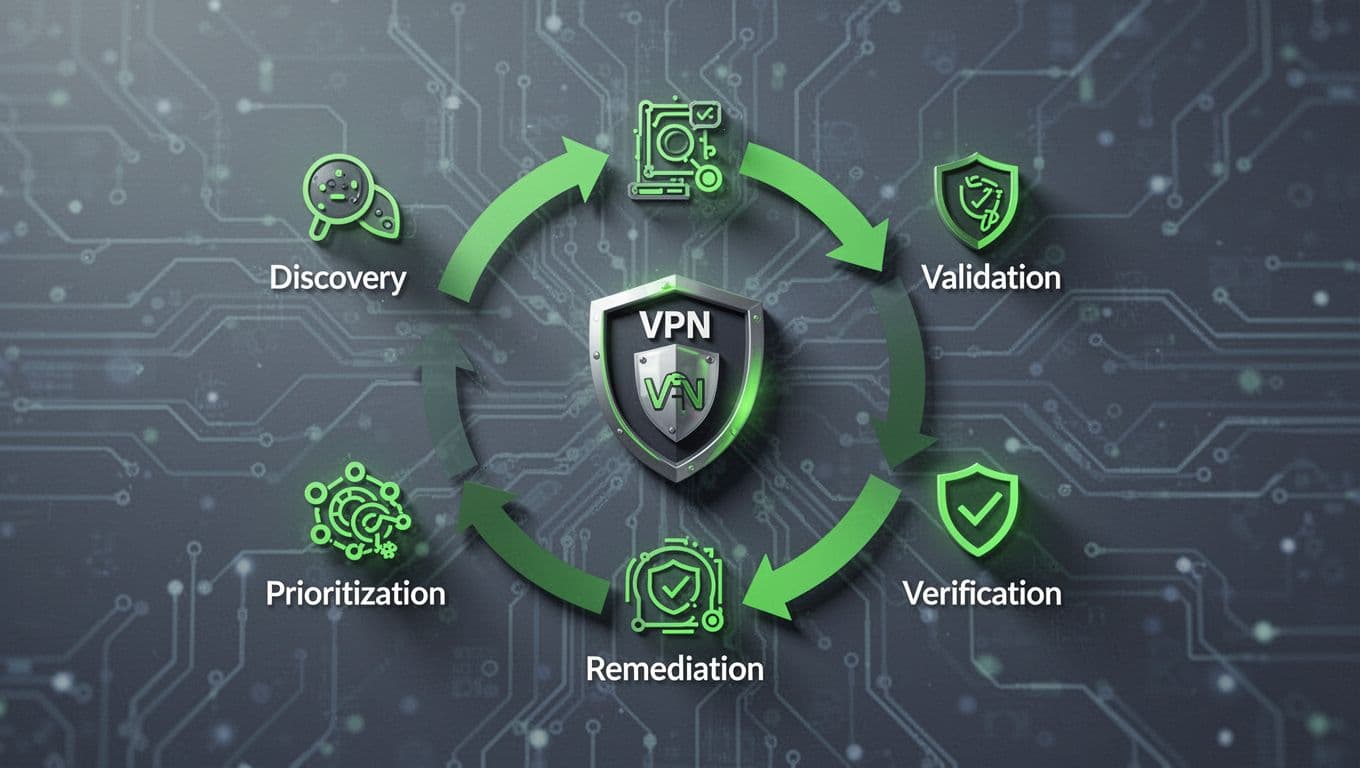
Tie stages into one workflow. Run weekly cycles on VPNs.
- Scope: Target internet-facing assets.
- Discover: Scan and inventory.
- Prioritize: Score with matrix.
- Validate: Test exploits.
- Mobilize: Assign, fix, verify.
Store in runbooks. Integrate with Jira for tickets. Review quarterly for lessons.
A CTEM-EXP-3 on corporate gateways details similar risks. Adapt to your stack.
Scale with tools. This playbook reduces exposure steadily.
Lessons Learned to Refine Your Process
Capture what works. After each cycle, log false positives and fix times.
Share across teams. Update playbooks with new vulns like WireGuard CVE-2026-27899.
Measure success: fewer P1s over time, faster MTTR.
Conclusion
Exposed VPN gateways demand ongoing CTEM attention. Playbooks turn chaos into routine wins.
You now have steps from discovery to verification. Start small, one perimeter scan weekly.
Strong processes beat perfect tools. If gaps persist, book a discovery call with Bud Consulting to build your team.
Your network stays safer.