table of contents
Losing a skilled application security tester hurts. These experts handle SAST scans, DAST runs, manual pentests, and threat models that keep apps safe from breaches. Yet teams watch them walk out the door amid 2026’s talent crunch.
You face burnout from tool overload and AI-driven code flaws. Turnover spikes because testers chase better pay or growth elsewhere. The good news? Simple changes retain them.
This post shares tactics tailored for AppSec managers. You’ll get real examples and metrics to track success.
Why AppSec Testers Leave Your Team
AppSec testers quit for clear reasons. Outdated tools slow their work. Noisy SAST alerts bury real vulns, while DAST scans lag behind CI/CD pipelines. Burnout follows.
Teams overload staff with manual reviews and validation. Add rising threats like supply chain attacks, and frustration builds. One tester might spend days chasing false positives instead of threat modeling.

Consider common mistakes. Managers assign broad scopes without support. Testers validate every finding solo, leading to exhaustion. Poor integration with devs means fixes drag.
Data backs this. Cybersecurity roles see high attrition from skill gaps and tool mess. Over 80% of pros note talent shortages tied to overwhelming workloads. Orgs with low AppSec maturity lose staff fastest.
Fix it early. Survey your team quarterly. Ask about tool pain points and workload. Adjust before resumes hit LinkedIn.
Map Out Career Growth Paths
Testers stay when they see a future. Junior roles scanning code evolve to leads running programs. Spell this out.
Start with defined tracks. A junior tester masters SAST/DAST basics in year one. Next, they handle secure code reviews and threat models. By year three, promote to senior with vuln validation ownership.
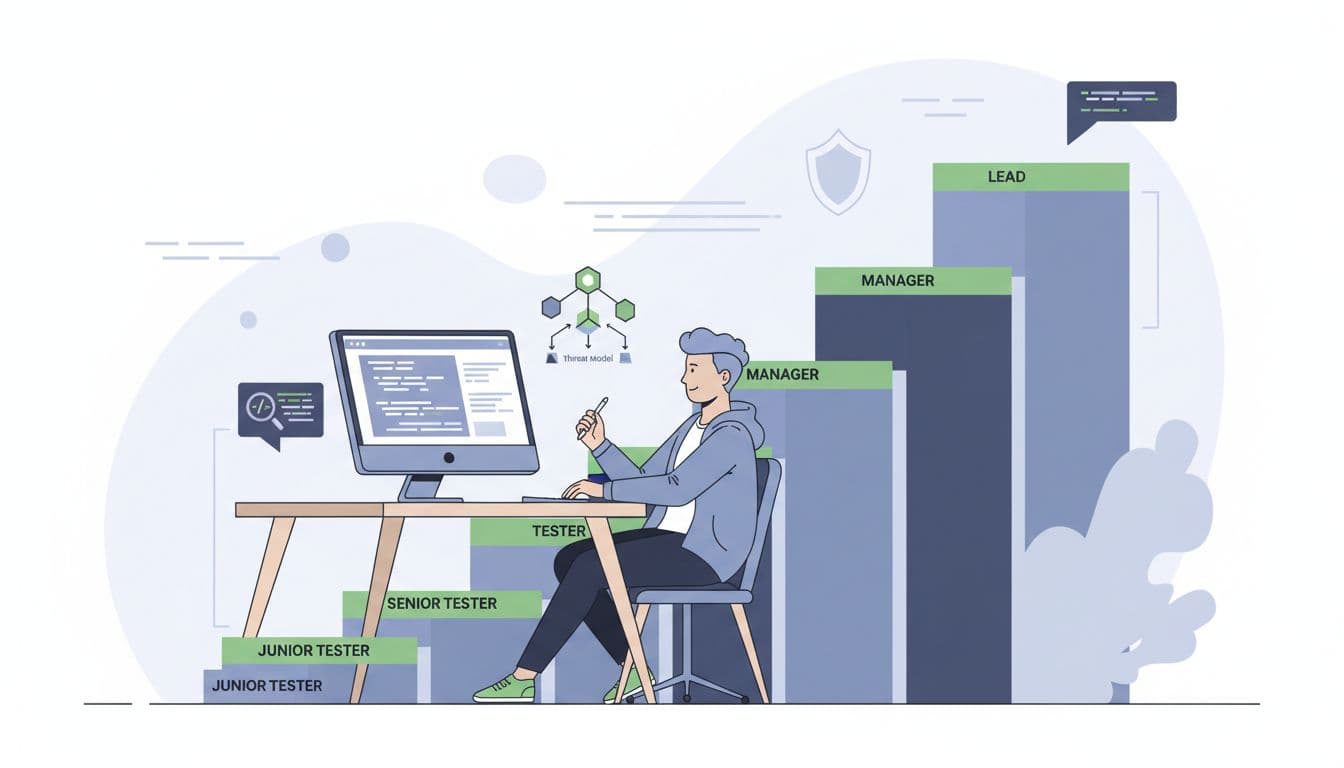
Offer mentorship programs. Pair juniors with seniors for weekly sessions on API pentests or mobile app testing. Track progress with quarterly reviews.
Real example: One firm sets vulnerability SLAs as milestones. Hit 90% remediation rates? Move up. This beats vague promises.
Common pitfall: No budget for conferences. Send testers to Black Hat or OWASP events. It builds skills and networks.
For managers eyeing promotion, check how to become an application security manager. Focus on metrics like MTTR for critical vulns.
Growth keeps talent. Teams with clear paths cut turnover by 25%.
Benchmark Compensation Against 2026 Market Rates
Pay matters in tight markets. AppSec testers command premiums for SAST/DAST expertise.
Base salaries hit $140K-$180K for mid-level in the US. Seniors top $220K with bonuses. Factor equity and remote perks.
Review annually. Use reports like the 2026 Cybersecurity Talent Report. It benchmarks roles and satisfaction factors.
Beyond base, add value. Offer 401(k) matches up to 6%. Health plans cover therapy for burnout. Paid time off starts at 25 days.
Mistake to avoid: Flat raises. Tie them to impact, like reduced repeat vulns. One policy: 15% bump for leading a DAST pipeline shift.
Remote work flexibility retains parents or commuters. Full remote with quarterly offsites works.
Match market, and testers stick.
Equip Teams with Modern Tools and Training
Clunky tools drive quits. Testers need SAST like Semgrep for fast PR feedback. DAST tools such as StackHawk fit dev workflows.
Shift to unified platforms. Combine SAST, DAST, and SCA in one dashboard. It cuts alert fatigue.
Train monthly. Hands-on labs cover AI vulns in generated code. Simulate runtime attacks post-deployment.
Example program: Weekly “tool Tuesdays.” Rotate OWASP ZAP for web apps, Acunetix for APIs. Certs like CSSLP boost resumes.
Budget $5K per tester yearly for training. Virtual iOS setups handle mobile testing gaps after 2025 changes.
Hiring pros want these skills. See ISC2 insights on aligning skills and hiring.
Modern setups boost efficiency. Testers fix more, stay longer.
Foster Work-Life Balance and Team Culture
Balance prevents burnout. Cap overtime at 10 hours weekly. Rotate on-call for prod vulns.
Build culture with peer recognition. Monthly shoutouts for clever threat models.
Team events matter. Hackathons pit testers against devs. Winners get swag or days off.
Policies help. Four-day weeks for some teams cut stress. Mental health days add four per year.
Avoid overload. Delegate routine scans to juniors. Seniors focus on strategy.
Strong culture retains. Teams with events see 20% less attrition.
Measure Retention Success in AppSec Teams
Track what works. Key metrics show progress.
Start with turnover rate. Aim under 10% yearly. Calculate as (exits / average headcount) x 100.
Next, engagement scores. Quarterly surveys hit 4/5 average. Ask about growth and tools.
| Metric | Target | Why It Matters |
|---|---|---|
| Turnover Rate | <10% | Flags attrition risks early. |
| Net Promoter Score | >50 | Gauges satisfaction. |
| Training Completion | 90% | Builds skills retention. |
| Vuln Remediation Time | <30 days | Ties to team impact. |
| Promotion Rate | 15% yearly | Shows growth paths. |
These KPIs link to business wins. Low turnover saves $100K per hire.
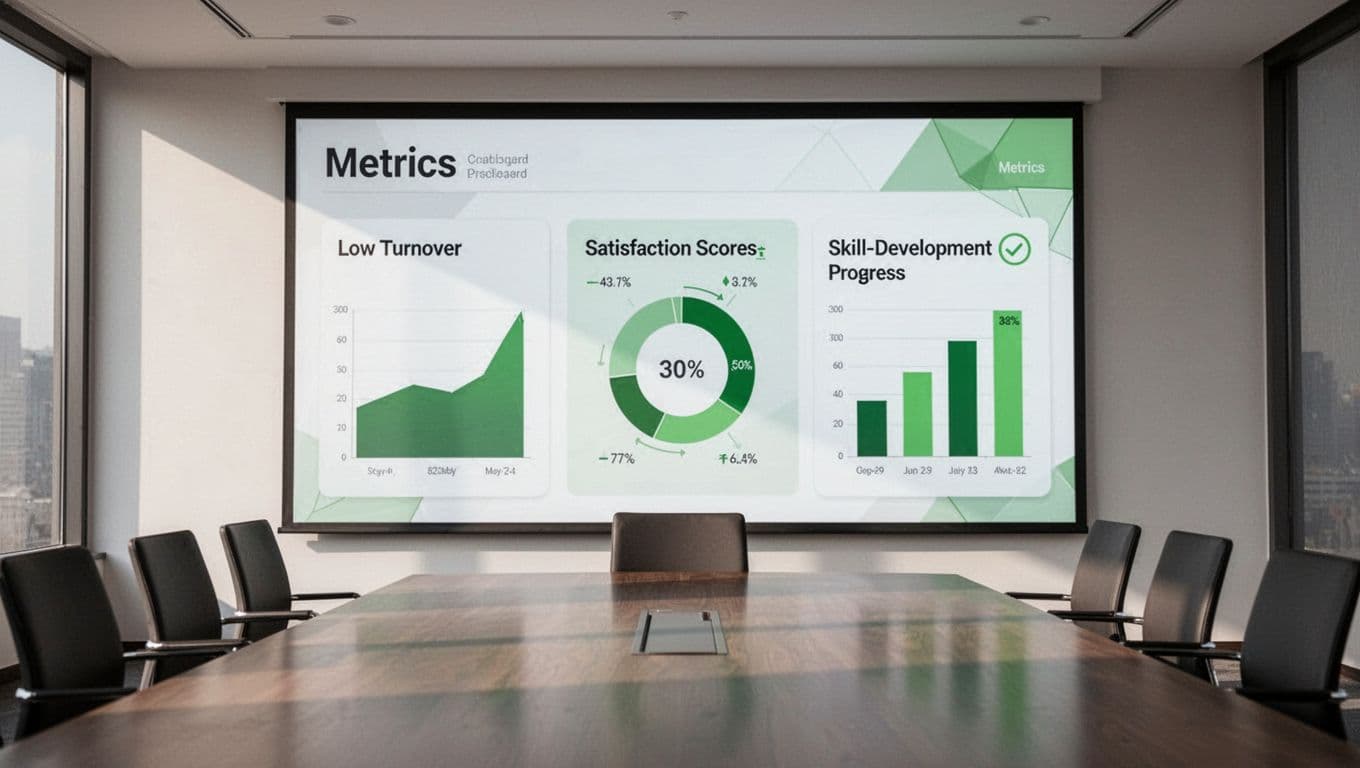
Review monthly. Adjust based on data. High exits in manual testing? Add automation.
Bud Consulting helps benchmark your team. Book a Discovery Call with Bud Consulting to dive deeper.
Key Takeaways for AppSec Retention
Retaining application security testers starts with understanding their pain. Clear paths, fair pay, good tools, balance, and metrics keep them.
Implement one change now. Survey your team or benchmark pay. Results follow.
Strong teams secure apps better. Your moves today build that edge.
(Word count: 1487)