table of contents
A major breach can wipe out millions in a day. Boards face more pressure than ever to grasp cyber threats. Yet many directors lack the tech background to cut through jargon.
SEC rules now demand clear details on how boards oversee cyber risks. You must describe processes in annual filings. This shift makes solid cyber risk reporting essential for governance.
Let’s break down the basics. You’ll learn key metrics, smart questions, and report tips to boost oversight.
Why Boards Own Cyber Risk Oversight Now
Public companies must report material cyber incidents within four business days. Boards approve response plans first. They also define what counts as material.
The 2026 Director’s Handbook on Cyber-Risk Oversight from NACD and ISA sets the standard. It lists six principles boards follow. Cyber risk ranks as a strategic issue, not just an IT problem.
Regulators want proof of processes. Vague statements won’t cut it. Boards now treat cyber like financial or legal risks.
For example, describe your oversight in Form 10-K filings. Note which committee leads it. Mention how you get updates, like from the CISO or dashboards.
This setup builds trust with investors. It also helps you spot gaps early.
Six Key Principles from the 2026 Handbook
The handbook outlines clear steps. First, view cybersecurity as enterprise-wide strategy. Link it to business goals.
Second, track legal demands. SEC rules require expertise details, not just a CISO title.
Third, set structures. Assign a committee owner. Bring in advisors if needed.
Fourth, pick a framework like NIST. Apply it across the company and vendors.
Fifth, demand business-focused reports. Tie metrics to dollars or downtime.
Sixth, build resilience. Share threat data with partners.
These principles guide regular briefings. They keep discussions practical.
Check the full 2026 Director’s Handbook on Cyber-Risk Oversight for tools like ransomware checklists.
Essential Cyber Metrics for Boards
Boards need simple numbers that matter. Skip tech details. Focus on business impact.
Key categories include risk posture, incidents, program status, and resilience. For instance, track mean time to detect breaches. Or measure patch coverage for critical vulnerabilities.
Here’s a quick view of board-level metrics:
| Metric Category | Example Measure | Why It Matters |
|---|---|---|
| Threat Exposure | Top vulnerabilities by business impact | Shows gaps that could hit revenue |
| Incident Response | Time to contain incidents | Tests if you meet SEC deadlines |
| Program Maturity | Third-party risk coverage | Flags supply chain weak spots |
| Financial Impact | Potential loss from ransomware | Aligns with risk appetite |
Tailor these to your size and sector. Management translates data into terms you understand.
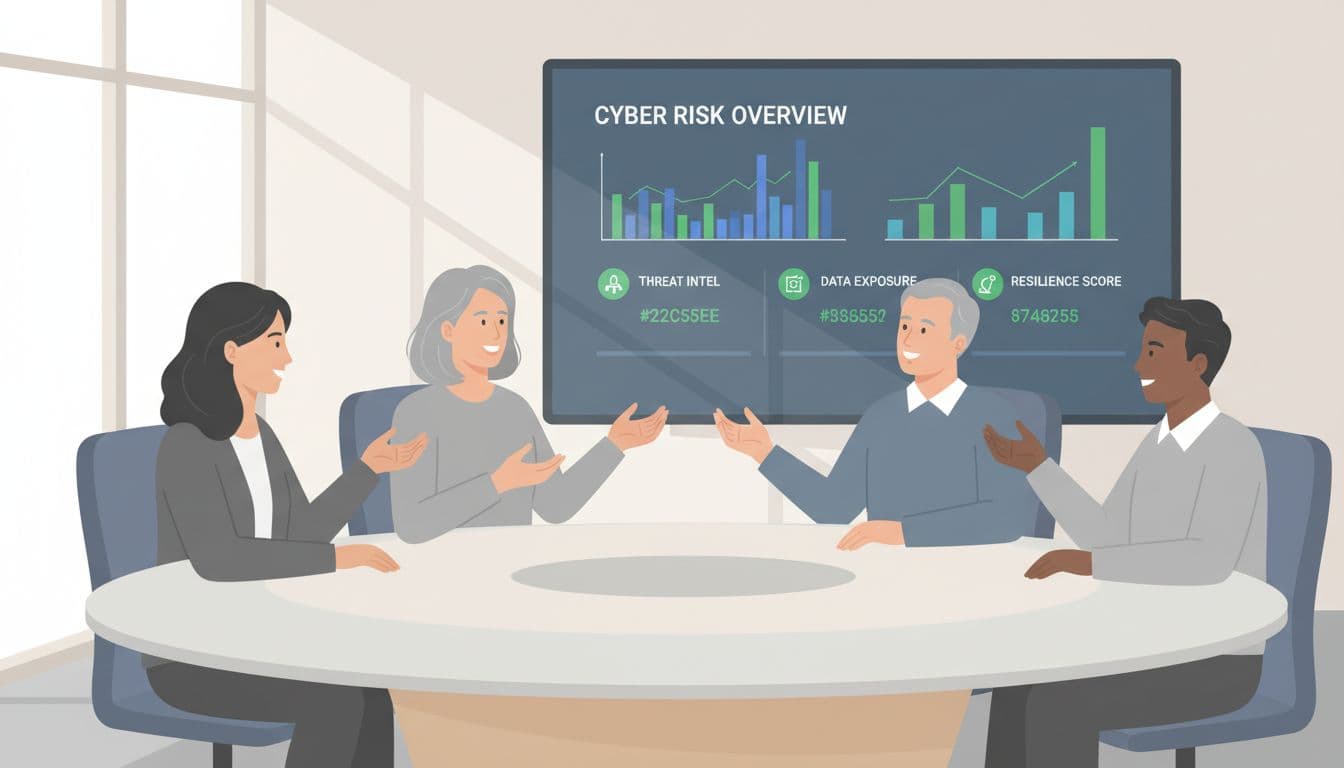
See more in the NACD board-level cybersecurity metrics toolkit. These help benchmark against peers.
Use them quarterly. They drive decisions on budgets or hires.
Smart Questions Directors Should Ask
Good questions sharpen reports. They force clear answers from the CISO.
Start with risk appetite. “Does our exposure stay within limits?” Follow with incidents. “What happened in the last breach? What changed?”
Ask about readiness. “Can we meet the four-day SEC report deadline?” Probe metrics. “What’s our downtime risk from attacks?”
On vendors, query coverage. “How do we assess third-party risks?” Test resilience. “What if quantum threats hit encryption?”
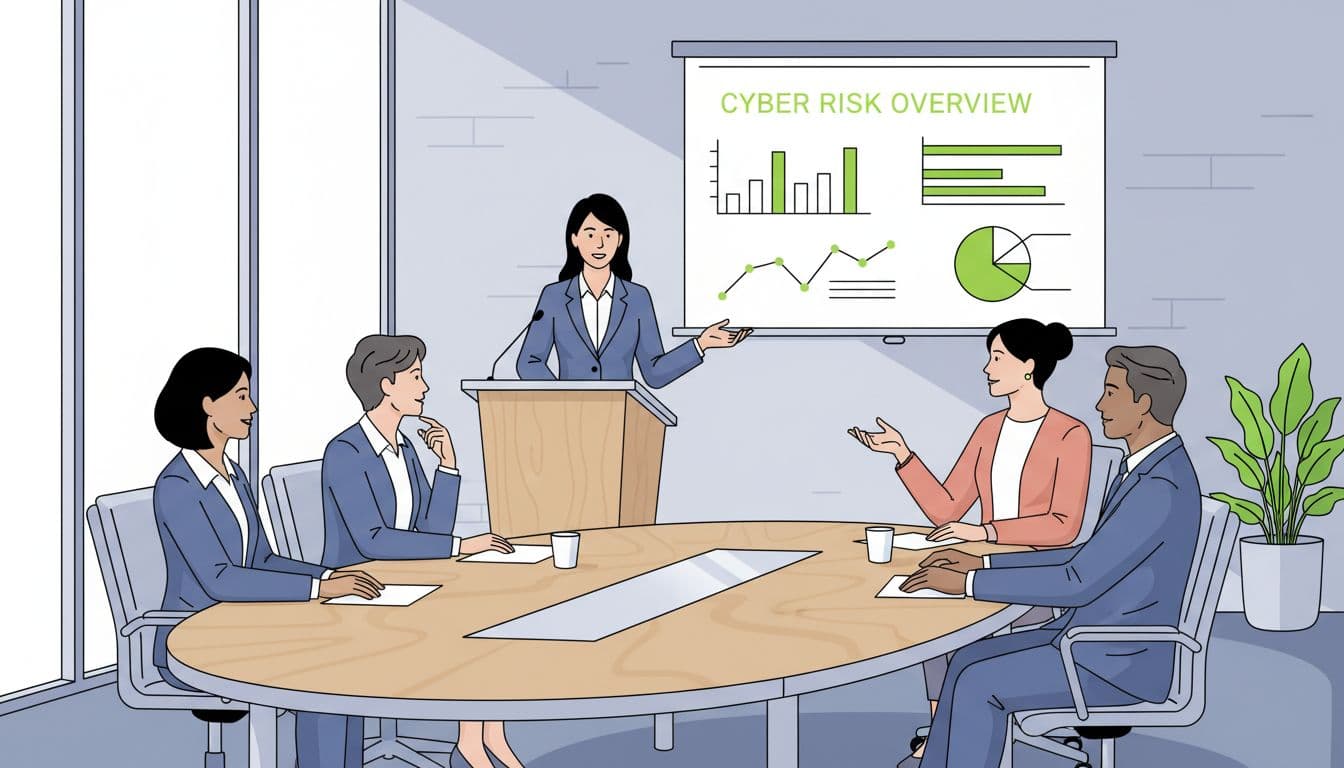
Directors who ask these build accountability. The CISO links tech to strategy.
PwC notes CISOs succeed by framing reports around risk exposure and readiness.
Best Practices for Board-Ready Cyber Reports
Keep reports short. Aim for two to four pages. Start with risk summary, then events, status, and asks.
Align with meeting cycles. Make cyber a standing item.
Use dashboards. Show trends, top risks, and impacts. Avoid jargon.
For instance, NightFortress suggests opening with posture, then key events. Close with decisions needed. This treats cyber as routine governance.
ISACA stresses board language. Translate IT events to strategy impacts in their white paper.
Test reports. Does it help decisions? If not, refine.
Need expertise? Book a Discovery Call with Bud Consulting to source CISO talent or advisors.
Key Takeaways for Board Cyber Oversight
Strong cyber risk reporting empowers decisions. Use the six principles and metrics to stay ahead.
Boards that ask sharp questions and demand concise updates meet SEC rules. They also protect the enterprise.
Start with one quarterly briefing. Build from there. Your oversight sets the tone.