table of contents
Cloud breaches hit harder and faster now. In May 2026, reports show attackers exploit unpatched apps and identity gaps in AWS, Azure, and GCP within hours. You need someone who can lead the charge when alarms blare.
As a CISO or IT director, you’re under pressure to cut response times. A cloud incident response lead steps in to coordinate teams, contain threats, and restore operations. This guide walks you through spotting the right candidate, from skills to scorecards.
Let’s start with the role basics.
What Does a Cloud Incident Response Lead Do?
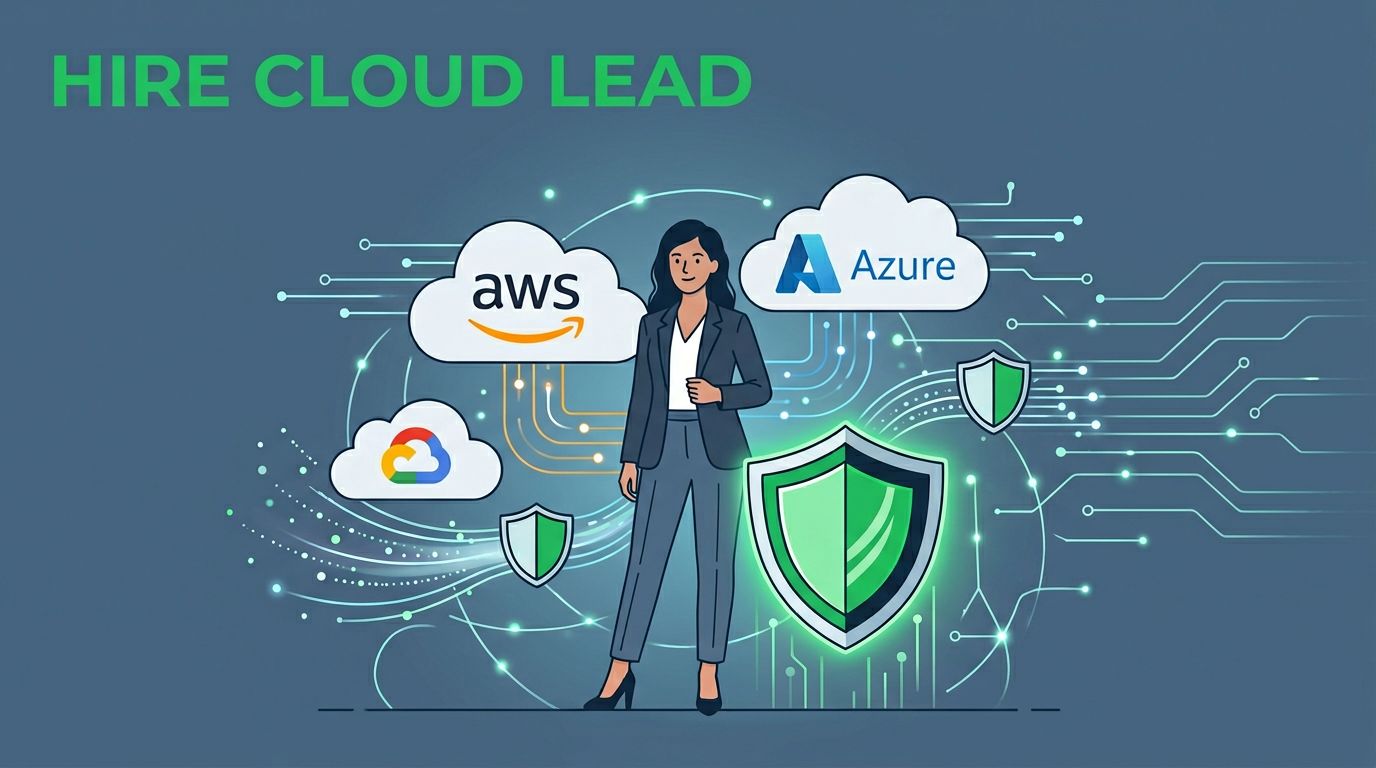
This leader owns the front line during cloud attacks. They direct triage, containment, and recovery across multi-cloud setups. Think of them as the quarterback calling plays when ransomware locks S3 buckets or Azure VMs spin up unauthorized workloads.
Daily, they build playbooks tailored to your stack. For AWS, that means scripting Lambda functions to isolate compromised EC2 instances. In Azure, they drill Sentinel alerts for anomalous Log Analytics queries. On GCP, they parse Cloud Audit Logs to trace lateral movement.
They also run tabletop exercises. These simulate a GCP BigQuery data exfil or AWS GuardDuty malware flag. The goal? Shave minutes off mean time to respond (MTTR), now critical as 2026 trends show exploits collapsing from weeks to days.

Leads brief executives too. After a breach, they map root causes like over-permissive IAM roles. They then push fixes, such as just-in-time access. Citi’s Lead Cloud Incident Responder role highlights this: align IR with business goals while evolving cloud ops.
In short, they turn chaos into controlled recovery.
When to Hire One Over a General Security Leader
Not every org needs this specialist right away. Hire a cloud incident response lead if your stack exceeds 50% cloud workloads or you’ve faced two-plus incidents yearly. General CISOs handle strategy; this role executes in the heat.
Consider your maturity. If basic logging lags, fix that first with a security engineer. But multi-cloud sprawl demands focus. Google’s Cloud Threat Horizons H1 2026 notes unpatched third-party apps now top entry points, outpacing credentials.
Opt for a lead when incidents cross providers. A broader leader might overlook Azure Sentinel nuances versus AWS Detective. Leidos’ CloudOne IR Manager job stresses multi-cloud forensics with tools like Splunk.
Scale matters too. Startups bootstrap with MDR services. Enterprises build internal teams. If downtime costs millions hourly, prioritize this hire. It prevents repeats like 2025’s shared infra blasts.
Hire now if AI agents and non-human identities (NHIs) multiply risks. They demand cloud-specific hunts.
Key Skills Every Candidate Must Have
Look for hands-on cloud responders first. They hunt threats in live environments, not just theory. Core: multi-cloud forensics, automation, and crisis command.
Technical chops include AWS GuardDuty triage, Azure Defender hunts, and GCP Chronicle analysis. They script in Python or Terraform to auto-quarantine. Real-time data shows AI anomaly detection cuts alerts by 60%, so probe ML tool experience.
Soft skills seal it. They rally DevOps during 2 a.m. alerts and translate tech to boards. Leadership means mentoring juniors on playbooks.
Certifications validate depth. Prioritize these for 2026:
| Certification | Cloud Focus | Why It Matters |
|---|---|---|
| GIAC GCFR | AWS, Azure, GCP forensics | Proves in-cloud IR workflows |
| AWS Certified Security – Specialty | GuardDuty, IAM | Handles AWS breaches |
| Azure Security Engineer | Sentinel, Defender | Hybrid threat response |
| Google Professional Cloud Security Engineer | Chronicle, Security Command Center | Multi-cloud protection |
| GIAC GCIL | Incident leadership | Team coordination |
The GIAC Cloud Forensics Responder cert stands out for event-driven AWS responses. JFrog’s Incident Response Lead lists EDR, SIEM mastery.
Test with scenarios: “Walk me through a GCP RCE exploit.” Expect containment via firewall rules, then forensics.
Top Places to Source Candidates
Networks beat job boards. Post on LinkedIn with “multi-cloud IR lead” tags. Target AWS re:Inforce or Black Hat attendees.
Recruiters specialize here. Firms like Bud Consulting fill hard roles in cloud security. Book a Discovery Call with Bud Consulting to discuss your gaps.
Communities yield gems. Check Reddit’s r/cloudsecurity or DEF CON IR villages. Referrals from peers work best; ask CISOs who’ve scaled teams.
Screen resumes for 7+ years in IR, plus cloud migrations. Nebius’ IR Lead seeks regulated env experience.
Aim for 20-30 applicants, then phone screen.
Sample Interview Questions to Ask
Interviews reveal true fit. Mix behavioral, technical, and scenario-based. Start with: “Describe leading a multi-cloud breach.”
Probe cloud specifics:
- “How do you contain an AWS S3 bucket exfil detected by GuardDuty?”
- “Walk through Azure Sentinel triage for anomalous Log Analytics.”
- “In GCP, how do you hunt via Cloud Audit Logs after RCE?”
Test leadership: “How do you handle exec pressure mid-incident?” Expect structured comms plans.
For trends, ask: “How does AI change IR in 2026?” Good answers cite UEBA for NHIs.

Draw from ThinkCloudly’s cloud IR questions. Rate responses on depth. Top candidates reference playbooks and post-mortems.
Follow with a live sim. Provide a mock AWS console; time their steps.
Build a Candidate Scorecard Template
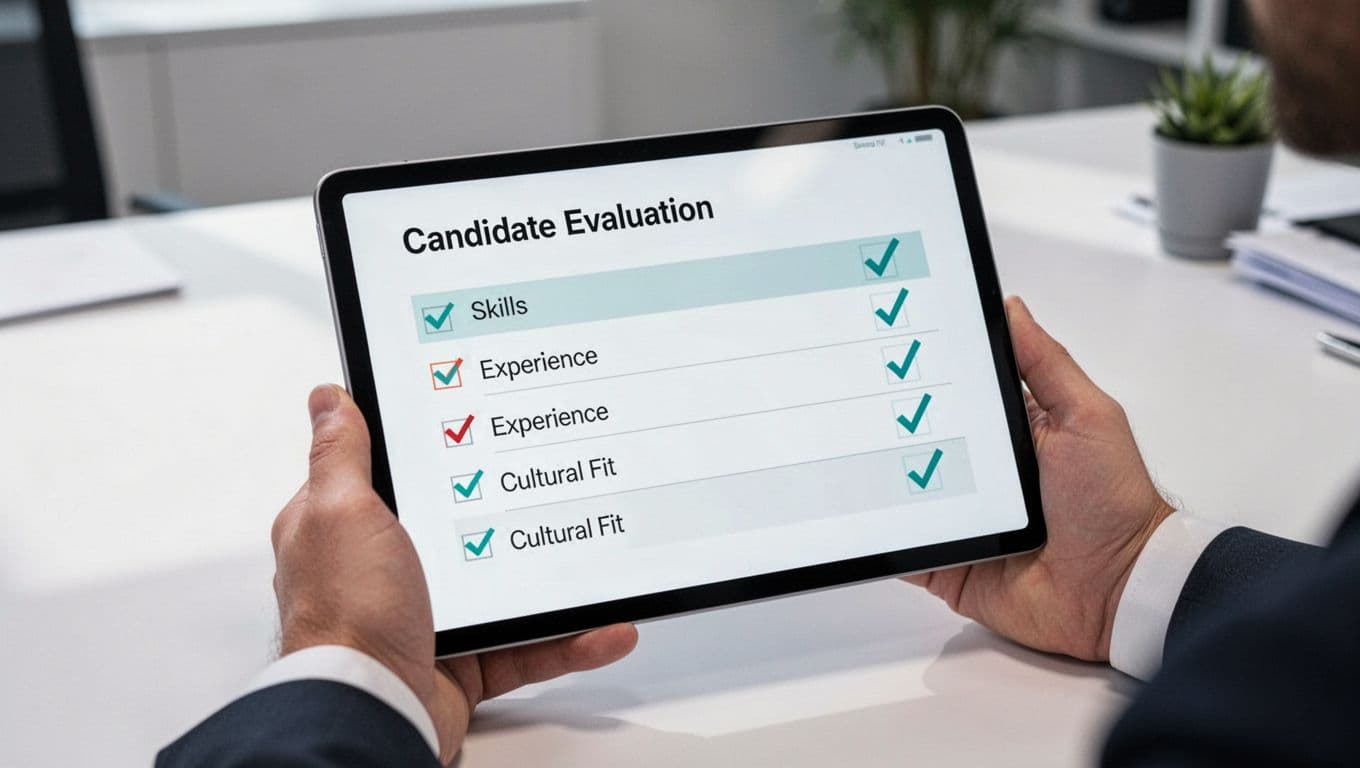
Score consistently to avoid bias. Use a 1-5 scale across categories. Weight technical 40%, leadership 30%, fit 30%.
Here’s a simple template:
| Category | Criteria | Score (1-5) | Notes |
|---|---|---|---|
| Technical Skills | Multi-cloud IR, automation | ||
| Certifications/Experience | 7+ years, key certs | ||
| Leadership | Team coord, comms | ||
| Cultural Fit | Aligns with values | ||
| Scenario Performance | Live sim results | ||
| Total (out of 25) |
Threshold: 20+ to advance. Wiz’s Incident Manager uses similar for FedRAMP roles. Review as a panel; average scores.
This cuts bad hires by 50%.
Set Realistic Salary Expectations
In 2026, expect $220K-$350K base, plus equity. SF/NY tops $400K total comp. Factors: experience, certs, location.
Demand spikes 15-20% yearly per trends. Offer equity for startups. Negotiate sign-on for quick starts.
Benchmark via Levels.fyi. Perks like MDR budgets attract talent.
Avoid These Hiring Pitfalls
Don’t chase generalists. Cloud IR demands provider depth; skip on-prem heroes without AWS/Azure proof.
Overlook culture at your peril. They join high-stress shifts; ensure team fit.
Rush without sims. Resumes lie; test under fire.
Qualys’ 2026 Cloud Forecast warns of persistent misconfigs. Hire for proactive hunts.
Conclusion
Pick a cloud incident response lead who thrives in AWS, Azure, GCP chaos. Focus on certs like GCFR, scenario mastery, and scorecard rigor to build a resilient team.
Strong hires slash MTTR and breach costs. Your next incident depends on this choice. Start sourcing today.