table of contents
Your vulnerability scanners generate mountains of alerts every day. Teams drown in noise from tools like Tenable, Qualys, or Rapid7. Continuous Threat Exposure Management (CTEM) changes that. It pulls in scanner data and adds context for smarter decisions.
CTEM doesn’t replace your scanners. It works with them to spot real risks faster. In 2026, with hybrid clouds and AI threats rising, this integration cuts false positives and speeds fixes. You’ll see how in the sections below.
Why CTEM Complements Your Scanners
Vulnerability scanners excel at finding flaws. Tenable.io scans networks deeply. Qualys VMDR handles cloud assets well. Rapid7 InsightVM ties into DevOps pipelines. Yet they often miss business context or external exposures.
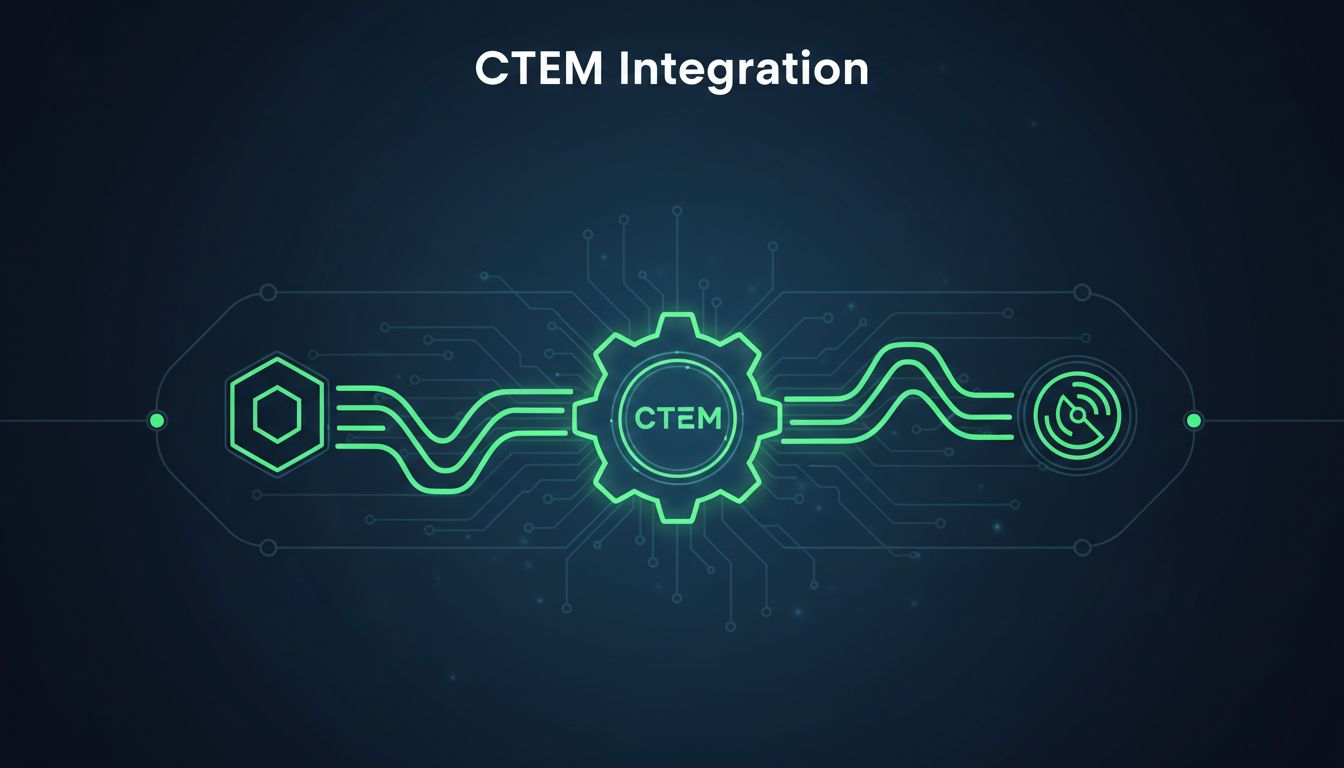
CTEM platforms fill those gaps. They follow Gartner’s five steps: scope assets, discover issues, prioritize risks, validate exploits, and mobilize remediation. Scanners feed raw data into CTEM. The platform then matches it against threat intelligence and asset criticality.
For example, a scanner flags a CVSS 9.8 vuln on an internal server. CTEM checks if it’s internet-facing or tied to crown-jewel data. Result? Better prioritization without scrapping your tools.
This setup saves time. SOC teams waste 42% less effort on noise, per recent reports. It also extends your scanners’ life, maximizing ROI.
Benefits of CTEM and Scanner Integration
Integration turns scanner alerts into actionable insights. Duplicate suppression alone drops alert volume by 50-70%. Risk scores factor in exploitability, not just severity.
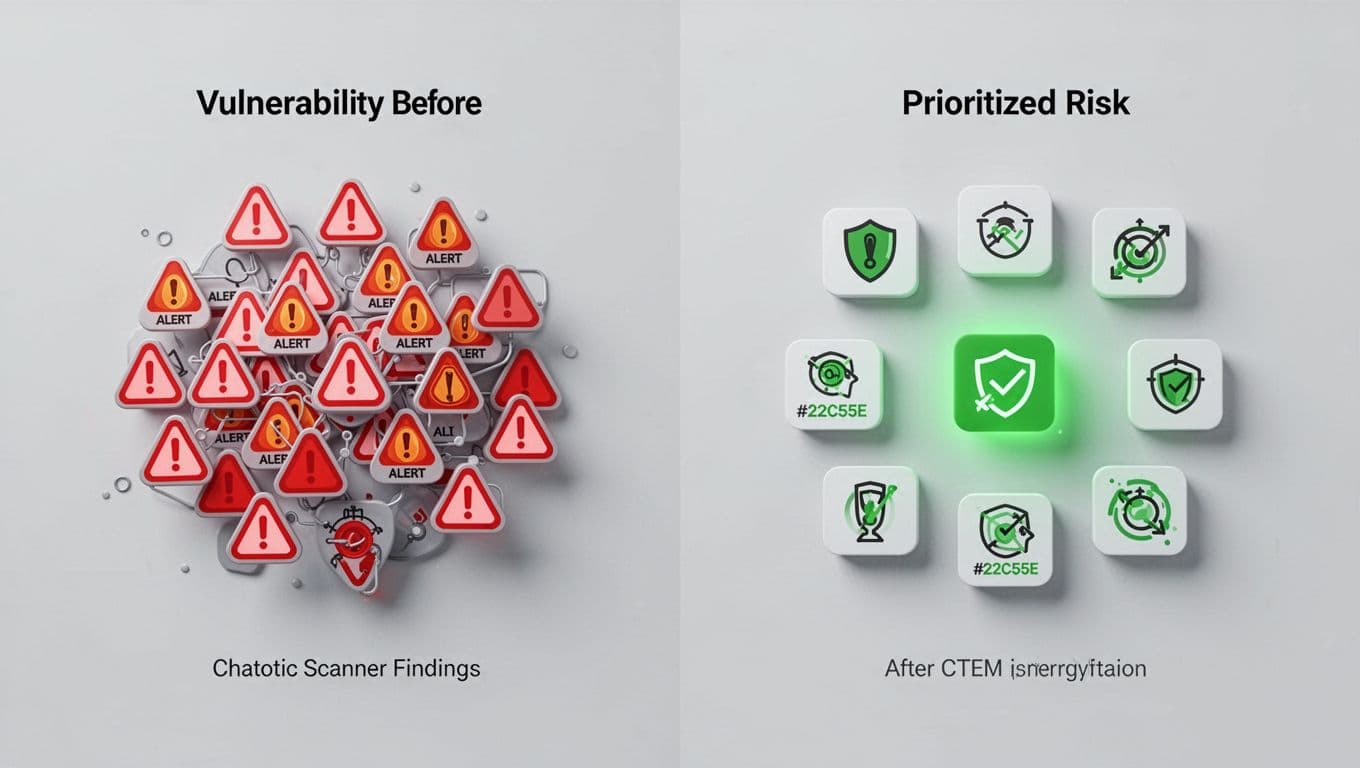
Before integration, scanners flood tickets with repeats across tools. After, CTEM normalizes data. It uses stable IDs like cloud resource ARNs or IP addresses to merge findings.
Risk-based prioritization shines here. CTEM weighs scanner data against reachability and blast radius. A high-CVSS flaw on a low-value asset drops in priority. Meanwhile, a medium-severity issue on a customer portal jumps up.
Remediation gets orchestrated too. CTEM auto-assigns tickets in ServiceNow or Jira. It tracks patches and revalidates. In 2026, with AI-driven attacks, this continuous loop keeps defenses current.
Teams report 3x lower breach risk. Governance improves as dashboards show exposure trends across scanners.
APIs and Connectors for Seamless Data Flow
Most scanners offer APIs or pre-built connectors. Start with those. Qualys connectors link to Rapid7 and Tenable for VMDR data ingest. Tenable’s third-party integrations pull from Qualys WAS or Rapid7 InsightVM.
Asset identity matching is key. Use rules based on FQDN, MAC, or tags. Mismatch leads to ghost assets. Deduplicate by vuln ID or hash.
Cloud-native scanners like AWS Inspector integrate via APIs too. CTEM platforms query them for ephemeral resources.
Governance matters. Set sync schedules, like daily for critical assets. Audit logs track data flow. Open standards ease this; avoid proprietary formats.
Step-by-Step Integration Guide
Ready to connect? Follow this checklist. It assumes a CTEM platform with scanner support.
- Scope your assets. List critical ones: internet-facing servers, cloud workloads. Query existing CMDBs.
- Choose connectors or APIs. Check docs for your scanner. For Tenable, enable the Qualys connector. Test API keys.
- Map identities. Define matching rules. Match on hostname first, then IP. Suppress duplicates if scores align within 10%.
- Ingest and prioritize. Pull vuln data. Apply CTEM scoring: add threat intel from MITRE ATT&CK.
- Validate and remediate. Run safe exploit tests. Orchestrate fixes via ticketing. Re-scan post-patch.
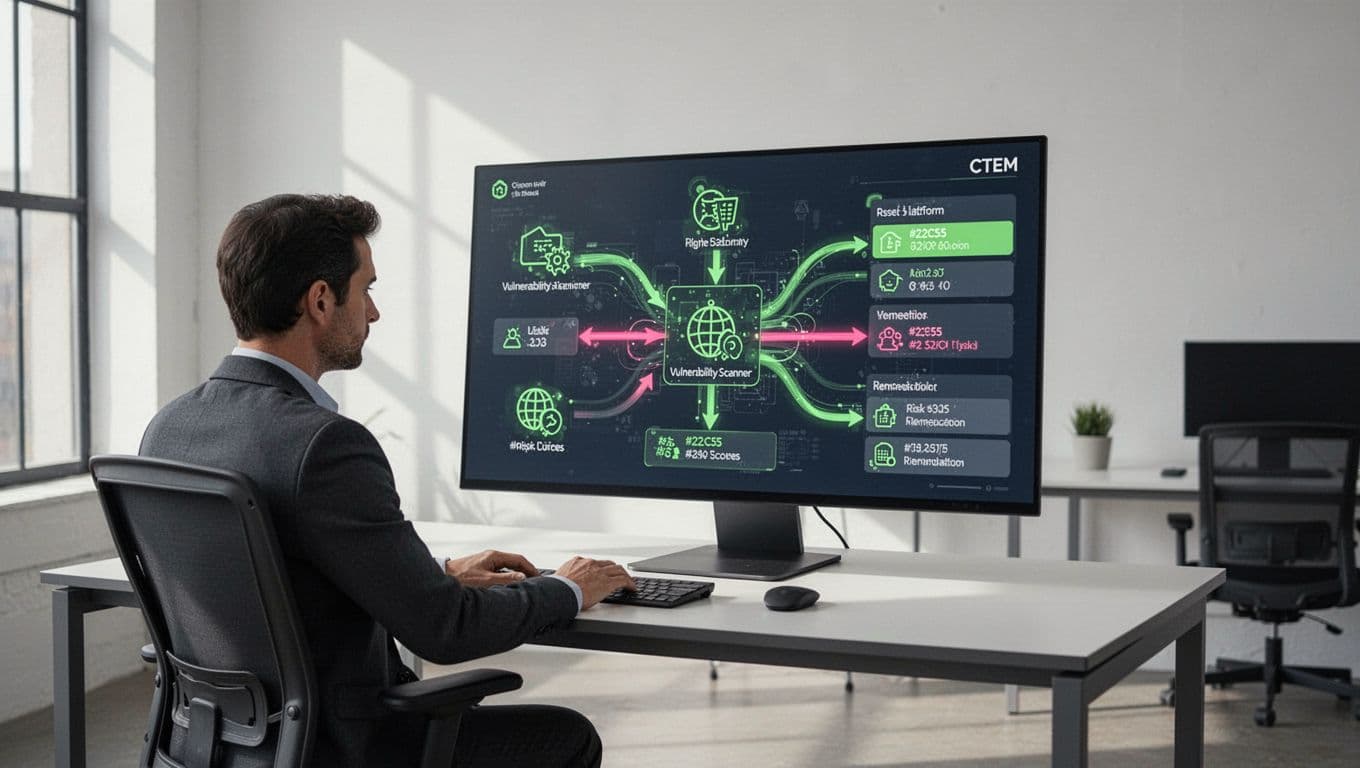
Pilot on one scanner first. Tenable users often start with EASM feeds. Scale after a week.
Common Pitfalls in CTEM Integration
Poor asset matching creates duplicates. Solution: standardize IDs early. One team spent weeks cleaning ghosts from mismatched IPs.
Over-syncing taxes APIs. Limit to changed data only. Use webhooks where available.
Ignoring governance leads to stale views. Mandate weekly reviews. In 2026, regs like updated NIST demand this.
Validation skips cut false positives but miss edge cases. Balance with BAS tools.
Test in staging. Rapid7 users note Jira plugin quirks; tweak mappings.
Conclusion
CTEM integration supercharges your scanners without replacement. You gain unified views, smarter prioritization, and faster fixes. Start small, focus on APIs and matching, and watch noise drop.
In 2026’s threat environment, this approach fits hybrid setups perfectly. Teams handle more with less fatigue. For help tailoring it to your stack, book a discovery call with Bud Consulting. Your exposure management just got stronger.