table of contents
Internet-exposed industrial control systems draw attackers. You manage PLCs, SCADA servers, and HMIs that run factories or utilities. One open port can halt production or risk safety.
Traditional vulnerability scans disrupt operations. They ignore OT realities like legacy gear and uptime demands. CTEM workflows offer a better path. They prioritize risks, validate threats safely, and fix issues without downtime.
This article covers workflows tailored for exposed ICS. You’ll see practical steps, examples, and outcomes that keep systems running.
Why Exposed ICS Demand CTEM Workflows
Exposed ICS face constant probes. Attackers scan for weak remote access or unpatched HMIs. A single flaw lets them pivot to core controls.
OT networks differ from IT. Legacy PLCs from the 90s run without updates. Downtime costs thousands per hour. Safety interlocks prevent risky changes.
CTEM workflows address this. They map exposures continuously. Teams focus on high-impact issues first. For example, segment internet-facing RTUs from production lines.
Tools spot misconfigs like open Modbus ports. But workflows add context. Is that port on a critical pump? Does it link to safety systems?
Results show value. Teams cut exploitable exposures by 40% in months. Uptime stays high because fixes align with maintenance windows.
OT security teams succeed here. They balance cyber risks with operations. Start by inventorying exposed assets weekly.
The Five Phases of CTEM Workflows in OT
CTEM runs in cycles. Each loop sharpens defenses. Gartner outlines five phases: scoping, discovery, prioritization, validation, and mobilization.
This structure fits ICS. It avoids blanket scans that crash HMIs.

The cycle repeats. After fixes, rescan. This catches new exposures from vendor updates or remote tweaks.
In OT, phases respect constraints. Passive monitoring dominates. No active pings during peak hours.
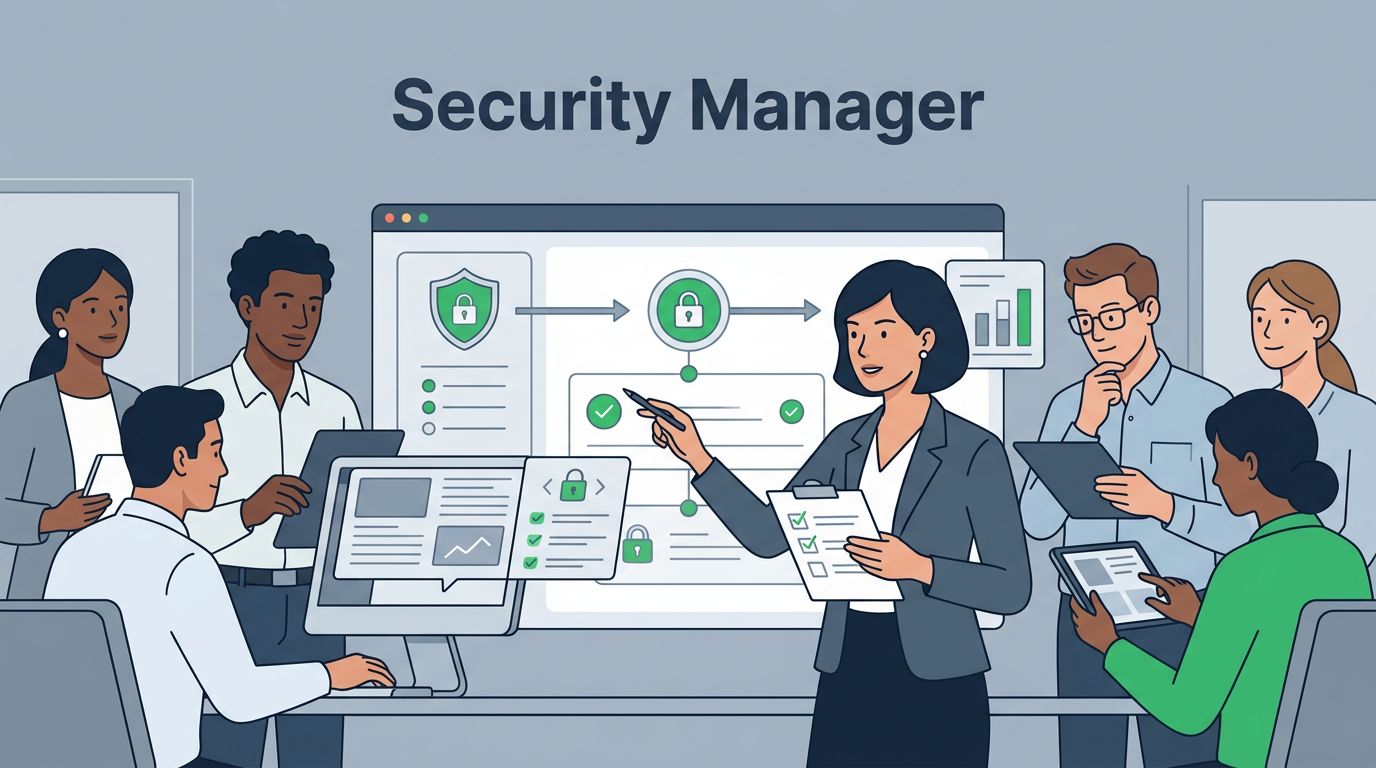
Teams assign owners per phase. OT engineers handle scoping. Security leads validation.
Outcomes build over time. One plant reduced critical risks 60% after three cycles.
Phase 1: Scope Your ICS Assets Effectively
Start with scoping. List assets that matter most. Focus on exposed ones like internet-facing HMIs or VPN endpoints.
Ask key questions. Which control a turbine? Connect to safety PLCs? Handle remote diagnostics?
Use Purdue model levels. Prioritize Level 2 HMIs over office IT. Map third-party remote access tools.
Tools help. Passive asset discovery pulls from traffic. No disruption.
Example: A refinery scopes 500 PLCs. They tag 50 as high-value. Exposed web interfaces top the list.
This phase sets workflow success. Narrow scope cuts noise. Teams act faster.
Document in a shared sheet. Include IP, function, and exposure type. Update quarterly.
Phase 2: Discover Exposures Passively
Discovery finds hidden risks. Scan for open ports, weak protocols, and misconfigs.
In ICS, go passive. Analyze traffic for Modbus/TCP or DNP3. Spot legacy Windows on HMIs.
Check internet exposure. Tools query Shodan-like feeds. Find your RTUs publicly.
Combine sources. Network logs plus vendor advisories. Catch supply chain flaws.
One utility discovered 20 exposed SCADA servers. All from old VPN setups.
Workflow tip: Automate daily. Alert on new finds. Integrate with ticketing.
This phase feeds prioritization. You see the full picture without touching gear.
Phase 3: Prioritize Risks by Real Impact
Scores alone mislead. Prioritize by exploitability and consequence.
Factor OT context. Does a flaw allow valve control? Impact production or safety?
Use business impact. Downtime cost per hour. Regulatory fines.
Threat intel helps. Is CVE targeted at ICS? Check active campaigns.
Example matrix:
| Risk Factor | Low Impact Example | High Impact Example |
|---|---|---|
| Exploitability | Unpatched test HMI | Remote code on production PLC |
| Business Consequence | Office file share exposure | Turbine control via open port |
| Safety Tie | No safety link | Linked to emergency shutdown |
High rows demand action first. This table guides weekly triage.
Teams fix 70% of top risks faster. Focus wins.
For deeper OT prioritization, check OTorio’s exposure management approach.
Phase 4: Validate Without Operational Harm
Validation tests reality. Does the exposure work? Can attackers chain it?
Passive rules here. Mirror traffic to safe labs. Simulate paths without live probes.
Use OT-specific tools. They parse ICS protocols safely.

Green shields mean safe checks. No production impact.
Example: Validate RDP on an HMI. Replay packets offline. Confirm block by segmentation.
Document proof. Screenshots, logs. Share with operators.
This step cuts false positives 50%. Operators trust fixes.
Piscium outlines non-disruptive validation for OT.
Phase 5: Mobilize Fixes with OT Teams
Action closes loops. Assign tasks across IT, OT, and vendors.
Plan remediations. Patch during shutdowns. Add air gaps or proxies for legacy.
Segment aggressively. Purdue zones block lateral moves.
Remote access? Enforce MFA, zero trust.
Track progress. Dashboards show fix rates.
A water plant mobilized firewall rules. Closed 15 exposures. No downtime.
Automate where safe. Alerts trigger tickets.
Loop back. Rescope after changes.
Tailoring Workflows for Legacy and Remote Risks
Legacy systems dominate ICS. Windows XP HMIs resist patches.
Workflows adapt. Virtual patching via IPS. Monitor, don’t touch.
Remote access grows. Vendors dial in. Exposures spike.
Require bastions. Log all sessions. Validate endpoints.
Example: Factory mandates VPN whitelisting. CTEM spots rogues.
Uptime stays 99.9%. Safety holds.
Integrate with EDR. Light footprint for OT.
Segmentation Strategies in CTEM Workflows
Segmentation limits blast radius. Core to workflows.
Use data diodes for one-way flows. Chasm IT-OT.
Micro-segment Level 0/1 devices.
CTEM validates segments. Test paths post-change.
One oil firm segmented RTUs. Attack paths dropped 80%.
Tools model flows. Predict breaks.
Measuring CTEM Workflow Outcomes
Track metrics. Mean time to remediate top risks. Under 30 days.
Exposure score trends. Fewer criticals over cycles.
Business wins. Uptime KPIs. Incident reductions.
Audit logs prove compliance. NERC CIP or IEC 62443.
Dashboards unify views. OT engineers see value.
Zscaler details holistic CTEM metrics.
Teams report 50% faster fixes. Real resilience.

Dashboards like this drive decisions.
Common Pitfalls and How to Avoid Them
Over-scanning crashes gear. Stick to passive.
Ignore operators? Fixes fail. Involve early.
Siloed teams slow cycles. Joint war rooms work.
Vendor blind spots. Demand their CTEM data.
Weekly reviews fix these. Adjust workflows.
Scaling CTEM Across Sites
Multi-site ICS? Centralize scoping. Localize fixes.
Cloud tools aggregate. FedRAMP for utilities.
Start small. One plant, expand.
Consultants accelerate. Book a Discovery Call with Bud Consulting for tailored advice.
Conclusion
CTEM workflows secure exposed ICS without sacrifices. Cycles of scope, discover, prioritize, validate, and mobilize build lasting defenses.
Uptime and safety improve. Risks drop measurably.
Run your first cycle this week. Operations thank you.