table of contents
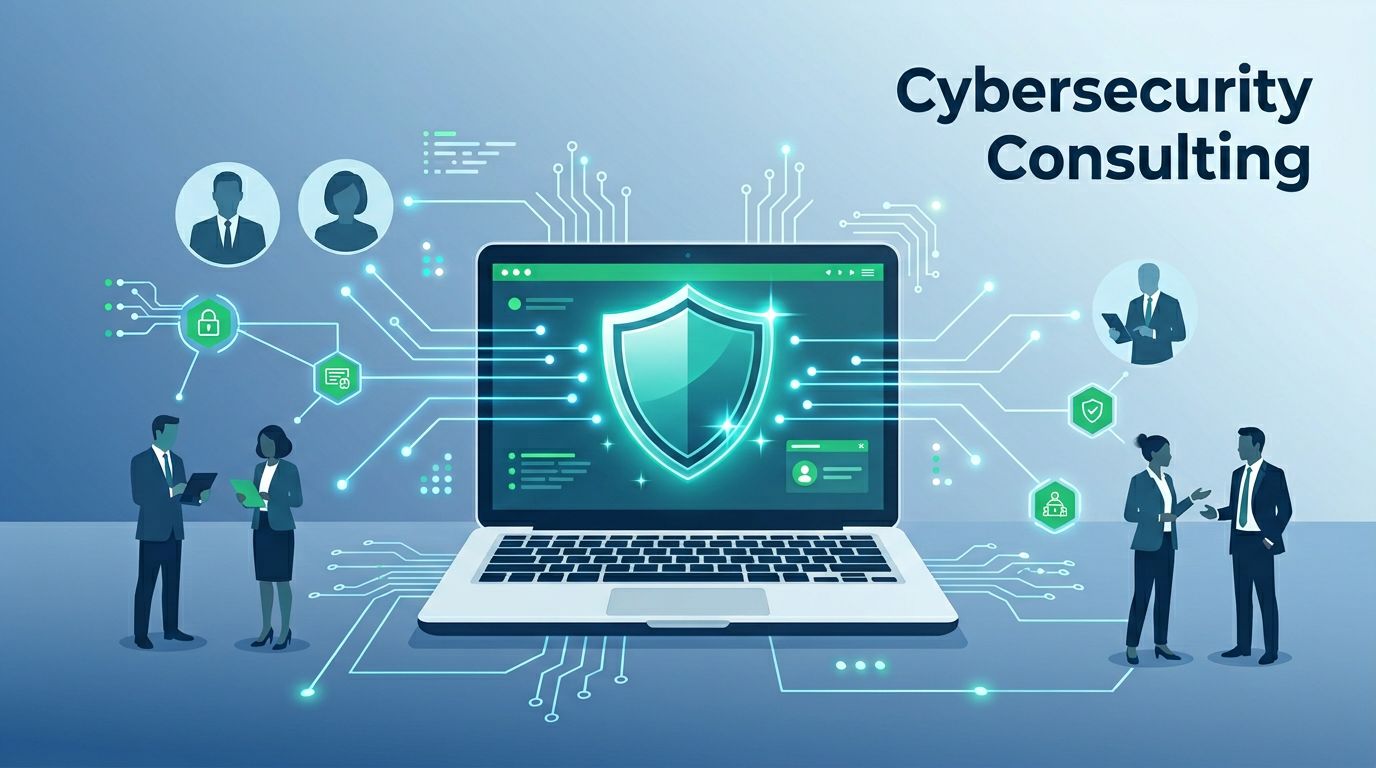
Have you ever considered becoming a cybersecurity consultant? If you want work that mixes technical depth, customer contact, and real business pressure, cybersecurity consulting is one of the clearest paths.
This space is broad. You can spend one day helping a company respond to an active incident, then shift into penetration testing, then finish the week reviewing a security program with business leaders. Struggle Security is built around normalizing struggling in cybersecurity, and that is part of what makes this field worth talking about.
Why Cybersecurity Consulting Draws So Much Attention
A lot of people look at cybersecurity consulting and only see the title. They miss the actual work.
The job is practical. You step into a real business problem, help sort out the technical issues, and give the client a path forward. If you are new to the field, this matters because consulting is not one role. It is a set of services with different goals, different tools, and different types of customers.
That is why this topic matters for newer professionals. You need to understand what consulting firms actually do before you decide whether you want that kind of work.
If you want more content like this, Subscribe now.
Meet the Consultant Behind the Work
The perspective here comes from a cybersecurity consulting manager who works in Industrial cybersecurity and OT cybersecurity. That matters because industrial and operational environments have different priorities than a standard office network. Downtime costs money. Bad changes can affect production. And the security work has to fit the business, not break it.
There is also a team aspect. Consulting managers lead people, assign work, and still stay close to the technical side. That mix is common in consulting. You need management skills and technical judgment at the same time.
The role also crosses service lines. One week you may help with incident response. Another week you may support penetration testing. The job is not locked to one lane.
Daily Role Highlights
- Team leadership is part of the job.
- Technical support is part of the job.
- Incident response work is part of the job.
- Offensive testing and defensive work can both come up.
- Customer communication matters as much as the technical fix.
For a broader intro to the role itself, review the earlier guide on what a cybersecurity consultant is.
Why Companies Bring in Outside Help
The news cycle makes this easy to understand. Companies get hacked all the time. In many cases, they do not have enough internal cyber staff to handle every problem on their own.
A lot of organizations have internal teams like SOC analysts, SOC engineers, and SOC leads. The Security Operation Center (SOC) is the part of the business that watches for threats and tries to detect bad activity early. That is important work, but detection is not the same as full recovery.
When the incident is bigger than the internal team can handle, the company brings in outside consultants. The goal is simple. Stop the damage. Restore business functions. Find the root problem. Avoid more disruption.
That is where consulting services start to matter. The work is not abstract. It is tied to business continuity.
Incident Response Means Taking the Incident End to End
Incident response is one of the most important consulting services because it covers the full path of a cyber incident. You do not just look at logs and leave. You help the client move from detection to recovery.
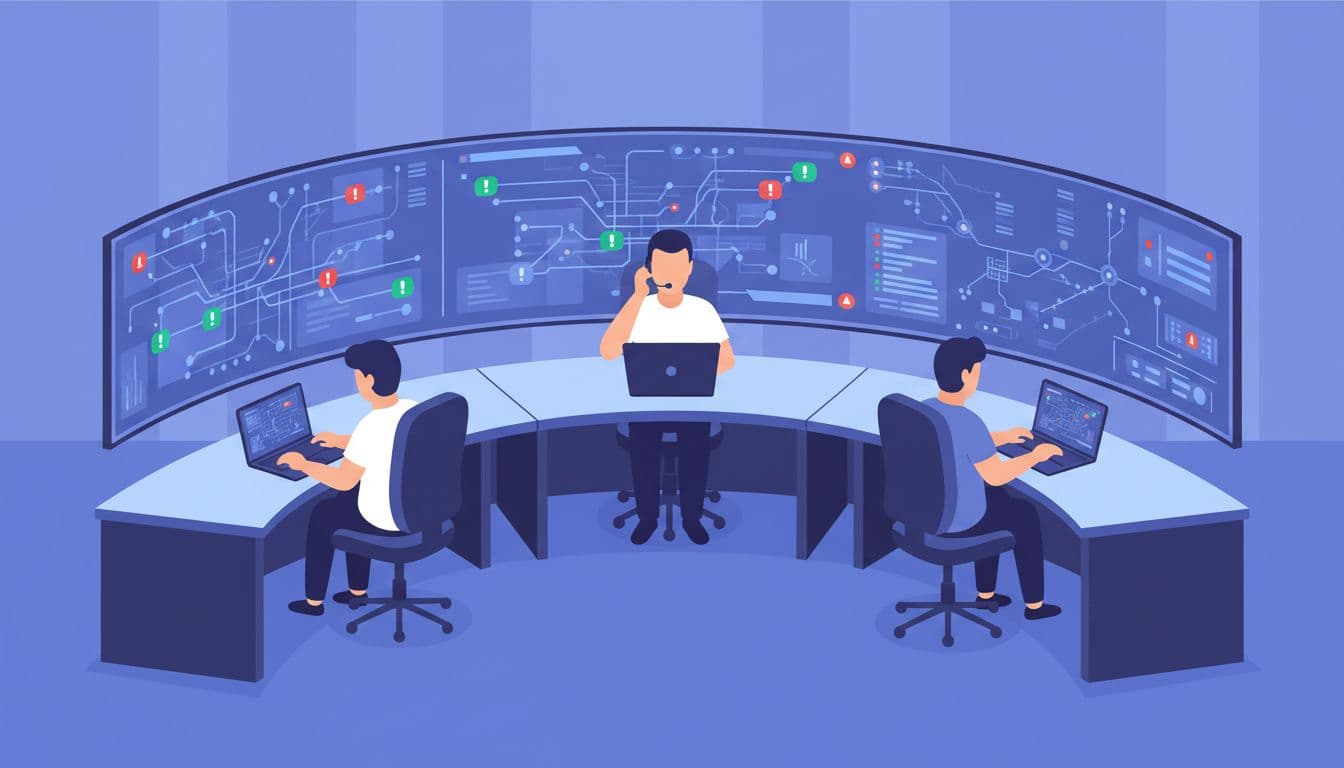
That can include bringing in resources, tracing the initial attack vector, removing malware, supporting ransomware discussions, and helping leadership understand what is happening in plain language. The technical work and the communication work happen together.
Companies often bring in an incident response consulting team to deal with the incident from beginning to end.
What Incident Response Teams Actually Do
- They bring in all the resources needed to understand what happened.
- They identify the initial attack vector, which is the path the attacker used to get in.
- They help get the attacker out and limit more damage.
- They clean up all of the different environments that were affected.
- They remove malware where needed.
- They help with ransomware negotiations when that situation comes up.
- They translate technical facts for leadership so leaders can make better decisions.
That communication piece gets overlooked. A consultant has to explain technical events in a way that executives can use. If leadership does not understand the scope, they cannot decide on the right response.
The internal SOC may spot the problem first. The incident response team helps carry it through the hard middle and into recovery. That is why this service is so valuable.
Penetration Testing Finds the Weak Spots Before Attackers Do
Penetration testing is the service a lot of people picture first when they hear consulting. The reason is simple. It is the outside team that gets permission to try to break into the environment before a real attacker does.
That makes the work very clear. The client gives permission. The consultant tests the system. The consultant finds weaknesses. The client gets a report with fixes.
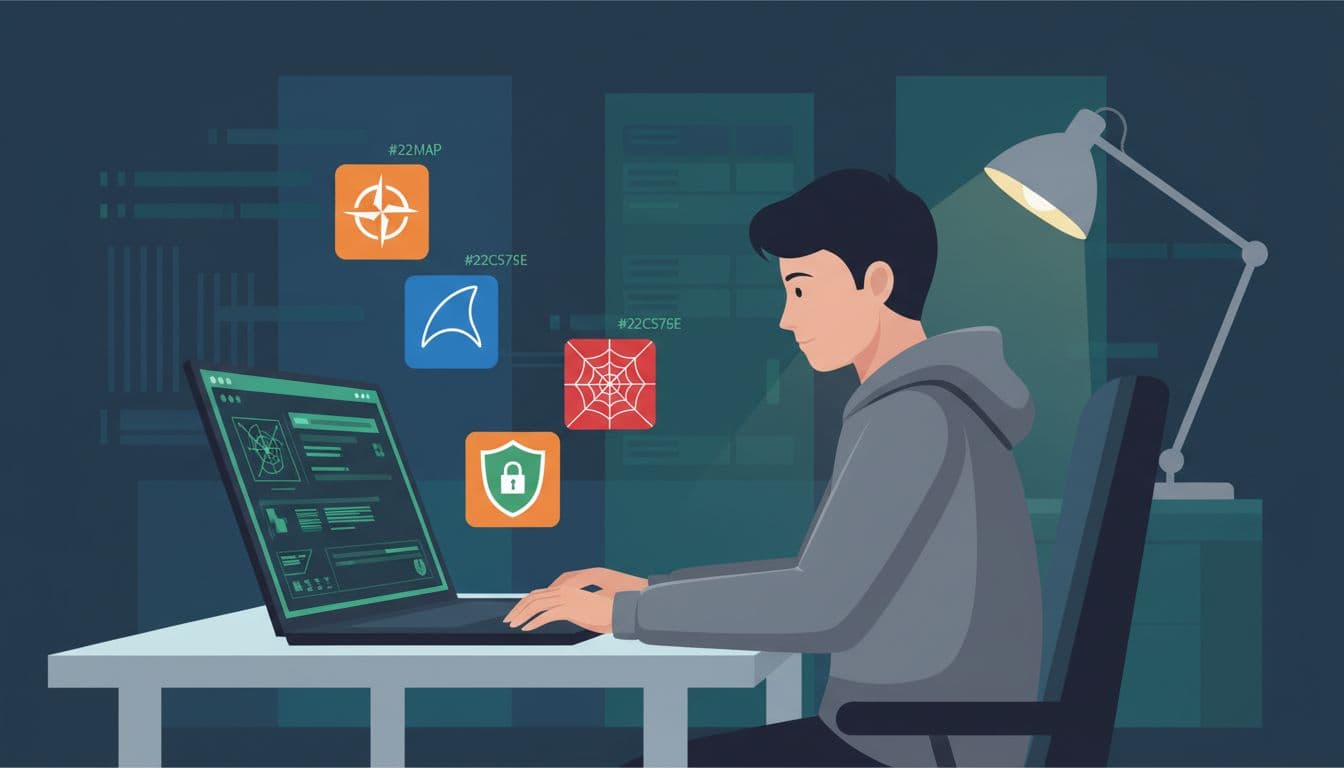
The point is not to cause damage. The point is to find the holes first. That way the company can fix them before a real adversary uses the same path.
How the Work Usually Goes
- The company signs off and gives permission to test the environment.
- The consultant maps the target and looks for vulnerabilities.
- The consultant uses testing tools to verify weaknesses.
- The consultant writes a report with findings and remediation steps.
The transcript was blunt about that legal side, and it is an important detail. The company has to sign the paper to say I am giving you all permission to hack our environment. Without that approval, the work is not ethical or legal.
Common Tools in the Toolset
A lot of this work depends on practical tools, not theory.
- Kali Linux is a common testing platform.
- Nmap is used for scanning and discovery.
- Wireshark is used for packet inspection and traffic analysis.
- BloodHound helps map relationships and paths in an environment.
- Impacket supports a range of attack and testing workflows.
- Other offensive cybersecurity tools help validate what the tester finds.
The exact toolset changes with the job, but the goal stays the same. You identify weaknesses, confirm the risk, and explain how to fix it.
What the Client Gets at the End
The final deliverable is usually a report that names the holes, the gaps, and the business risk behind them. A good report does not stop at the finding. It includes remediation steps the client can use to improve security.
That matters because many clients do not need more alarm. They need a path to closure. Pen testing gives them that path.
Cybersecurity Program Assessments Shift the Work to Strategy
Not every consulting engagement is technical in the same way. Some of the work is about evaluating the cybersecurity program itself.
That usually means talking to business leaders who own security for the company. They may want to know if their current plans are clear, documented, and aligned with accepted standards. They may also want to know where the current program is weak.
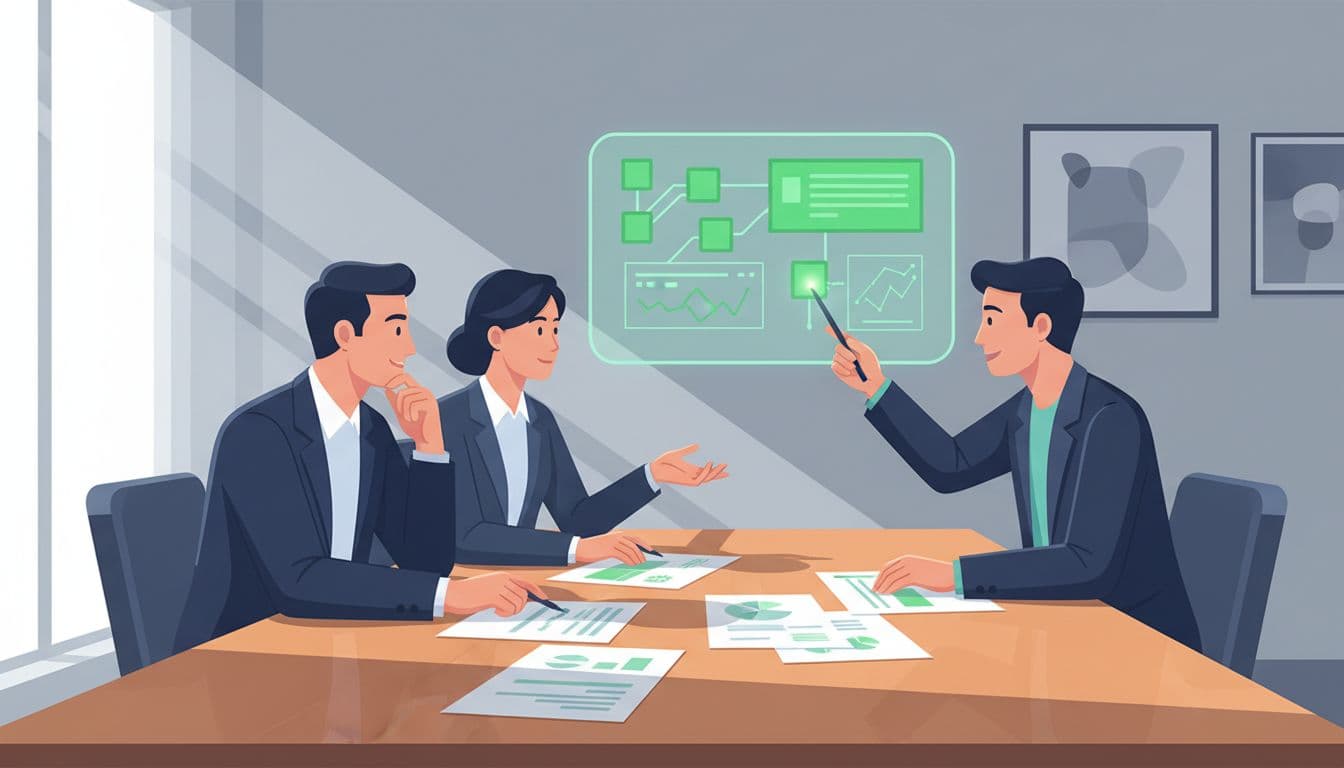
This work is less about breaking things and more about improving structure. It is still hands-on, but the output is different.
What Consultants Review in a Program Assessment
- Documentation and current policies.
- The incident response plan.
- Industry standards and frameworks.
- Security controls already in place.
- Gaps in the current defensive posture.
The consultant then gives recommendations. Those recommendations can include a defense in depth strategy, which means using multiple layers of control instead of relying on one tool or one team.
From Evaluation to Improvement
A program assessment usually starts with an overview of what the company already has. Then it moves into gaps, priorities, and next steps. The purpose is to help the company improve its cybersecurity hygiene and move toward a better secure state.
This work is strategic, but it still has practical output. The client should know what to fix, what to document, and what to build next.
A Day in the Life Is Often Meetings, Presentations, and Real Customer Work
A lot of people imagine consulting as constant keyboard time. It is not.
There are plenty of meetings. There are plenty of presentations. There are also client discussions that go deep into current problems. That is part of the job. You need to explain what happened, what is at risk, and what the next step should be.
This is where the consulting side becomes real. You are not hiding in a lab all day. You are really get into depth and really get face to face with the customer. That is where the best work happens, because the client tells you what is going on in their environment, their business, and their limits.
What That Daily Mix Usually Looks Like
- Internal planning with your team.
- Customer meetings about current issues.
- Presentations to explain findings.
- Technical analysis behind the scenes.
- Follow-up discussions about fixes and next steps.
That mix is useful for newer professionals to understand. Consulting is not only about tools. It is about communication, structure, and trust.
It also helps demystify the field. Once you see the work clearly, it becomes easier to decide whether you want to do it.
Useful Links and Quick Navigation
If you want to keep going, these links and timestamps make it easier to jump back into the original material and related updates.
- Subscribe now
- Twitter profile for Struggle Security
- LinkedIn profile for Struggle Security
- Book a Discovery Call with Bud Consulting
Video timestamps
- 0:00, Intro
- 0:24, Who am I?
- 1:03, Incident Response cybersecurity services
- 2:54, Penetration Testing
- 4:12, Cybersecurity program assessments
Hashtags: #Cybersecurity #sharesafe #infosec
Conclusion
Cybersecurity consulting is not one job. It is a set of services that solve different problems at different points in the business. Some days you help contain an incident. Some days you test systems before attackers do. Some days you sit with leaders and review the whole security program.
That is the real value of the field. You connect technical work to business outcomes. You help companies recover, improve, and make better decisions with less noise.
If you want a career that mixes analysis, communication, and real-world security work, this is a strong path. It is also a field where clarity matters, because the better you understand the services, the better you can do the work.