table of contents
A cybersecurity risk consultant helps an organization find weak spots before attackers do. That sounds simple, but the job sits between business strategy and technical security work.
One day, the consultant may review vendor contracts. The next, they may map out how an incident would affect payroll, customer data, or operations. The real goal is not fear, it’s clearer decisions.
If you’ve wondered how this role works in practice, the answer is part analyst, part advisor, and part translator. Here’s what that looks like.
The role is about risk, not fear
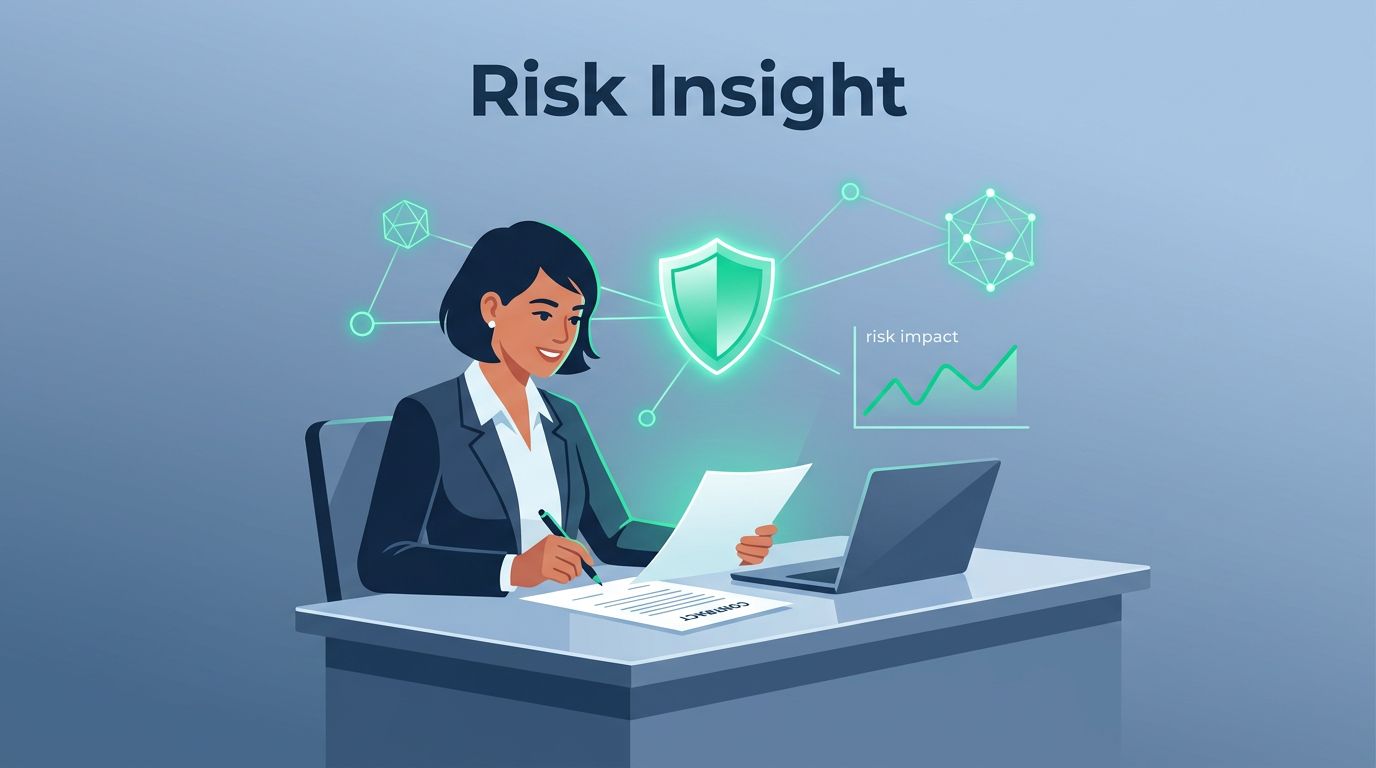
A cybersecurity risk consultant studies where an organization could lose money, data, trust, or time. Then they help leaders decide what to fix first.
ISACA describes cybersecurity consultants as external advisors who assess security posture, support security programs, and help with technical project work. That mix matters, because the job is never only about tools. It’s also about priorities, budgets, and business impact. You can see that broad view in ISACA’s cybersecurity consultant guidance.
In plain language, the consultant asks questions like:
- What assets matter most?
- What threats are most likely?
- Which controls are missing?
- What would the business lose if something went wrong?
Then they turn those answers into a plan. Sometimes that plan is a formal report. Other times it’s a set of fixes, a policy update, or a roadmap for the next quarter.
The best consultants don’t just point out problems, they rank them by business impact.
Common projects they handle
A lot of people picture this role as endless reports. In reality, the work often looks like focused projects with clear outcomes. For a good snapshot of the kind of work involved, these cybersecurity risk assessment examples show how assessments can support real business decisions.
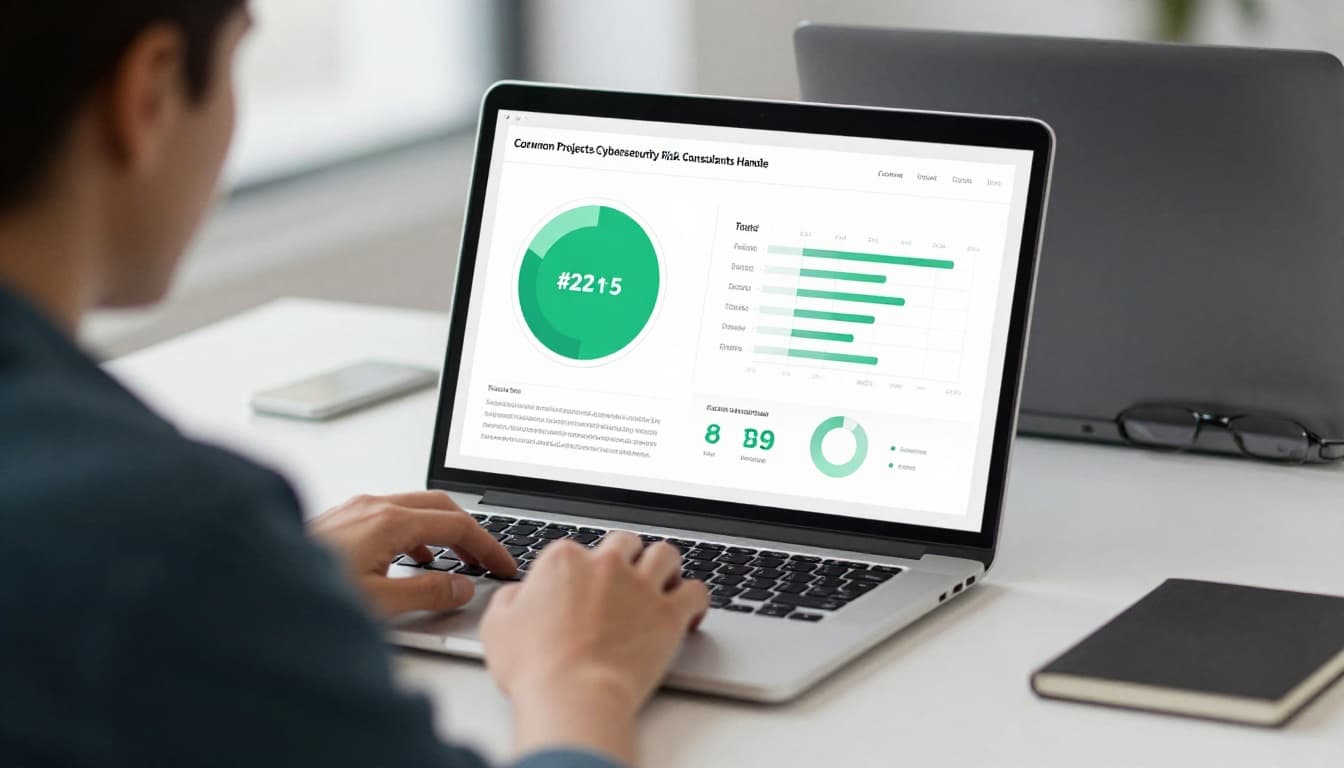
A consultant might work on:
- Risk assessments: These identify threats, weaknesses, and the likely business impact.
- Vendor reviews: These check whether third-party suppliers handle data safely and meet security expectations.
- Compliance gap analyses: These compare current controls with a standard, law, or framework, then show what’s missing.
- Incident preparedness: These test whether the organization knows what to do when systems fail or data leaks.
Each project starts with discovery. The consultant learns how the business works, what systems it relies on, and where the biggest risks live. Then they decide what matters most.
For example, a retailer may worry about payment data and supplier access. A hospital may care more about patient records and downtime. A SaaS company may focus on cloud settings, identity access, and customer trust. The same role, different risks.
Skills that make the job work
This job needs more than security knowledge. It also needs good judgment and clear communication.
A strong consultant can read technical evidence, such as logs, access settings, or vulnerability results. At the same time, they can explain the meaning without jargon. That’s important, because executives often want one thing: a clear answer on what to do next.
The most useful skills usually include:
- Risk thinking: You need to spot what could go wrong and how bad it might be.
- Business sense: You must understand how security issues affect revenue, operations, and trust.
- Technical literacy: You don’t need to build every control, but you should understand systems, cloud services, identity access, and common attack paths.
- Writing and presentation: Clients need reports they can read fast and act on.
- Stakeholder management: You often work with IT, legal, compliance, finance, and leadership.
This blend is what makes the role interesting. It rewards people who like both detail and big-picture thinking. It also fits people who can stay calm when a client is stressed.
Certifications and career path
There’s no single path into the field. Many consultants start in IT support, security operations, audit, compliance, or network administration. Others come from governance or business risk roles and build technical depth over time.
Certifications can help, especially when you’re building credibility. For risk and compliance work, the ISC2 CGRC certification is a strong match. It focuses on governance, risk, and compliance, which maps well to this job. Some people also add cloud, audit, or incident response training, depending on the clients they want to serve.
A practical path often looks like this:
- Learn security basics and common threats.
- Build comfort with risk frameworks and control reviews.
- Practice writing clear findings and recommendations.
- Work on real assessments, even small ones.
- Add credentials that match your focus area.
If you’re exploring the career from the hiring side, or you’re trying to find talent for a specific risk or advisory need, Book a Discovery Call with Bud Consulting can be a useful next step.
Who this career suits best
This role fits people who like solving problems without rushing to a shallow answer. It also suits those who can balance technical facts with human needs.
You’ll probably enjoy the work if you like asking questions, writing clearly, and helping people make better decisions. On the other hand, if you want a purely hands-on job with little client contact, this may not be the best fit.
The best consultants are patient, curious, and organized. They don’t treat risk like a scare tactic. They treat it like a map.
A cybersecurity risk consultant helps businesses see what matters, fix what matters, and explain why it matters. That’s a practical skill set, and in 2026, it’s still one of the clearest ways to turn security work into business value.