table of contents
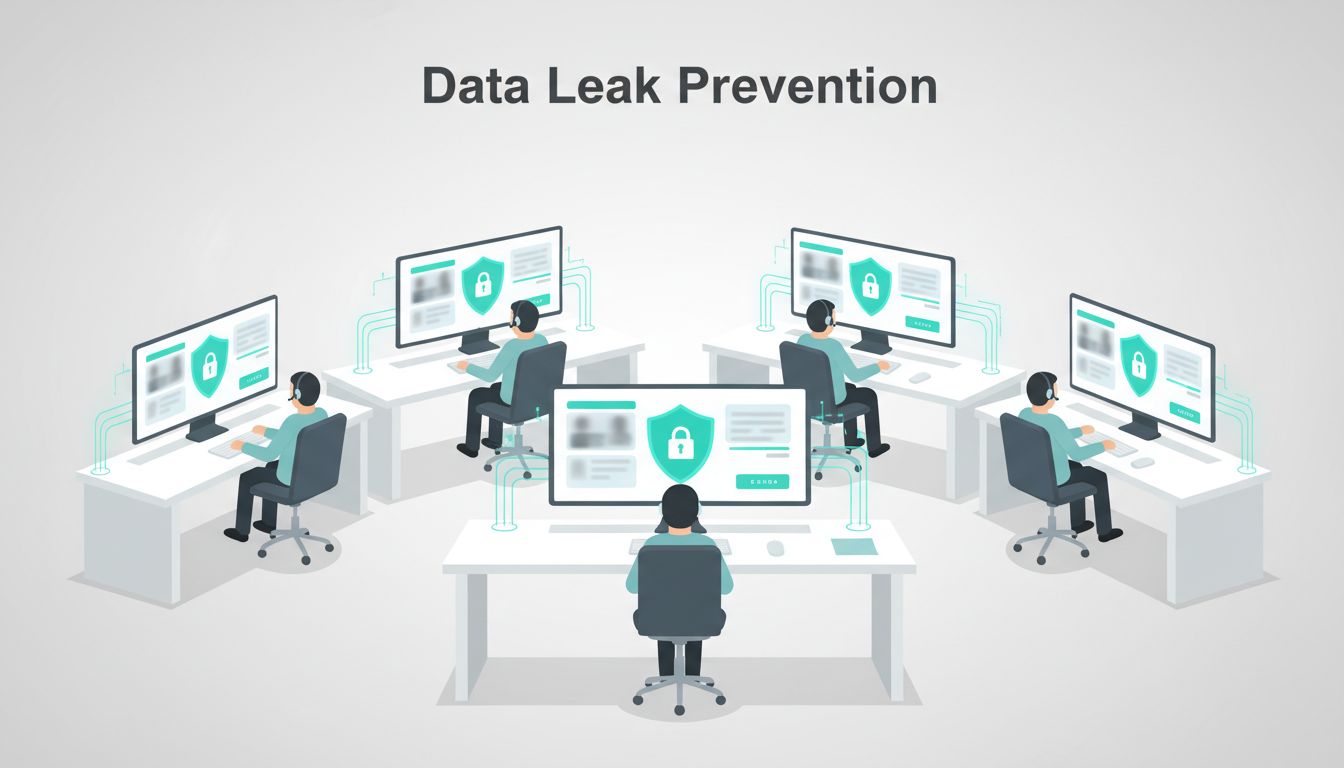
A single slip by a support agent can expose customer names, emails, or credit cards. In 2026, incidents like the Verizon retailer breach leaked 6.3 million customer records through customer-facing operations. Support teams in help desks, live chats, call centers, and email handle PII, PCI data, and health info daily, so they need solid skills to block leaks.
You face pressure to resolve tickets fast, but skipping checks leads to risks. This guide shows you how to build data leak prevention training that sticks. Start with real risks your team sees every shift.
Why Customer Support Faces High Data Leak Risks
Support agents juggle sensitive info under tight deadlines. A call center rep might note a full Social Security number in a ticket. Or a live chat agent pastes a credit card into a shared log without redacting it first.
Recent breaches highlight this. Hackers tricked Crunchbase staff with voice phishing, stealing 2 million PII records. Support often fields those calls. Telecom attacks like Brightspeed’s ransomware hit over 1 million users’ data too.
Agents deal with categories like PII (names, addresses), PCI (payment details), and health data (patient records). One wrong copy-paste into email or chat exposes it all. Tools help, but habits matter more. For example, support teams handle more sensitive data than most realize, so train them to spot it fast.
Focus training on your channels. Email risks forwarding unredacted attachments. Help desks store notes in public views. Make prevention part of daily workflows.
Spot Risky Behaviors in Support Environments
Agents often share data too freely. In live chat, one pastes a customer’s full email and phone into a group thread. Everyone sees it. Or during a call, they screenshot a billing statement with PCI visible and upload it to Zendesk.
Risky moves include typing full IDs into public tickets or reading health details aloud without muting. Pressure builds when customers yell for quick fixes. But safer paths exist.
Ask customers to mask numbers themselves. Use redaction tools to blur PII before saving. For instance, replace full cards with last-four digits only.
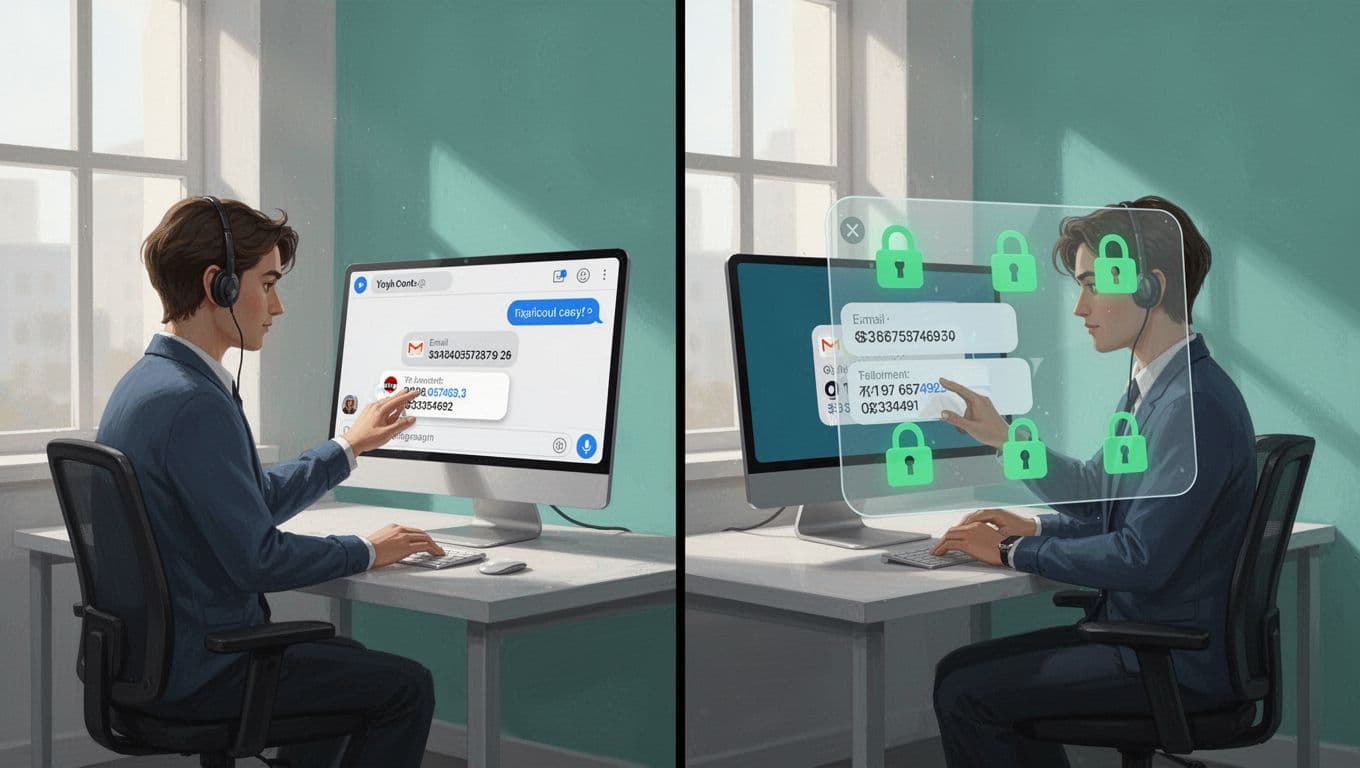
This split shows the difference. Left side risks leaks; right side locks it down. Train with these contrasts. Agents learn to pause and check before hitting send.
Build a Step-by-Step Training Framework
Start with a clear program. First, assess your team’s gaps. Review past tickets for unredacted PII. Then map risks per channel: chats need auto-masking, calls require note templates.
Next, roll out modules weekly. Week one covers data types: PII, PCI, PHI. Use quizzes on spotting them. Week two drills safe handling, like tokenizing info in tools.
Incorporate hands-on practice. Role-play phishing calls, as in the Crunchbase case. Teach MFA checks and screen locks. Best practices include short videos and sims, per Verizon’s DBIR.
Finally, track with metrics. Test 80% pass rates before live duties.

Coaching like this builds instincts. Managers review chats side-by-side, point out fixes.
Coaching Tips for Managers
You lead by example. Sit in on shifts. When an agent shares a full address in email, pause the call. Show the redaction button live.
Give quick feedback. After a risky paste, say, “Next time, mask that email first.” Praise safe choices too. “Great job tokenizing the card.”
Use tools like Nightfall AI for Zendesk to alert on leaks instantly. It coaches agents without stopping work. Run monthly refreshers on breaches, tying to real cases like Intuitive’s phishing.
Pair new hires with veterans for shadow shifts. They learn channel-specific rules, like no full health data in help desk notes.
Sample Training Scenarios for Real Practice
Scenario one: Live chat billing query. Customer sends full card. Risk: Copy to ticket. Safe: Reply, “Mask all but last four digits, please.” Redact before logging.
Scenario two: Call center refund. Rep hears SSN. Risk: Jot full number. Safe: Use verification script, note only confirmation code.
Scenario three: Email escalation. Forwarded thread has PHI. Risk: Reply-all. Safe: Copy to secure ticket, delete original.
Practice these in 15-minute drills. Role-play angry customers to build speed. Agents repeat until they default to safe steps. Add data classification exercises for instinct-building.
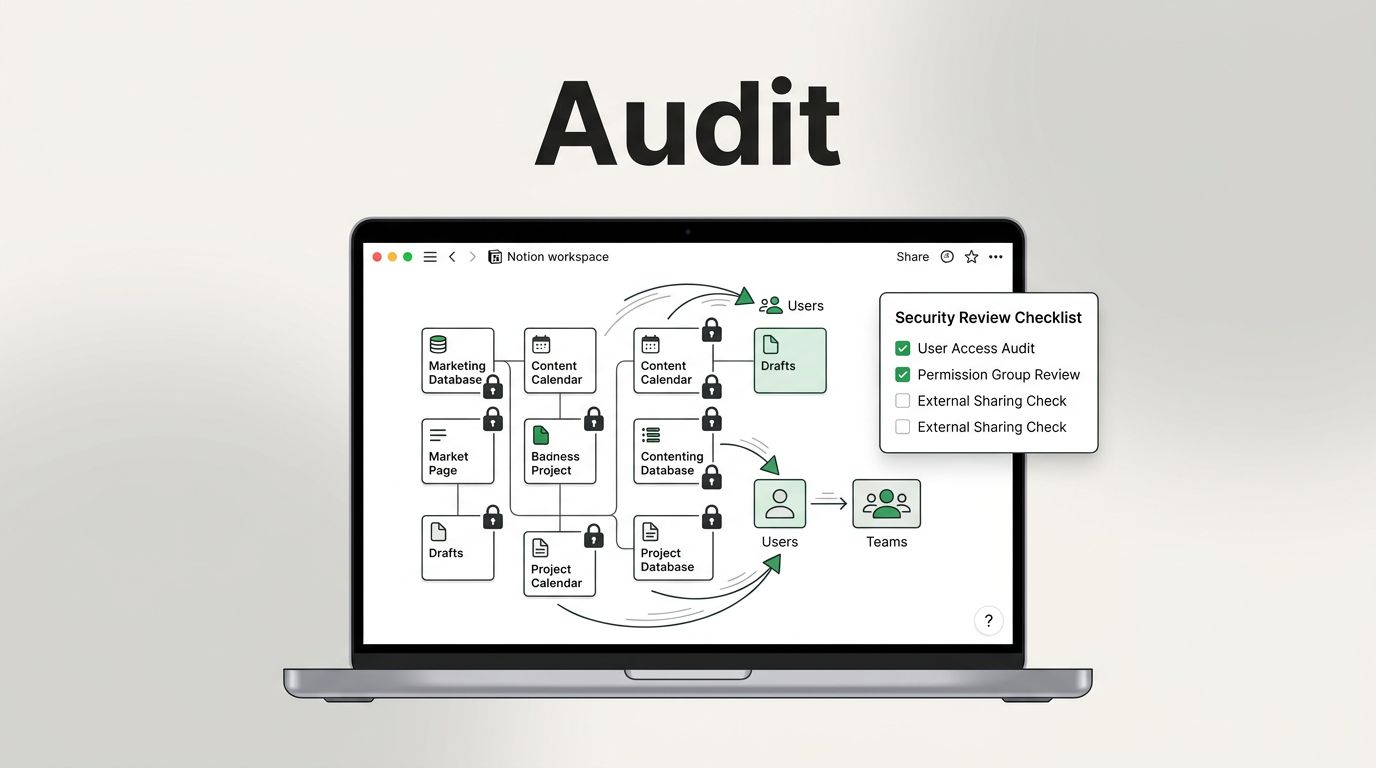
Audit Your Training with This Checklist
Check your program yearly. Use this table to score yes/no.
| Item | Covered? |
|---|---|
| PII/PCI spotting quizzes | |
| Channel-specific drills (chat, call, email) | |
| Phishing sims with feedback | |
| Redaction tool demos | |
| Manager coaching logs | |
| 80% pass rate metric |
Score low areas first. For example, if drills lack, add weekly role-plays.

This visual reminds teams of essentials. Retest after fixes.
Prevent compliance breaches in support with auto-redaction stacks too.
Key Takeaways
Trained teams cut leaks by spotting risks early and using safe habits. Focus on your channels with drills and coaching. Breaches like Verizon’s show why it matters now.
Build the framework, audit often. Your support stays secure. Book a Discovery Call with Bud Consulting to strengthen your security culture.
(Word count: 982)