table of contents
Deepfake attacks hit nearly half of large companies last year. Attackers clone voices and faces to impersonate executives or vendors. These scams cost billions, and they keep growing in 2026.
You face CEO voice spoofs that demand wire transfers. Fake video calls trick employees into sharing data. Your SOC team needs clear playbooks to respond fast. This guide shows you how to build them.
Understand Deepfake Threats in 2026
Deepfakes now make up over 30% of corporate impersonation attacks. Tools like ElevenLabs clone voices in seconds. Criminals rent these as services, so attacks scale fast.
Consider CEO voice fraud. An attacker calls finance with the boss’s cloned voice. They demand an urgent $1 million payment to a new account. One case stole $11 million.
Fake video calls hit next. A “vendor” appears on screen during a Zoom meeting. They push for payment changes. Help desk scams follow suit. Impostors spoof IT support to steal credentials.

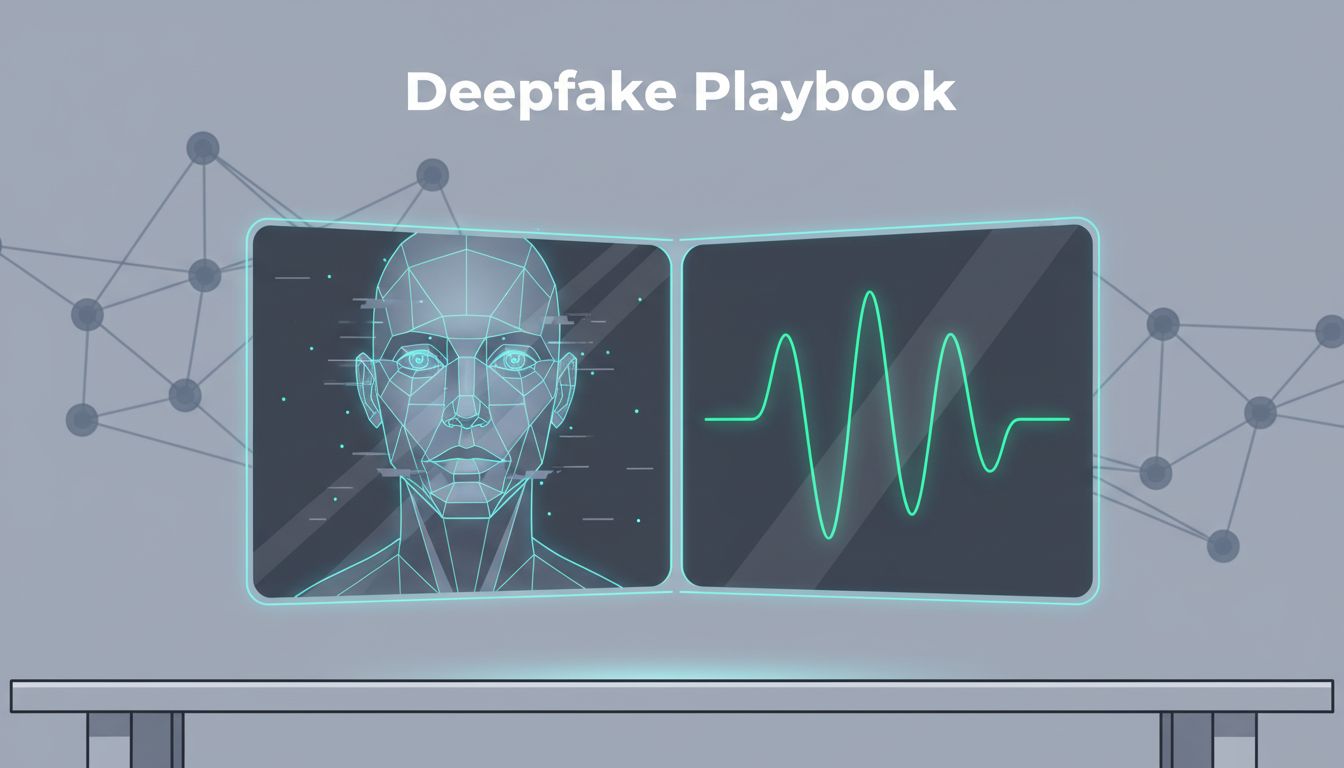
SOC analysts spot clues like odd blinks or audio glitches. Yet, deepfakes bypass old ID checks. In 2026, expect synthetic identities in most fraud. Finance sectors suffer most because stakes run high.
Your playbook starts here. Map these risks to your operations. List who attackers target, like your CFO or suppliers.
Key Components of a Deepfake Playbook
Every solid playbook covers four stages: prevention, detection, response, and recovery. Prevention blocks attacks upfront. Detection flags them early. Response contains damage. Recovery fixes fallout.
Tailor components to your team. Include scenarios, triggers, and actions.
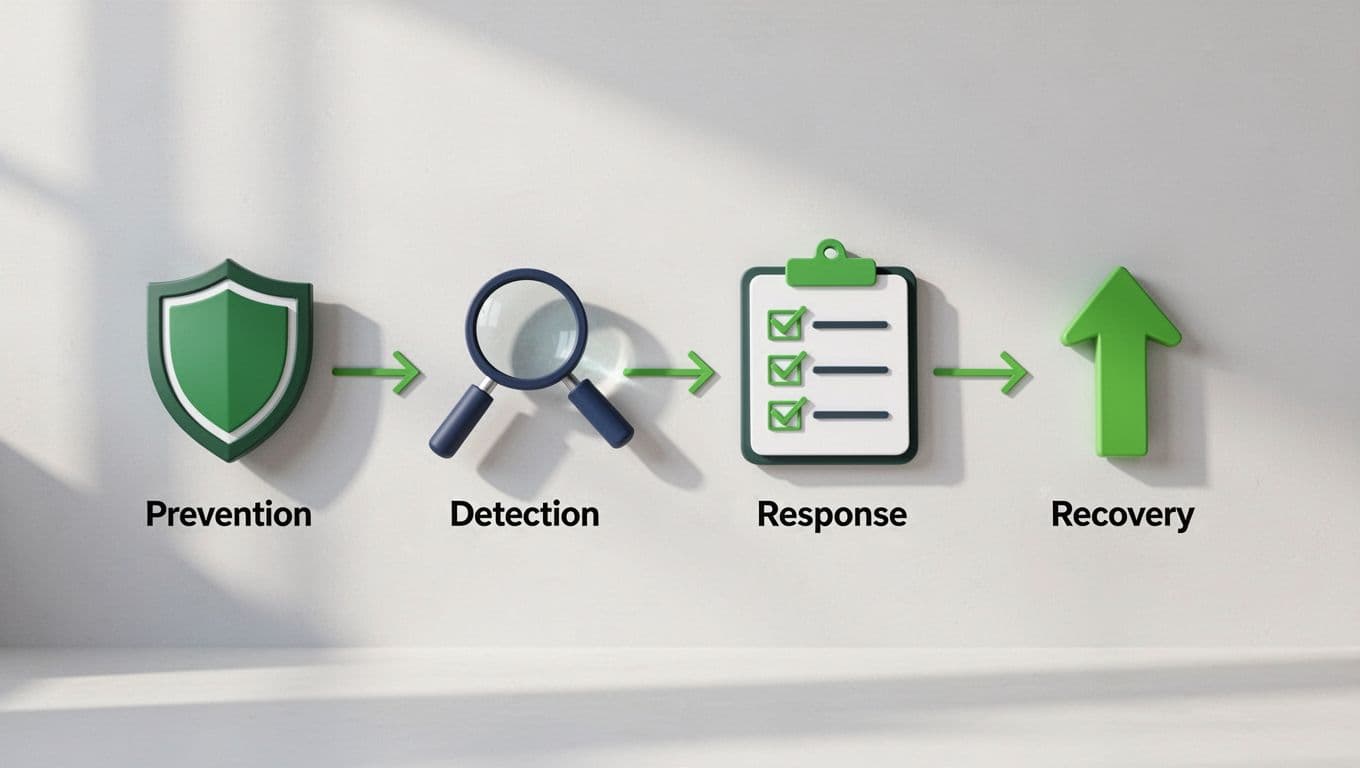
Prevention sets rules. Train staff to verify high-risk requests with callbacks. Use multi-factor beyond video.
Detection lists red flags. Watch for mismatched lighting in videos or unnatural pauses in speech.
Response outlines steps. Pause actions. Collect evidence.
Recovery reviews what went wrong. Update tools.
For details on tiered responses, check Reality Defender’s deepfake incident response playbook. It breaks down containment protocols.
Document in a shared tool like Confluence. Keep it simple, under 10 pages.
Step-by-Step Guide to Building Your Playbook
Start with a workshop. Gather SOC leads, legal, and execs. Brainstorm scenarios.
- Identify triggers. Examples: Unsched video from CEO. Urgent wire request.
- Write detection steps. Run media through tools like Hive Moderation. Check metadata for edits.
- Define actions. For vendor fraud, call the real supplier. Hang up on voice spoofs.
- Add timelines. Alert manager in 5 minutes. Escalate to CISO in 15.
Test with tabletop exercises. Simulate a fake CEO call. Time your response.
Refine based on 2026 trends. Deepfake files surged 2,000% recently. Add rules for real-time fakes.
Sample for help desk impersonation:
- Employee gets call from “IT” with cloned voice.
- Ask security questions only real IT knows.
- Verify via internal Slack channel.
This cuts response time in half.
Assign Roles and Escalation Paths
Clear roles prevent chaos. SOC analyst triages first. They log the incident.
Incident responder verifies media. Legal holds evidence. Comms drafts statements.
Escalation flows like this:
| Tier | Trigger | Who Acts | Timeframe |
|---|---|---|---|
| 1 | Suspicious media | Analyst | Immediate |
| 2 | Confirmed fake, no loss | Manager | 10 minutes |
| 3 | Money moved | CISO/Legal | 30 minutes |
| 4 | Public spread | Execs | 1 hour |
Paths use Slack or PagerDuty. Notify based on impact. For vendor payment fraud, finance freezes accounts.
See Vaults.Cloud’s guide on deepfake forensics for evidence chains. It stresses chain-of-custody.
Train quarterly. Role-play keeps paths fresh.
Add Verification Controls and Tools
Controls stop deepfakes cold. Require callbacks for money moves. Use hardware keys for video ID.
Tools help detect. Pindrop flags voice spoofs. Microsoft Video Authenticator spots face swaps.
Layer them. No single tool catches all.
For recovery, audit logs. Trace who clicked the fake link.
In 2026, watermark content. Platforms add labels soon.
Test controls yearly. Simulate attacks with ethical hackers.
Conclusion
Deepfake attack playbooks give your team control. They turn panic into process across prevention, detection, response, and recovery.
Focus on scenarios like CEO spoofs and vendor fraud. Assign roles. Build escalations. Your organization stays ahead.
Bud Consulting helps SOC teams implement these. Book a Discovery Call with Bud Consulting to close skills gaps.
Act now. Deepfakes wait for no one.