table of contents
Deepfake scams fool sales reps with fake boss voices or videos that push urgent deals. These attacks hit finance and sales teams hard. In early 2026, scammers used AI clones to trick a Hong Kong firm out of $25 million in one call.
Sales managers face rising risks as tools make deepfakes cheap and real-time. Reps approve payments or share data without checks. You can cut this threat with targeted training.
This guide walks you through practical steps. Start by spotting signs, then build habits that stick.
Know the Real Threat to Your Sales Team
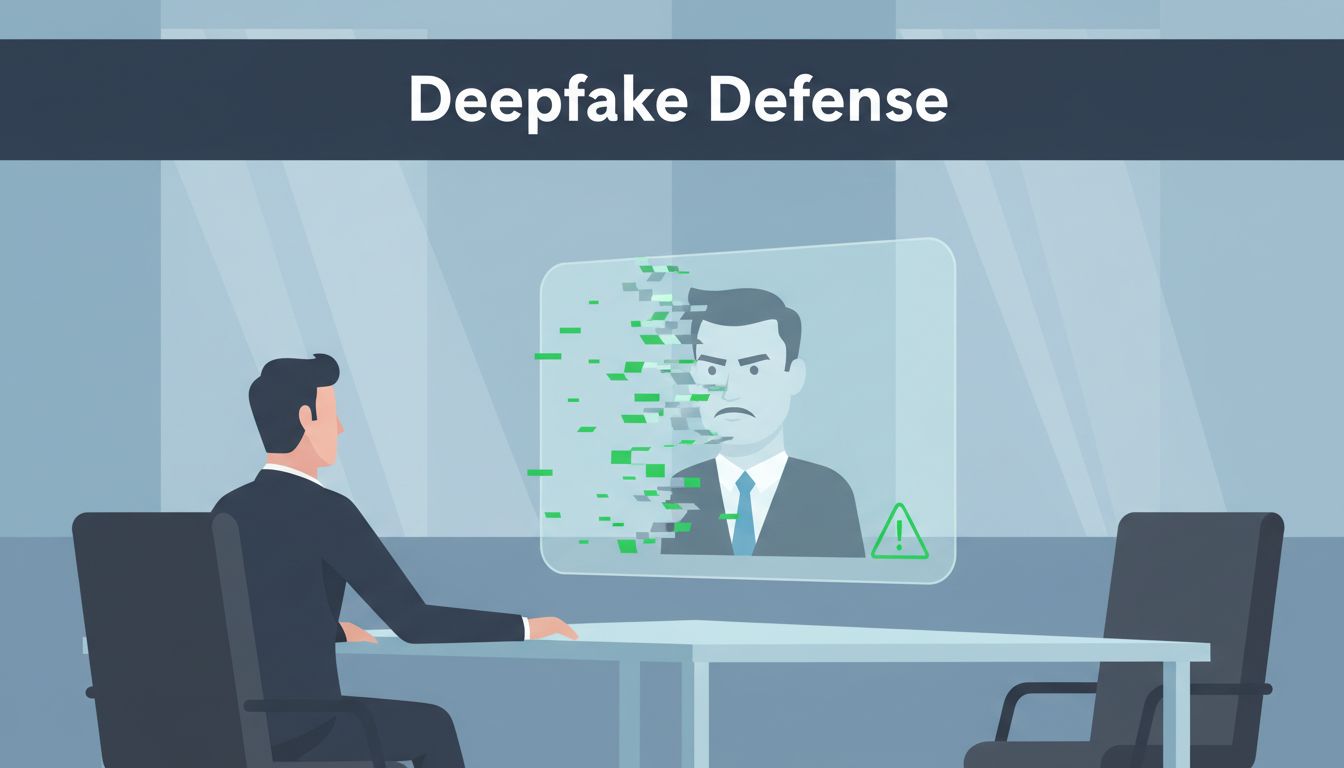
Deepfakes differ from basic phishing. Scammers clone a leader’s voice or face from LinkedIn clips. They call reps during deals and demand quick action, like wiring funds for a “hot lead.”
Trends show attacks up 1,300% in contact centers by April 2026. Finance pros saw 53% more attempts in Q1. Sales reps get hit too, often in high-stakes negotiations.
One case: A Singapore firm lost millions to cloned exec videos in 2025. Scammers posed as CFOs in Zoom meetings. Reps sent payments without pause.
Your team handles client calls daily. They trust familiar faces. Train them to question urgency first.
Focus on social engineering. Attackers build trust fast, unlike email spam. Reps need role-specific examples, such as fake vendor approvals.
Spot Deepfake Red Flags in Calls
Look for glitches in video or voice. Eyes might not blink right. Lips mismatch words. Backgrounds stay too still.
Audio clues include odd pauses or robotic tones. Real people breathe and fidget.
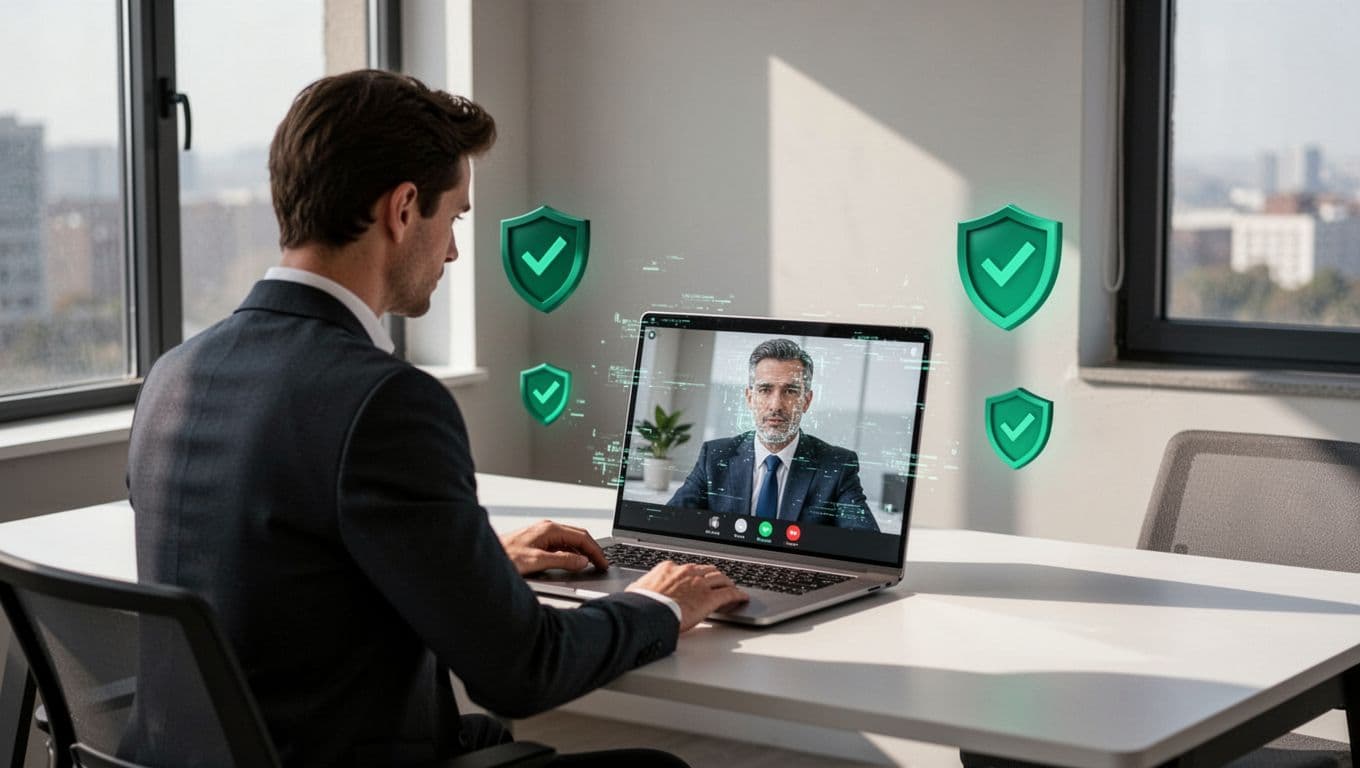
Train reps to pause urgent requests. Ask simple questions only the real person knows, like “What did we discuss last quarter?”
Test lighting and shadows. Deepfakes struggle with changes. Switch cameras or share screens to check.
Use free tools for quick scans. They flag artifacts, but always verify manually. Practice spotting these in short sessions.
Reps build instincts over time. Start with common scenarios, like a boss pushing a deal close.
Build Daily Verification Habits
Habits stop scams before they start. Always callback on known numbers. Confirm via text or email too.
Require two channels for big asks. No single call approves funds over $5,000.
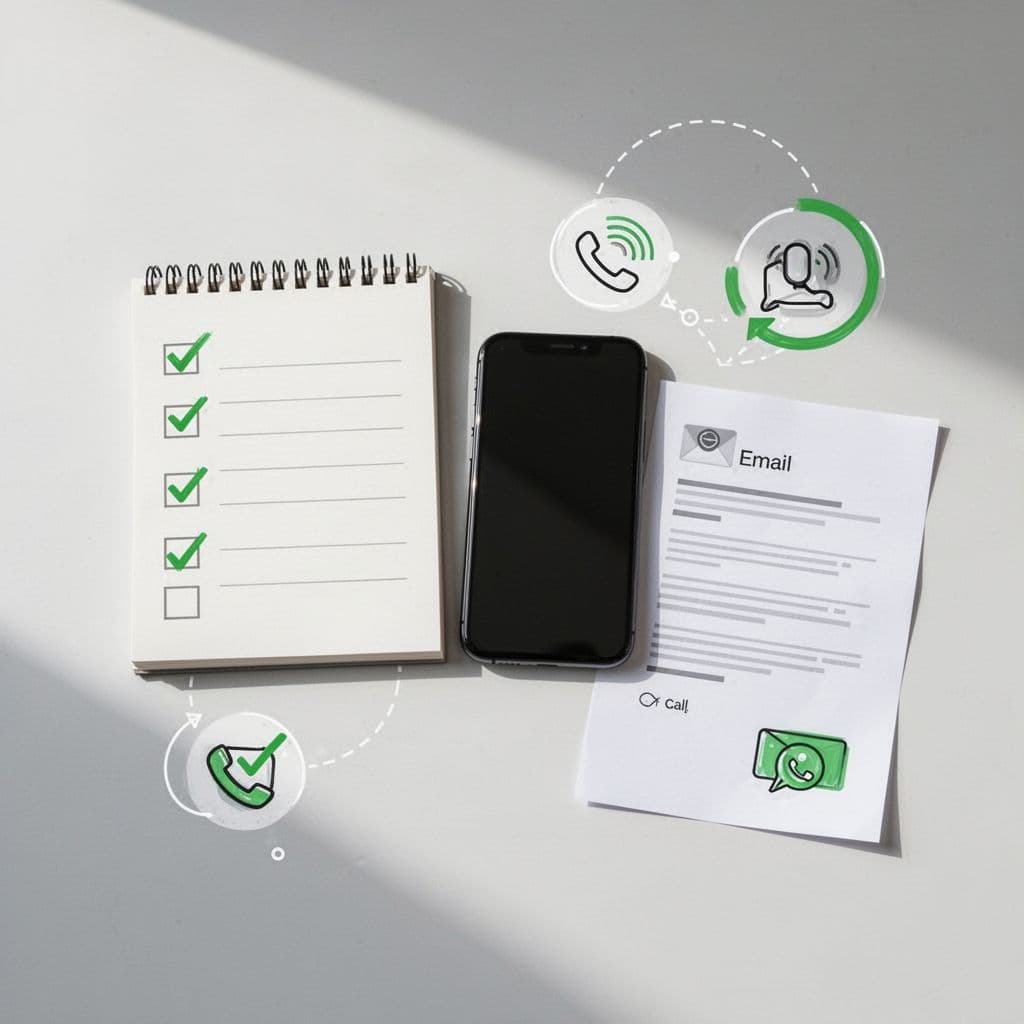
Here’s a simple checklist for reps:
- Does the request match normal process?
- Callback the official line.
- Ask a shared secret phrase.
- Log the call details.
Share this in team huddles. Make it a phone wallpaper. Reps check it fast.
Add approval gates. Managers review wire requests. This catches 90% of tries.
For deepfake awareness training tailored to teams, see Resemble AI’s guide.
Run Role-Play Sessions for Hands-On Practice
Role-play turns knowledge into action. Act out scams weekly.
Pick a trainer to play the scammer. Use voice changers for realism. Reps respond live.
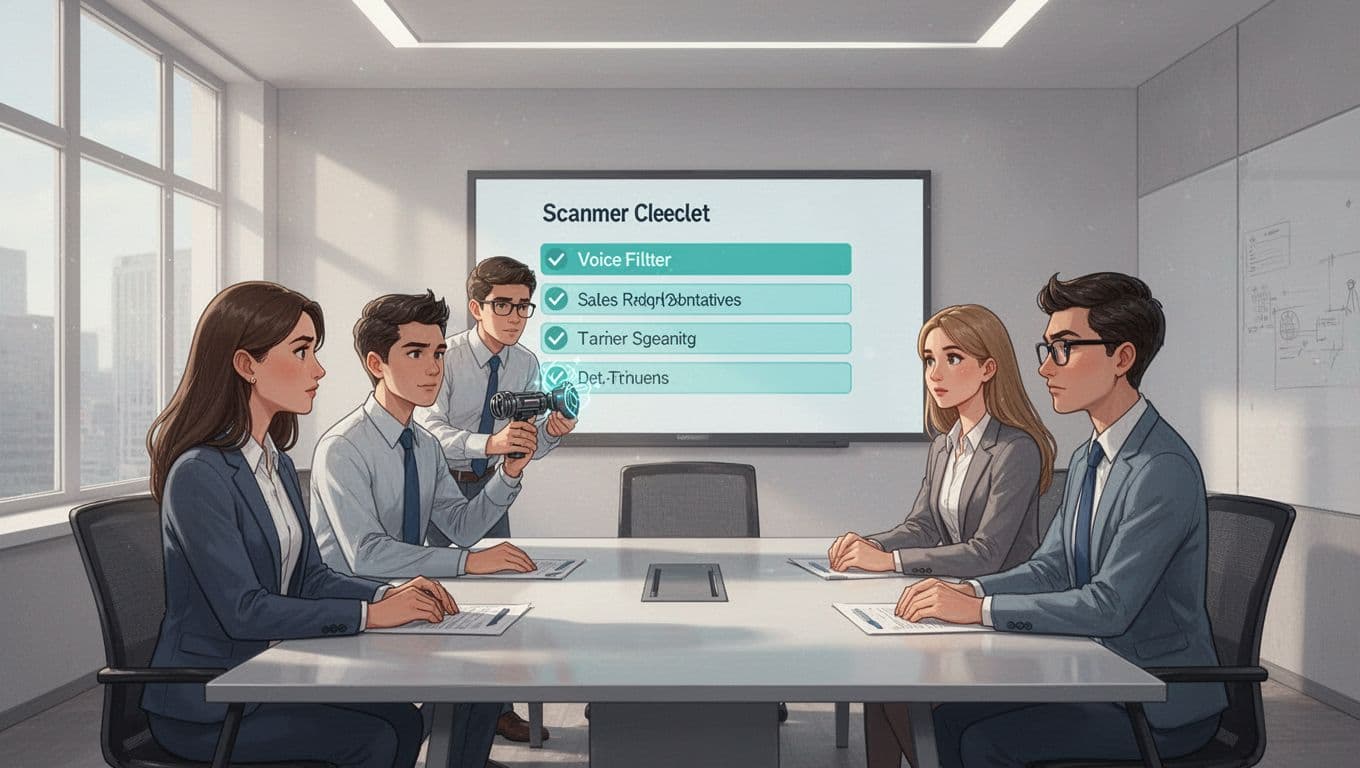
Start simple. Fake boss calls about a client payment. Reps practice pausing and verifying.
Rotate roles. Everyone scammed once, then defends.
Debrief right after. What flags did they miss? How fast did they verify?
Tools like KnowBe4’s deepfake simulations let you customize with your execs’ faces.
Do 30-minute sessions. Track who spots fakes fastest.
Set Up Checklists and Incident Response
Give reps a one-page script. It lists steps for suspicious calls.
Verification script example:
- Say, “Let me confirm this quickly.”
- Hang up and callback.
- Text the official number.
- Escalate to manager if unsure.
For responses, report fast. Log details: time, claims, visuals.
Set team rules. No solo approvals on deals over limits.
Test with mock incidents. Measure report rates.
Deepfake phishing simulations from Hoxhunt show how to benchmark progress.
Track Training Success and Refine
Measure with quizzes and sims. Aim for 90% detection rates.
Run phishing tests monthly. Track fails and retrain.
Survey reps. Do they feel ready? Adjust based on feedback.
Review real incidents quarterly. Share lessons without blame.
Tools track metrics like callback use. Celebrate wins.
Keep sessions fresh. Update for new trends, like real-time video swaps.
Key Takeaways
Trained reps spot deepfakes through red flags, habits, and practice. They verify every urgent call.
Start small: checklists today, role-plays next week. You’ll cut risks fast.
Deepfake scam detection saves deals and dollars. Your team handles it.
Book a Discovery Call with Bud Consulting to build stronger security culture.