table of contents
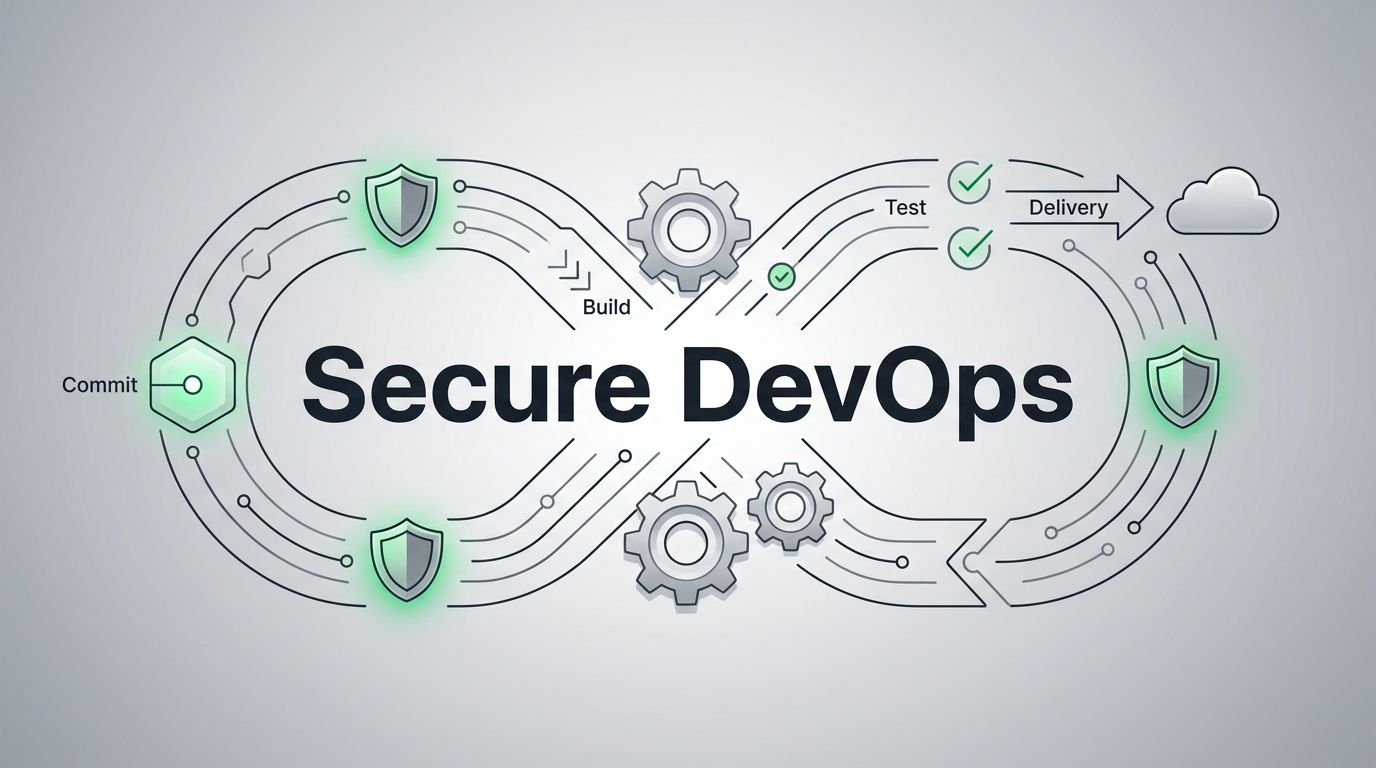
Security often feels like an anchor in the fast-paced world of modern software delivery. When engineering teams push for rapid deployment, security gates can quickly become bottlenecks that slow down the entire cycle. The goal is to move security from being a final roadblock to a supportive, automated participant in the development process. By adopting robust DevSecOps frameworks, your team can embed protection directly into the pipeline without sacrificing speed.
You aren’t just adding tools to a checklist. You are changing how your organization builds, tests, and releases code. Success depends on shifting security responsibilities earlier into the lifecycle, known as shift-left, while maintaining strong defensive measures in production, or shield-right. When you align these practices, you create an environment where security keeps pace with the speed of your developers.
Principles of Effective Security Integration
True integration means security is no longer an afterthought. It is a shared responsibility that runs through every phase of the software delivery lifecycle. Instead of manual reviews that stop progress, you should aim for automated guardrails. These guardrails provide immediate feedback to developers, allowing them to fix issues while they are still working on the code.
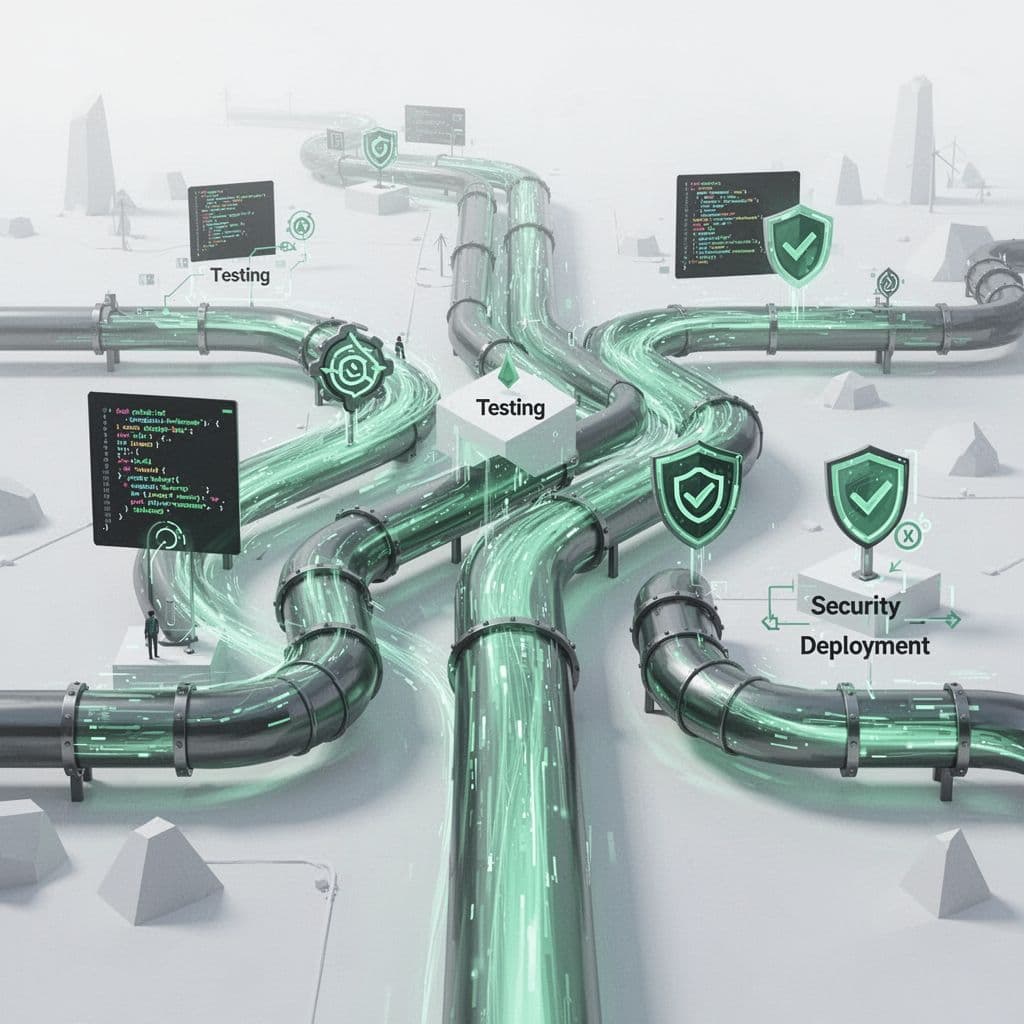
Automated security checks allow you to maintain high velocity while keeping risks low. A well-designed framework uses DevSecOps automation to identify vulnerabilities during the build process rather than after deployment. This prevents risky code from reaching production, which is a key objective in high-performing engineering teams.
If you struggle to balance these goals, it might be time to refine your approach. You can Book a Discovery Call with Bud Consulting to discuss how to optimize your specific delivery pipeline. When security feels like a partner, developers are more likely to write secure code from the start.
Understanding Core DevSecOps Frameworks
Frameworks act as a blueprint for your security program. Rather than picking one and sticking to it rigidly, many teams combine elements from several to meet their specific needs. Understanding the foundational options helps you build a custom strategy that works for your unique engineering culture.
Common frameworks typically emphasize structural approaches to risk management. Salesforce outlines how these frameworks define the principles and practices needed to integrate security into the pipeline. By following structured guidance, you avoid reinventing the wheel and benefit from industry-standard best practices.
- OWASP SAMM: This framework focuses on software assurance maturity. It helps you assess your current security posture and identify practical steps for improvement.
- NIST DevSecOps Guidelines: These provide comprehensive security strategies for federal and commercial environments alike. They emphasize policy enforcement and risk management at scale.
- MITRE SAF: This resource offers detailed best practices for DevSecOps, particularly for complex or highly regulated environments that require strict compliance validation.
Maturity Model for Secure Software Delivery
Every team starts at a different point. A maturity model helps you visualize where you are and what the next logical steps for growth look like. You don’t need to reach the highest level immediately. Small, consistent improvements often yield the best results for team morale and system safety.

The following table outlines how teams often progress from manual efforts to a mature, fully automated security posture.
| Maturity Level | Focus Area | Key Characteristic |
|---|---|---|
| Ad-hoc | Manual Checks | Security is a final step before release |
| Integrated | Pipeline Automation | Basic scanning happens during build |
| Optimized | Policy-as-Code | Security is built-in, automated, and continuous |
At the ad-hoc stage, you face high risk and slow delivery. As you move toward an optimized state, you gain speed and confidence because your automated systems handle the heavy lifting of compliance and vulnerability scanning.
Implementing Policy as Code
Policy as code is a cornerstone of modern security operations. By writing your security rules in code, you treat them with the same rigor as your application logic. This allows you to test your policies, version them, and deploy them automatically through your existing pipelines.
Tools like Open Policy Agent (OPA) allow you to enforce rules across your infrastructure. When a developer attempts to deploy a misconfigured cloud resource, the policy check catches it before the change reaches production. This prevents drift and ensures that every deployment adheres to your baseline security standards.
This method replaces manual approval boards with automated, enforceable guardrails. Because these checks live in the pipeline, they don’t block the developer’s flow. Instead, they provide instant, actionable feedback. This significantly reduces the time spent on manual audits and remediation.
Securing the Software Supply Chain
Modern software relies heavily on external libraries and dependencies. Protecting this supply chain is a top priority for teams today. A secure supply chain requires you to know what is in your software and to verify the authenticity of every component you use.
Software Bill of Materials (SBOM) documents serve as an inventory for your code. By generating an SBOM for every build, you gain visibility into your dependencies. When a new vulnerability is discovered in an open-source library, you can quickly identify whether your applications are affected and where they reside.
Artifact signing adds another layer of trust to your process. By signing your build artifacts, you guarantee that the software hasn’t been tampered with since it was built. These practices shift security from a reactive model to a proactive, automated one that handles modern complexities with ease.
Driving Measurable Outcomes
Your security efforts should be as measurable as your delivery performance. Focus on metrics that reveal the health of your pipeline rather than just the number of vulnerabilities found. These metrics tell the real story of how well your team balances speed and safety.
- Deployment Frequency: How often do you successfully push code to production?
- Lead Time for Changes: How long does it take for a code commit to reach a live environment?
- Change Failure Rate: What percentage of your deployments cause issues that require a fix or rollback?
- Mean Time to Recovery (MTTR): How quickly can you restore service after a failure occurs?
- Vulnerability Remediation Time: How long does it take your team to patch a known security flaw?
Tracking these numbers gives you a clear view of your operational efficiency. If you find your remediation times are creeping up, you can investigate if the current security tools are providing enough context. Sometimes, the issue isn’t the number of bugs, but the lack of clarity on how to fix them efficiently.
Tailoring Strategies to Your Team
The right framework for you depends on your organizational size and regulatory requirements. A startup moves fast and might prioritize lightweight tools that integrate directly into their IDEs. A large enterprise in a regulated industry needs robust policy enforcement and audit trails that satisfy external requirements.
Startups should focus on high-impact, low-friction tools. Automated scanning for dependencies and container images provides immediate value with minimal setup. Focus on developer experience, as you want your engineers to enjoy using these tools rather than working around them.
Mid-market teams benefit from consolidating their security tools. A unified vulnerability management platform can aggregate results from various scanners, reducing the noise developers receive. This creates a centralized view that makes it easier to track progress and assign tasks.
Regulated enterprises must focus on consistency and governance. Use policy as code to ensure that every environment, from development to production, adheres to the same set of security requirements. Automation here is not just about speed; it is about building a verifiable record of compliance that makes audits much easier to manage.
Managing Risk Through Visibility
Visibility is the foundation of any effective security strategy. You cannot protect what you cannot see. Continuous visibility means monitoring your environment for changes, tracking assets, and maintaining an up-to-date map of your attack surface.
Use automation to bridge the gap between development and operations. When a new service is deployed, it should be registered in your asset management system automatically. This prevents shadow IT and ensures that security teams know what needs protection.
Centralizing your data is also important. When you collect findings from multiple scanners in one dashboard, you gain a holistic view of your risk profile. This makes it easier to prioritize the most dangerous vulnerabilities and ensures that no critical issue is missed because it was buried in a different tool’s report.
Final Thoughts
Integrating security into a high-speed development environment is a journey of continuous improvement. The goal is to reach a state where security feels natural and automatic. By focusing on policy as code, securing your supply chain, and tracking meaningful metrics, you create a system that supports both innovation and protection.
Security frameworks provide the structure you need to get started, but your team’s culture determines the long-term success. Focus on removing friction for developers. When they have the right tools and clear guardrails, they can focus on shipping high-quality code.
Build your strategy around automation and visibility to stay ahead of threats. By treating security as an essential part of the development lifecycle, you enable your team to release faster with less risk. Your focus should always be on building systems that are both fast and secure by design.