table of contents
Public companies live and die by the accuracy and consistency of their communications. One stray comment from an executive or an unauthorized slide in a presentation can trigger a compliance investigation, market volatility, or shareholder litigation. Investor relations teams occupy the front line of this communication, making them the primary gatekeepers of market sentiment and regulatory adherence.
Strengthening disclosure risk controls is not just about ticking boxes for securities regulators. It involves building a robust environment where every member of the team understands the weight of their words. As communication channels expand and the speed of information increases, your team needs clear, actionable frameworks to navigate the constant threat of selective disclosure.

Identifying Vulnerable Points in Your Communication Cycle
Most disclosure errors occur in informal or high-pressure settings rather than during formal quarterly reports. Analyst calls provide a structured venue, but they often present risks when executives go off-script. When an analyst asks a question that pushes the boundaries of public guidance, a natural human instinct to be helpful can lead to the accidental disclosure of material, non-public information.
Investor meetings and industry conferences are equally hazardous. The proximity to high-value investors or media representatives makes it easier for information to leak. Similarly, the use of AI tools for summarizing meeting notes or drafting responses introduces new technical risks. These systems might inadvertently retain or process sensitive data if your team does not manage them with strict input controls.
You should audit your current workflows to identify where information flows unchecked. Look for instances where executive commentary happens without legal oversight or where internal data moves across platforms that lack necessary security protocols. If you identify gaps in your current approach, you can Book a Discovery Call with Bud Consulting to better understand how to lock down your internal information security posture.
Developing Effective Training Programs
Training your staff is the most efficient way to reduce human error. A formal training framework should move beyond generic compliance modules and focus on realistic, high-pressure scenarios. You want your team to practice saying no to an analyst or pausing an executive during a live Q&A session. When these actions become muscle memory, the risk of a breach drops significantly.
| Training Component | Focus Area | Goal |
|---|---|---|
| Mock Q&A Sessions | High-pressure verbal responses | Maintaining message discipline |
| Materiality Workshops | Defining inside information | Consistent interpretation |
| AI Usage Policy | Tools and data handling | Preventing information leakage |
| Crisis Simulations | Rapid disclosure events | Coordination and clarity |
The most effective programs use these components to ensure everyone understands the nuances of Regulation FD and corporate policy. You can assess your internal readiness by measuring how well team members handle these simulated pressures.

Establishing Stronger Governance for Executive Interactions
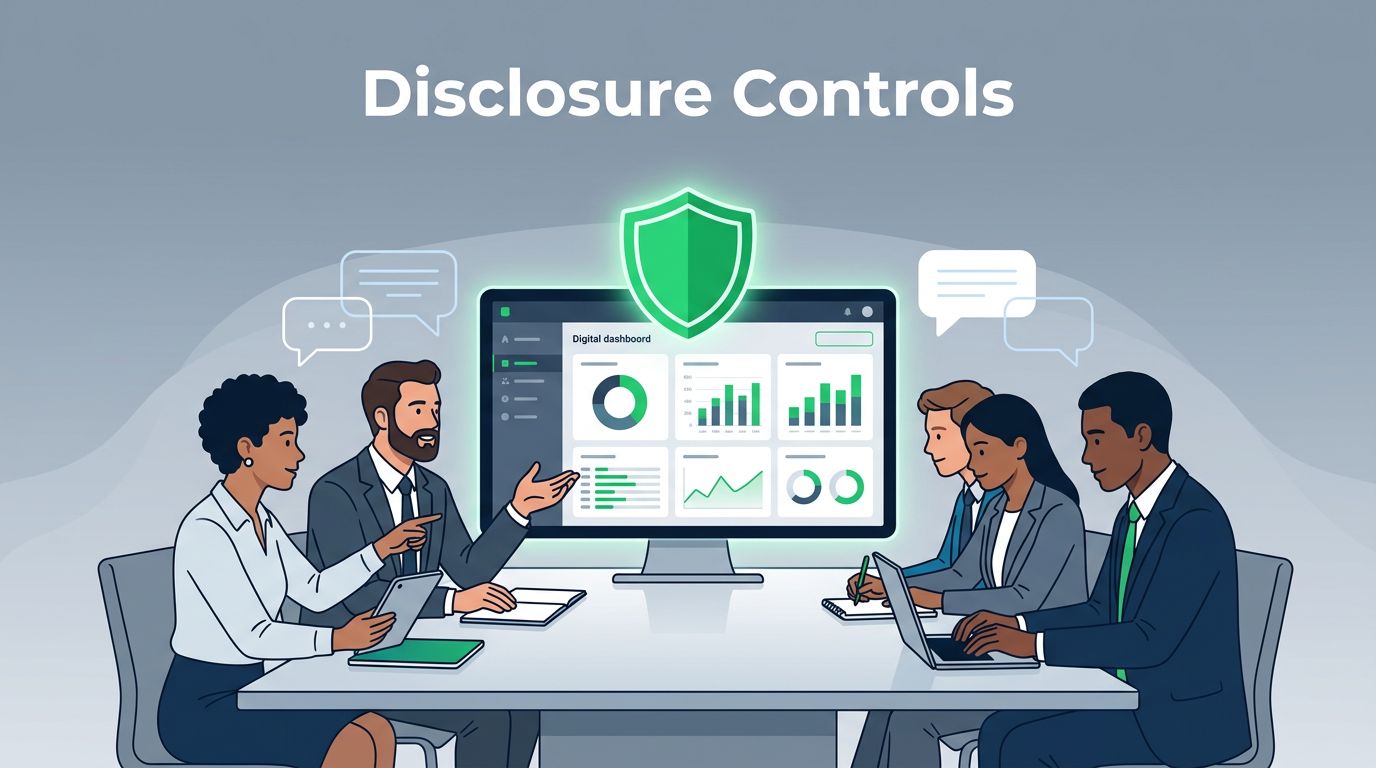
Executives often feel pressure to build strong rapport with major investors. This motivation can lead to excessive transparency, which conflicts with strict disclosure standards. Your governance model must empower IR staff to serve as a check on executive behavior without damaging the professional relationship. Establish clear protocols for what materials are pre-approved for any external engagement.
No presentation or summary should reach a third party without a secondary review from legal or compliance. This process feels slow at times, but it prevents the most common disasters. Consider implementing a brief, mandatory prep session for every executive speaking engagement. During these sessions, you can rehearse answers to sensitive topics and agree on a protocol for handling unexpected questions.
Documenting these sessions is also helpful for your internal defense. If a question ever arises regarding a specific meeting, having records of the training and the pre-approved guidance demonstrates a commitment to institutional compliance. Consistency in these practices removes the guesswork for your executives and keeps your organization on solid legal ground.
Integrating Compliance into Daily Operations
Effective risk management does not happen on a periodic basis. It happens in every email, every draft, and every meeting. You need to foster a culture where security and compliance feel like natural components of the job, not external burdens. Encourage team members to flag ambiguous information early rather than waiting for a formal review cycle.
When you notice a potential issue, address it immediately. Quick correction prevents the spread of sensitive information and reinforces the importance of the internal standards you set. If an executive deviates from the script, don’t wait until the next quarterly report to address it. Have a candid, professional conversation to understand why the departure happened and how to avoid it in the future.
Technology also plays a key role here. Implement tools that automatically flag sensitive keywords in drafts or track the dissemination of proprietary slide decks. These technical barriers help your team avoid accidental slips while providing peace of mind. By combining well-trained humans with smart, non-intrusive technology, you create a layer of protection that scales as your company grows.
Measuring the Effectiveness of Your Risk Framework
How do you know your disclosure controls work? You look for signs of stability. If your team consistently uses pre-approved messaging and navigates tough analyst questions without straying, your controls are working. Periodically reviewing your incident logs and post-meeting assessments helps you identify trends. Are there specific executives who struggle more than others? Do certain topics consistently trigger risky behavior?
Use this data to refine your training and guidance. You don’t need a massive change in strategy, but you do need incremental improvements based on real performance. Share your findings with the leadership team to maintain buy-in for your compliance initiatives. When executives see that these controls support their ability to communicate effectively without exposing the company to unnecessary risk, they will likely become your most active participants.
Keep your focus on transparency and education rather than punishment. When team members understand the impact of their actions on the company, they are more likely to prioritize disclosure safety. By building a culture that values accuracy as much as growth, you set your investor relations team up for long-term success.
Sustaining Long-Term Disclosure Hygiene
Maintaining high standards over time requires constant vigilance. As the market changes, so will the questions you face and the risks you encounter. Your training programs should evolve to reflect new communication platforms and shifting regulatory expectations. Schedule semi-annual reviews of your governance documents to keep them current.
Always prioritize the simplicity of your guidance. Complex rules are difficult to follow under pressure. By distilling your disclosure policy into clear, actionable principles, you make it easier for your team to make the right choice in the heat of the moment. Consistent reinforcement and open communication channels remain the best tools in your kit for protecting the company’s integrity and investor trust.