table of contents
Cybersecurity teams face a 4.8 million global skills gap in 2026. That’s unfilled jobs despite a growing workforce. You know the drill: threats evolve fast, but talent lags behind.
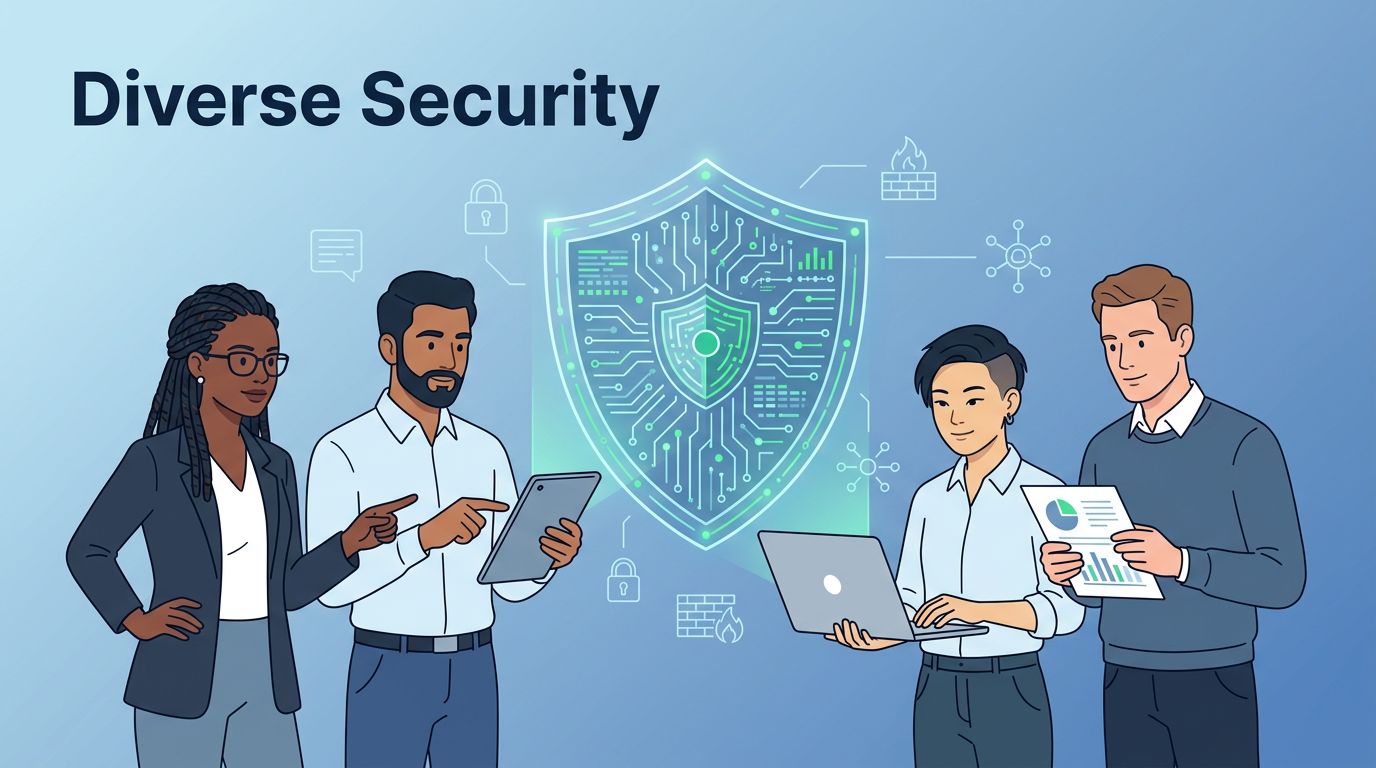
Diversity helps close that gap. Varied backgrounds bring fresh problem-solving and spot blind spots in threat detection. Yet many security leaders stick to old hiring habits. This leaves teams homogenous and vulnerable.
You can fix this. Start with practical steps that prioritize skills and merit while expanding your pool.
Why Security Teams Need Diverse Hiring Now
The shortage hits hard. Asia-Pacific alone lacks 3.4 million workers. The US trails with over 500,000 open roles. Fast changes in AI, cloud security, and compliance widen the divide.
Diversity counters this. Teams with mixed experiences model threats better. They innovate faster too. For example, women and underrepresented groups now join more often than a decade ago. But progress slowed amid budget squeezes.
Soft skills matter most. Employers seek critical thinking (57% priority), communication (56%), and adaptability (61%). Tech skills like AI follow at 15%. Diverse hires often excel here because life experiences build those traits.
Hiring managers overlook juniors. They demand years of IT experience. Remote work changes that. It pulls talent from new regions and backgrounds.
Focus on merit. Structured processes ensure everyone competes fairly. This builds stronger defenses.
Set Goals and Track Progress with KPIs
Define what success looks like first. Vague aims fail. Tie goals to business needs, like filling cloud architect roles.
Pick measurable KPIs. Aim for 30% diverse hires in the next quarter. Track applicant diversity rates. Monitor offer acceptance from underrepresented groups.
Here’s a simple table of example KPIs:
| KPI | Target | Why It Matters |
|---|---|---|
| Diverse applicant pool | 40% from underrepresented groups | Widens options without lowering standards |
| Hire diversity rate | 25% new hires from diverse backgrounds | Builds team balance over time |
| Retention after year one | 85% for diverse hires | Proves inclusive culture works |
| Time to fill senior roles | Under 60 days | Speeds up amid shortages |
Review quarterly. Adjust based on data. For instance, if retention dips, check onboarding.
Publicize wins internally. This motivates teams and attracts more candidates.
Build a Diverse Talent Pipeline
Source beyond usual channels. Partner with groups like Women in Cybersecurity (WiCyS) or Black Girls Hack. Sponsor bootcamps for minorities.
Revise job posts. Drop “ninja” or “rockstar” lingo. Use neutral terms. Highlight soft skills alongside NIST knowledge or ISO 27001.
Target adjacent fields. Veterans bring discipline for incident response. Neurodivergent talent shines in pattern recognition for threat hunting.

Train recruiters on outreach. For deeper strategies on intersectionality in recruitment, check Women in Tech Network’s guide.
Build internal pipelines too. Upskill current staff in GRC or DevSecOps. This frees seniors for executive spots.
Remote roles help. They tap global talent without relocation barriers.
Revamp Your Interview Process
Bias creeps in early. Use blind resume screens. Strip names, schools, and photos.
Standardize questions. Score on rubrics. Ask: “Walk us through a time you adapted to new tech under pressure.” This favors skills over charm.
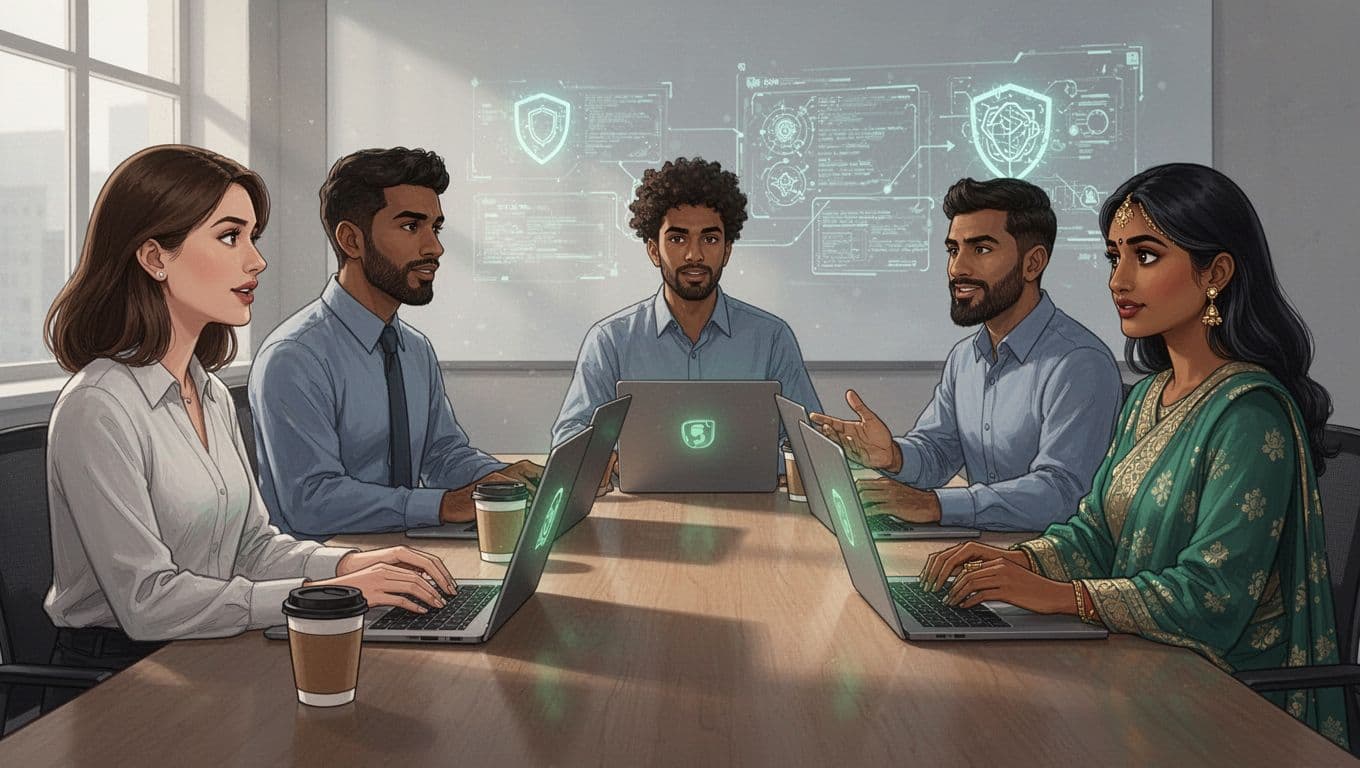
Form diverse panels. One woman and two men from varied backgrounds bring balanced views.
(ISC2’s bias toolkit offers tools for this)[https://www.isc2.org/Insights/2025/01/manage-unconscious-bias-isc2-toolkit]. Train everyone involved.
Test practical skills. Give a mock phishing analysis or IAM scenario. Time it equally.
Follow up with feedback loops. Ask rejected diverse candidates why. Improve from there.
Prioritize Retention from Day One
Hiring stops at onboarding. Set diverse hires up to stay.
Pair them with mentors. Offer clear growth paths, like certs in cloud security.
Foster inclusion. Host regular check-ins. Celebrate contributions.
Track 90-day retention. If low, tweak culture.
Long-term, diverse teams retain better. They make better decisions under stress.
Follow This Implementation Roadmap
Start small. Roll out over six months.
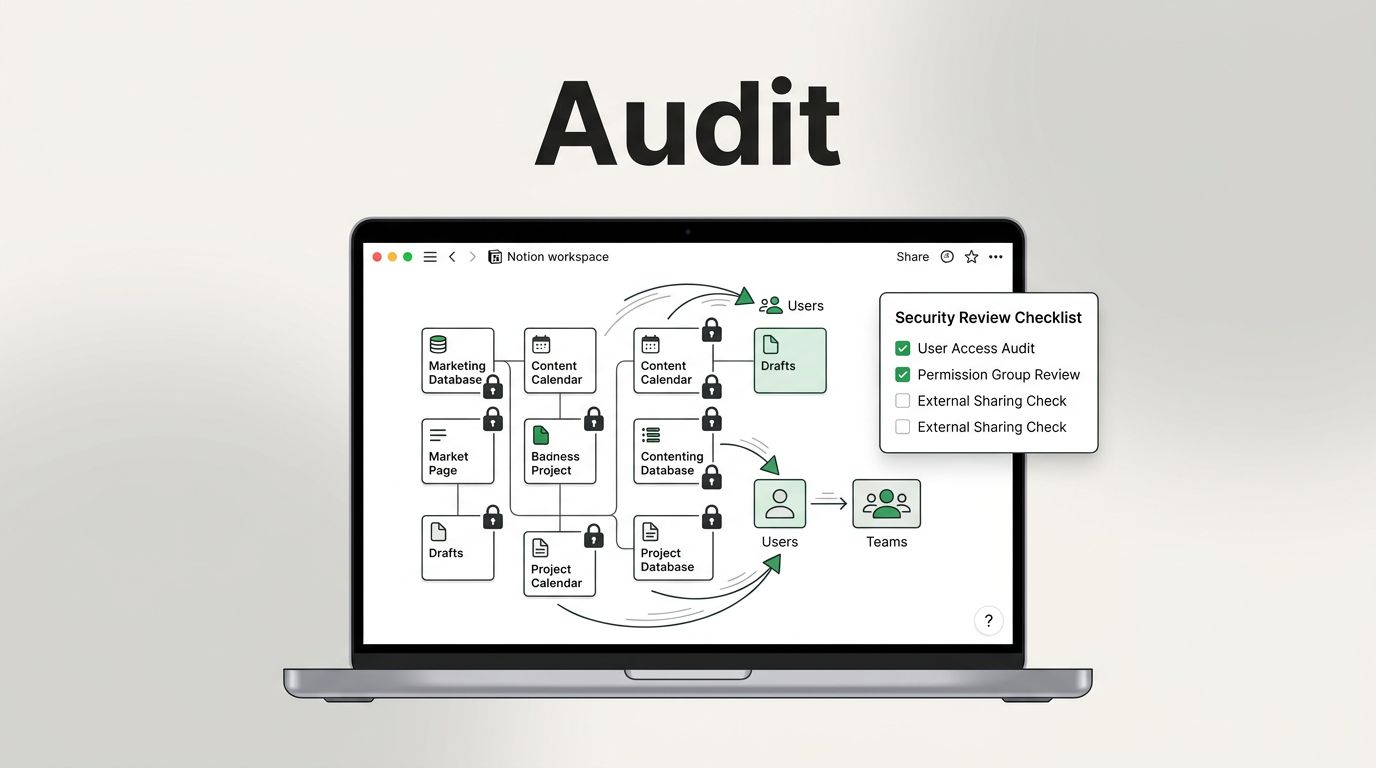
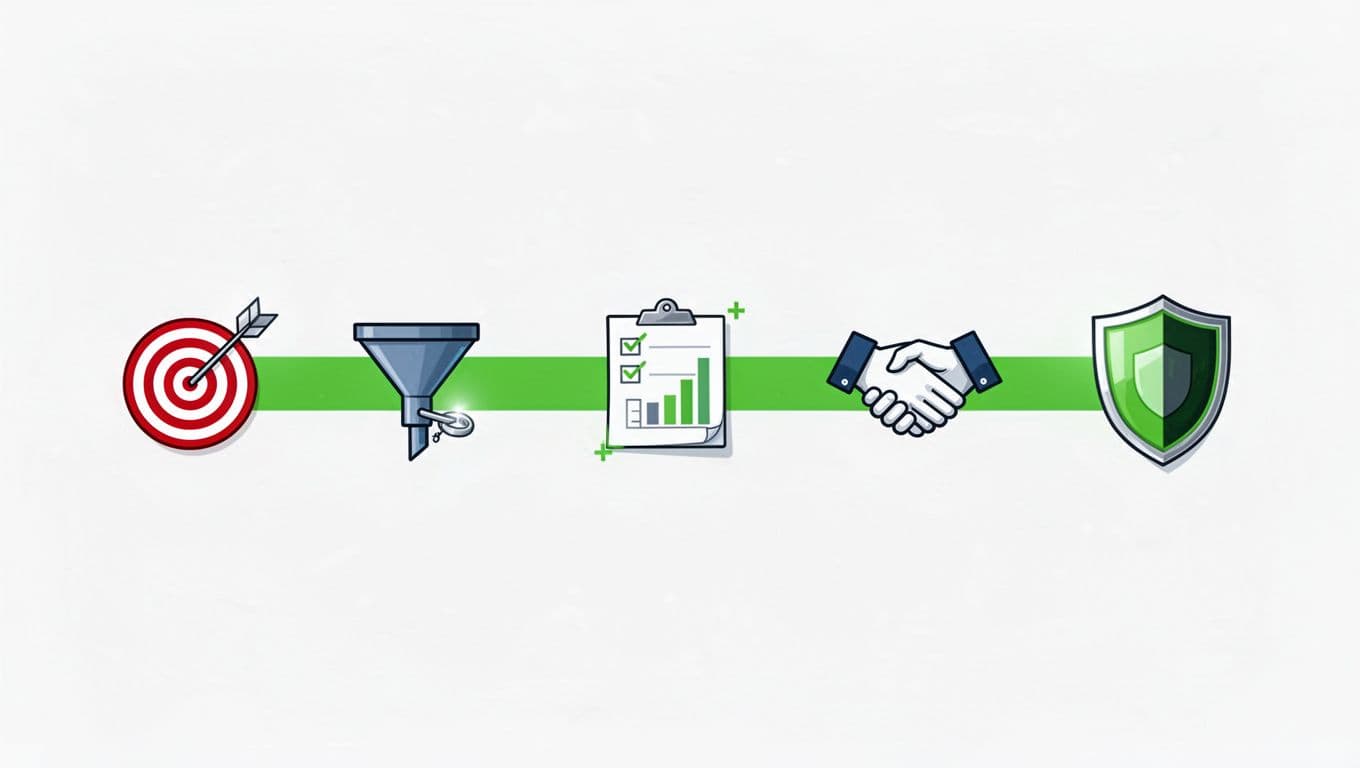
- Audit current process. Spot biases in one week.
- Set KPIs and train team. Two weeks.
- Build pipeline and post jobs. Month one.
- Run pilot interviews. Month two.
- Measure and adjust. Ongoing.
Need help? Book a Discovery Call with Bud Consulting to tailor this for your team.
Key Takeaways
Diversity strengthens security teams against 2026’s talent crunch. Focus on skills, structure, and tracking. You’ll fill gaps faster and build resilient defenses.
Merit stays central. This approach pays off in innovation and retention. Act now. Your next hire could close a critical vulnerability.