table of contents
A spoofed email can cause damage before your team even sees it. One fake invoice, one phishing note, or one cloned customer message can shake trust fast.
That’s why hiring the right email authentication engineer matters. This role reaches beyond DNS settings. It affects marketing, IT, security, and the reputation your customers see every day.
Recent threat data makes the case even stronger. Phishing got sharper in early 2026, AI-made lures rose fast, and brand impersonation still works because many domains are not locked down well enough.
Why this role matters for brand protection
Attackers do not need to break into your systems if they can send mail that looks like yours. That is the danger of spoofing. It turns your brand into the delivery vehicle for fraud.
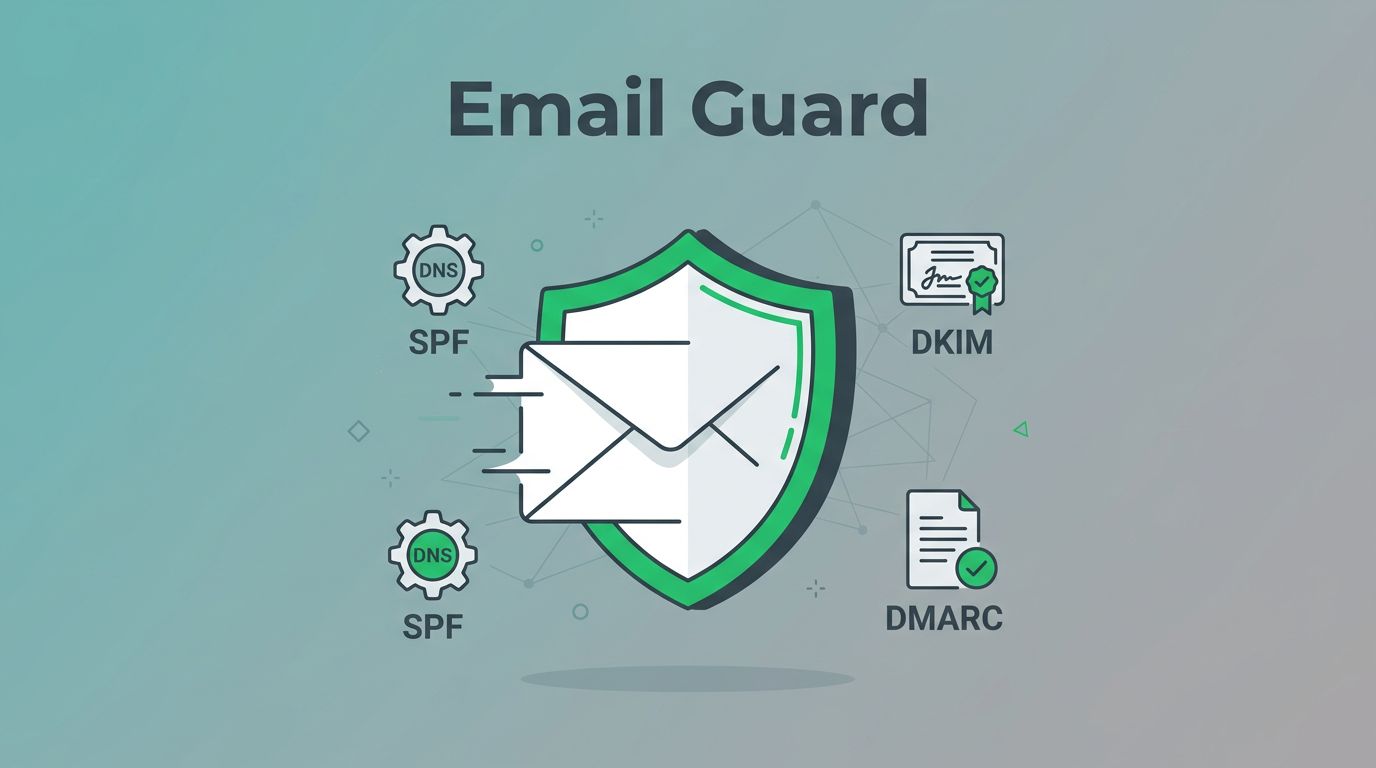
An email authentication engineer helps stop that by setting and maintaining SPF, DKIM, and DMARC. In plain English, those records tell receiving mail servers which systems can send for your domain, how to verify the message, and what to do when a message fails checks. For a practical overview, the SPF, DKIM, and DMARC basics guide is a useful reference.
The best candidates also think about the whole mail flow. If you send from a CRM, a support platform, a payroll tool, and a marketing system, every source needs to be mapped. Miss one, and you either break legitimate mail or leave a hole open for impersonation.
Brand protection starts with knowing every system that speaks for your domain.
What the engineer should own
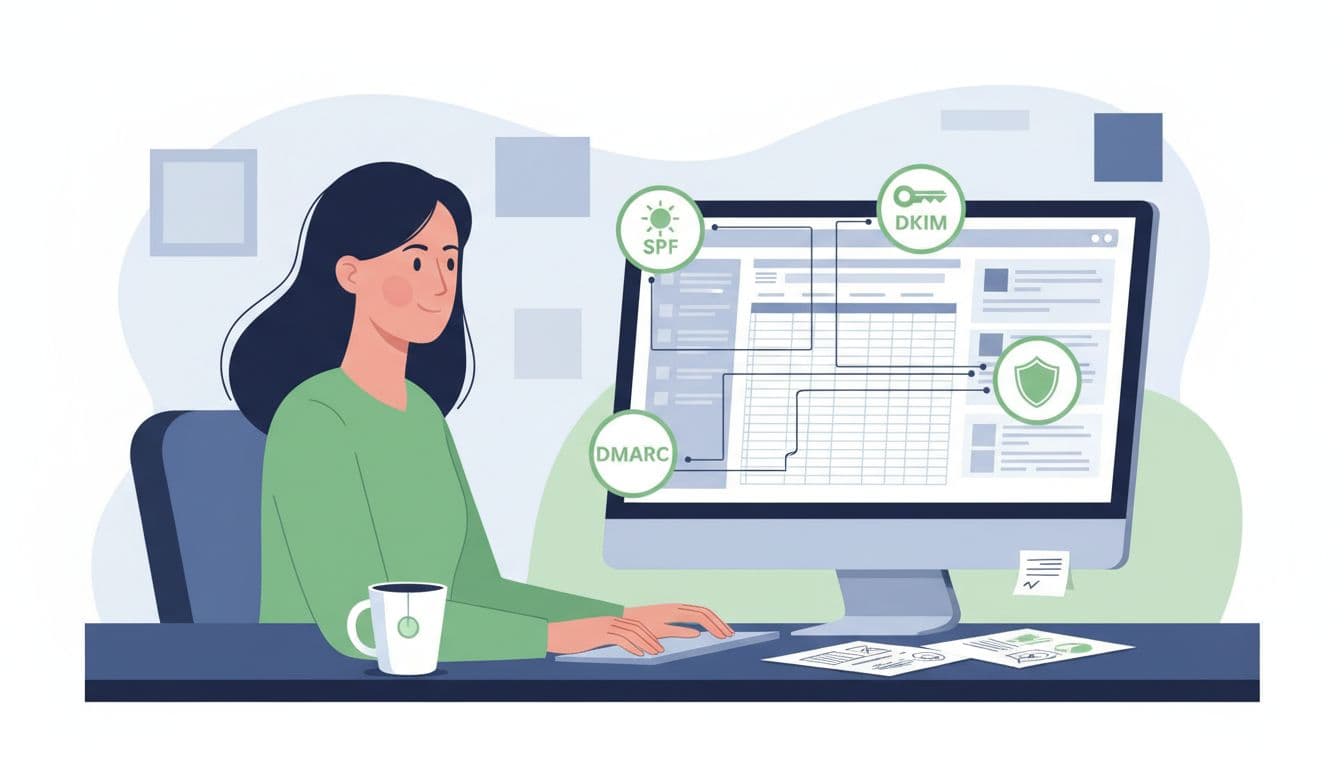
The role should be clear before you start interviews. A strong email authentication engineer owns policy, monitoring, and change control, not just record edits.
| Area | What good looks like | Why it matters |
|---|---|---|
| DNS and domain control | Can manage SPF, DKIM, DMARC, subdomains, and key rotation | Keeps your domain hard to spoof |
| Reporting and analysis | Reads aggregate reports and spots unknown senders | Finds abuse before customers do |
| Rollout planning | Moves domains from monitoring to enforcement in stages | Reduces the risk of blocking real mail |
| Team coordination | Works with marketing, IT, and security | Prevents broken campaigns and surprise outages |
| Incident response | Knows how to react when a vendor or attacker causes failures | Shortens the time bad mail stays active |
A strong candidate should also know newer pieces like ARC and BIMI. They may not need to deploy both on day one, but they should understand where those standards fit. A DMARC validation workflow is useful when you want to move from monitoring to enforcement without causing delivery problems.
The takeaway is simple. You want someone who can protect the brand without creating a mess for the business.
Hiring criteria that separate strong candidates
Look for experience, but look for the right kind of experience. Someone who has only read about email security is not enough.
A solid candidate usually has these traits:
- Real sender inventory work: They can identify every mail source, including third-party tools and forgotten subdomains.
- DNS and mail flow knowledge: They understand how SPF, DKIM, DMARC, and alignment work together.
- Cross-functional habits: They can talk with marketers, admins, and security teams without losing people in jargon.
- Documented rollout discipline: They test changes, keep rollback plans, and avoid risky guesswork.
- Security judgment: They know when to enforce policy and when to pause for more data.
You should also ask how they measure success. Good answers include fewer spoofed messages, better authentication coverage, cleaner DMARC reports, and faster issue resolution. Weak answers focus only on record syntax.
If a candidate cannot explain how they would protect a domain while preserving legitimate sending, keep looking. That balance is the job.
Sample interview questions that reveal real skill

Interview questions should test judgment, not memorized acronyms. Ask for examples, decisions, and trade-offs.
- How would you build a sender inventory for a company with marketing, support, and sales email tools?
- What do you check first when SPF passes but DMARC still fails?
- How do you move a domain from
p=nonetop=quarantineand then top=reject? - How do you handle a vendor that keeps breaking DKIM alignment?
- Which teams need to approve DNS changes, and how do you prevent mistakes?
Strong answers mention staged testing, monitoring, and rollback plans. They also show an understanding of business impact. A good engineer knows a broken welcome email can hurt revenue just as much as a spoofed invoice can hurt trust.
You can also ask for a past incident. The best people will walk you through the problem, the fix, and what they changed afterward.
Quick hiring checklist
Use this shortlist before you make an offer:
- Confirm the candidate has managed SPF, DKIM, and DMARC in live environments.
- Check that they understand DMARC reports and can explain them in plain English.
- Make sure they have handled multiple sending platforms, not just one mail server.
- Ask how they work with marketing, IT, and security when changes affect delivery.
- Review how they document DNS changes, ownership, and rollback steps.
- Look for a calm approach to incidents and vendor mistakes.
- Ask for examples of reducing spoofing or improving authentication coverage.
If they can speak clearly to both technical teams and business leaders, that is a good sign. This role needs translators as much as technicians.
Conclusion
Hiring an email authentication engineer is really about trust. You want someone who can close spoofing gaps, protect your domain, and keep legitimate email flowing.
The right hire understands both the technical side and the business side. They know how to work across teams, manage change carefully, and reduce the room attackers have to copy your brand.
If you need help defining the role or screening candidates, Book a Discovery Call with Bud Consulting.