table of contents
A former employee logs in days after their last day. They download files or forward emails. Suddenly, your company faces a potential breach. These scenarios happen more often than you think. Illuminate Education learned this the hard way when forgotten credentials exposed millions of student records, leading to a $5.1 million settlement.
Employee offboarding security demands quick action. Delays let risks grow. You need clear steps to contain threats and protect data. This guide walks you through handling incidents from detection to recovery.
Spot Common Red Flags During Offboarding
Watch for trouble signs right away. Suspicious file downloads before departure often signal data theft. One manager spots a sales rep copying client lists to a personal drive on their final week.
Unauthorized access after termination tops the list. Hackers love dormant accounts. Or check unreturned devices like laptops or phones. They might hold sensitive info or backdoors.
Password reuse creates headaches too. Ex-employees log in via old shared credentials. Email forwarding to personal accounts shows up in logs. Shadow IT adds risks, such as access through third-party SaaS tools outside your control.
Act fast on these clues. Review access logs daily during the offboarding window. Early detection cuts damage.
Investigate the Incident Thoroughly
Start by gathering facts. Pull logs from your identity provider and key apps. Note timestamps for logins, downloads, or changes post-termination.
Build a timeline. When did the employee leave? What access lingered? Tools like SIEM systems help here. One team finds logins from unusual IPs after the exit date.

Preserve evidence now. Copy logs before changes overwrite them. Interview the manager for context on handoffs. Did they share passwords verbally?
For deeper steps on log review, check ShieldNet 360’s 2026 guide to revoking access. This phase confirms if it’s malice or oversight.
Lock Down Access Without Delay
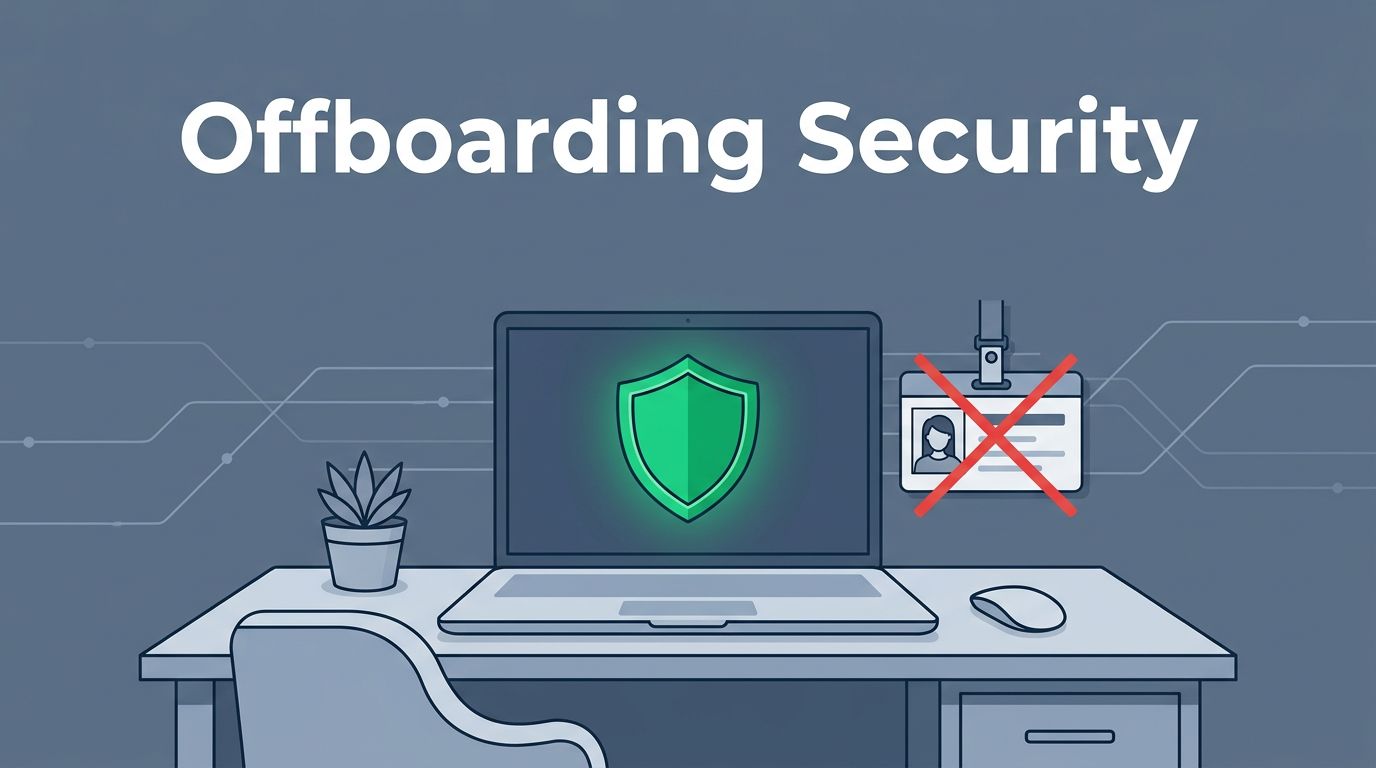
Revoke everything immediately. Disable the user in your IdP first, like Okta or Azure AD. This kills SSO sessions across apps.
Expire active sessions next. Rotate shared passwords and API keys. Target VPN, email, and cloud storage. Forwarding rules? Delete them.
Don’t forget shadow IT. Scan for OAuth grants or unmanaged SaaS logins. Revoke tokens in tools like Slack or GitHub.

Remote wipe company devices via MDM. For details on securing data during offboarding, see TechTarget’s tips on sensitive data handling. Speed limits exposure.
Secure Devices and Endpoints
Hunt for unreturned gear. Laptops often hide the biggest risks. Use tracking software to locate and wipe them remotely.
Check endpoints for malware. Run scans on shared servers they touched. Reimage affected machines if needed.
Password reuse? Force resets across teams. Monitor for failed logins on old accounts. This catches gaps fast.
Involve forensics if downloads look targeted. Isolate systems to stop spread. Physical access? Deactivate badges at once.
Coordinate with HR and Legal Teams
Loop in HR early. They hold departure details and conduct details. Legal reviews for breach reporting thresholds.
Document your actions. Note who did what and when. This builds your defense for audits or lawsuits.
Follow your incident response plan. Define triggers like data exfiltration. For compliance tips, read AccountableHQ’s best practices on former employee risks.
Communication matters. Alert stakeholders without panic. External breach? Notify per laws like GDPR.
Conclusion
Handle offboarding security incidents with speed and structure. Spot flags, investigate logs, lock access, secure devices, and coordinate teams. These steps contain threats before they escalate.
Mistakes to skip include delaying revokes or skipping logs. Automation helps, but checklists save the day.
Here’s a quick prevention list:
- Create offboarding checklists with IT, HR roles.
- Revoke IdP access on departure minute.
- Audit apps and shadow IT weekly.
- Train managers on red flags.
- Log all changes for audits.

Strong processes keep ex-employees from turning into risks. Book a Discovery Call with Bud Consulting to strengthen your security culture.