table of contents
You spot an alert on a critical server. It looks suspicious, but your endpoint tool misses key details. Why? A simple config gap lets threats slip by. These issues happen because endpoint detection audits often skip real checks.
Busy SOC teams and admins know the drill. EDR and XDR platforms promise strong protection, yet misconfigs like disabled telemetry or noisy rules create blind spots. You need a clear path to verify setups.
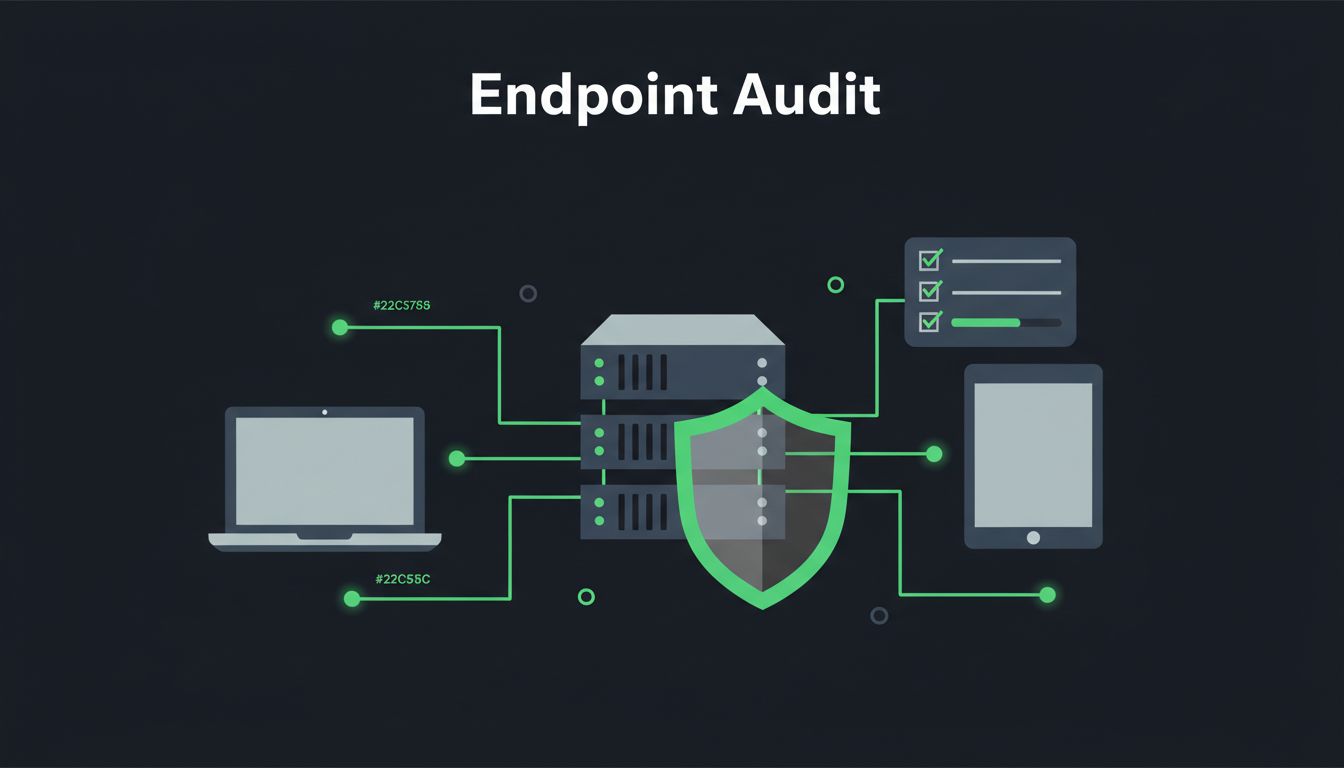
This checklist walks you through key steps. It focuses on what to check, common pitfalls, and signs of solid configs. Follow it to harden your defenses.
Assess Agent Deployment and Coverage
Start with basics. Confirm every endpoint runs the latest EDR or XDR agent. Coverage gaps leave doors open.
Check agent status across your fleet. Use console reports to spot unmanaged devices, like remote laptops or virtual desktops. Aim for 100% coverage on servers, workstations, and mobiles. If servers lag, prioritize them because attackers target them first.
Look for version mismatches. Old agents miss new threat signatures. Schedule updates quarterly. Test in staging first to avoid disruptions.
Common gap: Partial rollouts. One team skips agents on test machines. Result? Incomplete visibility. Good configs group endpoints by type, like servers versus user devices, and apply tailored policies.
Document ownership. Map agents to business units. This helps during incidents. For example, POPProbe’s endpoint security checklist stresses agent health reports for compliance.
Run a quick scan now. Export your agent list and cross-check against asset inventory. Fix any holes before moving on.
Verify Telemetry Collection
Telemetry is the lifeblood of detection. Without it, your tools guess at threats.
Confirm agents send full data streams: process logs, network connections, file changes. Disabled collection on high-risk endpoints is a red flag. Check policies to ensure real-time uploads.
Query your console for recent data volume. Drops signal issues, like firewall blocks or full disks. Test by running benign commands on a sample endpoint. Does telemetry capture them?
Overbroad exclusions kill visibility. Scan for paths like entire directories excluded. Attackers hide there. Limit exclusions to verified apps, and review them monthly.

This flow shows healthy telemetry in action. One analyst confirms data hits the dashboard unbroken.
Link telemetry to compliance. NIST and HIPAA demand it. If feeds stop, alerts fail. Restart collections and monitor for 24 hours post-fix.
Review Detection Rules
Rules define what your platform flags. Poor ones flood you with noise or miss attacks.
Pull rule lists from the console. Enable behavioral analytics and machine learning models first. Disable legacy signature-only rules; they lag behind fileless malware.
Hunt noisy rules. High false positive rates burn out analysts. Tune thresholds based on past alerts. For instance, adjust PowerShell blocks to ignore admin scripts.
Check for gaps in coverage. Do rules catch living-off-the-land tactics, like Cobalt Strike beacons? Map them to MITRE ATT&CK. Update quarterly as threats shift.

Active rules glow green here, easy to audit.
Test custom rules. Fire a safe payload and watch for triggers. No hit? Refine or add. Check Point’s XDR best practices back full integration for better rule context.
Check Exclusions and Whitelists
Exclusions seem helpful but often backfire. They let malware run unchecked.
List all exclusions: files, folders, processes, IPs. Question each one. Does antivirus bypasses cover legit tools only? Broad ones, like C:Program Files, scream risk.
Review whitelists too. Overly permissive lists block nothing. Tighten to hashes or certificates of trusted apps. Rotate hashes if vendors update.
Common pitfall: Legacy exclusions from old rollouts. Clean them yearly. Simulate an attack in an excluded path. Detection fails? Remove it.
Track changes. Who approved the last addition? Audit logs prevent insider tweaks. Good setups require two-person approval for exclusions.
Evaluate Integrations and Alerting
Siloed EDR misses the full picture. Integrate it now.
Confirm feeds to SIEM, SOAR, and ticketing systems. Test alert routing: Does a high-severity event create a ticket? Broken pipes delay response.
Set alert tiers: critical, high, medium. Suppress low ones unless correlated. Centralize views for XDR overlap.
Monitor fatigue. If analysts close 80% as false, tune upstream. Reopen rules on new activity to catch dwell time.
From recent data, poor integrations top misconfigs. Full links cut blind spots.
Test Response Capabilities
Detection without response is half the job. Verify actions work.
List automated responses: isolate, kill process, dump memory. Test each on a lab endpoint. Run EICAR test file. Does isolation trigger in seconds?
Check manual playbooks. SOC runs containment? Time it end-to-end. Gaps like untested quarantines let threats spread.
Red team quarterly. Simulate ransomware. Measure detection to block time. No automation? Add it.

Alerts rise during tests, confirming response readiness.
Untested actions fail in crises. Document results for audits.
Monitor Performance Metrics
Metrics prove your audit works. Track them ongoing.
Key ones: detection accuracy, mean time to respond, false positive rate. Aim below 5% false positives. Dashboards should show trends.
Review quarterly. Dips mean retuning. Log incidents to refine rules.
Export reports for compliance. They show due diligence.
Key Takeaways from Your Endpoint Detection Audit
Regular audits catch gaps before breaches hit. Focus on telemetry, rules, and tests first; they block most threats.
You now have steps to verify configs and fix common issues like noisy alerts or missing coverage. Run this checklist monthly for enterprise scale.
Strong setups integrate tools and automate responses. Your team stays ahead.
Need help with complex audits? Book a Discovery Call with Bud Consulting to close skills gaps.
(Word count: 982)