table of contents
Large organizations face constant pressure to modernize their defenses. When internal IT teams hit scaling limits, leadership teams look outside for help. Choosing the right partner for enterprise security transformation determines whether a multi-million-dollar program succeeds or stalls out in bureaucracy.
The vendor market splits into two distinct groups. Cybersecurity consulting firms design strategy, governance, and risk operating models. Systems integrators deploy the tooling, infrastructure, and managed services required to keep operations running. Knowing the difference helps CISOs and CIOs avoid expensive missteps during vendor selection.
Key Takeaways
- Enterprise security transformation requires balancing strategic consulting firms with technical systems integrators.
- Major consulting providers like Deloitte, PwC, and Accenture lead large-scale program governance, while firms like Convergint and Securitas Technology handle physical and technical integration.
- Buyers must evaluate partner capabilities against concrete criteria, including regulatory alignment, internal staffing gaps, and multi-year program execution history.
- Due diligence questions should target past project delivery failures, subcontractor reliance, and cultural fit for security teams.
Evaluating Enterprise Cybersecurity Consulting Firms
Strategic advisory firms shape board-level risk management and long-term security architecture. Organizations turn to these firms when they need to overhaul governance structures, prepare for strict regulations, or execute multi-year modernization roadmaps.
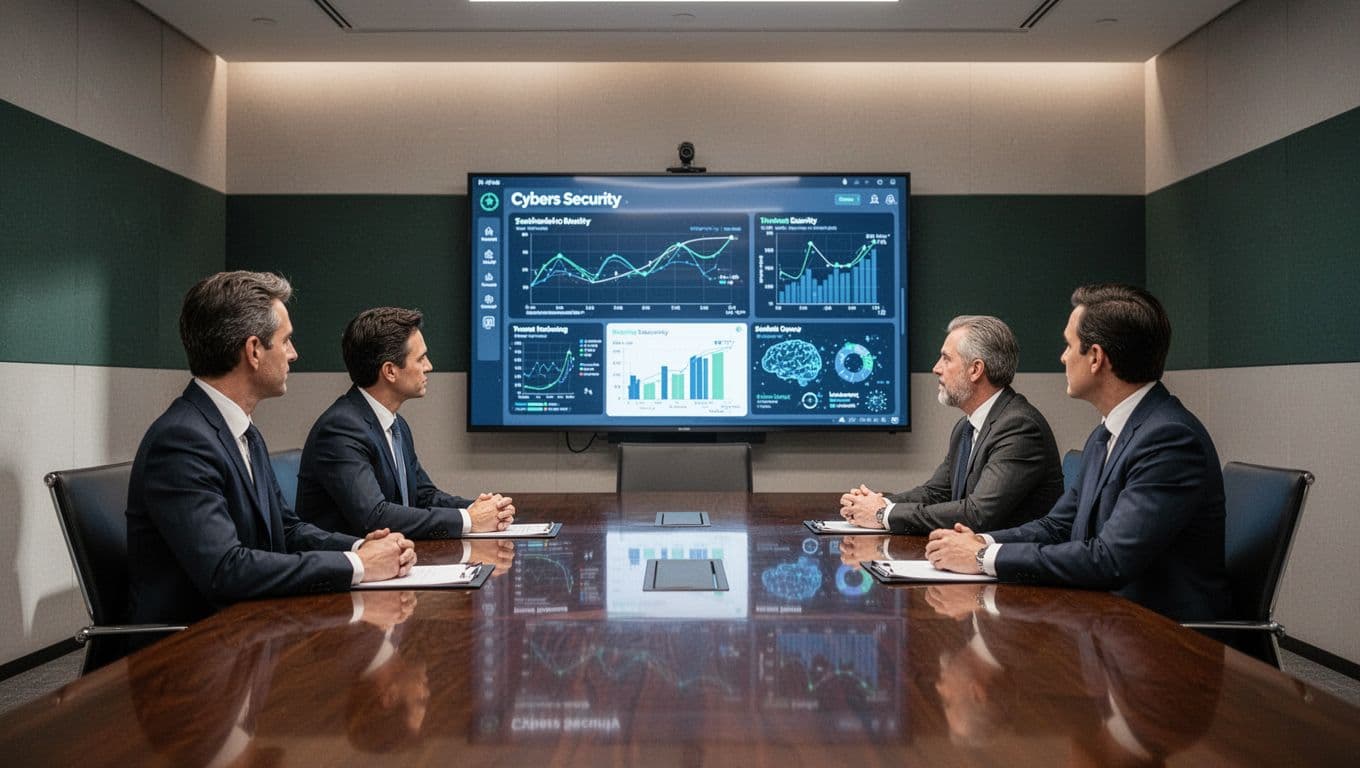
The global market features several dominant players. Deloitte ranks high for board-level advisory work and large compliance initiatives. PwC specializes in regulated risk frameworks and financial controls. Accenture handles large-scale technical modernization and identity foundations, while IBM provides hybrid cloud security and AI-backed managed services. Independent research platforms provide ongoing evaluations of these capabilities, as shown in Gartner’s security consulting review portal.
Selecting a consulting partner requires examining their actual delivery model. Many large firms pitch senior partners and deliver work through junior analysts. Enterprise buyers should demand clarity on who writes the final architecture documents. A strong partner integrates directly with internal teams rather than operating in a silo.
Choosing Enterprise Systems Integrators
Once strategy is set, systems integrators build the technical and physical foundation. These partners install network defenses, deploy endpoint management platforms, and connect disparate security tools across hybrid cloud environments.

The integration market includes massive commercial providers. Convergint, Securitas Technology, and Pavion manage large infrastructure rollouts for corporate campuses and manufacturing plants. Technical integration requires deep vendor partnerships with platform providers. Buyers must verify that engineering teams hold current certifications for every tool deployed in their environment.
Integration failures usually stem from poor communication between physical security teams and IT departments. The right integrator bridges this gap. They ensure that physical access control systems feed logs directly into enterprise security information and event management platforms. For specialized advisory support during this phase, enterprise security teams often review resources like GuidePoint Security consulting services to benchmark integration standards.
Comparing Partner Types for Enterprise Security Transformation
Organizations must weigh consulting firms against systems integrators based on their current operational maturity. Selecting the wrong category leads to stalled projects and wasted capital.
| Partner Category | Primary Focus | Best Used For | Typical Delivery Model |
|---|---|---|---|
| Consulting Firms | Strategy, risk, and governance | Regulatory compliance, board advisory, roadmap design | Advisory teams and program managers |
| Systems Integrators | Technical deployment and tooling | Network defense rollout, cloud integration, operations | Engineers, technicians, and managed services |
The comparison table highlights the division of labor. Consulting firms establish the destination. Integrators build the vehicle and drive it. Enterprise buyers need both, but they rarely find a single vendor that excels equally at board-level risk strategy and low-level firewall configuration.
Essential Due Diligence Questions for Enterprise Buyers
Vendor pitch decks look identical. Every firm promises seamless execution and industry-leading expertise. Enterprise buyers must cut through marketing claims by asking direct, probing questions during the evaluation process.
- How many enterprise clients have you taken through a complete security transformation of this exact scale in the past twenty-four months?
- What percentage of the actual delivery work is subcontracted to third-party vendors or offshore resources?
- Can you provide client references from organizations that experienced project delays or scope overruns, and explain how you resolved those issues?
- What specific metrics do you use to measure risk reduction following the implementation of your recommended security architecture?
- How do your advisory teams transfer operational knowledge to internal staff so we aren’t dependent on your consultants forever?
Answers to these questions reveal operational reality. A trustworthy partner admits past failures and explains their remediation process. They don’t hide behind corporate buzzwords.
Conclusion
Managing an enterprise security transformation requires clear boundaries between advisory strategy and technical execution. Selecting the right partner means matching vendor capabilities to internal skill gaps and risk tolerance.
Take time to verify past performance before signing multi-year contracts. If your internal team needs specialized talent or independent validation to support this transformation, Book A Call With Us to discuss your requirements.