table of contents
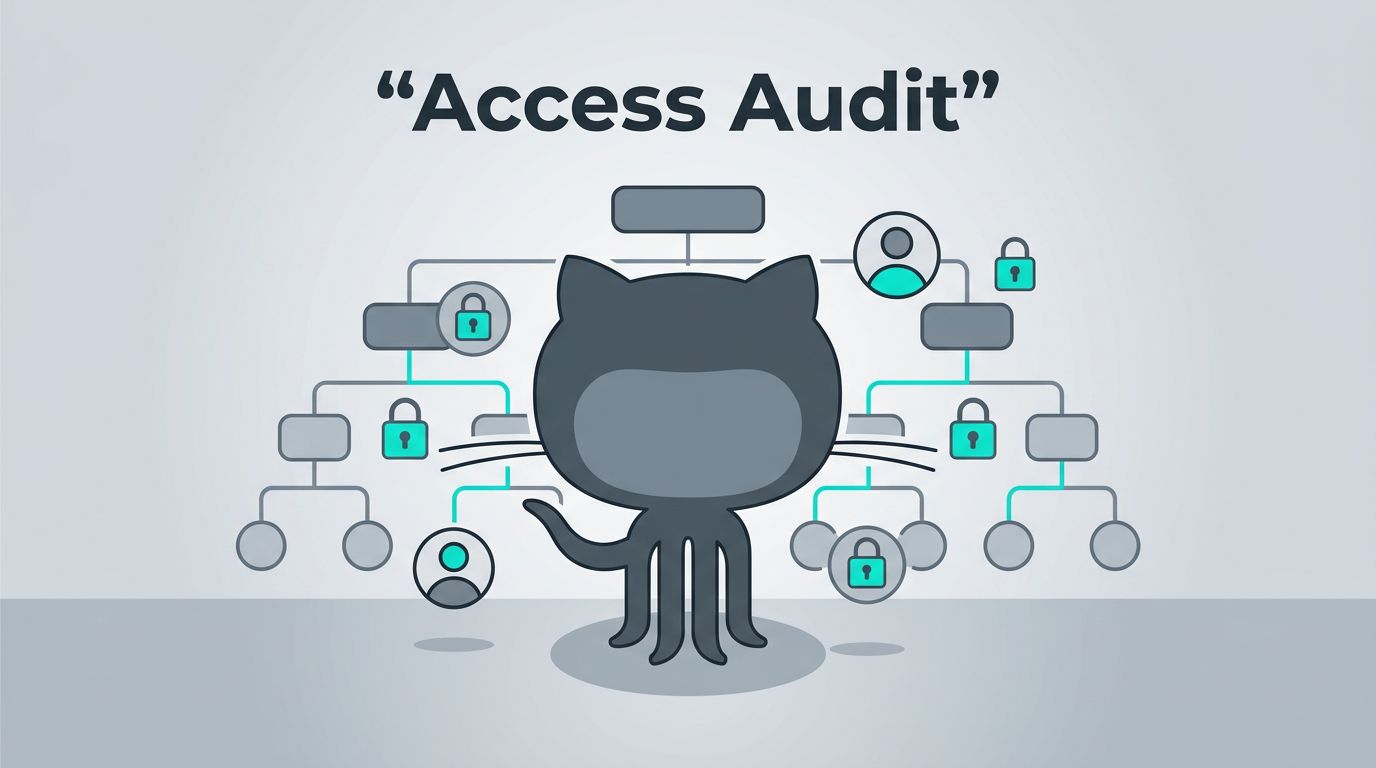
One wrong permission in your GitHub organization can expose sensitive code to the wrong eyes. You’ve seen it happen: a former contractor keeps read access to production repos, or a team lead has admin rights on every project. These slips create real security holes.
A solid GitHub access audit fixes that. It spots excessive privileges, stale users, and misconfigurations before attackers do. You’ll walk through the steps here, with tools and checks tailored for 2026 features like scoped secrets and enhanced audit logs.
Let’s start by checking your members list.
Review Organization Members and Roles
Log into your GitHub organization as an owner. Go to Settings > Member privileges. This dashboard lists all users, their roles, and last activity dates.
Scan for stale access first. Look for accounts inactive over 90 days. GitHub shows last login; flag anyone without recent commits or logins. Orphaned accounts often stem from offboarded employees. Remove them directly or suspend via SAML if you use Enterprise Cloud.
Next, hunt excessive privileges. Owners have full control; limit them to a few admins. Members with write or admin on sensitive repos need justification. In Enterprise Server, check local user lists too, as they differ from Cloud’s IdP sync.

Use the two-factor authentication column. Enforce it for all; disable members without it. For outside collaborators, verify contracts are current. Export the list as CSV for your review process.
Remediate fast. Downgrade roles to read-only where possible. Notify owners before changes to avoid workflow breaks.
Examine Teams and Permissions
Teams centralize access, but misconfigurations sneak in. From Organization > Teams, review each group’s repo permissions. Nested teams inherit rights; check child teams don’t amplify access unexpectedly.
Spot issues like broad write permissions on public repos. A team with admin on a public project risks leaks. GitHub Enterprise Cloud lets you set base permissions per repo; Server requires manual sync.

Common red flags include teams with 50+ members on private repos. Trim by role: devs get write, QA gets triage. Revoke unused teams.
For remediation, assign repo-specific roles over org-wide. Test changes in a staging repo first. Document approvals in your ticketing system.
Follow GitHub’s guidance on managing security settings to lock these down.
Analyze Audit Logs for Suspicious Activity
Audit logs catch what dashboards miss. In Settings > Audit log, filter by events like “repo.access” or “org.member_added”. GitHub retains 180 days by default; export older via API for Enterprise plans.
Look for patterns. Mass permission adds from one IP signal compromise. Logins from new countries need review. Scoped secrets in 2026 limit workflow creds; check “secret_scanning” events for leaks.

Enterprise Cloud streams logs to SIEM like Splunk. Server admins pull via GraphQL. Example: “user.repo_archived” by a non-owner flags privilege creep.
Remediate by revoking suspicious access. Set alerts for high-risk events, like admin role grants.
See best practices for audit log reviews.
Assess Repositories and Third-Party Risks
Repos often hide exposures. Check Settings > Code security and analysis. Enable secret scanning and dependency review for all.
Public repos top the list. Scan for unintended publics; private them or add branch protection. Third-party apps under Integrations pose risks. Revoke unused OAuth apps; review scopes like “repo” or “admin:org”.
In 2026, separated code and credential controls mean write access doesn’t grant secret management. Verify via repo settings.
For Enterprise Cloud, use security configurations to apply fixes at scale. Server needs repo-by-repo checks.
Remediate by blocking high-risk integrations. Rotate secrets quarterly.
Spot Public Exposures and Integrations
Don’t stop at members. Public repos draw attackers. Use the repo search to filter public ones; assess if they need to be. Fork networks amplify risks; monitor them.
Third-party risks grow with apps. In Organization settings > Third-party access, list connected services. GitHub flags inactive ones. Revoke broad scopes; prefer GitHub Apps over OAuth.
Example log: “integration_installation.requested” from unknown IP. Block it.
Cloud offers auto-secret rotation; Server relies on manual processes. Tighten with data leak prevention practices.
Implement a Recurring Access Review Checklist
Make audits routine. Schedule quarterly via calendar invites.
| Check | Frequency | Action |
|---|---|---|
| Member activity | Quarterly | Remove inactive >90 days |
| Team permissions | Biannual | Validate repo assignments |
| Audit log export | Monthly | SIEM ingest and alert setup |
| Repo visibility | Quarterly | Private sensitive code |
| Integrations | Biannual | Revoke unused apps |
Assign owners per category. Track in a shared doc. Automate with GitHub Actions for reports.
For governance tips, check this DEV Community post on GitHub access control.
Key Takeaways for Secure Access
Regular GitHub access audits cut risks from stale users and over-permissions. Focus on logs, teams, and integrations to stay ahead.
Enterprise Cloud shines with automation; Server demands more manual effort. Run your first audit this week.
Need help scaling security? Book a Discovery Call with Bud Consulting. Your code stays safe.