table of contents
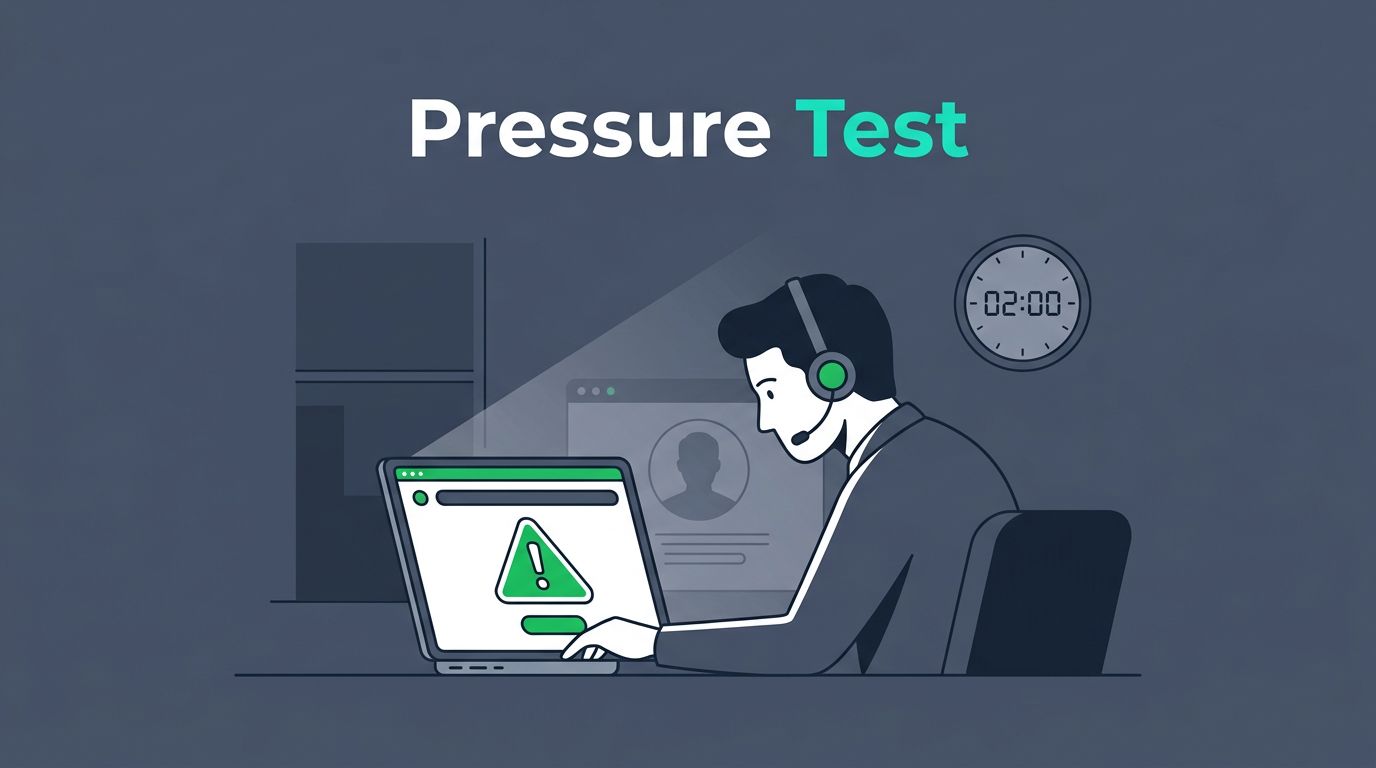
Picture this: a frantic call comes in at 2 a.m. The caller claims to be your CEO, locked out of email during a board crisis. Your agent hesitates, then skips the full check. Boom, credentials handed over to an attacker.
Help desk teams face these moments daily, especially in hybrid work setups where remote support rules. Weak help desk identity checks open doors to social engineering. Attackers use AI voice clones and stolen details to sound legit.
You can fix this with targeted tests. They build real resistance without real risk. Let’s walk through how to run them right.
Why Pressure Tests Strengthen Identity Verification
Standard scripts fail under stress. Agents rush through questions when callers push hard. Tests mimic that chaos to expose gaps.
In 2026, threats hit harder. Groups like Scattered Spider target service desks first. They drop manager names or fake urgency to bypass basic checks. Your team needs practice in those spots.
Start small. Pick one shift for unannounced drills. Announce results later to motivate, not punish. This approach boosts compliance by 40% in many orgs.
Focus on possession factors too. Trigger MFA pushes even off-hours. Tools like Microsoft Authenticator make it simple. Check out Microsoft Entra Verified ID for help desks for phish-resistant options.
Tests reveal patterns. Some agents cave to emotion. Others miss partial knowledge tricks. Data from these runs guides training.
Key Pressure Scenarios to Simulate
Real attacks don’t follow office hours. Build scenarios that match. VIP impersonation tops the list. Caller says, “I’m the VP of sales, plane lands in 30 minutes, need VPN now.”
Add urgency with password resets. “Server’s down, clients wait, send the link quick.” After-hours calls amp tension. No supervisor around, just the agent.
Manager name-dropping works next. “John from exec team told me to call you directly.” Emotional pulls seal it. “Family emergency, can’t access health portal.”
Don’t forget partial knowledge. Attacker knows badge number but fumbles birthday. Or they guess extensions from LinkedIn.

These hit remote chats too. Hybrid teams verify via Slack or Teams. Test voice, video, and text. For details on evolving threats, see the future of help desk security.
Rotate scenarios weekly. Track which ones fool most agents. Adjust based on your industry’s risks, like finance facing more VIP fakes.
Set Up Ethical Testing Scenarios
Ethics come first. Get buy-in from leadership and unions. Define rules: no real data exposure, debrief right after.
Assemble a test team. Mix security pros and supervisors. Train them on scripts but let them improvise for realism.
Use tools for scale. Record calls with consent. Integrate with ITSM like ServiceNow for automated flags. Follow IT help desk user verification best practices to enforce workflows.
Script baselines. Require two possession proofs plus one knowledge check. No shortcuts allowed.

Run 10% of calls as tests. Randomize times. In hybrid setups, test chat handoffs between agents.
Guardrails matter. Stop if agent stresses out. Praise good blocks publicly.
Score Performance with Clear Metrics
Metrics make tests actionable. Score each on a 0-10 scale. Break it down: verification steps followed (40%), resistance to pressure (30%), escalation when unsure (20%), time to decide (10%).
Pass needs 8+. Fail under 6 triggers retrain.
| Metric | Description | Points |
|---|---|---|
| Steps Followed | Full MFA + knowledge check | 4 |
| Pressure Resistance | No skips despite urgency | 3 |
| Escalation | Calls supervisor if stuck | 2 |
| Decision Time | Under 2 minutes | 1 |
This table keeps it simple. Green bars hit 80%+ pass rates fast.
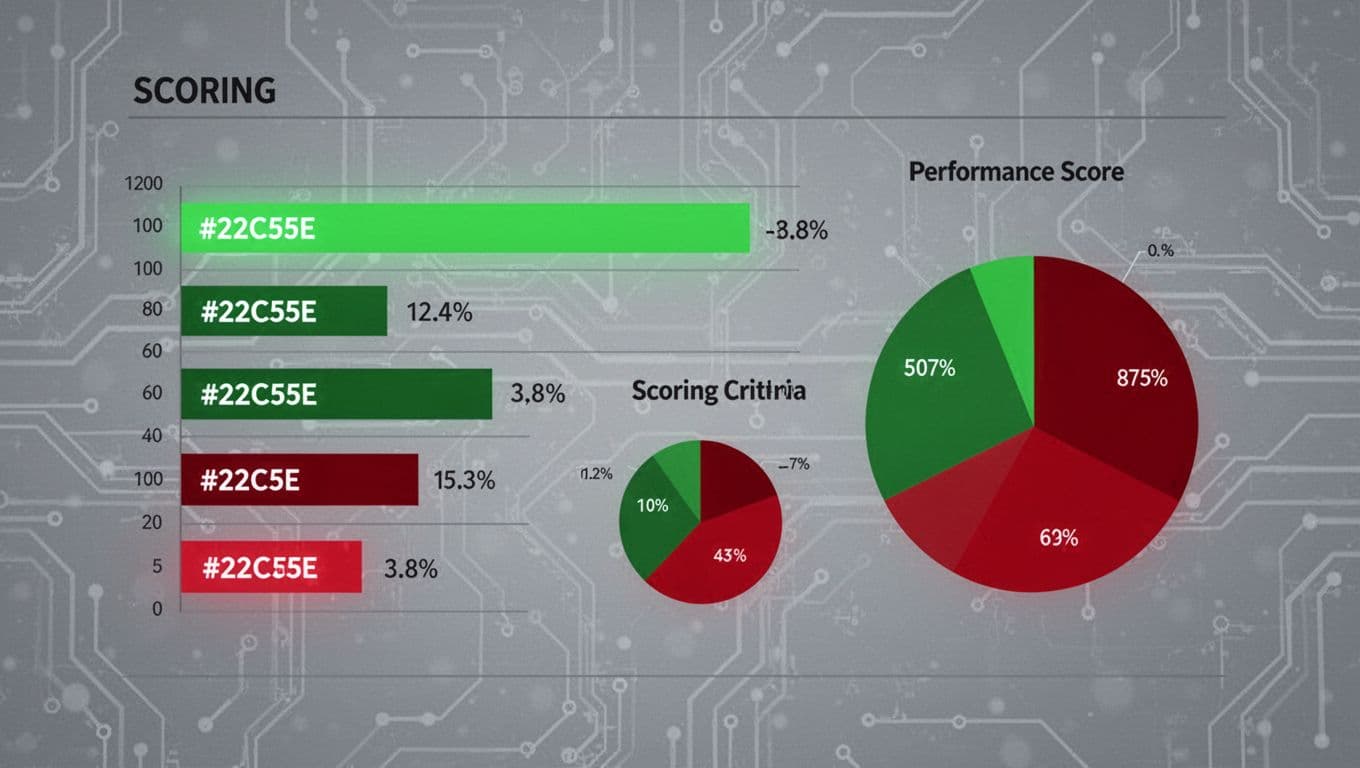
Aggregate weekly. Spot trends like night shift weaknesses. Aim for 90% compliance in three months.
Review Results and Drive Improvements
Debriefs turn data into habits. Meet biweekly. Replay fails anonymously. Ask, “What tipped you?”
Tailor training. Role-play top scenarios. Use AI voice tools for advanced sims.
Track over time. Breaches drop when agents hit consistent scores. Reinforce with bonuses for top performers.
For stuck teams, audit tools. Add biometrics if feasible.
Book a Discovery Call with Bud Consulting to benchmark your setup against peers.
Key Takeaways
Pressure tests forge tough help desk identity verification. They catch weak spots before attackers do.
Pick scenarios that fit your world. Score honestly. Review often.
Your team will block more threats. Start one test run this week. Results follow quick.