table of contents
Enterprise leaders face a tough reality in 2026. AI tools now drive hiring decisions, performance reviews, and vendor choices, but new rules demand tight controls. Without strong oversight, you risk fines, bias claims, or failed audits.
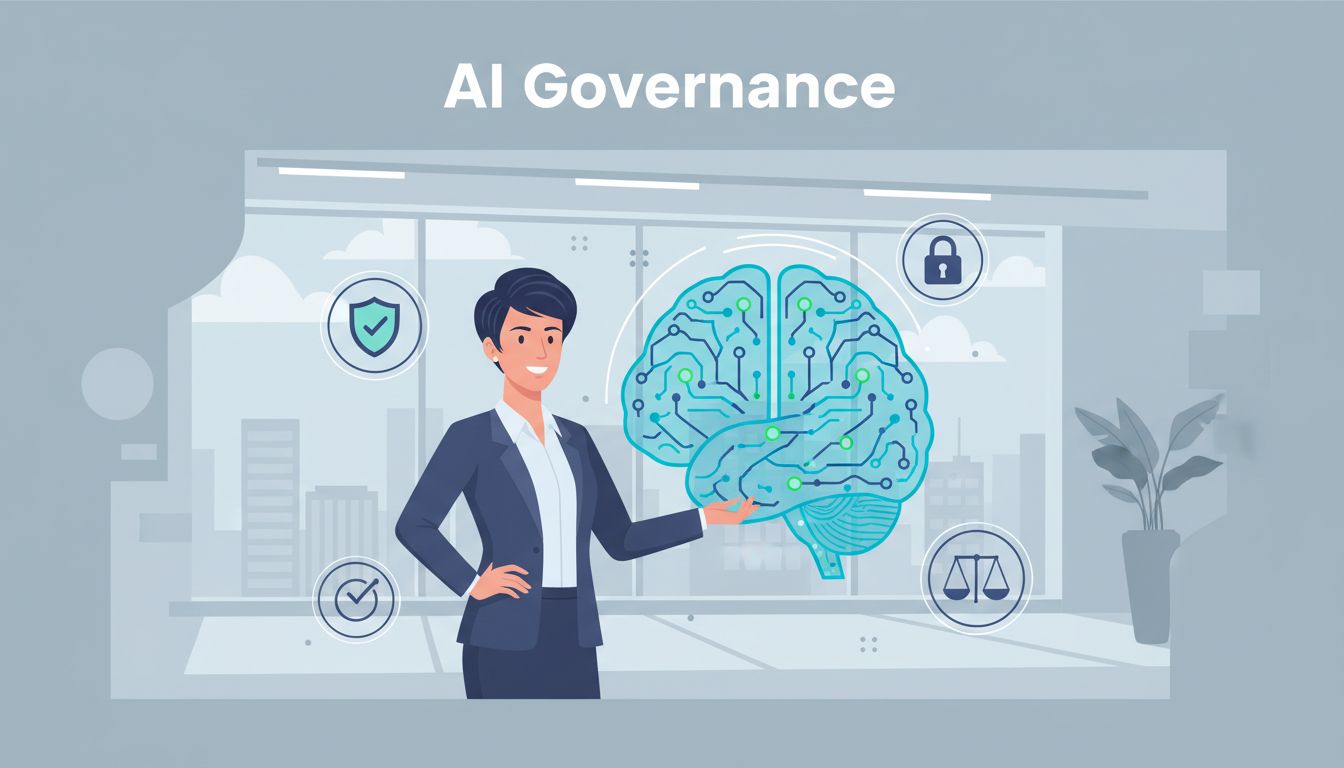
You need an AI governance specialist to manage these risks. This role handles compliance, privacy, and ethical AI use across teams. They bridge tech, legal, and business needs.
Let’s break down how to find and hire the right one. Start with clear qualifications, then follow a solid process.
Why Enterprises Need AI Governance Specialists Now
AI shapes core operations, from skills-based hiring to automated workflows. Yet regulations like the EU AI Act require audits for high-risk systems. Enforcement ramps up this year, so firms without experts face compliance headaches.
NIST’s AI Risk Management Framework guides US teams on mapping and measuring risks. ISO/IEC 42001 sets global standards for AI management systems. These frameworks stress governance by design, especially for vendor AI.
Demand surges because agentic AI automates HR tasks and cuts costs. But poor oversight leads to bias in pay decisions or unfair screening. A specialist ensures fair, traceable AI that aligns with business goals.
Hiring one pays off fast. They cut regulatory exposure and build trust with stakeholders. Top firms report faster AI rollouts and fewer incidents.
Must-Have Qualifications for AI Governance Specialists
Look for candidates with hands-on experience in responsible AI. They must grasp model risk management, privacy laws, and security protocols.
Core skills include:
- Deep knowledge of regulations like the EU AI Act and state AI bills.
- Ability to build policies for compliance and incident reporting.
- Skills in vendor oversight, including full supply chain audits.
Experience in change management helps too. They guide teams through AI shifts without disrupting operations.
Certifications matter. Check for IAPP’s AIGP or similar credentials that cover laws and frameworks. See the AIGP Certification Body of Knowledge for details on required expertise.

This expert reviews risks daily. Focus on those who have led governance programs in large firms.
Nice-to-Have Skills That Strengthen Your Hire
Beyond basics, seek extras that boost impact. Familiarity with emerging trends like sovereign AI or open-source models sets candidates apart.
Other pluses:
- Engagement with groups like the AI Alliance or IEEE.
- Proficiency in tools for bias audits and explainability testing.
- Background in cross-border compliance for global teams.
These skills help with future-proofing. For instance, they can adapt to 2026 updates in Colorado AI laws or OECD principles. A core skills checklist outlines these well.
Prioritize based on your needs. If privacy drives risks, favor data ethics pros.
Step-by-Step Process to Hire Your AI Governance Specialist
Build a clear plan to attract top talent. Competition runs high, so move fast.
- Define the role and report line. Tie it to CDAO or legal for authority.
- Set metrics and budget. Offer competitive pay; specialists command premium salaries.
- Write a targeted job description. Highlight must-haves like EU AI Act knowledge.
- Source candidates via specialized recruiters. Networks like Bud Consulting excel here.
- Screen resumes for certifications and project examples.
- Conduct interviews with structured questions.
- Check references and run background vetting.
- Extend offer with clear expectations.
Prep your team first. Align leaders on goals to avoid delays.

Teams that collaborate early hire better fits.
Book a Discovery Call with Bud Consulting to streamline sourcing.
Interview Questions to Ask AI Governance Candidates
Probe real knowledge with targeted questions. Avoid generics; focus on scenarios.
- Walk us through a time you handled a high-risk AI vendor audit.
- How do you apply NIST AI RMF to map risks in our hiring tools?
- Describe your process for EU AI Act conformity assessments.
- What steps do you take for bias detection in generative AI?
Test change management too:
- How did you roll out a new policy across resistant teams?
Listen for specifics. Vague answers signal gaps. For certification insights, review this AI governance professional guide.

Strong responses show practical depth.
Red Flags in AI Governance Specialist Candidates
Spot issues early to save time. Watch for these:
- No experience with current regs like ISO/IEC 42001.
- Overemphasis on ethics without compliance focus.
- Lack of vendor management examples.
- Inability to explain frameworks simply.
Candidates who dodge specifics or lack enterprise-scale stories often underperform. Job postings like this AI Governance Lead role highlight ideal traits; compare against them.
Move on if they can’t discuss 2026 trends like supply chain risks.
Key Takeaways for Hiring Success
Hire an AI governance specialist to meet 2026 demands head-on. Focus on must-haves like regulatory know-how and risk skills. Follow the steps, ask sharp questions, and dodge red flags.
Your team gains compliant AI that drives value. Act now; strong governance builds lasting advantages.
(Word count: 982)