table of contents
You’re expanding into edge computing to cut latency and process data closer to IoT devices or factory floors. But without the right security architect, those distributed nodes become easy targets for breaches. Edge setups differ from cloud-only environments; threats hit remote gateways and sensors first, not centralized data centers.
Hiring gets tough because talent shortages hit senior roles hard. In 2026, demand outpaces supply for architects who blend hands-on edge tech with strategic oversight. You need someone who designs defenses for real-time operations across scattered sites.
This guide walks you through spotting top candidates. You’ll learn skills to prioritize, market realities, and ways to test fit.
Why Edge Security Architects Differ from Cloud Experts
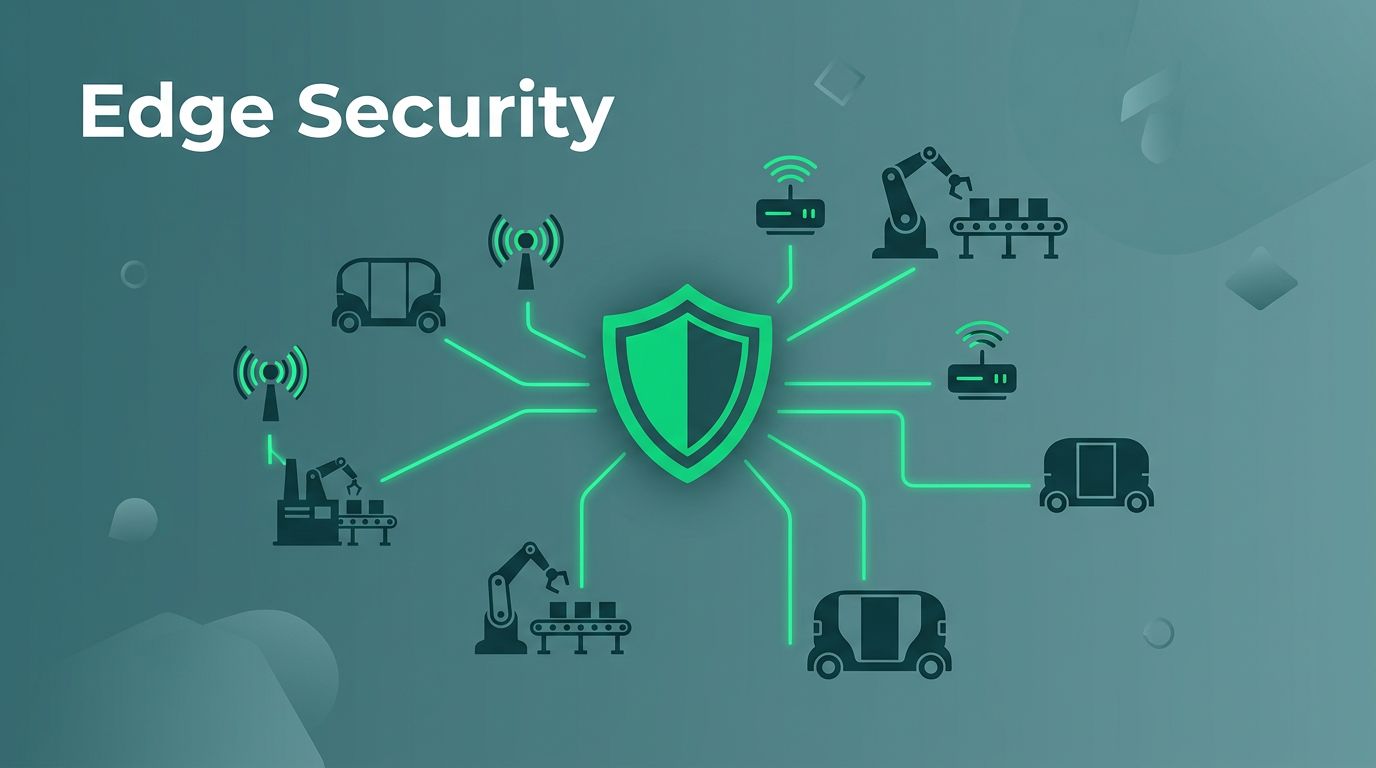
Edge computing pushes processing to the network’s edge, like smart factories or autonomous vehicles. Security architects here focus on decentralized risks. Cloud pros secure vast data lakes; edge ones protect low-power devices exposed to physical attacks.
Consider a retail chain with edge nodes in stores. An architect must encrypt data in transit between sensors and gateways, then verify it before cloud upload. They handle intermittent connectivity, unlike always-on clouds.
Zero trust principles apply everywhere in edge designs. Every device authenticates, no exceptions. Architects implement micro-segmentation on gateways to isolate failures.
Hardware matters too. They choose chips with secure enclaves for confidential computing, blocking side-channel leaks common in shared edge hardware.
For deeper context on infrastructure security demands, check Robert Half’s salary guide for security architects. It shows how edge roles command premiums due to these unique pressures.
Key Skills and Certifications to Look For
Top edge security architects combine technical depth with leadership. They design systems that scale across thousands of endpoints while guiding teams on compliance.
Start with a skills checklist:
- Zero trust implementation: Proficiency in verifying every access at edge nodes, using tools like SPIFFE for identities.
- IoT and 5G security: Experience securing protocols such as MQTT over TLS, plus 5G slicing for isolated traffic.
- Confidential computing: Knowledge of hardware like Intel SGX or ARM TrustZone for data processing without exposure.
- Automated threat detection: Skills in AI-driven SIEM at the edge, spotting anomalies in real-time streams.
- Supply chain security: Familiarity with SBOMs and Sigstore to vet firmware updates.
Certifications validate this mix. Look for GIAC Cloud Security Architecture and Design (GCAD), which covers zero trust and network controls relevant to edge. The ISC2 ISSAP proves architecture skills for governance and infrastructure.

They also need soft skills. Expect them to translate risks for boards and collaborate with DevOps on CI/CD pipelines that bake in edge security scans.
Hands-on proof trumps certs alone. Ask for GitHub repos showing edge prototypes or contributions to open-source like Eclipse EdgeX.
Current Hiring Market for Edge Security Talent
May 2026 brings a talent crunch. Global cybersecurity jobs sit at 3.8 million unfilled, with architects in short supply. Edge roles grew 56% year-over-year in the US, driven by AI and IoT booms.
Salaries reflect this. Base pay for mid-career edge security architects ranges from $170,000 to $260,000, plus total comp up to $350,000. In the UK, principals hit £100,000 to £150,000. Factors like 5G expertise add 20-30% premiums.
Shortages stem from AI automating junior tasks. Firms skipped traditional ladders, so candidates lack edge-specific portfolios. Expect longer searches; vet deeply for proven designs.
TechCloudPro’s 2026 cybersecurity salary guide details these trends. It notes 12-18% yearly increases, outpacing budgets.
To compete, offer equity or remote flexibility. Target conferences like Black Hat or Linux Foundation events for networks.
Craft a Job Description That Attracts the Best
Keep descriptions specific to filter noise. Lead with edge challenges: “Design zero trust for 10,000+ IoT devices across hybrid edge-cloud.”
List must-haves: 8+ years in security architecture, 3+ in edge/IoT. Mention tools like Kubernetes for edge orchestration or HashiCorp Vault for secrets.
Highlight culture fit. You want leaders who mentor juniors on secure-by-design principles.
Post on niche boards like Edge Computing Jobs. Budget $10,000-$20,000 for recruiters specializing in cyber talent.
Screen and Interview for Real Edge Expertise
Screen resumes for edge keywords: “confidential computing,” “edge-native zero trust.” Phone chats gauge strategic thinking. Ask: “How do you secure AI inference at remote sites?”
In interviews, use behavioral and technical questions. Pair with a CISO panel.

Sample questions:
- Explain securing MQTT traffic in a 5G factory. (Tests protocol knowledge.)
- Walk through a zero trust rollout for edge gateways. (Reveals design process.)
- How do you handle firmware updates without downtime? (Probes operations.)
For more ideas, see InterviewPrep’s cloud security architect questions, adapted for edge.
Assign a take-home: Design defenses for a simulated smart city network. Score on feasibility and innovation.
Evaluate with Hands-On Assessments
Beyond talks, test skills. Give a 4-hour lab: Build a secure edge cluster using AWS Outposts or Azure Edge Zones. Check for encryption, monitoring, and recovery plans.
Use scorecards: 40% technical depth, 30% leadership examples, 20% edge-specific innovation, 10% culture fit.
Reference checks matter. Call past bosses: “Did they ship secure edge projects on time?”
Final Thoughts
Hiring a security architect for edge computing means prioritizing zero trust depth and hands-on edge experience over general cloud skills. With 2026 shortages, focus on portfolios and practical tests to land proven talent.
You’ll build resilient systems that protect your edge initiatives. Need help sourcing? Book a Discovery Call with Bud Consulting to accelerate your search.
(Word count: 982)