table of contents
Insider threats don’t always announce themselves with flashing red lights and blaring sirens. Most of the time, malicious or negligent behavior masquerades as normal daily work until data is already gone or systems are compromised. Relying on manual log reviews for insider threat detection is too slow and misses subtle behavioral shifts. Organizations need structured detection pipelines and automated response systems to catch risky actions before damage escalates.
Building an effective automation framework requires clear alignment between security operations, human resources, and legal counsel. Security leaders must balance continuous monitoring with privacy-by-design principles and strict auditability. This guide outlines how to design telemetry collection, establish detection logic, orchestrate remediation playbooks, and enforce human review gates for high-impact actions.
Key Takeaways
- Integrate Multi-Source Telemetry: Combine identity management, endpoint monitoring, and data loss prevention logs into a central analytics engine to establish accurate behavioral baselines.
- Separate Signals from Intent: Distinguish raw technical anomalies from concrete proof of malicious intent through structured assessments and multidisciplinary team review.
- Orchestrate Proportional Responses: Automate containment steps such as session revocation or file quarantining while reserving high-impact disruptions for mandatory human approval.
- Maintain Privacy and Governance: Build your detection architecture around least privilege principles, robust audit trails, and strict compliance with legal frameworks.
Designing the Detection Foundation
An automated detection workflow starts with comprehensive data collection. You can’t spot an insider threat if your systems don’t capture what users do across endpoints, cloud storage, and identity providers. Effective programs integrate logs from multiple distinct silos into a central security information and event management platform.
According to guidance outlined in the NIST SP 800-53 PM-12 standard, insider threat programs require centralized integration and analysis of data sources. When you build this foundation, you need to collect authentication events, endpoint file modifications, print jobs, and cloud application access logs.
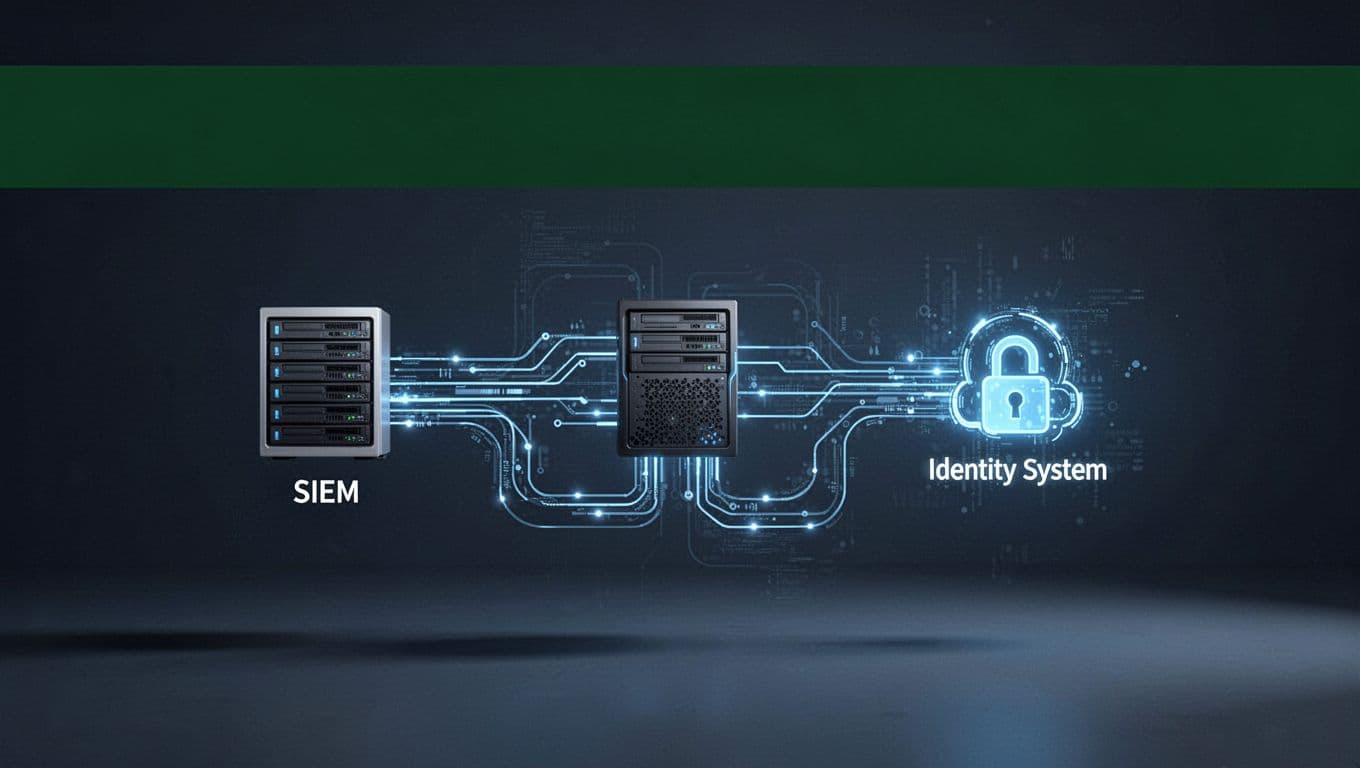
Raw telemetry alone creates noise. Security teams must establish behavioral baselines for normal user activity before writing detection rules. A developer downloading large volumes of code repositories might represent standard work, while the same action by an accountant indicates a serious risk. Establishing peer group comparisons and user and entity behavior analytics helps filter out standard operational noise.
Data collection policies must also comply with internal privacy standards and regional regulations. You should log what is necessary for security monitoring without collecting extraneous personal data that violates employee trust or privacy laws. Documenting your log retention schedules and access controls ensures transparency and audit readiness.
Mapping Observable Behaviors to Detection Rules
Once you collect the right telemetry, you need rules that translate raw events into actionable alerts. Insider threats typically manifest across specific behavioral vectors. These include unauthorized data exfiltration attempts, privilege escalation abuse, credential sharing, and anomalous access outside normal working hours.
Writing reliable rules requires looking for sequences of events rather than isolated anomalies. For instance, a single failed login attempt is common. A failed login followed by a password reset, immediate access to an unrelated financial database, and a large file export to an external cloud storage provider represents a dangerous sequence.
| Behavioral Vector | Technical Signal | Potential Risk Indicator |
|---|---|---|
| Data Exfiltration | Mass file downloads from cloud storage | Staging intellectual property before departure |
| Privilege Abuse | Accessing sensitive HR files outside role | Snooping on personnel records |
| Credential Anomalies | Concurrent logins from distant locations | Account sharing or credential theft |
| Device Tampering | Disabling endpoint security agents | Hiding malicious activity from detection |
Automated insider threat response depends heavily on the quality of these correlation rules. If your rules fire on every minor deviation, analysts experience severe alert fatigue and start ignoring warnings. Tune your thresholds using historical data and test them against known internal test scenarios before deploying them to production environments.
Structuring the Insider Threat Management Team
Technology cannot operate in a vacuum when dealing with internal staff. Effective insider risk programs require a multidisciplinary team structure to handle investigations and response decisions safely.
As detailed in federal guidance like the NIST National Insider Threat Task Guide, mature programs rely on structured coordination across security, human resources, legal, and privacy offices. When an automated detection rule flags a potential insider threat, the alert should not trigger an immediate automated termination or account lockout. Instead, it should create a secure case file within a security orchestration platform.
This multidisciplinary team ensures that technical indicators are reviewed alongside contextual information. HR can verify if the employee recently gave notice or faced disciplinary action. Legal counsel can confirm that the monitoring and planned response actions comply with local employment laws and privacy regulations.
Clear communication pathways between technical analysts and business units prevent knee-jerk reactions that disrupt business operations or expose the organization to legal liability. Establishing these operational relationships before an incident occurs is essential for smooth execution.
Automating the Response Playbook
When an insider threat is validated through initial triage, response speed matters. Data exfiltration can occur in minutes, meaning manual intervention is often too slow to prevent loss. Automated response playbooks bridge this gap by executing containment steps the moment high-confidence thresholds are met.
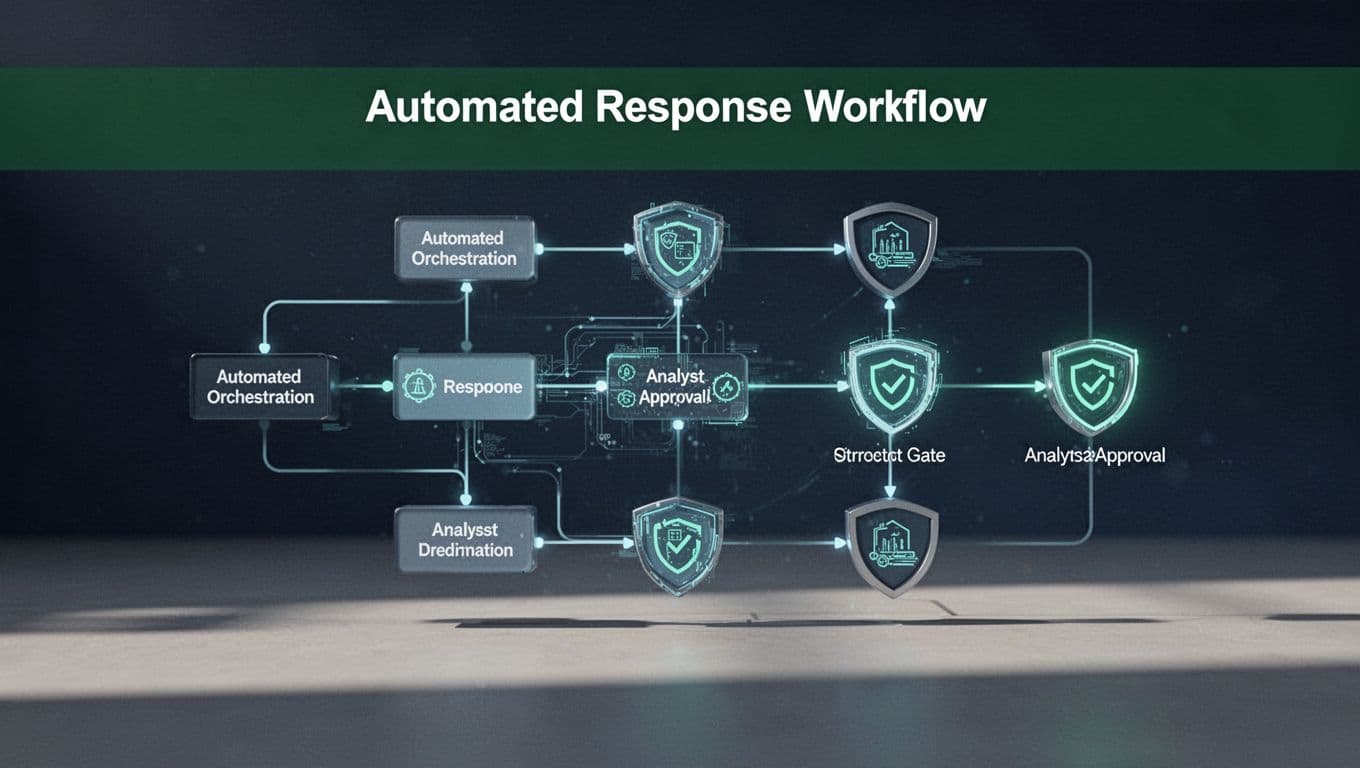
Effective playbooks follow a graduated containment model. Low-impact automated actions can run without human intervention to mitigate active risk. For example, if a data loss prevention system detects a user attempting to upload source code to an unapproved personal cloud storage account, the automation engine can immediately block the transfer and log the event.
Other automated response actions include revoking active sessions across identity providers, isolating compromised endpoints from the network, or quarantining specific sensitive files. These technical steps limit the blast radius of an active incident while preserving evidence for forensic analysis.
+-------------------------------------------------+
|              High-Confidence Alert              |
+-------------------------------------------------+
                         |
                         v
+-------------------------------------------------+
|        Automated Containment Execution          |
|  (Block Transfer / Revoke Active Sessions)      |
+-------------------------------------------------+
                         |
                         v
+-------------------------------------------------+
|         Secure Evidence Preservation            |
|       (Snapshot Logs & Endpoint State)          |
+-------------------------------------------------+
                         |
                         v
+-------------------------------------------------+
|      Mandatory Human Review & Escalation        |
|          (Security, HR, Legal Gate)             |
+-------------------------------------------------+
Playbooks must also handle containment rollback procedures. If an automated action is triggered by a false positive, analysts need a quick way to restore user access and update detection rule exclusions to prevent recurring friction.
Mandatory Human Review and Governance
Automated remediation introduces significant operational risk if left unchecked. A false positive that automatically disables an executive’s account during a critical product launch creates immediate business disruption and damages trust in the security team.
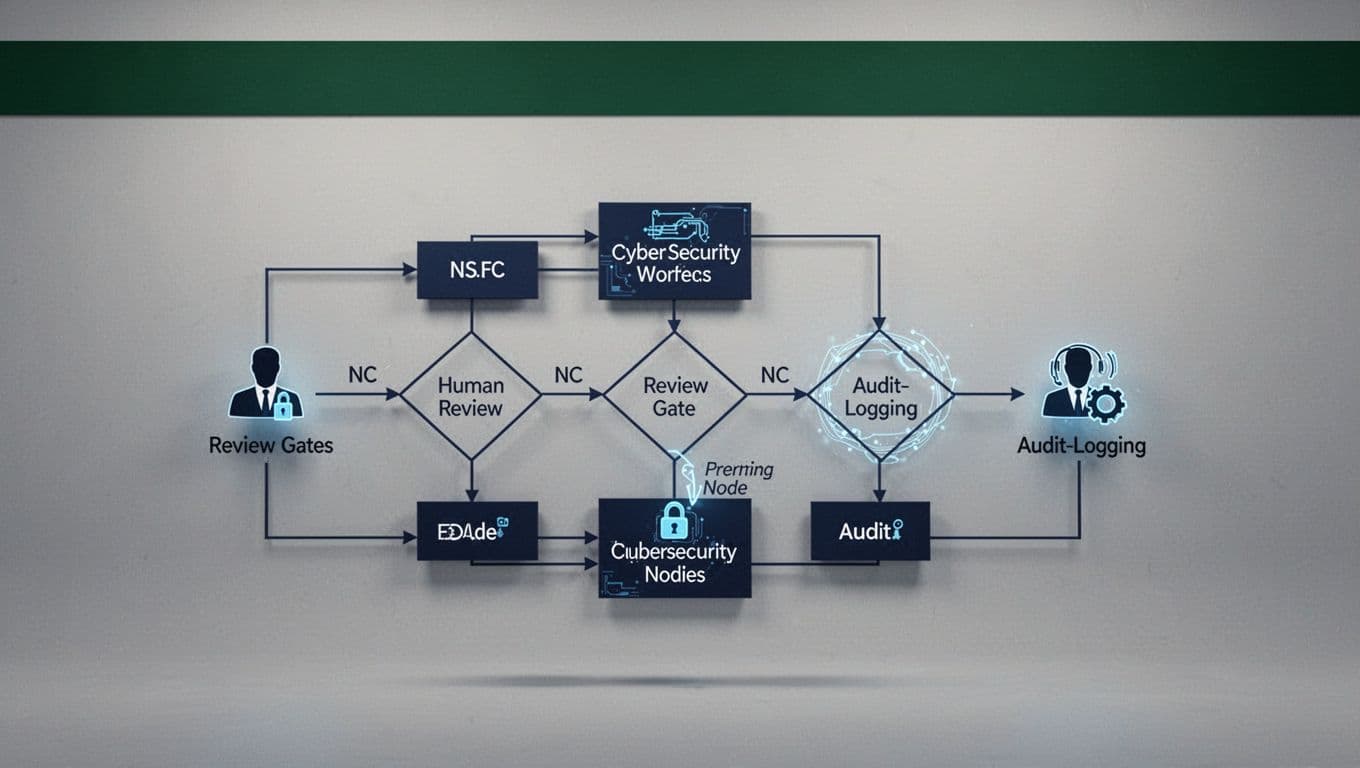
Mandatory human review gates must be built into every playbook before executing high-impact actions. Restricting access to core business applications, terminating employment accounts, or seizing hardware for forensic imaging always requires explicit sign-off from authorized stakeholders.
Governance frameworks must define who has the authority to approve these high-impact containment steps. Audit trails must record every decision, noting which analyst reviewed the alert, what context was evaluated, and which stakeholders authorized the final response.
Organizations navigating complex internal security challenges often benefit from specialized expertise. To build resilient detection engineering practices and source top-tier security talent, Book A Call With Us to discuss your operational roadmap.
Refining and Testing Detection Workflows
Building an automated insider threat workflow is an ongoing engineering process rather than a one-time project. Employee behavior changes, applications migrate to new cloud environments, and threat actors adapt their tactics to bypass existing controls.
Security teams should regularly test their detection and response pipelines using controlled simulations. Red teams can mimic common insider exfiltration techniques, such as compressing sensitive files and moving them to external staging servers, to verify whether the SIEM rules and automation playbooks trigger correctly.
Reviewing false-positive rates on a monthly basis helps keep detection engineering accurate. If a specific alert generates high volume with low actionable value, adjust the correlation logic or add contextual filters. Continuous tuning ensures your automated workflows remain effective without overwhelming analysts or frustrating internal staff.
Conclusion
Automating insider threat detection and response requires a careful balance between technical efficiency and human oversight. Combining multi-source telemetry with behavior analytics allows security teams to spot risky actions before data leaves the organization.
Structuring your program around multidisciplinary collaboration ensures that technical alerts are evaluated accurately by security, HR, and legal partners. By automating initial containment while enforcing strict human review gates for high-impact actions, organizations protect critical assets while maintaining fairness and operational trust.