table of contents
High-turnover teams face a tough reality. Employees come and go fast, often in retail, healthcare, or customer support. This churn opens doors to insider threat risks, where ex-staff keep access or new hires slip up. Stats show these threats cost firms $19.5 million a year on average in 2026, with 55% from simple mistakes.
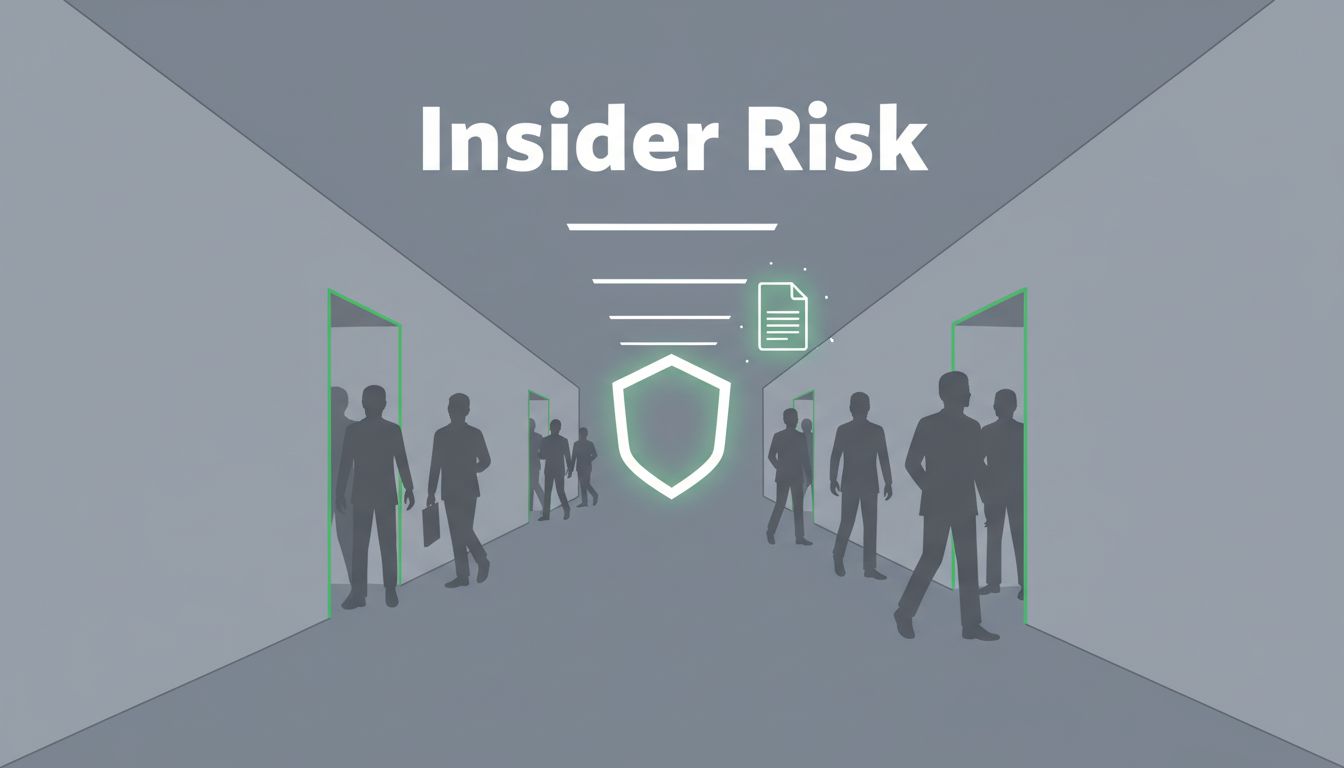
You deal with this daily as an IT or security leader. Negligent insiders, like someone emailing files by accident, cause most harm. Malicious ones grab data before quitting. Both spike in fast-paced spots. The good news? Practical steps cut these risks without constant firefighting.
Let’s look at proven ways to lock things down.
Spot the Real Risks in Your Churn
Turnover amplifies insider issues. In logistics or retail, 70% of big players see exposed credentials from quick hires. Healthcare pays the highest price at $28.8 million per breach.
Negligent threats dominate. An overworked support rep downloads customer data to a personal drive. They leave, and it lingers. Malicious cases hurt less often but sting more, like a fired worker selling access.
High churn worsens both. New staff lack training. Movers keep old permissions. Leavers forget to hand over keys. Over 80% of organizations hit incidents last year. Detection lags because programs react, not prevent.
Focus here first. Map your team’s flow. Ask: Who has access to what? How fast do you cut off leavers? Use data from HR exits to spot patterns, like stressed groups grabbing files.
This baseline guides fixes. For details on workforce turnover threats, check Navigating Insider Threats Amid Massive Workforce Turnover.
Streamline Joiner-Mover-Leaver Processes
Fast employee cycles demand tight JML workflows. Joiners get access day one. Movers shift roles weekly. Leavers exit in hours. Mess this up, and risks balloon.
Start with automation. Link HR systems to IT. When a new hire signs on, grant role-based access only. No extras. For movers, revoke old rights instantly. Tools cut offboarding time by 85%.
Here’s a simple checklist:
- Joiners: Assign least-privilege permissions via templates. Require manager approval.
- Movers: Run access reviews every change. Strip legacy rights.
- Leavers: Trigger full deprovisioning in under 24 hours. Include SaaS apps and devices.
In high-churn retail, 42% of firms take over a week. Don’t join them. Test quarterly with drills. One logistics firm slashed incidents 40% by automating this.

Netwrix outlines solid JML steps here. Coordinate HR, IT, and security weekly.
Build Least-Privilege Access Controls
Give users only what they need. That’s the core of RBAC and least privilege. In turnover-heavy teams, excess access equals free rein for threats.
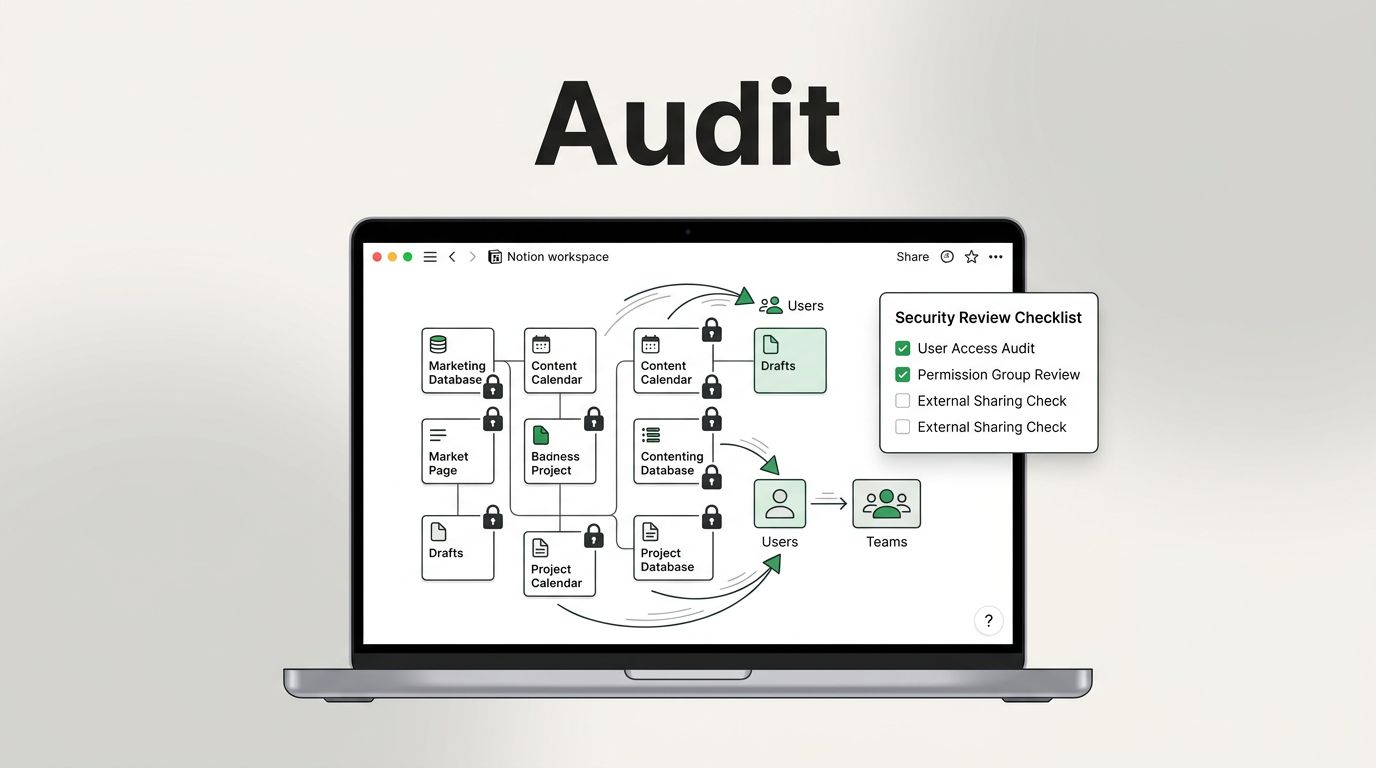
Set up RBAC now. Define roles like “support rep” or “logistics coordinator.” Map permissions to jobs. Use just-in-time access for temps. Review quarterly.
Contractors pose extra headaches. They cycle fast. Limit them to project folders. Enforce MFA with hardware tokens. Rotate keys every 90 days.
Apono details RBAC implementation in this guide. One healthcare team cut risks 50% by automating reviews.

Track compliance. Aim for 80% of reviews done in 48 hours. This blocks both careless clicks and bad intent.
Tighten Device and Credential Management
Devices and creds are weak links. Remote workers in customer support pull SaaS data unchecked. Turnover leaves laptops with secrets.
Mandate company gear. Wipe personal ones on exit. Use MDM for quick remote kills. Collect all on leavers’ last day.
Credentials need rotation. Ban shared accounts. Audit logs daily for odd logins. In logistics, supply chain vendors add risks; vet them hard.
Managers own this. They approve devices and flag issues. Train them to spot grabby behavior before quits.
Automation helps. It revokes creds across clouds fast. This stops 76% of credential abuse cases.
Boost Monitoring and Awareness Training
Watch without spying. Flag big downloads or off-hours access. AI tools spot deviations early.
Combine with training. Short sessions teach phishing and data rules. Role-play: “Your teammate prints client files upset?” Make reporting easy and anonymous.
Instructors demo alerts live. Tie it to careers; good habits lead to stays.

Nisos shares program best practices here. High-churn firms see 30% fewer incidents.
Make Managers Accountable and Align Teams
Managers know their people. Hold them responsible for access hygiene. They enforce rules and report risks.
Unite HR, IT, security. Monthly meets review metrics like deprovision speed. Share dashboards.
In retail, this caught a disgruntled leaver early. Culture shifts too; praise secure habits.
Final Steps to Secure Your Team
Strong JML, least privilege, monitoring, and team alignment shrink insider threat risks fast. Negligent slips drop with training. Malicious grabs halt via controls.
Start small. Automate leaver deprovisioning this week. Measure wins quarterly. Your high-turnover team stays safe and efficient.
Book a Discovery Call with Bud Consulting to build these strategies.
(Word count: 998)