table of contents
Legacy systems keep factories running and hospitals treating patients. But they also sit wide open to attacks because patches stopped years ago. You face a tough choice: patch what you can, isolate the rest, or risk a breach that halts operations.
In 2026, hackers target these old setups with AI-driven exploits. CISA and NIST stress risk-based approaches over blanket fixes. This guide shows you how to rank your patching efforts so you protect what’s critical first.
Start by taking stock of your assets.
Assess Your Assets First
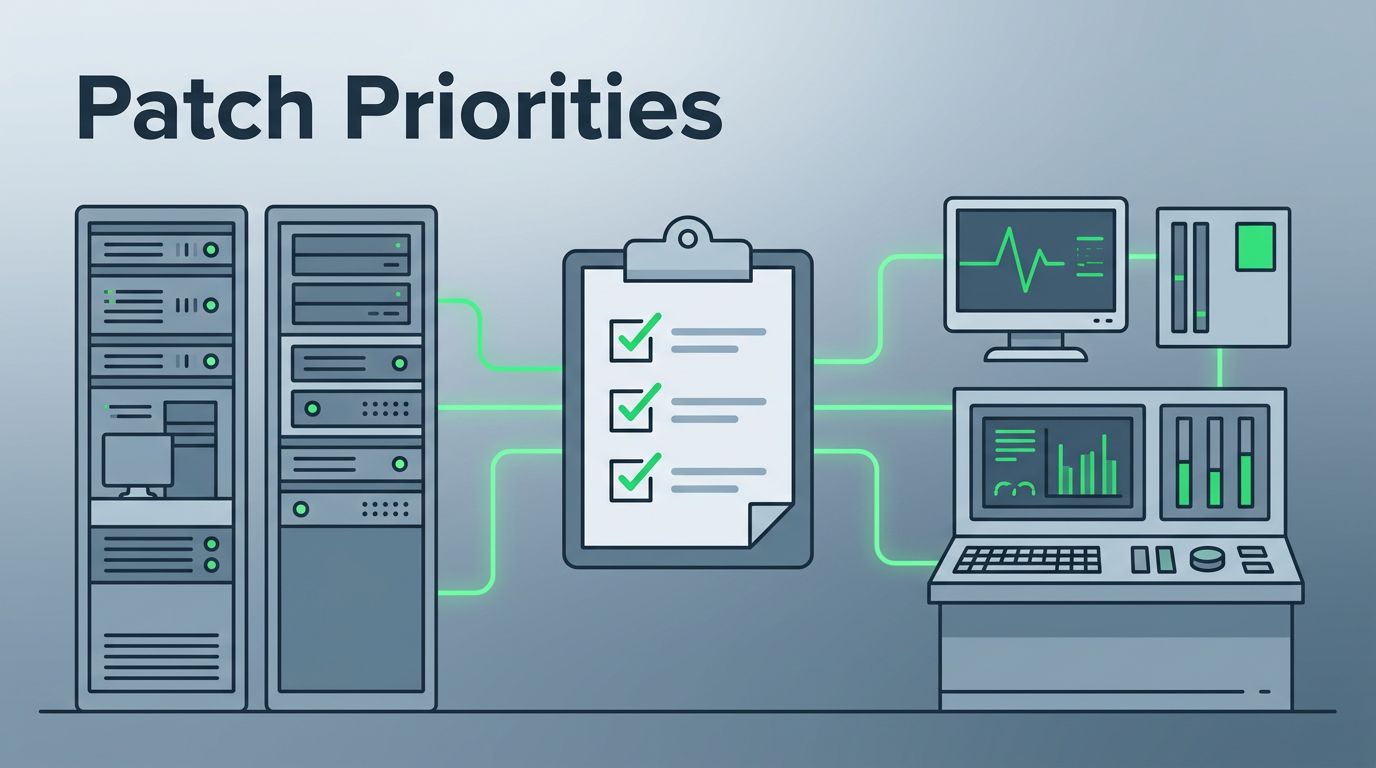
You can’t prioritize patches without knowing what you have. Begin with a full inventory of legacy systems. List every old Windows Server 2003 box, SCADA controller, or medical imaging device still in use.
Focus on asset criticality. Ask: Does this system handle patient data? Control assembly lines? Support core billing? High-criticality assets demand top attention. For example, an outdated line-of-business app processing payroll scores higher than a seldom-used file server.
Next, map exposure. Internet-facing systems top the list because attackers probe them constantly. Internal ones matter less unless they link to high-value networks.
Use tools like asset management platforms to tag these details. NIST SP 800-40r4 calls for this inventory before any remediation plan. Without it, you waste time on low-impact fixes.
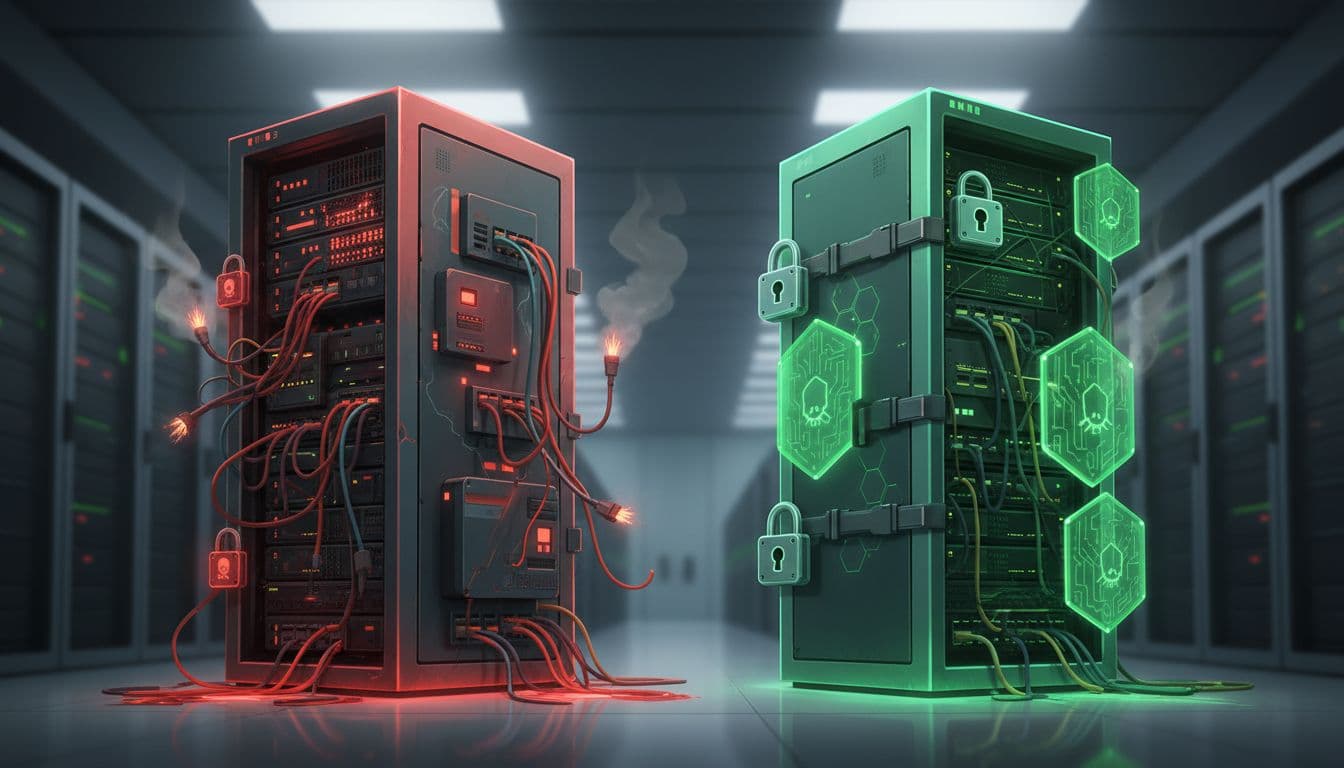
This setup helps you spot patterns fast. A high-risk rack draws eyes immediately. Low-risk ones blend in safely.
Document operational impact too. Downtime on an industrial control system could cost thousands per hour. Balance that against patching feasibility. Some legacies run custom code that breaks with updates.
Build Your Prioritization Framework
Now score each asset for patch urgency. Combine factors into a simple matrix: risk score, exploitation status, and business impact.
Start with CVSS scores from NVD, but adjust for your environment. A vulnerability with exploits in the wild jumps priority. Check CISA’s Known Exploited Vulnerabilities catalog weekly.
Risk leads: High if the flaw allows remote code execution. Medium for local privilege escalation. Low for info leaks with no payload.
Add known exploitation. Tools like Qualys or Tenable flag actively exploited flaws. In 2026 benchmarks, top teams remediate these in days, not weeks. See Qualys’ enterprise patch remediation benchmark for comparisons.
Factor in exposure and criticality. A formula works: Priority = (CVSS * Criticality Multiplier) + (Exploitation Active ? 50 : 0) + Exposure Score.

Dashboards like this make scores visual. Green bars signal safe zones. Red demands action now.
Test in maintenance windows. For legacy Windows servers, stage patches on clones first. Track success rates to refine your model over time.
Layer on Compensating Controls
Not everything patches easily. Virtual patching and isolation fill gaps for unpatchable systems.
Network segmentation tops the list. Move ICS or medical devices to isolated VLANs. Firewalls allow only essential traffic. This blocks lateral movement if breached.
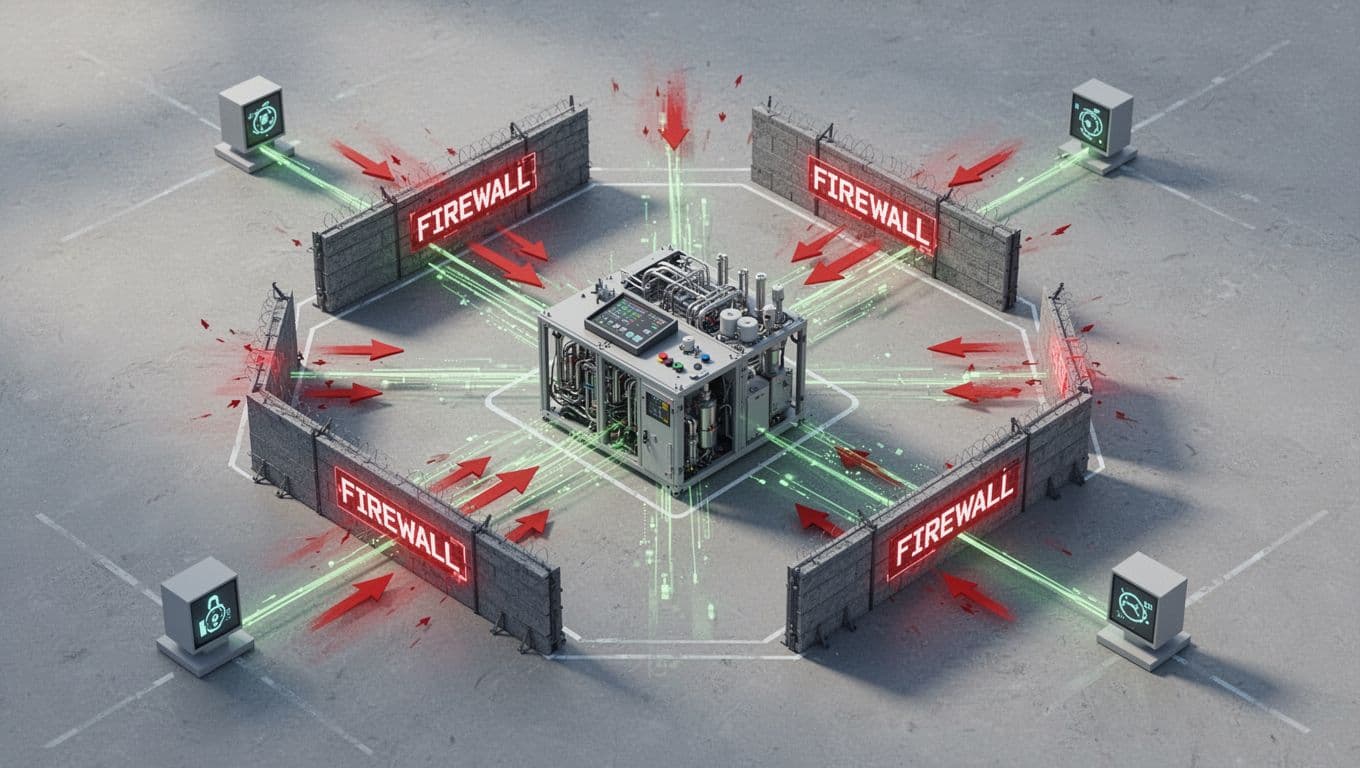
Segmentation like this stops most threats cold. Arrows bounce off; safe paths stay open.
Application whitelisting runs only approved code. EDR tools monitor for anomalies. Virtual patching via IPS or services like 0patch blocks exploits without touching the OS. Compare it to traditional methods in this 0patch evaluation.
Backups matter too. Test restores quarterly on immutable copies. Restricted access limits logins to need-to-know users.
CISA requires documented risk acceptance for unpatchables. Map controls to each vulnerability. Get sign-off from owners.
For OT specifics, follow OT Ecosystem’s strategies for legacy control systems, like microsegmentation and vendor SLAs.
Test, Deploy, and Monitor Continuously
Roll out in rings: test group first, then production pilots. Automate with Intune or Ansible where possible. Schedule off-hours to cut disruption.
Monitor post-deploy. Watch for crashes or odd behavior. Adjust priorities based on real data.
Reassess quarterly. New exploits shift rankings. Tools with AI prediction help spot trends early.
Compliance teams love this. It shows structured legacy patch management over chaos.
Key Takeaways
Prioritize patches by blending asset value, threat reality, and exploit proof. Isolate what you can’t fix. Controls like segmentation buy time for upgrades.
Your legacy systems stay secure without full replacements overnight. Strong frameworks reduce breach odds and audit stress.
Need help building teams for this? Book a Discovery Call with Bud Consulting to source security experts who handle these challenges daily.