table of contents
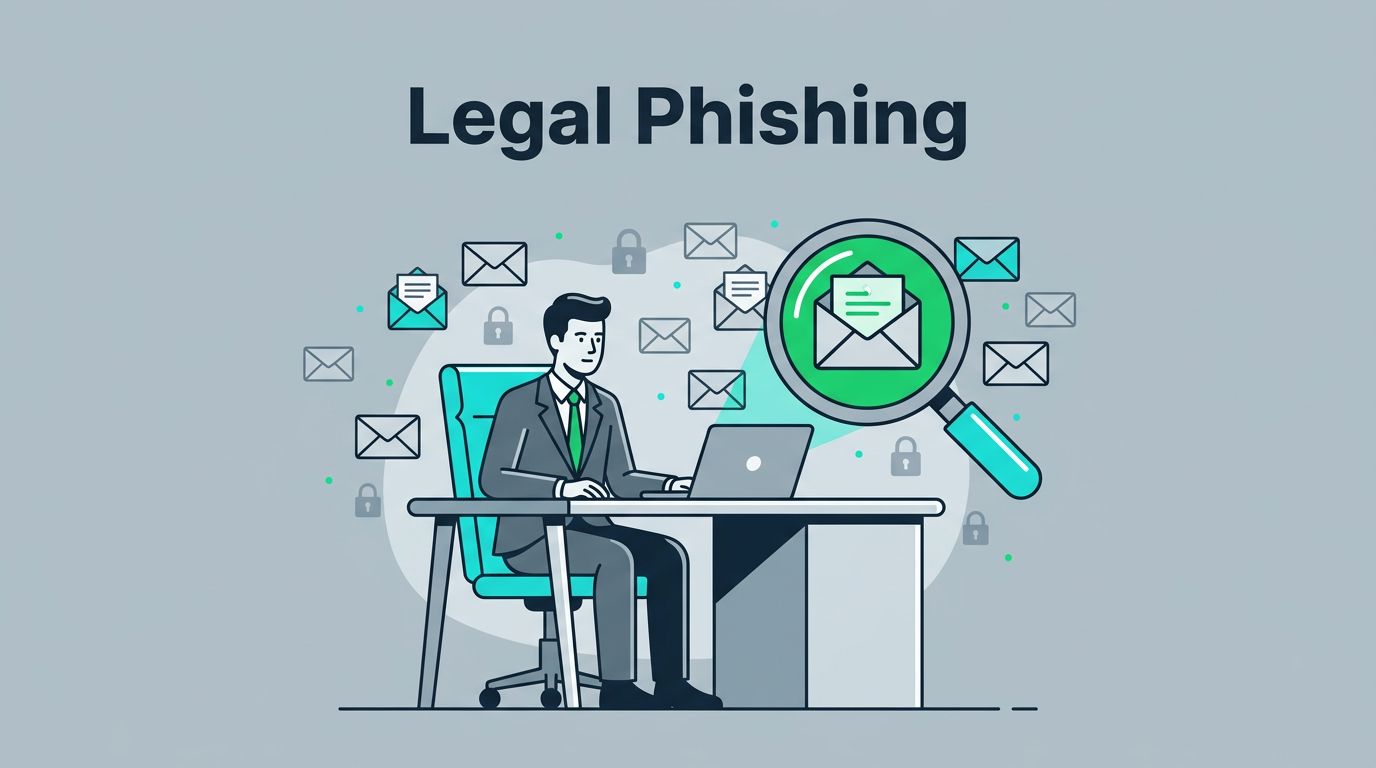
Legal teams don’t get phished because they are careless. They get phished because their work already runs on urgency, trust, and sensitive data. A message about a filing deadline, a wire change, or a revised settlement document can look normal at first glance.
That is why legal phishing training has to match real legal work. It should teach people to slow down at the exact moments when fraud looks routine, not when an email looks obviously fake.
Why legal inboxes attract scammers
Attackers study how lawyers, paralegals, and legal operations teams communicate. They use client names, matter numbers, court references, and payment language because those details lower suspicion fast. Social engineering also works well in legal settings because people are used to fast replies and confidential threads.
Recent reporting on social engineering risks for professional service firms shows why this risk keeps growing. The pattern is simple, the message sounds familiar, so the guard drops.
The pressure is real. FBI data from 2024 showed 193,407 phishing and spoofing complaints, and business email compromise losses reached $2.77 billion. In legal work, one bad click can expose privilege, money, and client trust at the same time.
Common phishing scams in legal practice
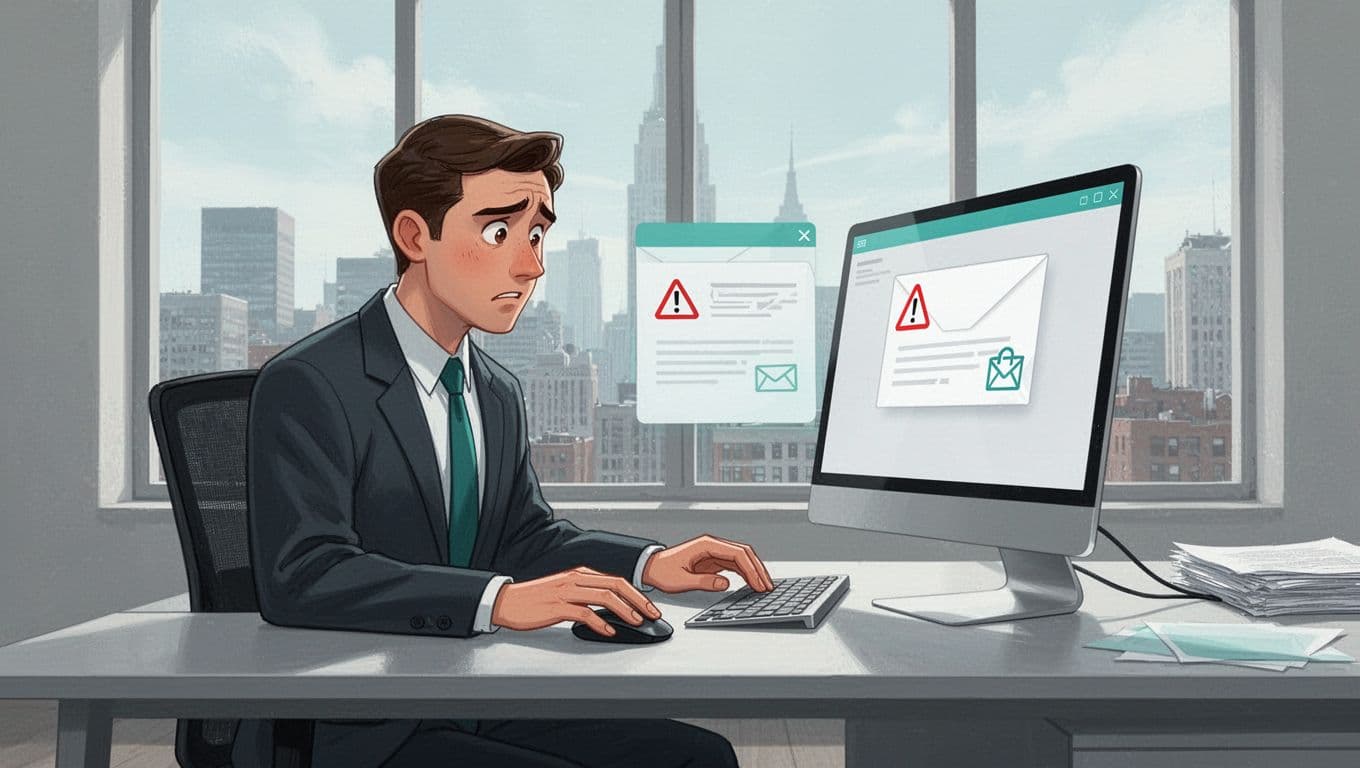
Fake court notices are one of the most effective lures because they fit daily workflow. A recent court-impersonation campaign used that same trick, open the message now, deal with it later.
The most common scams usually fall into a few patterns:
- Client impersonation: A fake client, partner, or opposing counsel asks for a wire change, settlement update, or payment diversion. The message feels believable because it uses real matter language and an urgent tone.
- Fake court notices: These emails push staff to open attachments or log in to a portal for a supposed filing or deadline. In legal settings, deadline pressure makes this bait especially effective.
- Document-sharing scams: Attackers send links to a “revised draft,” “privileged exhibit,” or “signed agreement.” The link can steal credentials or drop malware.
- Credential theft and mailbox takeover: Once an inbox is compromised, the fraud becomes harder to spot because replies come from a trusted thread. That is where business email compromise starts to spread.
If a message touches money, privilege, or client identity, it deserves a second check.
Build training around real legal workflows
Generic security slides do not stick. Training works better when it uses the same pressure points that legal teams face every day, such as closings, filings, billing, discovery, and last-minute client edits.
A useful program should include:
- Real examples pulled from litigation, corporate, and billing workflows.
- Scenarios that show invoice and payment diversion, wire fraud, and fake settlement instructions.
- Practice with document portals, shared drives, and vendor file-sharing tools.
- Clear steps for reporting suspicious messages without blame.
- Short refreshers after major matters, staffing changes, or vendor updates.
This is where legal teams need speed, but also a pause. They should know when to stop work, verify through a known channel, and escalate before any money or file moves. If your team needs help shaping training around legal workflows, Book a Discovery Call with Bud Consulting.

The best sessions end with one simple rule. Use a known phone number, a known portal, or a known contact path before any sensitive action. If the message depends on secrecy and speed, that is a warning sign.
Role-specific habits that reduce mistakes
Different roles see different fraud, so the guidance should fit the job.
Attorneys
Attorneys should verify any request tied to settlement funds, escrow, client banking, or privileged documents. They also need a firm rule for urgent client replies, because those threads are easy to spoof. A quick callback to a saved number can stop a bad transfer.
Paralegals
Paralegals often sit closest to filings, discovery, and document exchange. They should treat new links, strange attachments, and portal resets as high-risk until checked. If a request asks them to resend documents outside the normal case team, it needs escalation.
Support staff
Support staff often see invoice changes, vendor updates, mailbox reset requests, and executive impersonation. They should never rely on the email signature alone. The safest habit is to verify through a separate channel before changing payment details or access settings.
Track whether training is working
Training only matters if it changes behavior. Completion rates tell you who finished a course, but they don’t tell you who will catch a fake wire request.
Use a few simple metrics to keep the program honest:
| KPI | What it shows | Healthy trend |
|---|---|---|
| Phish report rate | Whether staff notice and speak up | Rises at first, then stays steady |
| Click rate in simulations | Who still takes the bait | Falls over time |
| Time to report | How fast people escalate | Gets shorter |
| Payment verification failures | Risk in billing and wire workflows | Moves toward zero |
| Role-based completion | Coverage across legal groups | Stays above target |
A strong program usually shows more reporting, fewer clicks, and faster escalation. If completion is high but payment mistakes still happen, the training is too abstract.
Conclusion
Phishing in legal teams works because the fraud sounds like everyday work. It borrows the language of clients, courts, payments, and confidential files.
The best defense is training that mirrors those real moments, then gives every role a clear way to verify before acting. When attorneys, paralegals, and support staff learn to pause on the right signals, they protect privilege, money, and trust in the same move.