table of contents
How to Run Security Due Diligence for M&A Deals
Hackers target M&A deals more than ever in 2026. They exploit shared data and rushed integrations to steal info or deploy ransomware. You face real risks if you skip M&A security due diligence.
Buyers often uncover weak spots late. These gaps lead to breaches, fines, or deal collapses. Strong diligence protects value and speeds integration.
This guide gives you actionable steps. It covers phases, key checks, and red flags. Follow it to spot issues early.
Phases of M&A Security Due Diligence
Diligence splits into three phases. Each builds on the last. Start light in early stages, then dig deeper.
Early-stage diligence happens pre-LOI. You review high-level docs like policies and certs. Ask for ISO 27001 reports or SOC 2 audits. This flags deal-breakers fast. If governance lacks basics, walk away or adjust terms.
Confirmatory diligence follows signing. Now test claims. Run scans, interview teams, and check configs. Focus on cloud and IAM here, as most breaches start there. Recent trends show 84% of deals ramp up these checks.
Post-close planning sets remediation. Map fixes by cost and timeline. Budget for patches or new tools. This phase cuts “cyber delta” risks from mismatched systems.
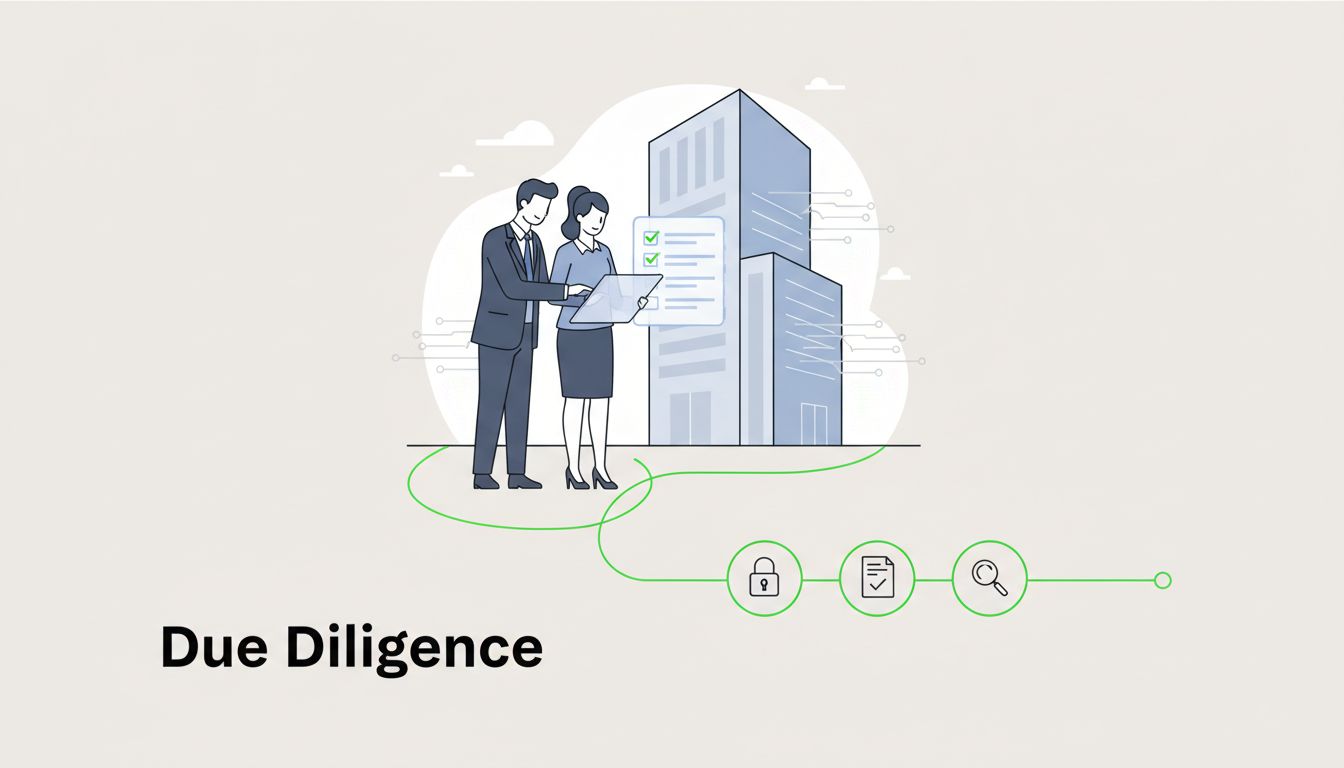
Tailor efforts to the target. Software firms need SDLC reviews. All need third-party vetting. Use a virtual data room for secure sharing, as this checklist outlines.
Step-by-Step Security Due Diligence Process
Follow these steps for thorough coverage. They keep you efficient.
First, assemble a team. Include your CISO, legal, and external experts. They spot what insiders miss.
Next, send a request list. Ask for policies, scan reports, and incident logs from the past 36 months. Set deadlines.
Then, review docs. Check if policies match practice. For example, does MFA enforce everywhere?
Conduct technical tests. Scan networks, review cloud postures, and simulate attacks. Prioritize high-impact areas.
Finally, report findings. Quantify risks. Tie them to business effects like downtime costs.
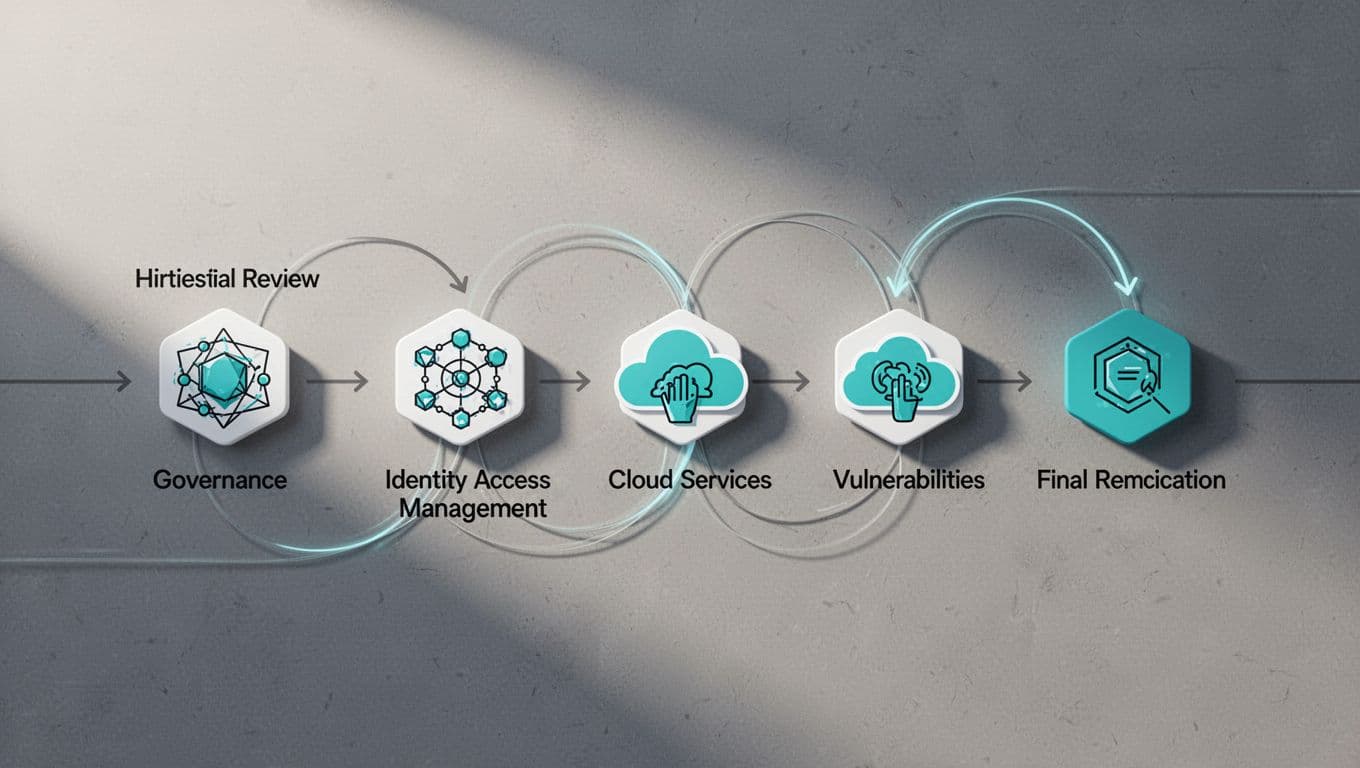
This process scales. Early deals use checklists; complex ones add pen tests. BlackCloak’s guide details requests per phase.
Key Areas to Assess in Security Due Diligence
Focus on these core spots. They cover most risks.
Governance comes first. Verify policies, risk registers, and leadership buy-in. No formal program? That’s trouble.
IAM follows. Check MFA rollout, least-privilege rules, and offboarding. Ex-employee access lingers in half of breaches.
Endpoint and network security matter next. Review EDR tools, firewalls, and segmentation. Test for gaps.
Cloud and SaaS posture needs scans. Look at AWS S3 buckets or Azure configs. Misconfigs expose data fast.
Vulnerability management requires patch SLAs and scan reports. Unpatched servers invite exploits.
Logging, monitoring, and incident response demand proof. Ask for SIEM alerts and tabletop results.
Third-party risk includes vendor audits. Privacy checks cover GDPR flows. Ransomware readiness tests backups.
If they build software, audit secure SDLC. Check code scans and CI/CD gates.

Use this table for your request list:
| Area | Sample Requests | Why Check It |
|---|---|---|
| Governance | Policies, frameworks, risk register | Sets security tone |
| IAM | Access reviews, MFA reports | Blocks unauthorized entry |
| Cloud/SaaS | Config scans, architecture diagrams | Prevents data leaks |
| Vulnerabilities | Patch logs, scan results | Stops known exploits |
| Incident Response | Playbooks, test records | Ensures quick recovery |
Cybri’s resource expands these with backups and compliance.
Spot and Prioritize Red Flags
Red flags signal big costs. Spot them by comparing docs to reality.
Common ones include no MFA, unpatched critical vulns, or weak backups. Evasive answers or missing logs scream issues.
Prioritize by impact and likelihood. High-impact, high-likelihood tops the list, like exposed crowns jewels. Rate on a 1-5 scale.
| Risk | Impact (High/Med/Low) | Likelihood | Action |
|---|---|---|---|
| No MFA on admin | High | High | Demand fix pre-close |
| Poor third-party vet | High | Med | Adjust price, add escrow |
| Untested backups | Med | High | Plan ransomware drills |
Undisclosed incidents or no cyber insurance? Renegotiate. Zscaler’s list flags audit gaps too.

Quantify fixes. A $500K patch budget drops value. FBI notes ransomware hits M&A targets hard.
Review Cyber Insurance and Ransomware Readiness
Check insurance last. Review limits, exclusions, and tail coverage. Does it cover ransomware payouts?
Test ransomware prep. Verify immutable backups, air-gapped copies, and RTO under 4 hours. No tests? High risk.
Weak coverage forces you to buy new policies. Factor premiums into math.
Key Takeaways for M&A Security Due Diligence
Solid diligence uncovers risks early. It protects deals from 2026 threats like expanded attack surfaces.
Focus on phases, key areas, and prioritized flags. Use checklists and tests for proof.
You now have steps to run effective reviews. For expert help filling gaps, Book a Discovery Call with Bud Consulting. Strong security builds lasting value.