table of contents
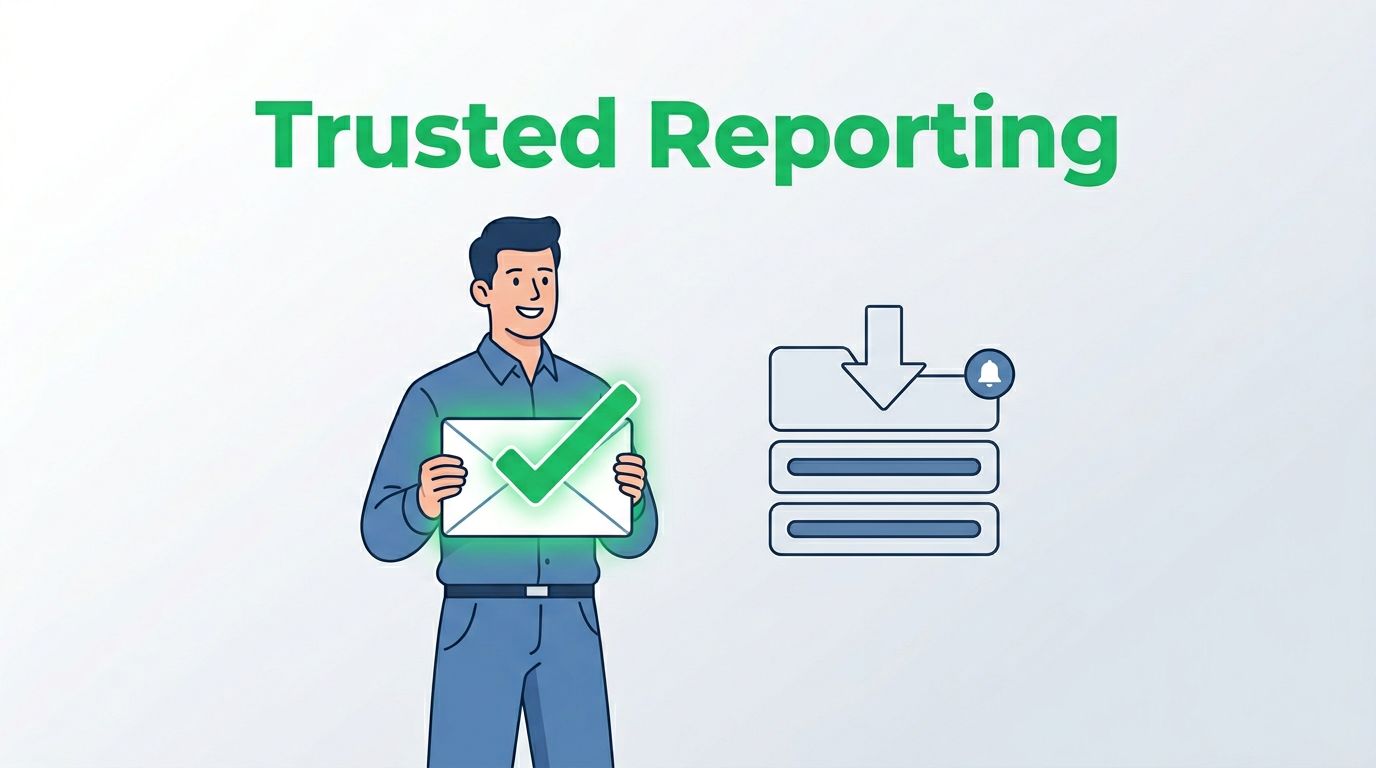
Your team spots a shady email. They hesitate. Will reporting it lead to blame or hassle? Most phishing reports never happen because employees doubt the process.
Phishing stays the top entry point for breaches. Employees catch what filters miss, yet fear stops them. You can change that. Build a phishing reporting program where staff report freely because they trust it works.
Start with simple steps that make reporting feel safe and rewarding.
Why Employee Trust Drives Effective Phishing Defense
Employees act as your first defense line. They see emails before tools do. Low trust means silent inboxes and hidden risks.
Distrust grows from past experiences. Reports vanish into voids. Or worse, they spark finger-pointing. Turn that around by treating reporters as heroes, not suspects.
Focus on partnership. Security teams handle threats; staff provides eyes. This shift boosts reports by 40% in some programs, as one ISC2 analysis shows. Results follow when people believe their input counts.
Design a Frictionless Reporting Workflow
Make reporting take seconds. No forms. No forwarding chains.
Choose a one-click button for Outlook or Gmail. Tools like KnowBe4’s Phish Alert Button integrate easily. Employees select it, and the email zips to your team. Done.
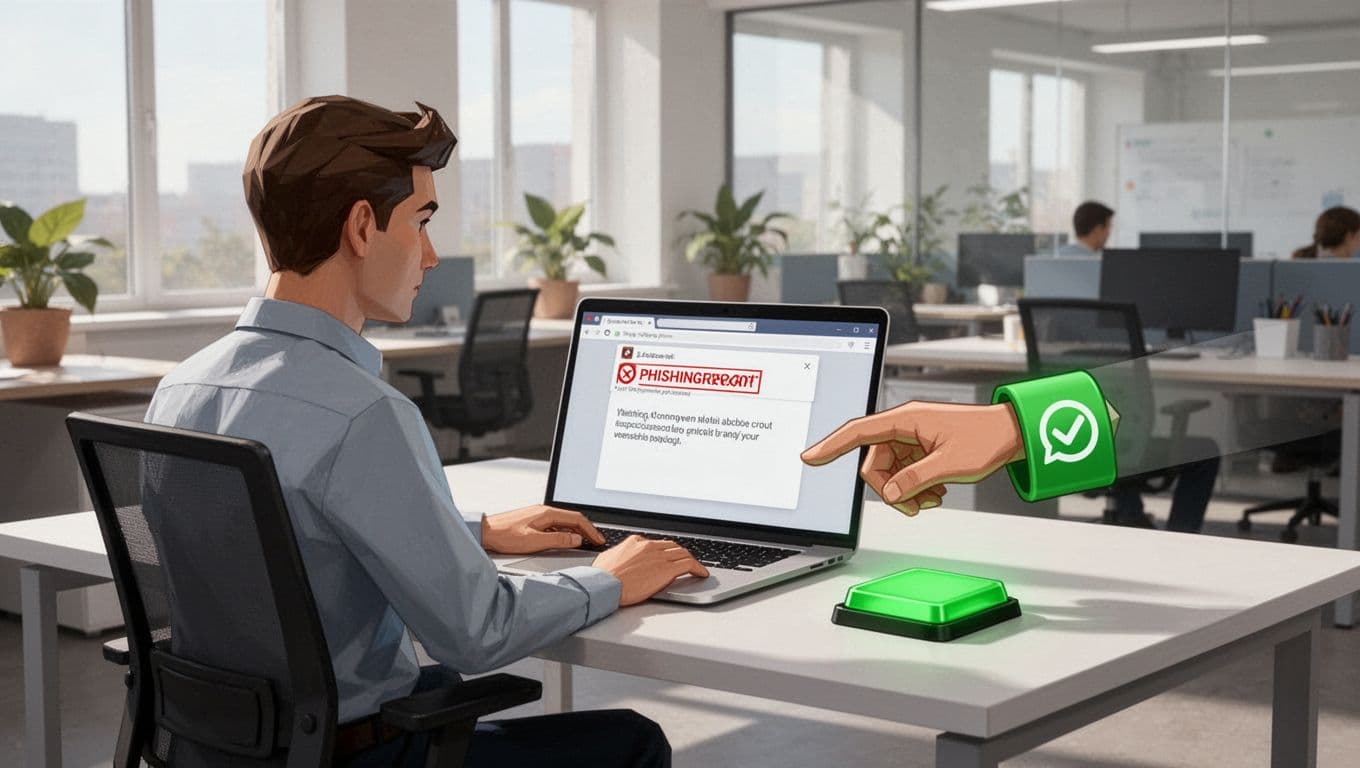
Here’s how to roll it out:
- Pick your tool. Test Microsoft add-ins first for small teams.
- Install across clients. Train via quick video.
- Sample email to staff: “See something fishy? Hit the green Report button. We’ll handle the rest. Your tip protects us all.”
Friction kills action. Remove it, and reports rise. One study notes reporting jumps when buttons sit right in the toolbar.
Test weekly. Fix glitches fast. Employees stick with what works.
Foster Psychological Safety So Reporters Speak Up
Safety means no judgment. Employees report more when they know teams celebrate, not scold.
Share wins publicly. “Thanks to Alex in sales, we blocked a payroll scam.” Use Slack channels or all-hands shoutouts. Gift cards for top reporters build habit.

Avoid punishment traps. Simulations teach, not trick. Send easy ones first. Follow with “Great spot! Here’s why it fooled filters.”
Sample messaging: “Reporting builds our herd immunity. One report cleans threats for everyone. You’re the frontline partner we need.”
This mindset spreads. Repeat reporters engage 3x more over time.
Ensure Transparent Follow-Up and Quick Wins
Trust dies without feedback. Acknowledge reports in hours, not days.
Set auto-replies: “Got it. Analyzing now. Update soon.” Triage fast: quarantine if real, thank anyway.
Weekly digests work best. “This week: 15 reports. 3 real phish blocked. Trends: fake HR alerts.” Share anonymized stats.
Follow M3AAWG best practices for external shares too. Route bad URLs to APWG. Loop back to staff: “Your report helped shut it down.”
Quick loops close the circle. Staff see impact, so they report again.
Track Key Metrics to Prove and Improve Success
Metrics guide tweaks. Skip vanity stats like training completion. Measure behavior.
Focus on four KPIs:
| KPI | What It Tracks | Target Goal |
|---|---|---|
| Report Rate | % of staff reporting simulations or reals | Over 70% |
| False Positive Rate | % of safe reports | Under 20% |
| Time to Triage | Hours from report to action | Under 2 hours |
| Repeat Engagement | % of reporters who report again | Over 50% quarterly |
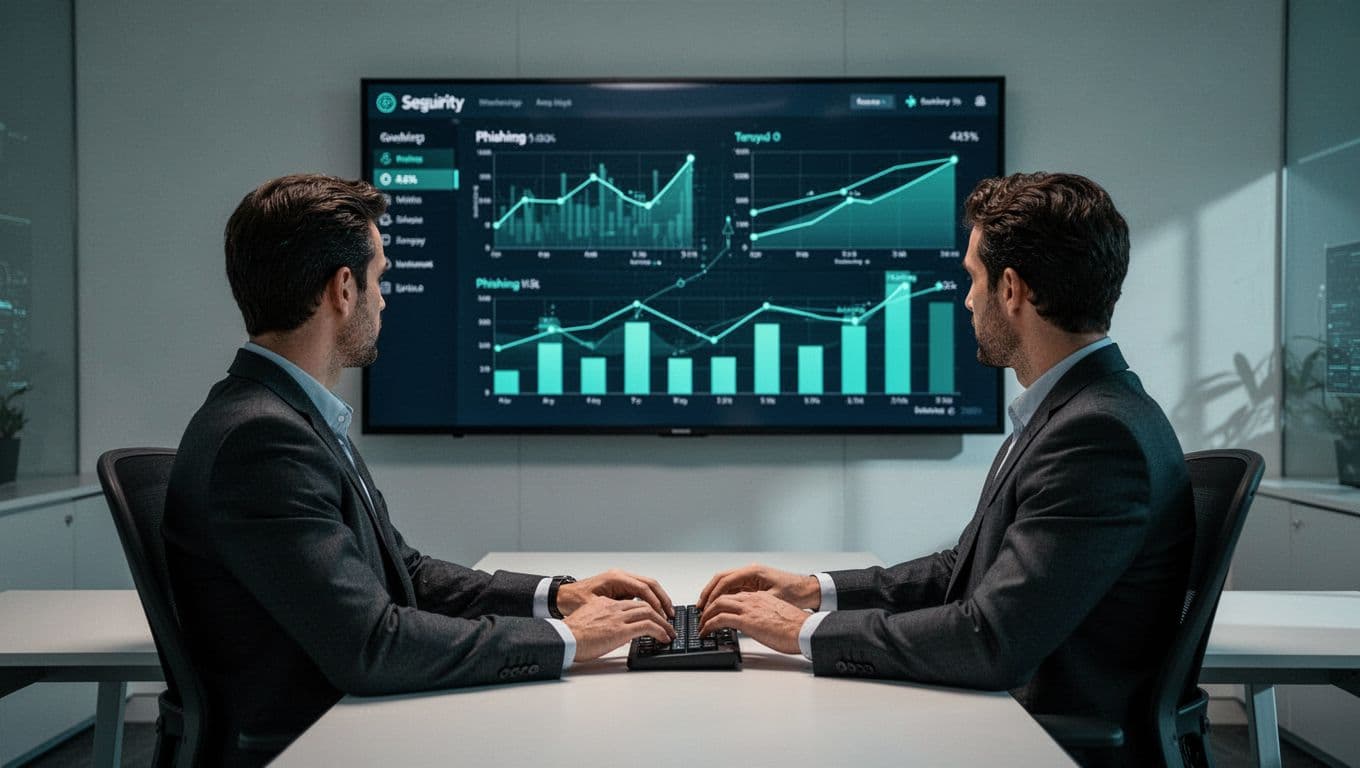
Tools pull these from your platform. As Datapath notes, report rate predicts real defense best.
Review monthly. Low triage time? Hire help. High falses? Refine training.
Dashboards motivate leaders too. Show ROI: fewer incidents, faster response.
Conclusion
A trusted phishing reporting program turns staff into sensors. Frictionless tools, safety, transparency, and metrics make it stick.
Employees report because they see results. Your risks drop. Breaches slow.
Ready to implement? Start small, measure, adjust. For tailored advice at your org, Book a Discovery Call with Bud Consulting.
Strong programs save time and money. Build yours now.