table of contents
Your sales reps talk to prospects every day. They share details about pricing, features, and roadmaps. But competitors listen closely. One slip can hand rivals your edge.
Competitive intelligence theft happens when reps unknowingly leak sensitive info. It costs deals and market position. You can train teams to spot and block these attempts.
This guide shows practical steps. It covers risks, training basics, response scripts, and a checklist. Start protecting your intel today.
Why Sales Teams Are Prime Targets for Intelligence Theft
Sales reps meet customers face-to-face. Or they join video calls and trade shows. Prospects often probe for details. They want to know your weaknesses to shop rivals.
Consider trade shows. Reps demo products amid crowds. Attendees ask pointed questions. A competitor’s ally might pose as interest. They seek unpublished pricing or customer counts.
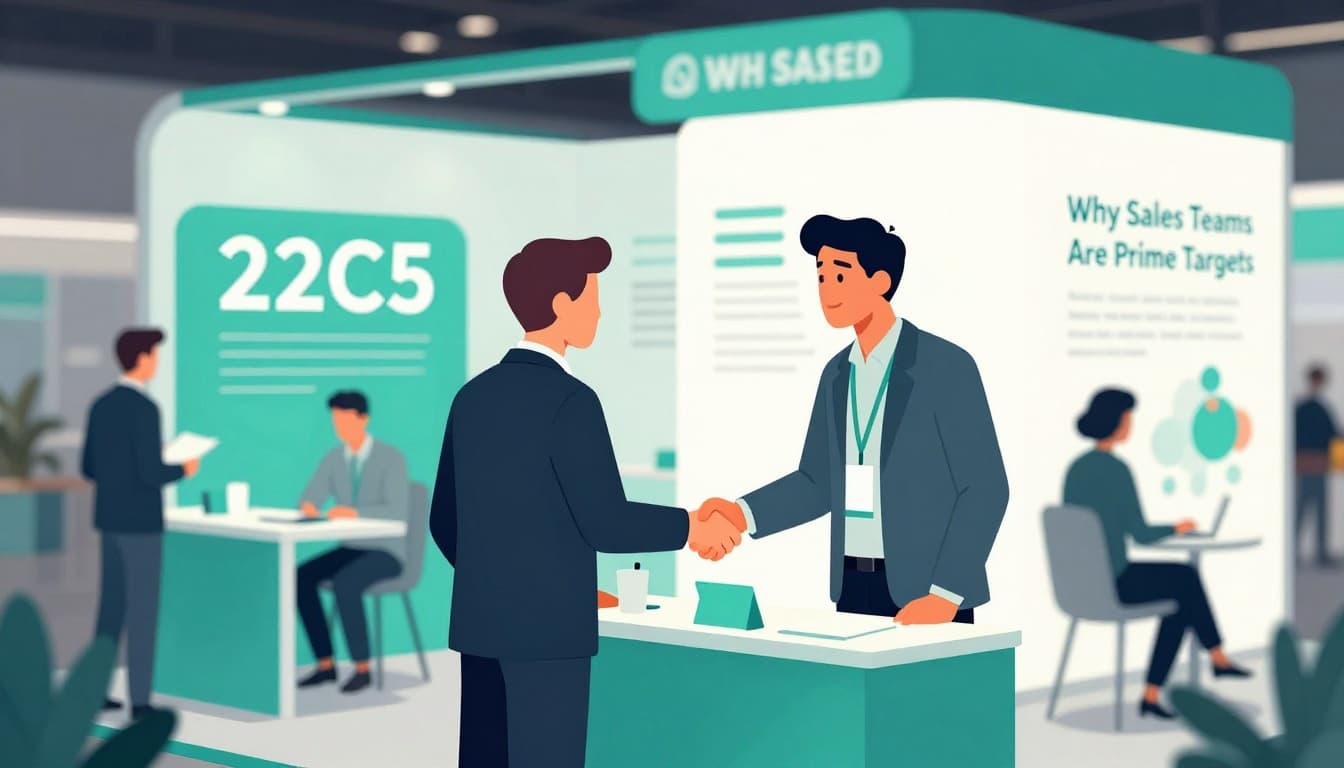
Networking events pose similar threats. Reps chat at dinners or conferences. Casual talk turns to “How do you handle X?” Soon, they reveal internal processes.
RFPs amplify risks. Prospects request specifics on integrations or SLAs. Reps rush responses. They include roadmap hints or partner margins by mistake.
Partner conversations add layers. Allies share intel. But they fish too. A joint call might uncover your win rates against mutual foes.
Recruiting outreach exposes more. Reps pitch candidates. They boast about pipeline size or churn rates. Headhunters relay this to competitors.
Stats back the danger. Reps field competitor questions in 60% of deals. Without training, 40% share too much. Ethical guidelines help. For details on sales ethics, check making ethical competitive intelligence work in practice.
Pressure to close deals blinds reps. They view questions as normal. But competitors train teams to extract info. Your reps become unwitting sources.
Awareness starts here. Reps must recognize probes. They learn your company’s guarded info. Pricing tiers, customer metrics, and future plans top the list.
Train them to pause. Ask: Does this help the prospect or a rival? That mindset shift blocks leaks.
Key Training Principles to Prevent Leaks
Effective training builds habits. Focus on ethics first. Reps sell with integrity. They protect company assets.
Start with clear rules. Define public info versus secrets. Public means website data or press releases. Secrets include internal benchmarks or client lists.
Use role-play. Simulate calls. Practice deflection. Reps gain confidence.
Involve leaders. Executives model behavior. They share stories of past leaks. Real consequences stick.
Tailor sessions by role. Account execs handle RFPs. SDRs manage early chats. Everyone learns core blocks.
Make it ongoing. Monthly refreshers beat one-offs. Tools like CRMs flag sensitive fields.

Integrate with onboarding. New hires sign info policies. They quiz on dos and don’ts.
For sales-specific tips, see how to train your team on competitive intelligence. It stresses role-based content.
Measure engagement. Track quiz scores. Survey reps on confidence.
Ethics tie to performance. Leaks lose deals. Protected intel wins them.
Reps feel empowered. They control conversations. Training turns vulnerability into strength.
Spotting Probes in Everyday Sales Situations
Prospects test boundaries. They ask: “What’s your pricing for similar deals?” Or “How many clients use this feature?”
Reps spot patterns. Vague questions follow specifics. “Tell me more about your roadmap” signals theft attempts.
In prospect calls, watch for fishing. They mention rivals early. Then pivot to your internals.
RFPs demand vigilance. Review drafts with compliance. Strip extras.
Partner talks require balance. Share mutual value. Hold back proprietary data.
Trade shows demand brevity. Direct to sales collateral. Avoid off-script details.
Recruiting stays high-level. Talk culture and roles. Skip metrics.
Informal networking feels safe. But drinks loosen tongues. Stick to public facts.
Reps escalate doubts. Loop in managers. Better safe than exposed.
Training covers these. Reps practice in low-stakes drills. They internalize cues.
Real-World Scenarios and Sample Response Scripts
Picture a demo call. Prospect asks: “Do you plan AI upgrades soon?” Rep deflects smoothly.
Script example: “Great question. Our current AI tools deliver strong results. Check our case studies for proof. What challenges do you face today?”
This pivots back. No secrets spilled.
On an RFP: “What’s your margin on this service?” Rep responds: “Pricing reflects value. We tailor quotes per needs. Here’s our standard structure.”
Keeps it general. Protects numbers.
Trade show chat: “How’s Q2 pipeline?” Try: “We’re busy serving clients like you. Visit our site for recent wins.”
Redirects politely.
Video call probe: Prospect pushes for client names. Rep says: “We respect privacy. Our testimonials show impact across industries.”
Confident block.

Partner dinner: “Your churn rate?” Answer: “We focus on retention. Happy clients renew at high rates.”
Vague yet positive.
These scripts work because reps stay calm. They qualify the asker. Pause before sensitive data.
Practice variations. Role-play worst cases. Reps adapt on the fly.
Checklist for Managers Running Training Sessions
Managers need tools. Use this simple checklist. Print it. Review pre-session.
- Prep content: List public vs. guarded info. Include 5 recent leak examples (anonymized).
- Set ground rules: No phones. Full participation.
- Run role-plays: 3 scenarios per rep. Debrief each.
- Quiz knowledge: 10 questions on ethics. 80% pass required.
- Assign homework: Log next probe. Report back.
- Follow up: Schedule 30-day check-in.
| Step | Action | Time |
|---|---|---|
| 1 | Review rules | 10 min |
| 2 | Share stories | 15 min |
| 3 | Role-play | 30 min |
| 4 | Quiz and discuss | 20 min |
| 5 | Q&A | 15 min |
This table keeps sessions tight. Total under 90 minutes.
Adapt for virtual. Use breakout rooms.
Track completion. Tie to goals.
Track Progress and Reinforce Habits
Training sticks with metrics. Monitor win rates in competitive deals. Survey reps quarterly.
Review CRM notes. Spot fewer leaks over time.
Reward vigilance. Shout out smart deflections in meetings.
Update content yearly. Competitors shift tactics.
Partner with enablement. Bake blocks into playbooks.
If gaps persist, audit calls. Coach one-on-one.
Leaders reinforce daily. Model deflections in their talks.
Bud Consulting helps here. They offer human risk programs. Book a Discovery Call with Bud Consulting to strengthen your security culture.
Steady effort builds walls. Reps protect intel as routine.
Conclusion
Sales teams block competitive intelligence theft through awareness and practice. They spot probes, use scripts, and escalate wisely.
Start with your checklist. Run sessions now. Habits form fast.
Your edge stays safe. Deals close stronger. Reps sell ethically and win.