table of contents
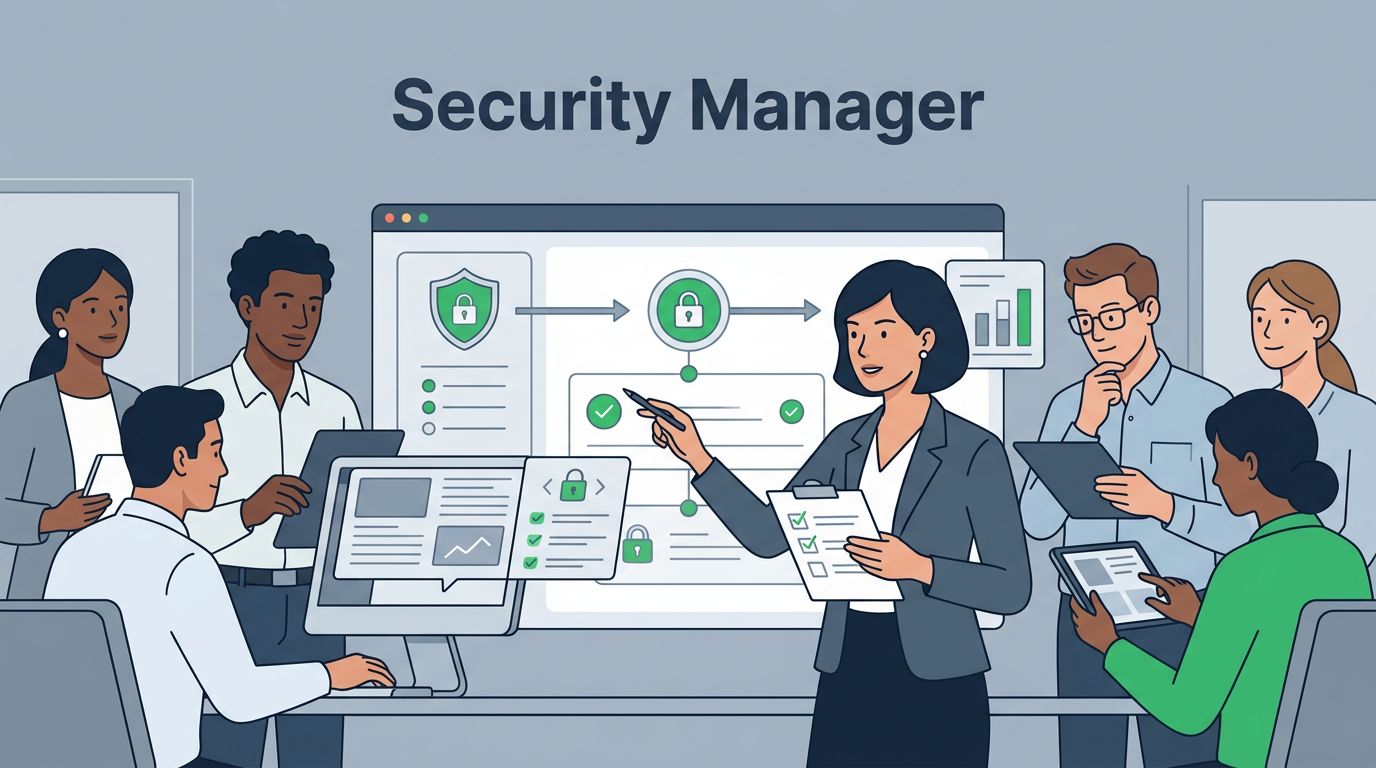
Growth exposes security gaps faster than most teams expect. A security GRC manager can keep audits, risk work, and customer trust moving without turning the company into a paperwork factory.
The hard part is not finding someone who knows compliance terms. It’s finding the person who can shape the program around your stage, your customers, and the way your teams already work. The right hire makes security easier to run, not harder.
What the first Security GRC Manager should own
A startup or scale-up usually needs one person to connect policy, risk, and evidence. That person should not just “know compliance.” They need to build a working system that fits the business.
That means owning the basics, keeping them current, and making them usable for engineering, legal, sales, and leadership. If the role is too broad, it turns into a catch-all. If it is too narrow, the company keeps hiring around the problem.
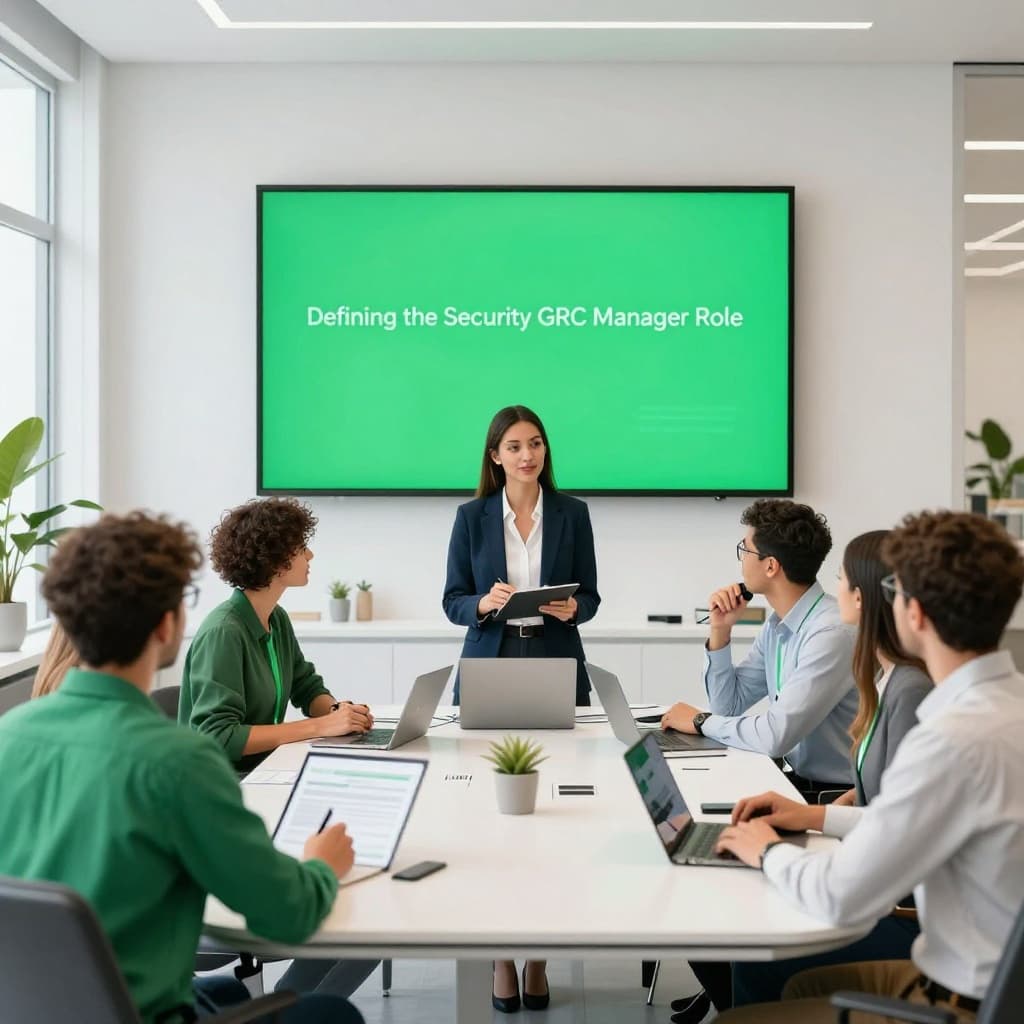
A strong first hire usually handles these areas:
- Write simple policies for access, data handling, incidents, and vendors.
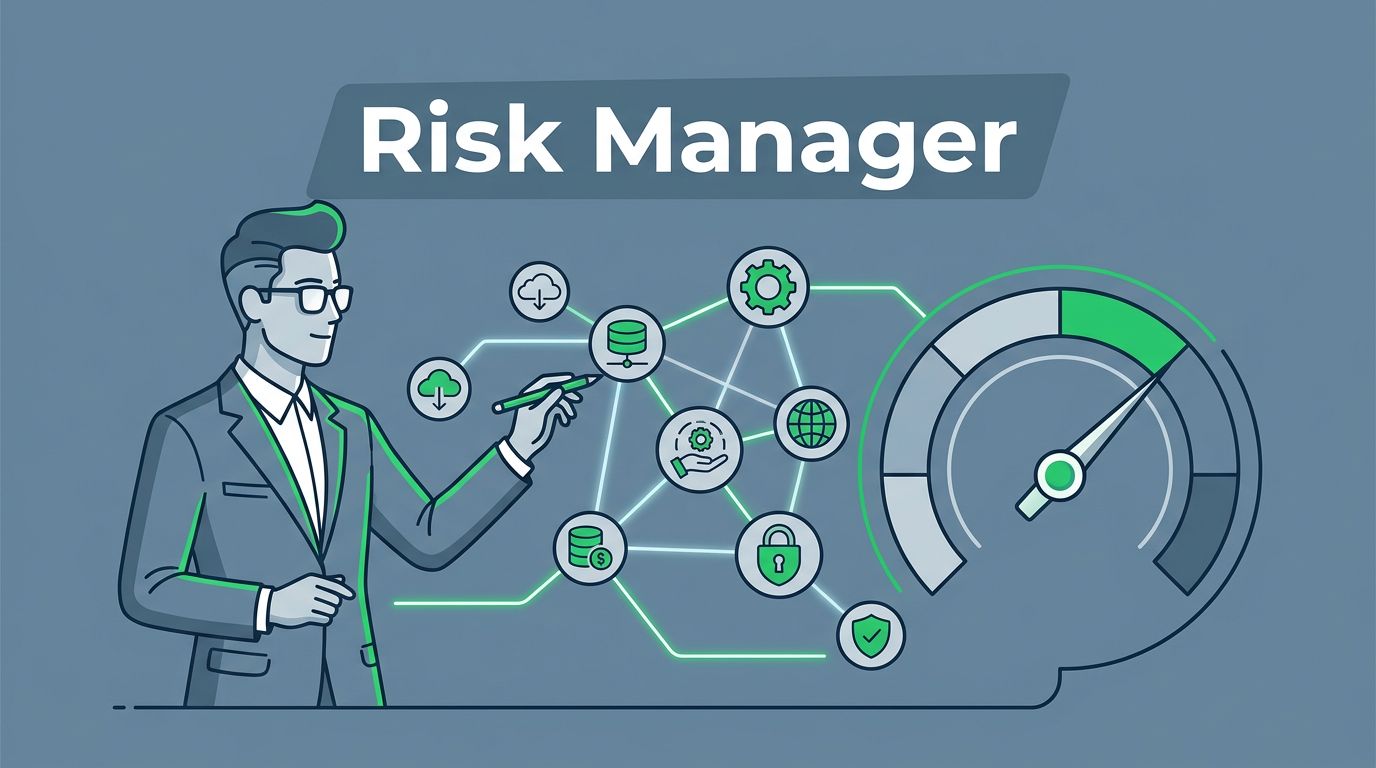
- Keep a live risk register and push owners toward action.
- Collect audit evidence before the auditor asks for it.
- Support customer security reviews and sales questionnaires.
- Help the company respond to incidents with a clear process.
- Turn repeated tasks into repeatable workflows.
That list may look broad, but that is the job. The goal is not just passing one audit. It is building a process that still works when headcount, tools, and customer demands double.
If you want a startup-first view of how GRC programs mature, the GRC strategy guide for tech companies is a useful reference point.
A good GRC hire reduces follow-up work for engineering, legal, and sales.
Decide whether you need a builder or a planner
In today’s market, strong candidates compare roles on scope, speed, and autonomy. If your job description reads like a long compliance wishlist, the best people may pass.
The real question is simple. Do you need someone who can design the program, or someone who can run it day to day? Many fast-growing teams need both, but one side should lead.
Choose a more strategic profile if you already have some support from operations, IT, or a vCISO. That person should think in systems, map controls to business goals, and set a path for the next 12 months. They should be comfortable saying, “We do not need a perfect program first, we need a usable one.”
Choose a more hands-on profile if you are close to an audit, fielding customer security questionnaires, or replacing a spreadsheet mess. That person should enjoy evidence collection, policy writing, control tracking, and follow-through. They need to be comfortable with details and deadlines.
A hybrid profile is often the best fit for early and mid-stage teams. That person can talk to leadership in plain English, then go build the tracker, policy set, and audit trail.
A practical way to screen for fit is to ask how they spent their last year. If they mainly led roadmap work, they lean strategic. If they spent most days inside evidence, tickets, and process cleanup, they lean hands-on.
For a helpful startup view on when GRC becomes a full-time job, see GRC for startups before Series A.
Match the role to the frameworks you actually need
The best hire is not a compliance generalist in the abstract. They should match the frameworks and customer demands that matter to your business.
For many SaaS companies, SOC 2 is the first pressure point. If you sell to larger customers, they will ask for controls, policies, evidence, and a clear audit path. If you handle sensitive data across borders, ISO 27001 may become the better long-term anchor.
Healthcare-focused teams need someone who understands HIPAA and how privacy and security controls overlap. Payments or card data bring PCI DSS into the mix. Many companies also need a manager who can respond to customer security requirements faster than the sales cycle moves.
The key is not memorizing every framework. It is knowing how to reuse control work. A good security GRC manager sees overlap and builds once, then maps that work across multiple needs.
That matters because startups rarely have spare time. A control for access reviews can support SOC 2, ISO 27001, and customer due diligence at the same time. The wrong hire treats each request like a fresh project. The right one builds a library of controls that keeps paying off.
When you interview, ask how they would map one policy to several requirements. Ask how they would decide what comes first if a customer wants SOC 2 evidence while a healthcare prospect asks about HIPAA. Their answer should sound practical, not academic.
Test how they work with legal, engineering, IT, and sales
A security GRC manager lives in the spaces between teams. That means communication matters as much as control knowledge.
Legal needs clear risk language and careful vendor review. Engineering needs low-friction controls that fit how product work gets done. IT needs practical policies that match actual systems. Sales needs fast answers that help deals move without false promises.
The interview should reveal whether the candidate can work with all of them. Ask for examples, then listen for detail, tone, and ownership. The best candidates explain what they changed, who they involved, and what result came out of it.
Good interview questions include:
- “Walk me through how you would handle a customer asking for SOC 2 evidence in two days.”
- “How would you get engineering to adopt a new access review process?”
- “What would you tell legal before sending a vendor security questionnaire?”
- “How do you explain residual risk to a founder who wants a yes or no answer?”
- “Tell me about a control that caused friction. How did you fix it?”
You want clear, plain answers. You do not want jargon. If a candidate cannot explain risk without sounding like a policy manual, the job will get harder after they start.
Use a scorecard before you make an offer
A simple scorecard keeps the process honest. It also helps founders, security leaders, and hiring managers agree on what “good” looks like before interviews start.
| Criterion | Strong signal | Weak signal |
|---|---|---|
| Scope judgment | Starts with your stage, team size, and framework load | Wants to add tools before process |
| Audit ownership | Talks about evidence, owners, and due dates | Treats audits as one-off fire drills |
| Cross-functional style | Gives examples with engineering, legal, IT, or sales | Speaks in compliance jargon |
| Prioritization | Separates must-have controls from nice-to-have work | Tries to fix everything at once |
| Automation sense | Uses automation where it removes manual work | Wants automation before basic process |
| Executive communication | Can brief leadership in plain language | Struggles to summarize risk clearly |
Rate each area from 1 to 5, then compare finalists side by side. The winner should not be the person with the longest resume. It should be the person who can build trust, keep momentum, and make the program easier to run.
If you want help shaping the role, the scorecard, or the shortlist, Book a Discovery Call with Bud Consulting.
Conclusion
Hiring a security GRC manager for a fast-growing team works best when you define the job around your real pressure points. Start with the frameworks you need, the customers you need to satisfy, and the teams the hire must support.
The strongest candidates do more than manage compliance. They turn security into a process people can follow without slowing the business down. That is the hire that helps growth stay organized instead of turning into chaos.