table of contents
A compromised npm package hit Axios users worldwide in March 2026. Attackers hijacked a maintainer’s account and slipped in malware that spread fast. Product managers face this risk daily because third-party code powers most software.
You decide what goes into products. Yet many overlook supply chain weak spots until breaches happen. This guide shows you how to spot and stop them through smart requirements, vendor checks, release controls, and team ties.
Start by grasping the full picture of these threats.
Understand Supply Chain Risks
Supply chain compromises target the code, tools, and vendors your product relies on. One bad dependency can infect your entire app. In 2026, open-source malware jumped because attackers hide it in popular libraries.
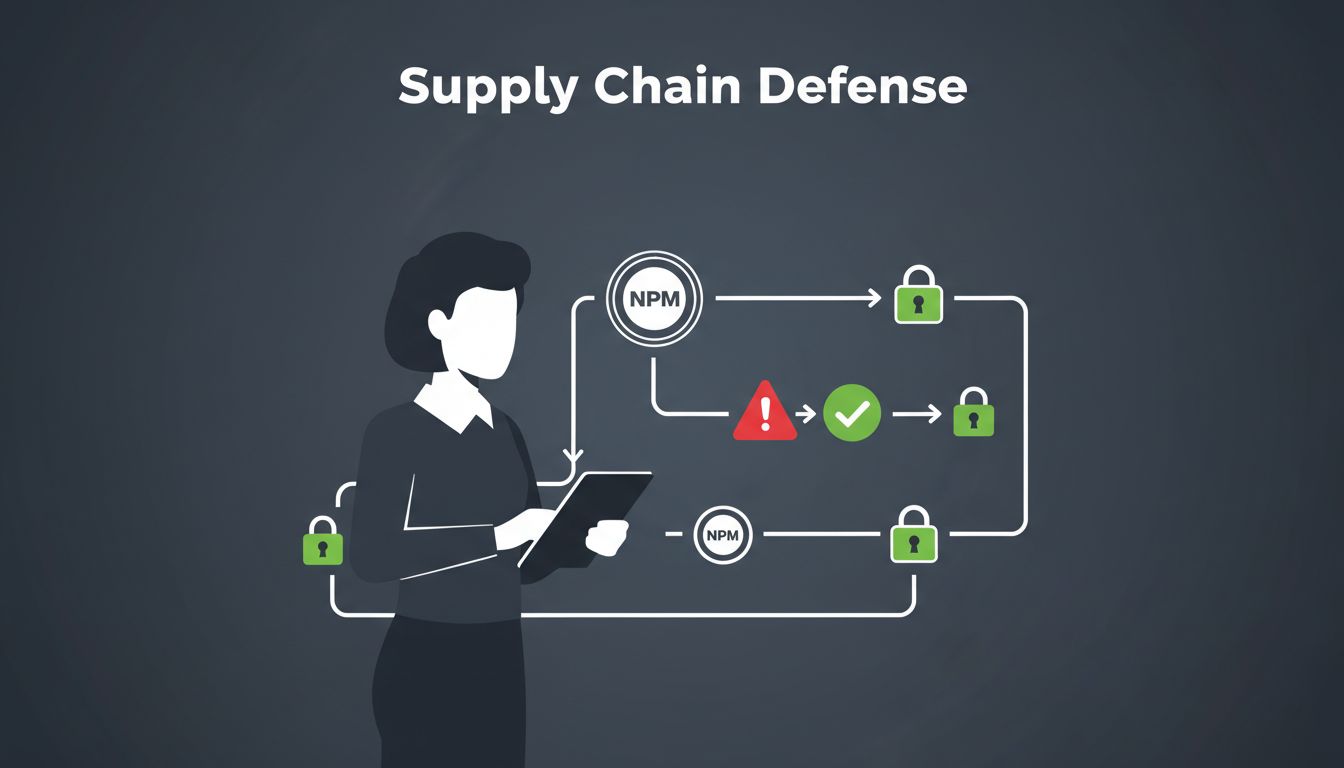
Take the Axios attack. Hackers added a trojanized package that grabbed credentials. It affected millions before npm pulled it. Product managers must watch for signs like sudden maintainer changes or unpatched flaws.
Common red flags include:
- New releases from unknown sources.
- Dependencies with high vulnerability scores.
- Vendors skipping security audits.
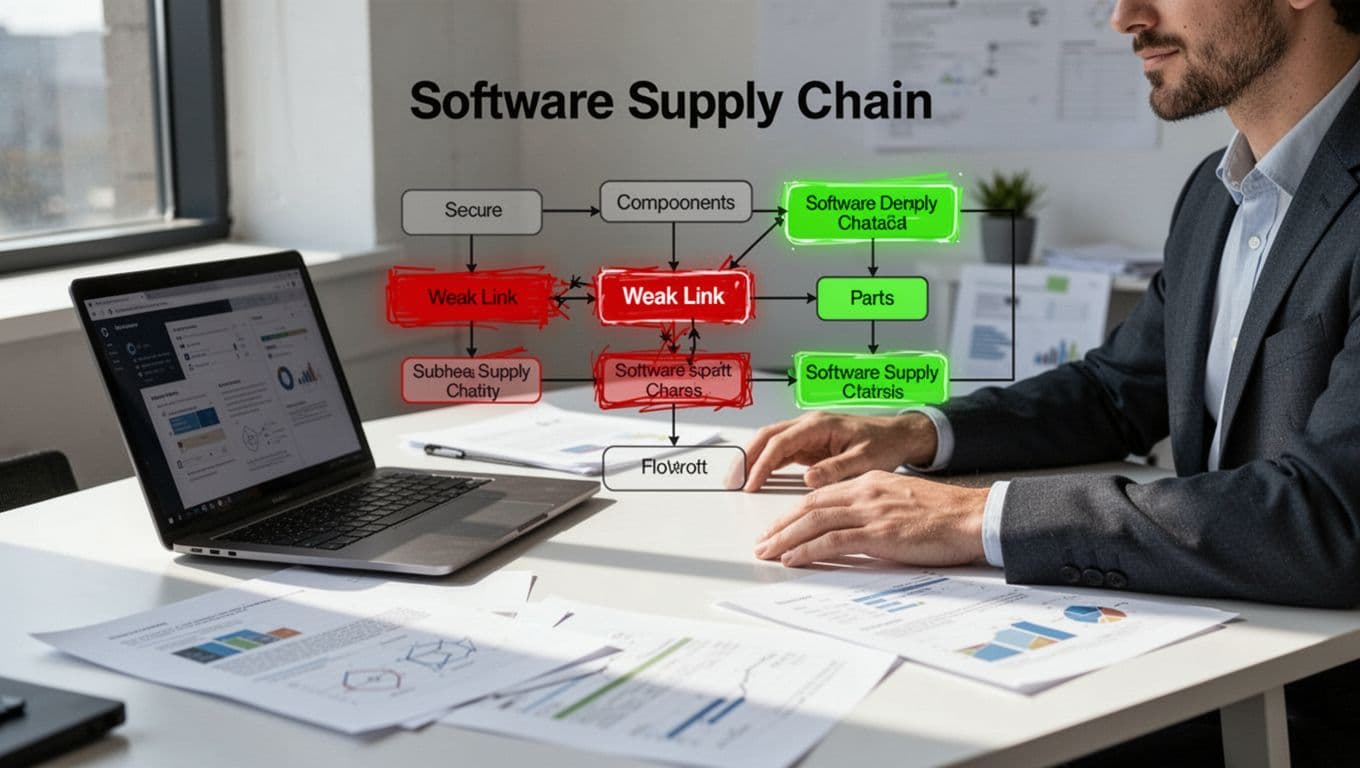
Build awareness first. Map your product’s chain: list all libraries, APIs, and services. Tools reveal hidden risks. For instance, check CISA’s software supply chain practices for customer-side steps.
Teams that scan early catch 80% more issues. Assign this to sprint zero. Then move to vendor checks.
Evaluate Vendors and Dependencies
Pick the wrong vendor and you invite trouble. Demand proof of their security before integration. Start with SBOMs, which list every component in their software.
Require suppliers to share SBOMs in standard formats like CycloneDX. Verify versions against vulnerability databases. Also ask for SLSA levels, which prove build integrity.
Here’s a quick vendor checklist:
- Does the SBOM cover transitive dependencies?
- Are artifacts signed with tools like Sigstore?
- What’s their patching cadence for known flaws?

Rate vendors on a simple scale. Low scores mean no deal. See Sysdig’s 2026 best practices for runtime monitoring tips that pair well here.
Automate dependency scans in your pipeline. Block high-risk pulls. This cuts exposure by half. Next, bake security into your requirements.
Embed Security in Product Requirements
Requirements shape your product. Make supply chain security non-negotiable from day one. Write specs that mandate secure defaults.
For new features, specify “use only SLSA Level 2+ builds.” Ban unsigned artifacts. Tie this to acceptance criteria: no release without verified SBOMs.
Real example: A fintech app required vendors to attest pipeline hardening. It blocked a Log4j-like flaw early. Use templates for consistency.
Early indicators to flag:
- Spikes in dependency updates.
- Unexplained build failures.
- Gaps in vendor SLAs.
Review requirements quarterly. Adjust for trends like AI-generated code risks. This prevents last-minute scrambles. Now govern releases tightly.
Strengthen Release Governance
Releases amplify risks if unchecked. Control them with gates that enforce security. Start with policy as code in your CI/CD.
Require signed artifacts for every deploy. Validate provenance before promotion. Tools like Cosign make this simple.
Set these release rules:
- Auto-generate SBOMs per build.
- Scan for drifts against approved lists.
- Quarantine fails for review.
In April 2026 trends, runtime checks caught 60% of sneaky threats scanners missed. Add them post-deploy.
Govern forks too. Limit access; audit changes. Microsoft’s NuGet security practices offer solid dependency tips.
Firm governance stops compromises cold. Partner with security next for full coverage.
Foster Collaboration with Security Teams
Product managers work solo at their peril. Loop in security early and often. Joint rituals build shared ownership.
Hold biweekly syncs. Review risks together. Security brings threat intel; you provide context.

Assign buddies: one security lead per product. They co-own SBOM reviews. This caught the Bitwarden CLI backdoor in tests last month.
Share dashboards. Track metrics like mean time to patch. Celebrate wins, like zero high-risk deploys.
Cross-training matters. Teach PMs basic SLSA; show security your roadmaps. Strong ties reduce incidents 40%.
Key Takeaways
Product managers block supply chain compromises by mapping risks, vetting vendors, securing requirements, gating releases, and teaming with security. Start small: pick one checklist today.
These steps fit any org. They turn threats into routines you control. For tailored advice on building these skills, Book a Discovery Call with Bud Consulting.
Act now. Your next release depends on it.