table of contents
Train R&D Teams for Secure Prototype Handling
What happens when a prototype leaves the lab unsecured? Competitors spot it, or worse, steal the idea. R&D teams build the future, but secure prototype handling keeps those innovations yours. You face risks from insiders, outsiders, and everyday slips.
Physical units and digital files both need protection. Leaks cost time and money. This guide shows you how to train teams with practical steps.
Start with onboarding that sets clear rules from day one.
Start with Targeted Onboarding
New hires touch prototypes fast. Train them right away to avoid early mistakes. Cover basics like what counts as sensitive: early designs, test data, even photos.
Make onboarding role-based. Engineers learn hands-on handling. Managers focus on oversight. Use short videos and quizzes. Everyone signs a confidentiality agreement on day one.
For physical prototypes, stress no photos outside secure zones. Digital files get encryption rules. Example: A new engineer scans a hardware mockup. They log it first, then store in a locked cabinet.
Keep sessions under 90 minutes. Test knowledge with scenarios. Did they spot the risk in sharing a file link? High pass rates mean your foundation holds.
Enforce Clean Desk and Lab Rules
Clutter invites trouble. Teams leave notes or USBs out, and risks grow. Train on clean desk policies: end of day, lock everything away.
In labs, designate zones. Red for high-risk prototypes, green for general work. No food or bags inside. Daily checks ensure compliance.
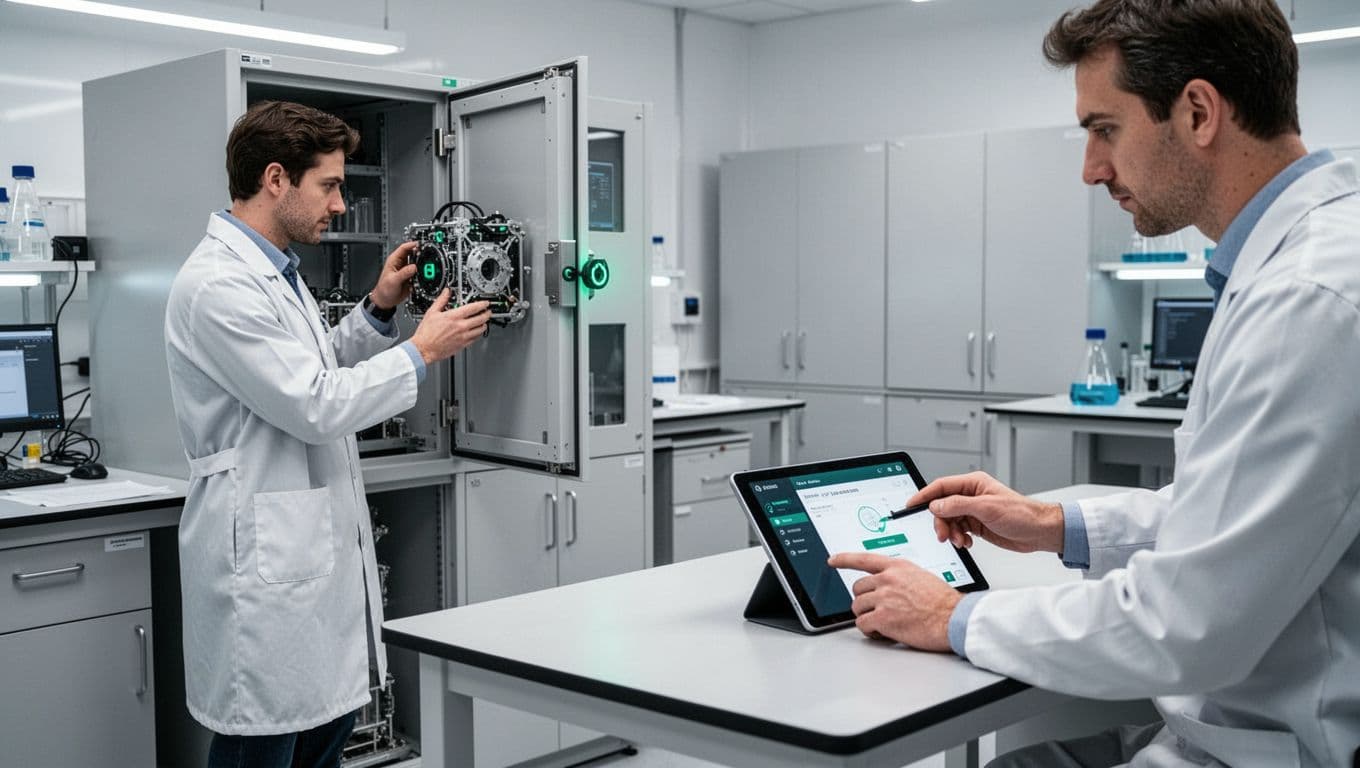
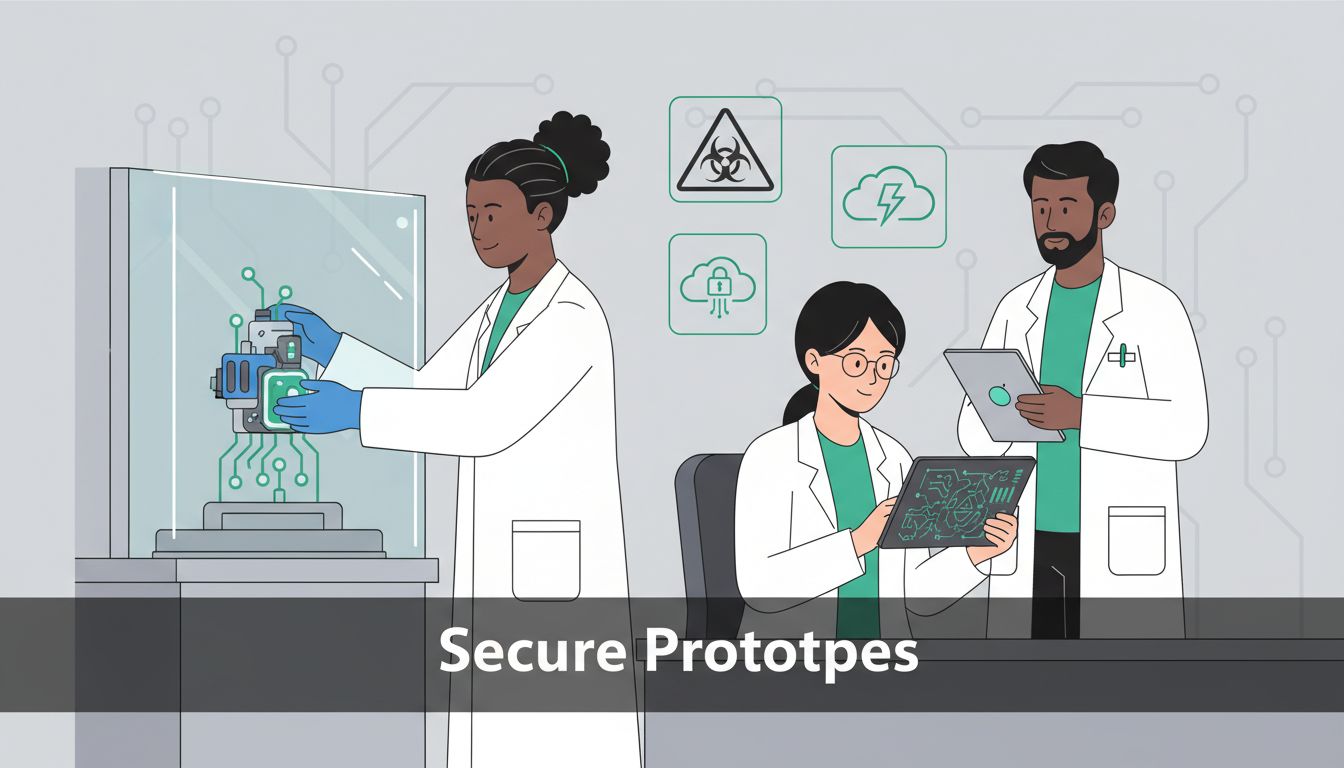
Picture this lab routine. One engineer places the prototype in a cabinet. The other logs the access. No papers scatter the desks.
Use checklists for audits:
- Lock cabinets and badge out.
- Wipe screens; power down devices.
- Report lost items immediately.
Paul Curwell outlines a Prototype Protection Plan that fits here. It covers physical and cyber risks. Train quarterly to refresh these habits.
Deliver Hands-On Training Modules
Theory alone fails. Use workshops for real practice. Break modules by role: juniors on basics, seniors on audits.
Sample topics include chain of custody. Track prototypes from creation to destruction. Log who touches what, when.
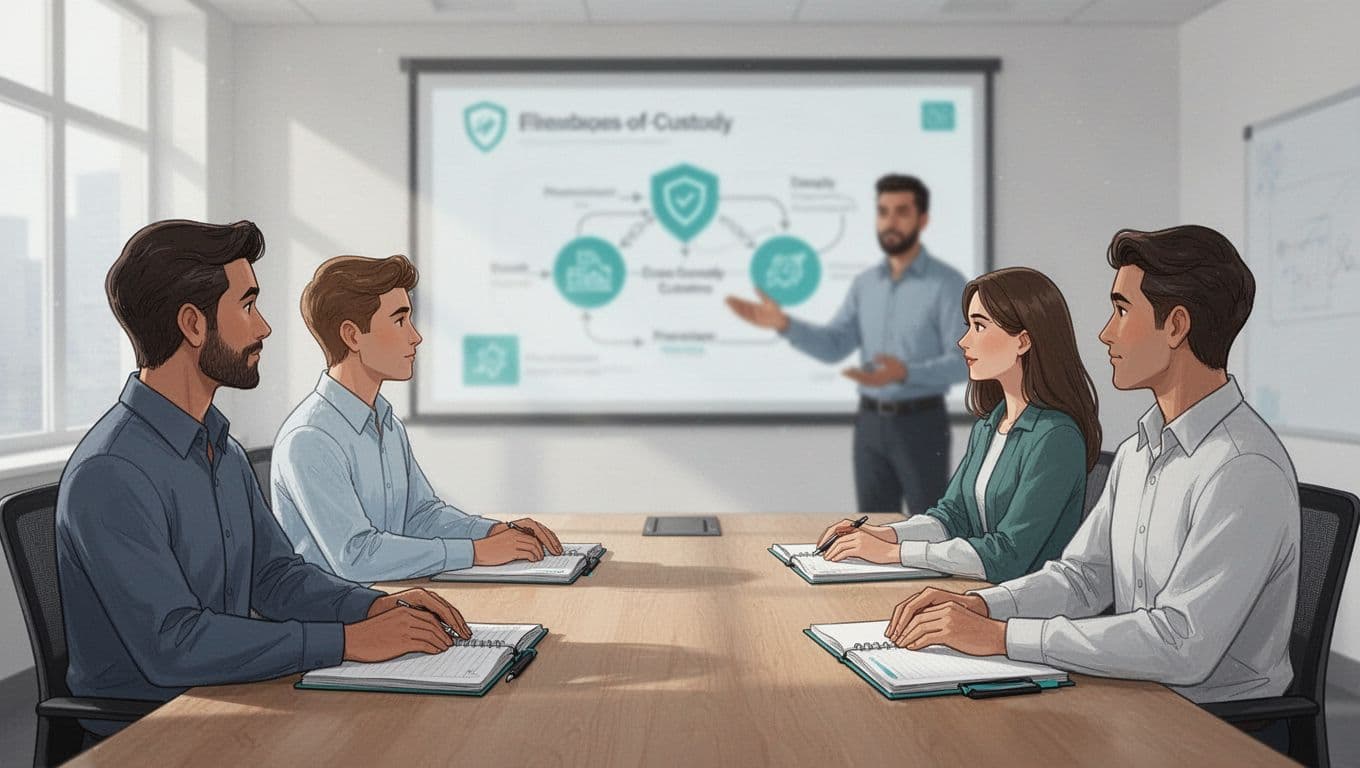
In a session, map a prototype’s path. Start at design, end at shredding. Role-play handoffs. For digital assets, simulate encrypted transfers.
Add disposal training. Shred physical units; wipe drives with tools like DBAN. Third-party shares need NDAs first.
Role-based paths work best. Engineers practice logging access. Leads review reports. FasterCapital suggests team education on best practices, like password rules and awareness.
Run these monthly. Hands-on boosts retention by 75%.
Handle Access Logging and Chain of Custody
Every touch counts. Train teams to log access: who, what, when, why. Use simple apps or sheets.
Chain of custody prevents gaps. For a test unit, sign it out, note tests, sign back. Digital files get version control and timestamps.
Physical example: Serial number prototypes. Log scans at entry points. Digital: Git with audit trails.
Tools help. Badge systems for labs; software like Jira for files. Review logs weekly for odd patterns.
Outsourcing adds layers. Check partners’ logs. Paul Curwell details protecting R&D in rapid prototyping, including destruction attestations.
This builds accountability.
Secure Remote Work and Third-Party Collaboration
Remote setups multiply risks. Train on VPNs always. No public Wi-Fi for prototypes.
Home desks stay clean too. Lock screens; use full-disk encryption. Example: Review files via secure portal, log out after.
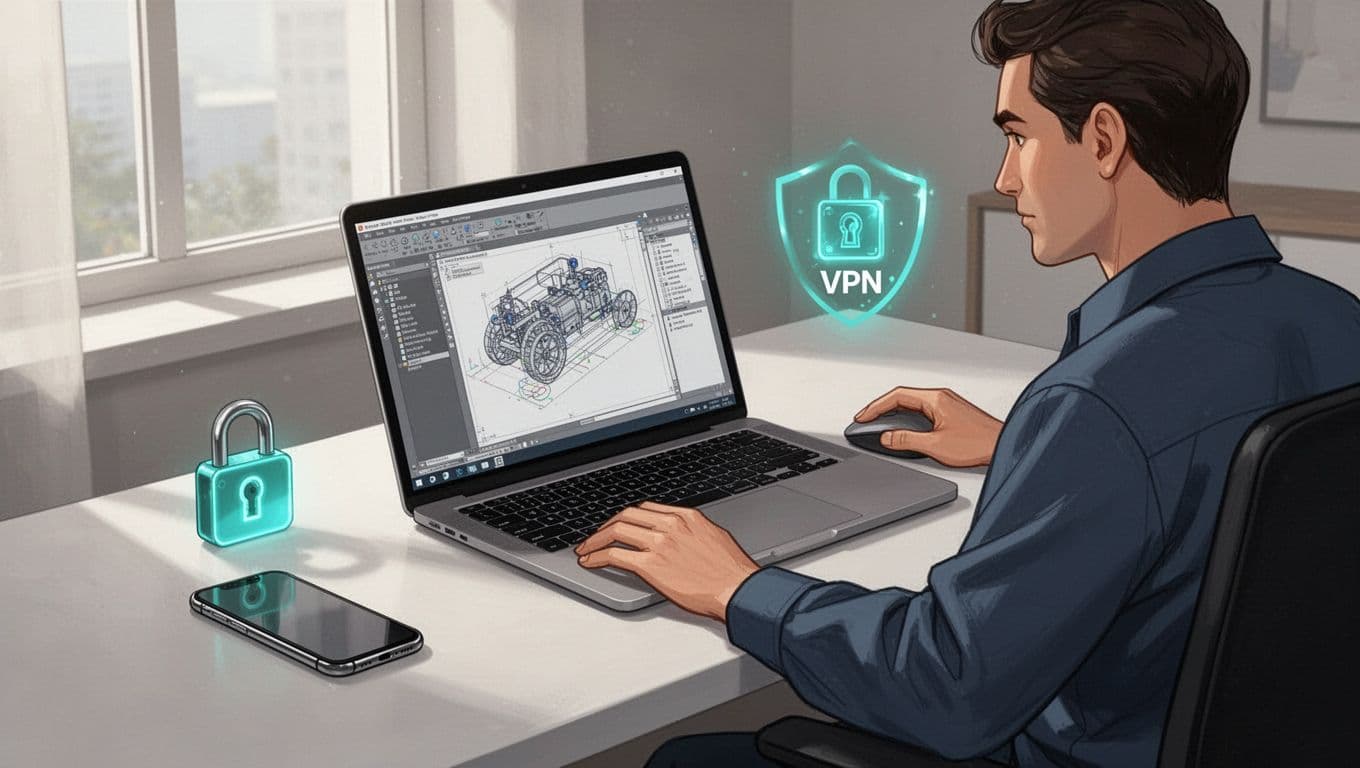
See the engineer here. Blurred screen, VPN on, phone locked. Simple rules like these cut leaks.
For vendors, limit data. Use watermarked previews; require signed returns. Contracts spell out destruction.
Audit remote access monthly. Tools flag anomalies.
Measure Success with Clear KPIs
Track your program. Use KPIs like training completion rates over 95%. Zero unlogged accesses per quarter.
Audit pass rates hit 90%. Incident reports drop yearly. Survey teams: Do they feel equipped?
Sample checklist for reviews:
- Completion logs checked.
- Mock audits passed.
- Feedback scores above 4/5.
Adjust based on data. SPK and Associates covers R&D security approaches that align with these metrics.
Key Takeaways
Secure prototype handling starts with onboarding and sticks through practice. Clean rules, logs, and remote controls protect your edge.
Teams trained this way spot risks early. Incidents fall, confidence rises.
Ready to strengthen your culture? Book a Discovery Call with Bud Consulting for tailored advice.
Your prototypes stay safe. Innovation thrives.