table of contents
A good interview panel can still make a messy hiring call if the debrief is loose. That happens when people trade impressions instead of evidence, or when the room chases consensus too early.
Security candidate debriefs work best when they end with a clean yes, no, or lean, backed by role requirements and signal quality. For cybersecurity hiring, that matters because a security engineer, a detection engineer, and a GRC specialist need different strengths.
The fix is simple in shape, but strict in practice. Set the rules before the interview loop starts, then run the debrief like a decision meeting.
Start with the role, not the room
Every debrief should begin with the job, the risks behind it, and the proof you need. A security engineer may need cloud design depth and control tradeoff thinking. A detection engineer needs log quality, alert tuning, and a steady hand on false positives. An incident responder needs speed, calm, and clean escalation. A security leader needs judgment across people, budget, and business risk.
That role lens keeps the panel from overvaluing charisma, pedigree, or a polished speaking style. A strong interview presence is useful, but it does not replace evidence.
Before the loop, align on the must-haves and nice-to-haves. If you want a solid reference for scorecards and prep, interview debrief best practices is a helpful place to start.
Prepare the panel before anyone speaks
The best debriefs start before the meeting. Each interviewer should know what they own, what they are scoring, and what counts as evidence. When everyone grades the same things, the debrief gets shorter and clearer.
A tight prep process looks like this:
- Send the scorecard before the interviews.
- Assign each interviewer one or two core competencies.
- Require written notes before group discussion.
- Ask for evidence, not labels like “good culture fit” or “sharp candidate.”
That last point matters. Notes should say what the candidate said, did, or failed to show. “Gave a strong example of incident triage” is useful. “Seemed nice” is not.
Structured debriefs also work better when scorecards are completed before discussion begins. Metaview’s interview debrief guide makes that point well.

Use a simple yes, no, or lean framework
The fastest way to clear the fog is to separate signals by strength. Do not ask, “Did we like them?” Ask, “Did they show the evidence this role needs?”
| Criterion | Strong evidence looks like | Weak evidence looks like | Decision rule |
|---|---|---|---|
| Technical depth | Clear examples, correct terms, tradeoffs | Vague answers, shallow theory | Yes for must-have depth, no if missing |
| Risk judgment | Weighs impact, urgency, and controls | Talks only about tools or process | Lean or no if judgment is thin |
| Communication | Answers are direct and structured | Rambling or hard to follow | Lean for hands-on roles, no for leadership |
| Collaboration | Names handoffs, conflict, and ownership | Blames others or works in a silo | No if the role needs heavy cross-team work |
| Role-specific strength | Excels at the core work of the job | Performs well but not in the target area | Yes only if the role fit is clear |
A lean is useful only when you can name the missing evidence.
This frame keeps the panel honest. A lean is not a delay tactic. It means the candidate has enough signal in the right areas, but one gap still matters. For example, a detection engineer with strong tuning skills and weak presentation may still be a lean yes. A security leader with weak executive communication is usually a no.
If your team is hiring senior or hard-to-fill security roles, Book a Discovery Call with Bud Consulting when you need help tightening the process.
Ask questions that produce evidence
Good debriefs depend on good questions. The goal is to learn how the candidate thinks, not how well they can improvise around buzzwords.
Use role-specific prompts like these:
- Security engineer: “Walk through a security control you designed. What tradeoffs did you make?”
- Detection engineer: “Tell us about an alert you tuned. What did you cut, and why?”
- Security analyst: “How do you rank three alerts when they all look urgent?”
- Incident responder: “What did you do in the first 30 minutes of a real incident?”
- GRC specialist: “How did you close a control gap when the owner pushed back?”
- Security leader: “How did you choose between two high-risk programs with limited headcount?”
These questions reveal more than a generic “tell me about yourself” ever will. They also help the panel compare candidates across roles. For context on how analyst and engineer profiles differ, the CompTIA comparison of cybersecurity engineer vs. analyst is a useful reference.
During the debrief, each answer should be checked for depth, clarity, and fit. A candidate can be calm and still be weak on judgment. Another can be brief and still show strong technical range.
Run a short agenda that ends with a call
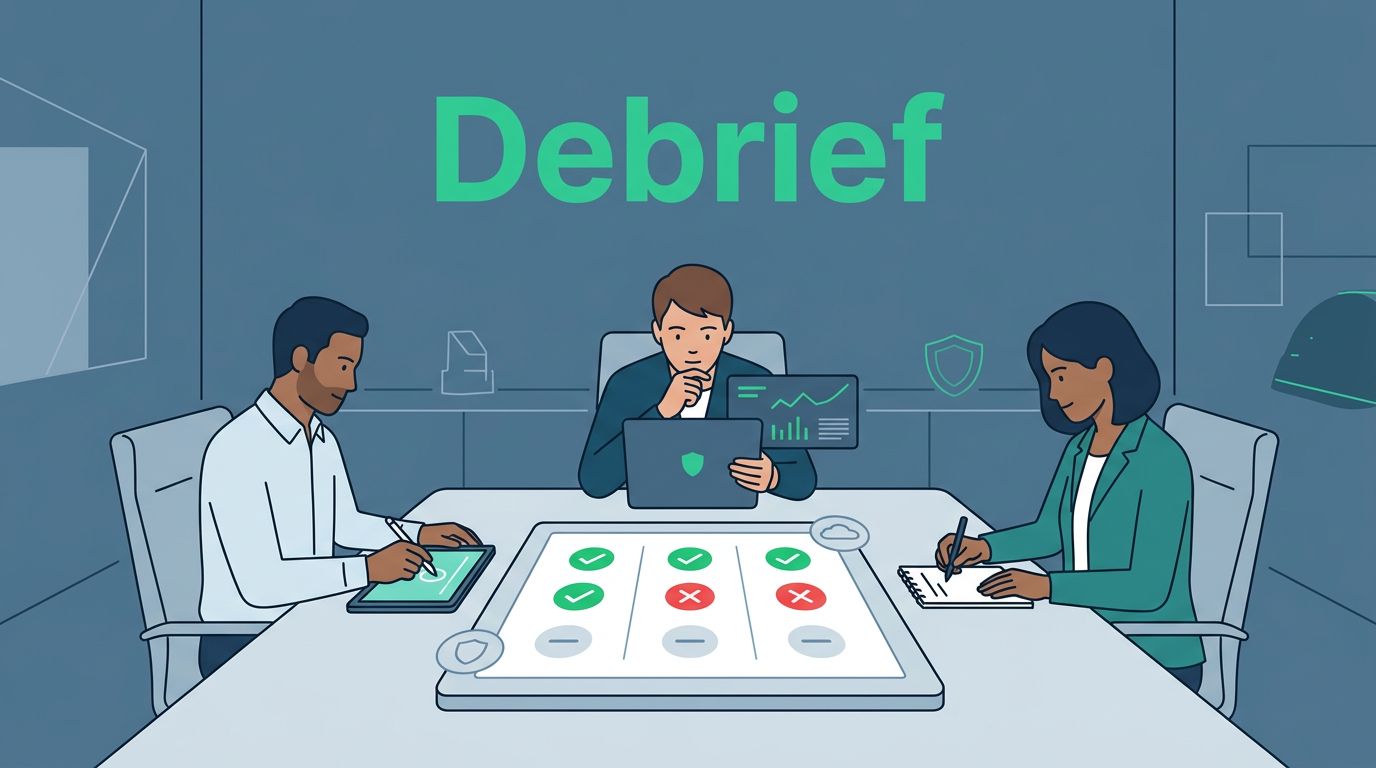
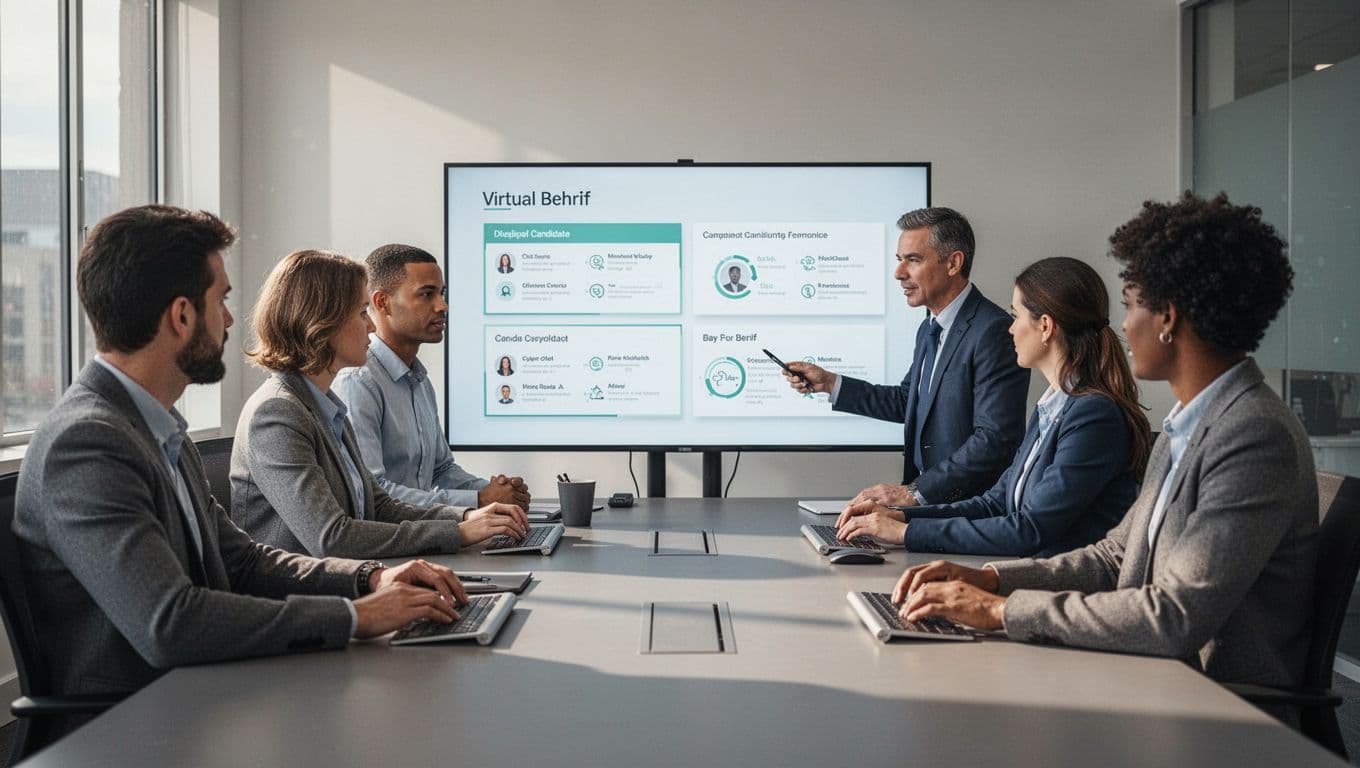
A debrief should feel like a decision meeting, not a recap session. Keep it tight and time-boxed.
- Restate the role and the must-haves.
- Each interviewer shares scorecard notes and evidence.
- The group names the biggest gaps and strongest signals.
- The hiring manager or decision owner states yes, no, or lean.
That agenda works in about 15 to 20 minutes for a small panel. If the discussion runs longer, the team is probably arguing about impressions instead of facts.
End the meeting by writing one sentence that explains the call. Example: “Yes, because the candidate showed strong detection logic, clear incident handoffs, and solid judgment under pressure.” That record helps later, especially if the team needs to revisit the decision or compare the next candidate.
Conclusion
Clear debriefs are not about getting everyone to agree. They are about getting the right people to compare real evidence against real job needs.
When you anchor the room on role fit, ask better questions, and force a yes, no, or lean call, the decision gets sharper. That is how security candidate debriefs stop feeling like a debate and start producing hires you can trust.