table of contents
You know the drill. A security control fails during an audit. No one steps up because everyone thinks it’s someone else’s job. Security control ownership gaps like that create real risks. They slow responses and weaken your program.
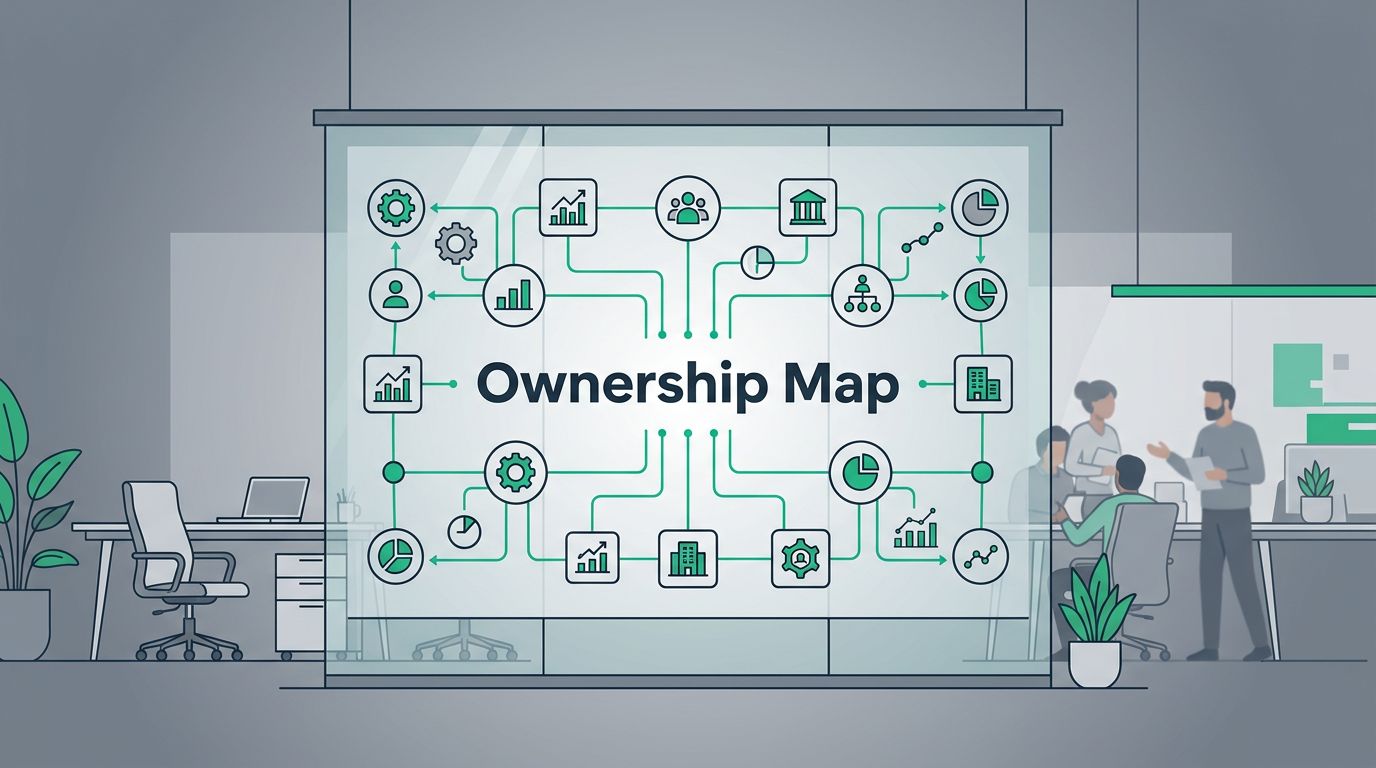
Teams waste time pointing fingers. Auditors flag gaps. Compliance suffers. You can fix this with a clear ownership map. It assigns roles so everyone knows their part.
This guide walks you through the process. You’ll end up with a tool that boosts accountability and audit readiness.
Why Clear Ownership Matters for Your Controls
Security programs live or die by accountability. Without defined owners, controls drift. Teams assume others handle them. Risks build up unnoticed.
Think of it as a chain. Each link needs strength. Ownership maps define who holds each link. They cover frameworks like ISO 27001 or NIST CSF without tying you to one.
Governance gets sharper. Leaders see gaps fast. Cross-functional teams collaborate better. IT risk pros report fewer overlaps.
Audits go smoother too. Evidence flows to the right people. No last-minute scrambles.
One study shows clear roles cut response times by 28%. For details on RACI in security, check this Security RACI Matrix guide.
Ownership also aids culture. People own outcomes. They fix issues proactively.
List Out All Your Security Controls
Start here. Gather your controls. Pull from your framework docs or risk register.
Make a simple inventory. Note each control’s ID, description, and objective. For example, “Encrypt data in transit” or “Conduct quarterly vulnerability scans.”
Group them by category. Access management. Incident response. Vendor risks. This keeps things organized.
Involve key players early. Meet with IT, ops, and business leads. Ask what they handle daily. You might uncover hidden controls.
Keep it framework-agnostic. Map NIST functions or ISO clauses as needed. The goal is completeness, not perfection.
Prioritize high-risk ones first. Focus on those tied to audits or breaches.
Your list becomes the map’s backbone. Miss one, and gaps persist.
Assign Roles to Your Controls
Roles make ownership real. Distinguish them clearly. Don’t lump everything together.
Owners decide on the control. They ensure it aligns with risks and budget. Only one per control.
Executors do the work. They run scans or enforce policies. Multiple here if needed.
Evidence collectors gather proof. Screenshots, logs, reports. They prep for audits.
Overseers watch from above. They review effectiveness and escalate issues.
Use a RACI twist. Responsible for execution. Accountable as owner. Consulted for input. Informed on status.
Hold workshops. Bring teams together. Discuss each control. Vote on roles if debates arise.
For example, take “Patch management.” IT ops executes. Security owns it. Compliance collects evidence. Leadership oversees.

This collaboration builds buy-in. People see how their role fits.
Reference high-level practices. Like assigning one accountable party per control for audit trails, as in this Control Owner RACI for audit readiness.
Document decisions. Note why choices were made. It helps later reviews.
Build Your Ownership Matrix
Turn roles into a visual tool. Create a table. Rows for controls. Columns for roles.
Use spreadsheets or shared docs. Make it editable but controlled.
Here’s a sample matrix. Adapt it to your needs.
| Control ID | Description | Owner | Executor(s) | Evidence Collector | Overseer |
|---|---|---|---|---|---|
| AC-01 | User access reviews | Security Mgr | HR & IT Ops | Compliance Team | CISO |
| IR-05 | Incident response testing | Security Ops | SOC Team | Audit Lead | VP Risk |
| VE-02 | Vendor risk assessments | Procurement | Security Analyst | Legal | Exec Team |
This setup shows accountability at a glance. Owner signs off. Executors act. Collectors prove it works.
Add columns for frequency or evidence types if helpful. Keep it simple though.
Share the draft. Get feedback. Refine roles.
Populate the full list. Aim for 100% coverage.
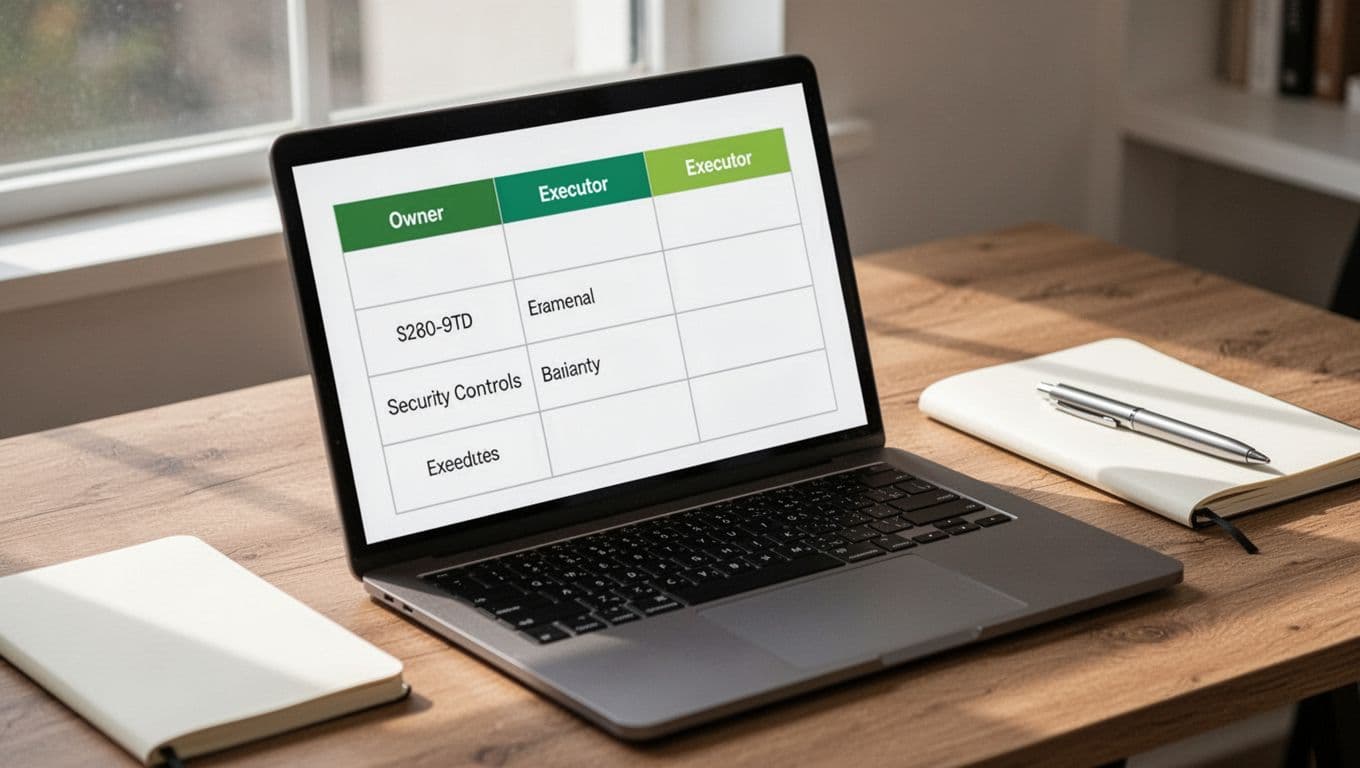
The table drives action. Teams reference it daily.
For more on RACI in risk programs, see this RACI for risk mapping example.
Review and Maintain the Map
Maps aren’t set-it-and-forget-it. Review them quarterly. Or after big changes like mergers.
Check for gaps. Has a role changed? New hire? Update it.
Test during audits. Does evidence match? Adjust collectors if needed.
Train teams on the map. Make it part of onboarding.
Track effectiveness. Owners report on control performance. Overseers spot trends.
Version control everything. Note dates and changes.
Automate where possible. Link to ticketing tools for execution.

Ongoing reviews keep it alive. Your program stays audit-ready.
If building this feels overwhelming, Book a Discovery Call with Bud Consulting. They help close gaps.
Key Takeaways
A solid security control ownership map ends finger-pointing. It assigns clear roles for owners, executors, collectors, and overseers.
You inventory controls, assign roles in workshops, build a simple matrix, and review often. Accountability follows.
Audits pass easier. Teams collaborate across functions. Risks drop.
Start small. Pick 10 controls. Scale from there. Your program strengthens fast.