table of contents
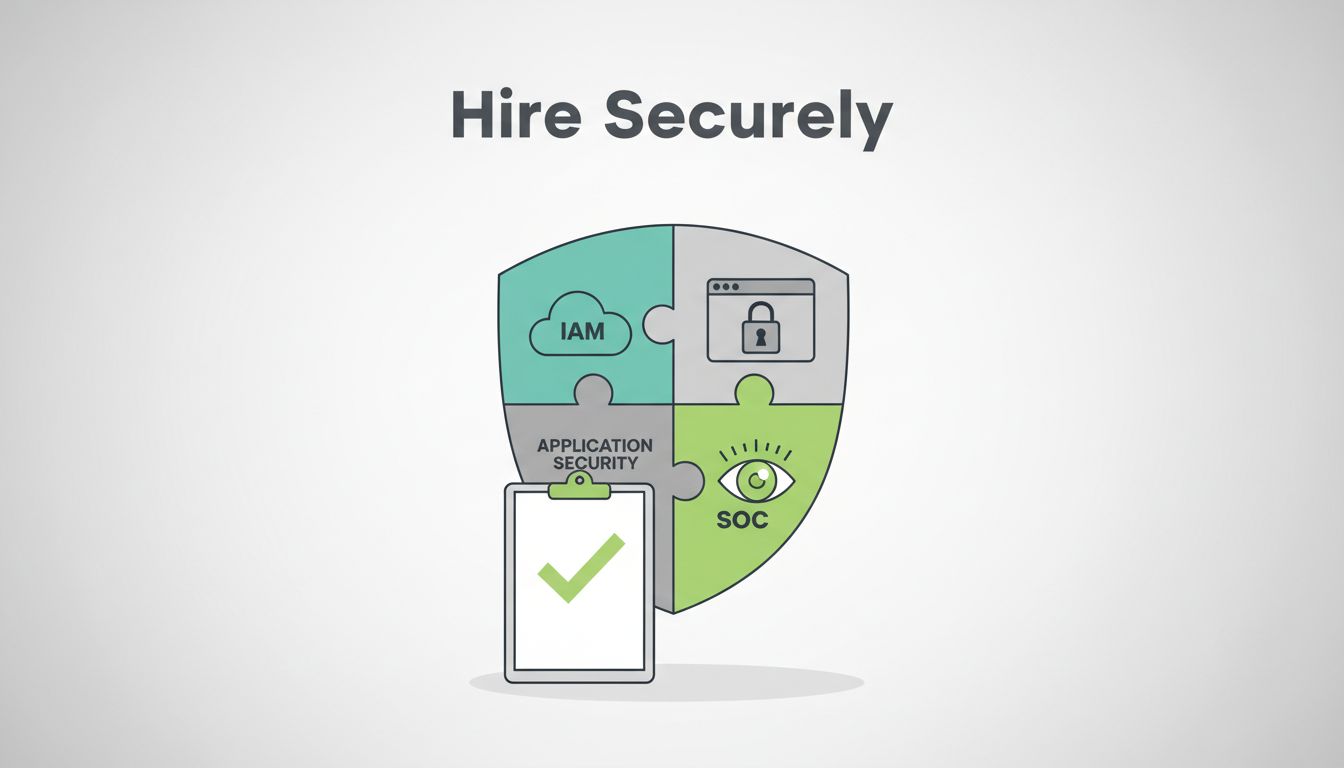
A weak hiring brief fills your pipeline with people who sound close, but miss the real need. In security hiring, that gap wastes weeks, because “strong technical background” can mean very different things across cloud, IAM, AppSec, and SOC roles.
A security hiring intake brief gives recruiters and hiring managers one shared picture of the job before sourcing starts. It clarifies the work, the scope, the bar, and the trade-offs so the search pulls in better candidates from the start.
Align recruiters and hiring managers before the role opens
Start with the business problem, not the title. A “security engineer” could mean cloud hardening, detection work, IAM, or application security, and each one attracts a different candidate pool.
The intake meeting should answer a few plain questions. What pain is this hire meant to remove? Who will they work with every week? What should they deliver in the first 90 days? If those answers stay vague, the job post will stay vague too.
That alignment matters even more for first security hires. If you’re building the role from scratch, a template like Vanta’s first-security-hire job posting guide can help you frame the right conversation before you write a job ad.
For a deeper hiring structure, NIST’s hiring rubric guidance is also useful. It pushes the team to define skills and proficiency levels before interviews begin.

Separate must-haves from nice-to-haves
Many security roles get padded with extras that sound good, but don’t help the hire succeed. That creates an impossible brief and a thin candidate pool.
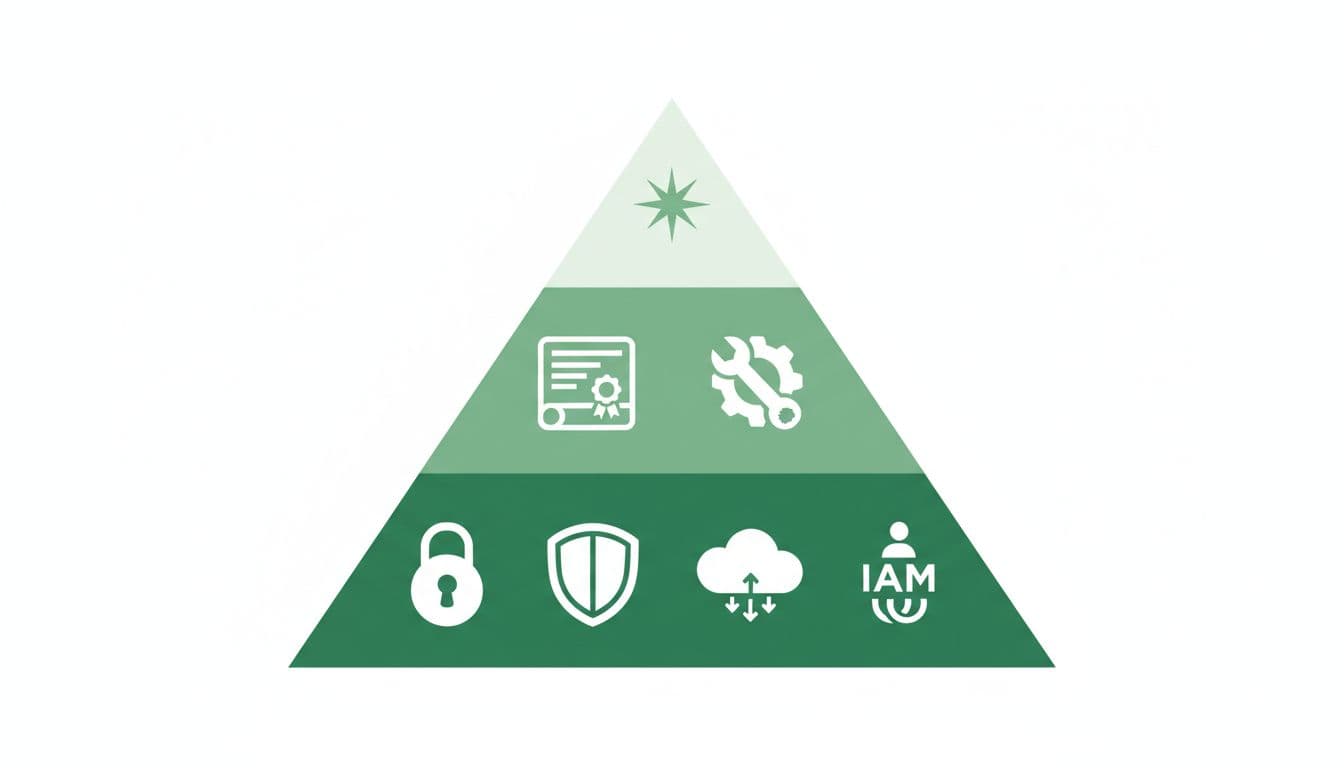
Use a simple rule, if the skill is needed in the first 90 days, it’s a must-have. If the person can learn it after onboarding, it’s a nice-to-have. A cloud security architect may need hands-on AWS or Azure guardrails, IAM, logging, and infrastructure-as-code. They probably do not need five different platform certifications on day one.
The same logic works for AppSec and IAM/PAM roles. A DevSecOps lead may need secure CI/CD and code scanning experience, while a nice-to-have might be a cert or a niche vendor tool. An IAM manager may need Okta, Entra ID, or SailPoint ownership, while a bonus could be prior merger integration work.
If you want a quick reference for role basics, Vanta’s first-hire must-haves is a helpful benchmark. It keeps the team honest when the wish list starts to grow.
Set experience expectations that fit the job
Years in security tell you less than most hiring teams think. A candidate with six years of deep cloud security work can be stronger than someone with twelve broad years and no real IAM ownership.
Relevant scope beats raw years on a resume.
Spell out the experience that matters. Say whether you need someone who has built controls in a multi-account AWS environment, run incident response in a regulated company, or owned application security across a fast-moving engineering team. That detail helps recruiters find people who have done the work, not just people who have the title.
It also helps you avoid hiring for an impossible seniority mix. Don’t ask for a hands-on builder, a team manager, and a strategy leader unless the job truly needs all three. That kind of brief scares away strong candidates and attracts the wrong ones.
Design the interview around the work
A good intake brief should shape the interview plan. If the role is for a cloud security architect, the panel should not rely on general security trivia. Ask how the person would secure an AWS org with multiple accounts, limited headcount, and a noisy backlog.
Use the brief to build a simple interview flow:
- The recruiter screen checks scope, motivation, and baseline fit.
- The technical screen checks the core skill set in the role.
- The case or work sample mirrors the real environment.
- The panel checks collaboration, judgment, and decision-making.
After each round, compare notes against the brief and the rubric. That keeps the discussion grounded. It also stops one interviewer from overrating confidence and another from overweighting a favorite tool.
Good candidate calibration matters just as much as sourcing. When everyone scores against the same brief, the team makes faster calls and gives candidates a cleaner experience. If the role is senior or hard to scope, Book a Discovery Call with Bud Consulting before the search goes live.
A sample security hiring intake brief you can reuse
A strong intake brief does not need to be long. It needs to be clear enough that another recruiter could run the search without guessing.
| Brief field | What to capture | Example for a security role |
|---|---|---|
| Role outcome | The business problem this hire solves | “Reduce cloud misconfig risk across production accounts” |
| Environment | Systems, tools, and team setup | AWS, Okta, Terraform, 2 security teammates, 20 engineers |
| Must-have skills | The skills needed in the first 90 days | IAM, logging, incident response, or AppSec review |
| Nice-to-have skills | Skills that help later | One extra platform, vendor certs, M&A exposure |
| Experience floor | Relevant work, not just years | “Built controls in a multi-account cloud environment” |
| Interview plan | Who meets the candidate and why | Recruiter screen, technical case, panel, calibration |
| Deal-breakers | What removes a candidate fast | No hands-on cloud work, no cross-functional work |
| Compensation and logistics | Range, location, schedule, start date | Salary band, hybrid policy, start window |
If the team can fill this out in 15 minutes, the brief is still too vague. A useful version takes a bit more thought because it forces real trade-offs.
Conclusion
The best candidates usually do not come from wider sourcing alone. They come from a clearer brief that tells the market what the role really is and what success looks like.
When recruiters and hiring managers share the same intake brief, the search gets sharper, interviews get cleaner, and strong security people are more likely to say yes. That first document does more than open a role, it shapes the quality of the entire hiring process.