table of contents
You run a startup. Threats hit fast. One breach can sink your funding round or scare off customers. Security metrics dashboards fix that. They give you clear views of risks without drowning in alerts.
These dashboards show trends that matter. You spot issues early and prove to boards you’re on top of security. In 2026, investors expect this. They want data, not promises.
Let’s break down what to track. You’ll get actionable steps to build one now.
Why Startup Founders Need Security Metrics Dashboards
Founders juggle product, sales, and hires. Security often slips. Dashboards change that. They pull data into one spot. You see if risks rise or fall at a glance.
Boards demand proof. VCs ask about breaches in every pitch. A dashboard answers with charts, not stories. It supports compliance too. SOC 2 audits need evidence of controls.
Skip vanity metrics like total logins. Focus on signals that drive decisions. For example, track incident volume first. Healthy trends mean fewer than five critical events per quarter for early-stage teams. Review weekly.
Dashboards also help prioritize. High vulnerability backlog? Fix that before new features. This setup cuts firefighting. One founder I know slashed response times 40% after starting simple tracking.
In 2026, breaches cost startups 25% of revenue on average. Dashboards spot patterns early. They tie security to growth.
Key Security Metrics to Track
Pick metrics that reduce risk and show progress. Explain each one simply. Tie it to your goals.
Start with incident volume. Count confirmed security events per week. Why? It flags attack spikes. Healthy? Under two per month as you scale. Review weekly; spikes mean tune alerts.
Next, mean time to detect (MTTD) and respond (MTTR). MTTD is hours from threat to alert. MTTR adds fix time. Matters because delays let damage spread. Aim for MTTD under 2 hours, MTTR under 8. Check daily at first, then weekly. Tools auto-track this.

Patching SLA compliance shows updated systems. Target 95% patched in 30 days. Unpatched gear draws hackers. Founders use it for vendor talks. Review bi-weekly.
MFA coverage tracks logins with multi-factor auth. Goal: 100% on critical accounts. It blocks 99% of account takeovers. Monthly checks keep teams honest.
Vulnerability backlog lists open high-risk flaws. Healthy is under 10, cleared in 90 days. It guides dev sprints. Weekly scans help.
Third-party risk status scores vendors. Use simple 1-10 scale. Why? Breaches often come via partners. Aim for average 8+. Quarterly reviews.
Training completion for employees. 90% done yearly. It cuts phishing clicks 70%. Monthly nudges work.
Critical asset coverage ensures key servers have monitors. 100% is the bar. It protects IP. Bi-weekly audits.
These eight cover exposure, speed, and behavior. Kioptrix outlines similar signals for founders. Trends beat snapshots. Green lines down mean wins.
Startup-Friendly Tools for Security Dashboards
You don’t need a full SOC. Modern tools fit startups. They integrate fast and cost little.
SIEM platforms like LiteSOC or Fencer pull logs into dashboards. They show incidents live. Setup takes hours via API. No security team required.
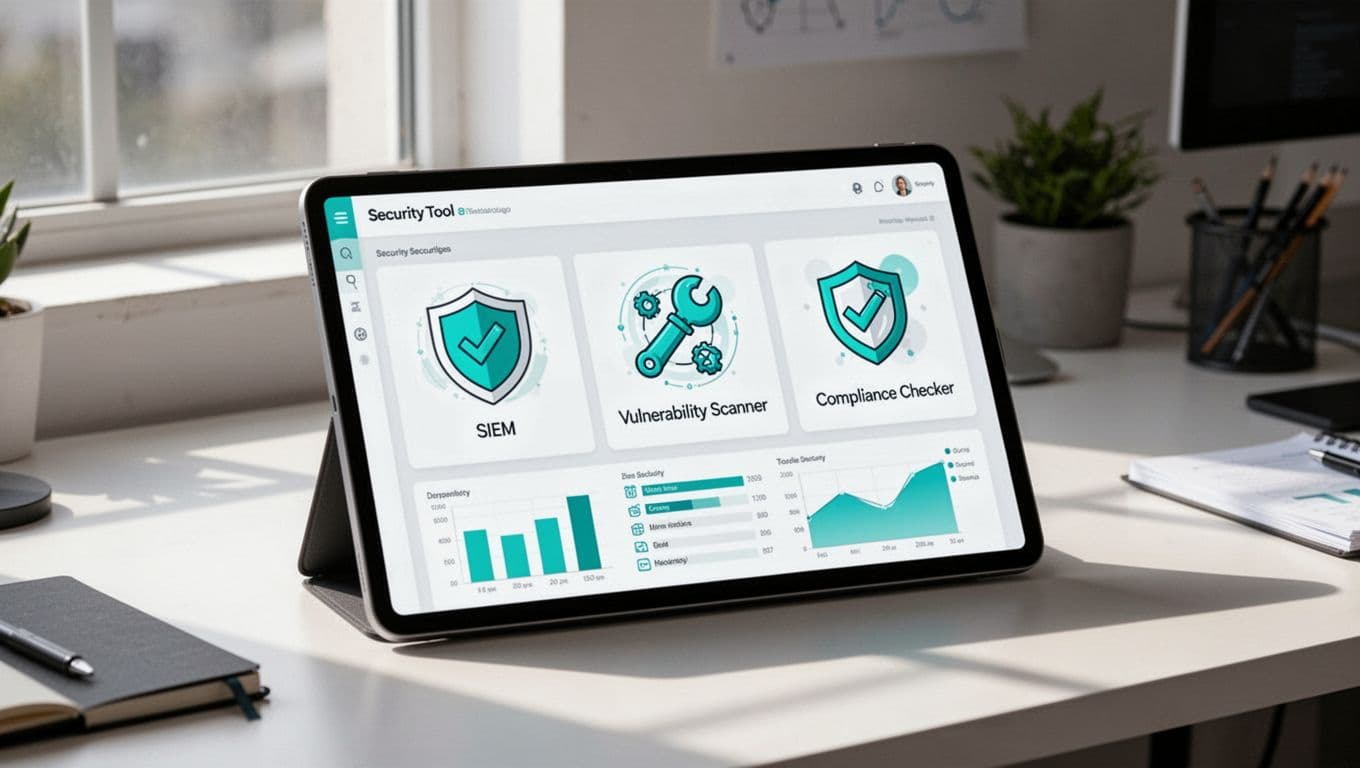
Vuln scanners such as Snyk or Wiz auto-score backlogs. They plug into GitHub. Patch compliance flows in too.
For MTTD/MTTR, SentinelOne or CrowdStrike use AI. They alert on Slack. Dashboards export to Google Sheets for boards.
Third-party checks? Use Fencer’s vendor monitoring. It scans partners ongoing.
Training? KnowBe4 dashboards completion rates. MFA via Okta shows coverage.
Build in Grafana or Datadog. Free tiers work for seed stage. Connect five tools max. Update weekly.
In 2026, AI handles 80% of detections. Pick tools with APIs. They scale with you.
Set Review Cadence and Nail Board Reports
Review dashboards weekly solo. Spot red trends fast. Monthly with leads. Quarterly for boards.
Use trends over numbers. “MTTR dropped 20%” beats “4.2 hours.” Add context. “Spike from new launch; fixed.”
Export to slides. Six metrics max. Green/amber/red status. Boards grasp direction quick.
Tie to business. “Lower risks mean faster SOC 2.” It builds trust.
SecPortal’s guide fits board needs. Test quarterly. Adjust based on breaches.
Key Takeaways for Founders
Security metrics dashboards keep risks low and boards happy. Track incident volume, MTTD/MTTR, patching, MFA, vulns, vendors, training, and assets. Use tools like SentinelOne or LiteSOC.
Start small. One dashboard drives better choices. Your startup grows safer.
Ready to strengthen security? Book a Discovery Call with Bud Consulting.