table of contents
For senior cyber roles, interviews only tell part of the story. A candidate can sound sharp and still struggle with judgment, influence, or follow-through.
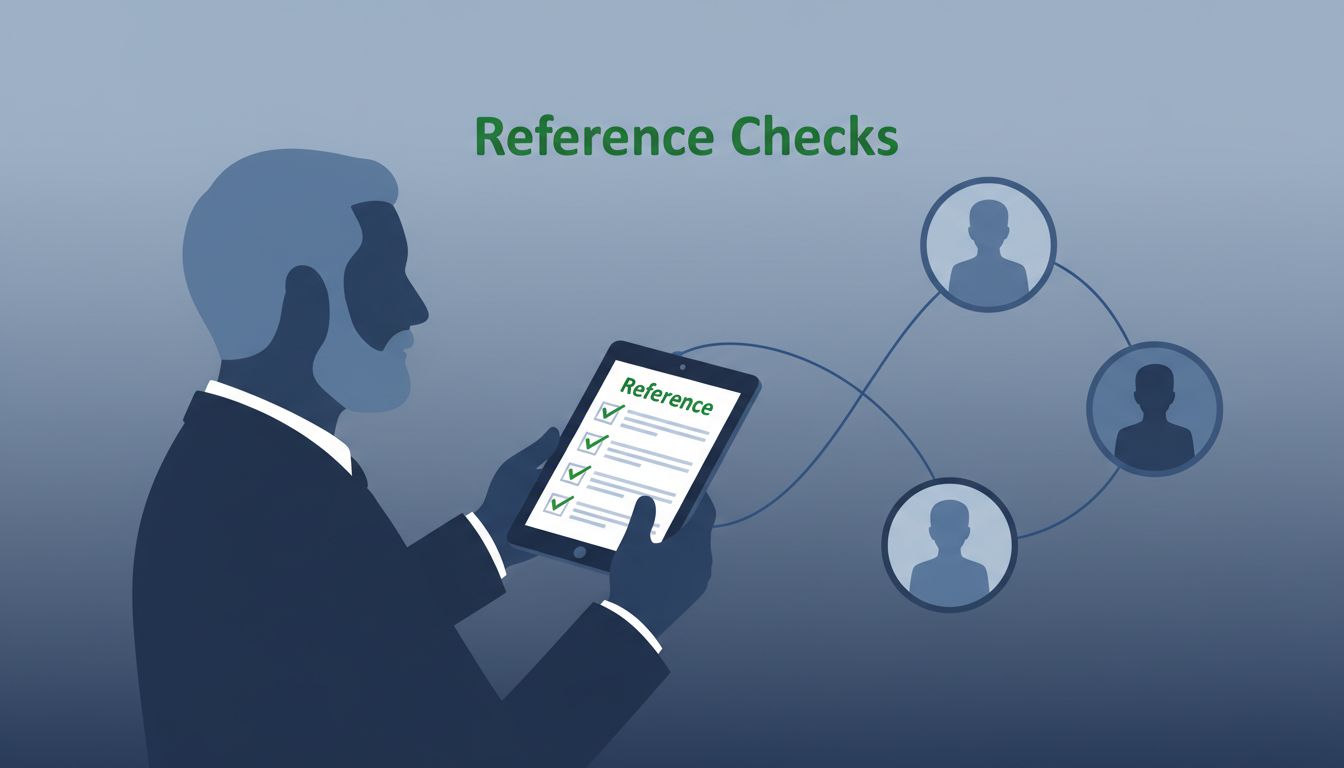
Security reference checks help you verify how someone behaves when the stakes are high. They also show whether a former manager would trust them with incidents, budgets, and board updates. The process works best when it is structured, lawful, and hard to game.
Why senior security reference checks matter
A Director of Security or CISO touches more than tools and controls. They shape trust across IT, legal, finance, product, and the board. One weak hire can slow programs and create avoidable risk.
That is why a loose, friendly call is not enough. You need a repeatable method that compares candidates on the same themes. A structured reference-check process recommends using consistent questions, speaking with at least three references, and asking the same core rehiring question each time.
The best reference answers are specific, consistent, and tied to outcomes.

Build the process before you call anyone
Start late in the hiring process, after you have a clear finalist. For senior security hires, that timing saves time and keeps the process focused. Ask for a direct manager, a peer, and, when possible, a cross-functional partner or direct report.
Keep the call work-related and explain how the feedback will be used. Document permission, the date, the contact, and the answers. Store notes in your HR or ATS system, not in scattered email threads.
If you use a third-party screening vendor for background checks, the FTC’s background checks guidance explains the FCRA basics that matter in the U.S. For global hiring, confirm local privacy rules too. A useful starting point is international background check laws, because consent, data retention, and legal basis can change by country.
Just as important, check your own policy and legal guidance. Requirements vary by jurisdiction, and senior hiring often involves more privacy risk than a standard staff role. When in doubt, confirm the process with legal counsel or HR policy before you start.
Ask questions that surface real work
The strongest questions force a reference to name behavior, not impressions. They should pull out examples of judgment, conflict, and leadership under pressure.

Use questions like these:
- What was this person’s scope, and what changed because of their work?
- How did they handle an incident, breach, or major risk decision?
- What kind of feedback did they need most often?
- How did they work with legal, IT, product, or the board?
- Would you rehire them for a larger security role?
- What is one thing you would watch closely if they joined our team?
Listen for detail. A strong reference gives dates, outcomes, and tradeoffs. A weak one stays vague, dodges the rehiring question, or sounds rehearsed. That matters even more for executive hires, where influence and judgment are as important as technical depth.
Score the answers the same way
A simple scorecard keeps the process fair. It also helps hiring teams avoid getting swayed by one great story or one polished speaker.
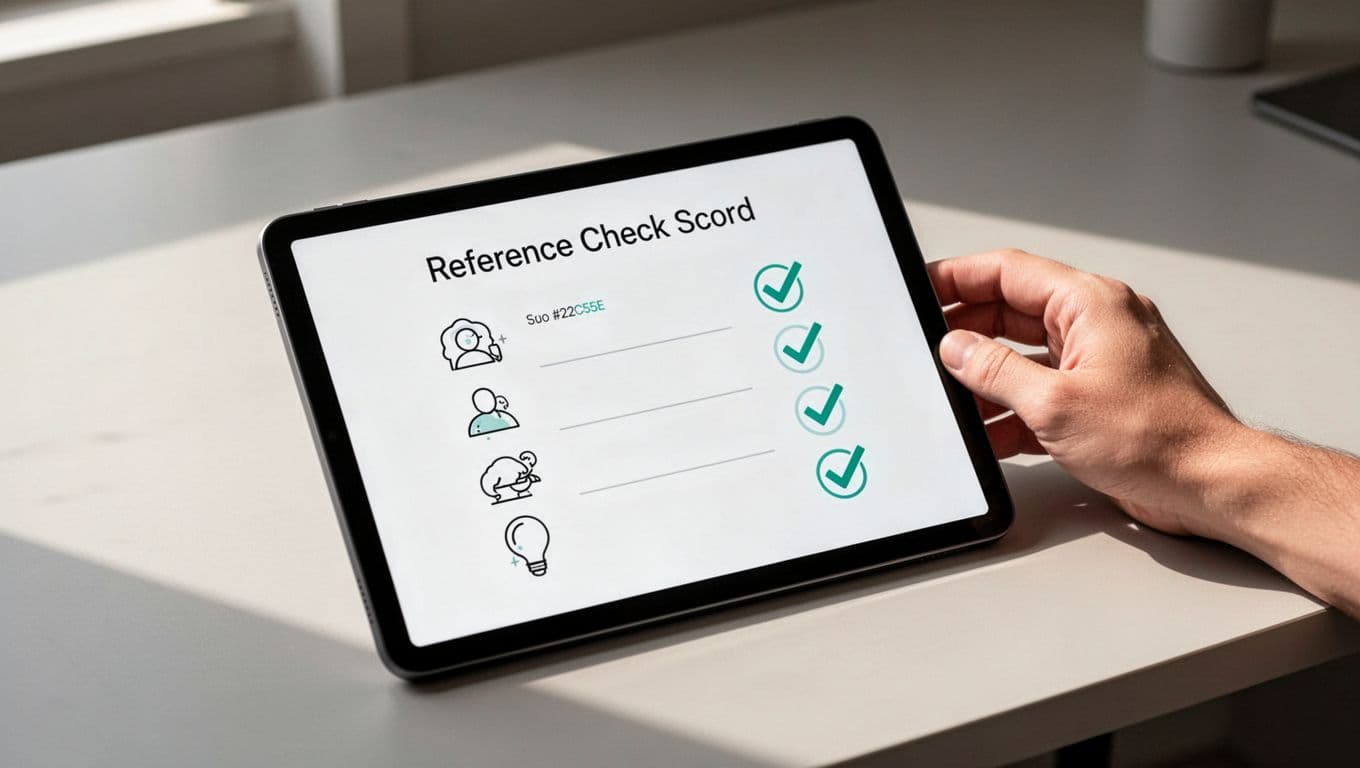
Use a 1 to 5 score for each area below.
| Area | Strong answer | Concerning answer |
|---|---|---|
| Leadership judgment | Clear tradeoffs, calm under pressure | Avoids decisions, blames others |
| Team leadership | Coaches well, earns trust | Creates turnover or confusion |
| Cross-functional work | Works well with business partners | Siloed or defensive |
| Integrity and follow-through | Owns mistakes, meets commitments | Fuzzy facts, missed promises |
| Rehire signal | Immediate yes | Hesitation or caveats |
Red flags to watch
- Vague praise with no example.
- Long pauses on the rehire question.
- Details that do not match the candidate’s own story.
- Repeated concerns about trust, judgment, or follow-through.
Positive signals to trust
- Specific examples of impact.
- Clear thinking during incidents or high-pressure moments.
- Consistent praise from different references.
- A direct, confident willingness to rehire.
Use the score to guide your final decision, not to replace it. If one area comes back weak, ask for a second reference or a follow-up call. Patterns matter more than one strong quote.
Keep the process lawful and private
Reference checks touch personal data, so the rules matter. Keep your questions focused on job performance and leadership behavior. Do not ask about protected traits, family status, health, or anything that belongs in a separate background check.
For U.S. hiring, align the process with FCRA and nondiscrimination rules when a consumer-report vendor is involved. For international hires, the rules can be different again, especially around consent and retention. That is why senior hiring teams should treat legal review as part of the process, not an afterthought.
A good rule is simple. If a question would feel awkward in a written record, skip it. If a note sounds subjective, rewrite it as a fact before you save it.
If your team wants help tightening senior cyber hiring, Book a Discovery Call with Bud Consulting.
Conclusion
For senior security hires, reference checks should do more than confirm employment dates. They should show how a person handles pressure, earns trust, and makes decisions when the stakes are real.
The best process is consistent, documented, and careful with privacy. When the answers are specific and the scorecard is clear, you get a better view of who can lead your security program well.