table of contents
Cybersecurity teams face a 4.8 million global job gap in 2026. You know the drill: roles like security engineers and cloud security specialists sit empty for months. Skills shortages hit harder than headcount issues now, with 60% of teams lacking the right expertise for AI threats and cloud attacks.
Decision-makers like you can’t wait for requisitions to post. Build a security talent pipeline ahead of time. That way, you fill hard spots fast, whether for detection engineers or incident responders.
This approach works for lean teams and big orgs alike. Let’s break it down step by step.
Face the 2026 Hiring Realities Head-On
Hiring freezes and tight budgets make it worse. Only 14% of companies have enough skilled staff. Demand outpaces supply by double, especially for mid-level and expert roles.
Security engineers top the list because networks and defenses need constant updates. Cloud security specialists struggle next; attacks there rose fast. Detection engineers require AI skills that few have. GRC analysts handle new regs, now a top pressure for 95% of groups. Incident responders fix breaches quick, but 67% of orgs lack them.
Check the SANS 2026 Cybersecurity Workforce Research Report for details. Skills gaps cause breaches more than empty seats. Start your pipeline by auditing your team. List gaps in current roles. For example, train juniors on cloud tools before you need seniors.
This sets a baseline. You predict needs instead of reacting.
Map Your Future Security Needs
Forecast roles based on business growth. If cloud migration ramps up, plan for two cloud security specialists in 12 months.
Create a simple roadmap. Sketch timelines for roles like GRC analysts if regs tighten. Use tools like spreadsheets to track skills progression.

Hands place icons on a desk roadmap for security roles. This visual helps teams align on timelines.
Prioritize hard-to-fill spots. Detection engineers need threat-hunting practice; simulate that quarterly. Incident responders benefit from tabletop exercises. Tie this to company goals, like expanding to IoT.
Lean teams save time with shared docs. Bigger orgs add HR input. Review quarterly. Adjust for trends, like AI in defenses.
Grow Talent from Within Your Team
Internal development cuts hiring costs by 50%. Promote analysts to engineers with targeted training.
Start with assessments. Use free NICE Framework tools to map skills. For security engineers, focus on scripting and automation.
OffSec courses upskill teams on offensive tactics, perfect for detection roles. Pair juniors with seniors for shadowing. A cloud security specialist might mentor on AWS certs.
Run lunch-and-learns weekly. Cover GRC basics or incident playbooks. Budget $500 per person yearly for certs like CISSP or CCSP.
One firm rotated staff through rotations; they filled a responder gap in weeks. Track progress in a dashboard. Celebrate wins to keep morale high.
This builds loyalty. People stay when they see paths up.
Source External Candidates Proactively
Don’t post jobs last-minute. Network year-round for cloud specialists or responders.
Attend conferences like Black Hat. Chat with detection engineers about pain points. Swap cards; follow up monthly.
Build LinkedIn lists of 50 GRC analysts. Comment on their posts. Share articles on 2026 trends.

Professionals connect at a booth. Casual talks lead to future hires.
Partner with schools for pipelines. Sponsor hackathons; scout security engineers. Use Business Roundtable’s Cybersecurity Workforce Playbook for entry points.
For seniors, join groups like GCS Network. Post polls on trends. Invite coffee chats. Aim for 20 touches per candidate yearly.
This warms leads. They remember you when ready.
Engage and Nurture Leads Over Time
Turn contacts into ready hires. Segment your list: hot for six months out, warm for longer.
Send newsletters on threats. Invite to webinars on cloud security. For GRC folks, share reg updates.
Use a CRM or spreadsheet. Track interactions. Quarterly check-ins build trust.
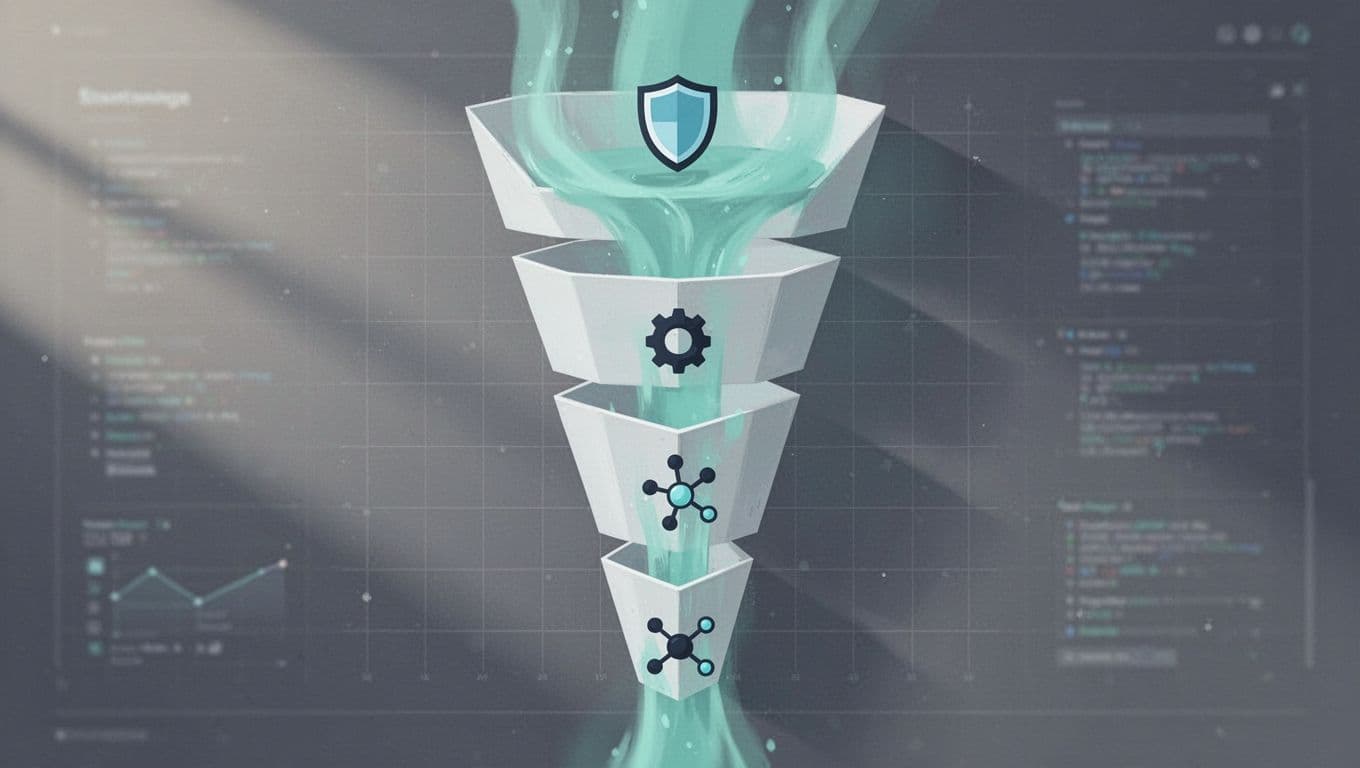
Pipeline funnel stages guide nurturing efforts.
Offer value first. Mock interviews for incident responders. Skill assessments for engineers. Reassess fit quarterly.
Measure success: 20% conversion from warm to hire. Adjust based on feedback.
See this LinkedIn guide on strong pipelines for more tactics.
Key Takeaways
A solid security talent pipeline beats reactive hiring every time. Map needs, grow internals, source externals, and nurture leads. You fill gaps fast amid the 4.8 million shortage.
Focus on skills over bodies. Start small: audit today, network tomorrow.
Ready for help? Book a Discovery Call with Bud Consulting to tailor this for your team.
(Word count: 982)